Department of Cell and Molecular Biology, Faculty of Biotechnology and Biomolecular Sciences, Universiti Putra Malaysia, 43400 UPM, Serdang, Selangor, Malaysia.
Institute of Biosciences, Universiti Putra Malaysia, 43400 UPM, Serdang, Selangor, Malaysia.
Microb Cell Fact. 2017 Oct 11;16(1):175. doi: 10.1186/s12934-017-0789-3.
Iron based ferromagnetic nanoparticles (IONP) have found a wide range of application in microelectronics, chemotherapeutic cell targeting, and as contrast enhancers in MRI. As such, the design of well-defined monodisperse IONPs is crucial to ensure effectiveness in these applications. Although these nanostructures are currently manufactured using chemical and physical processes, these methods are not environmentally conducive and weigh heavily on energy and outlays. Certain microorganisms have the innate ability to reduce metallic ions in aqueous solution and generate nano-sized IONP's with narrow size distribution. Harnessing this potential is a way forward in constructing microbial nanofactories, capable of churning out high yields of well-defined IONP's with physico-chemical characteristics on par with the synthetically produced ones.
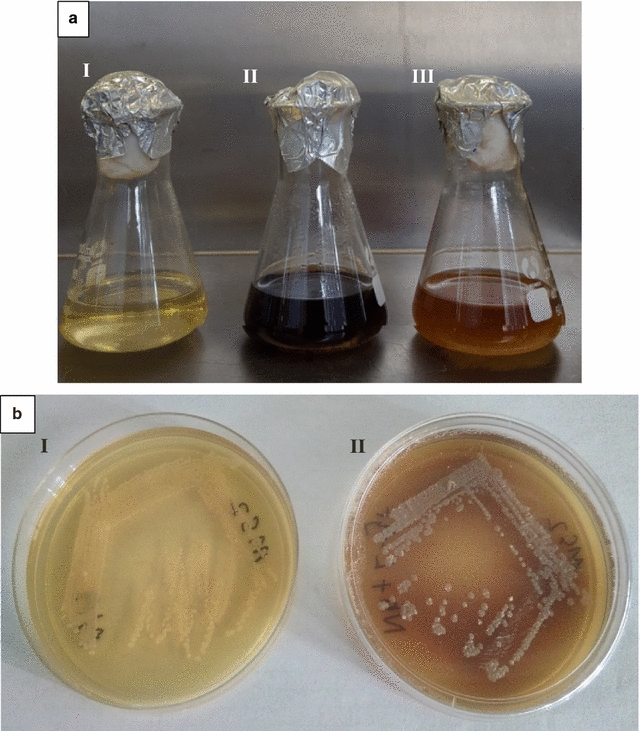
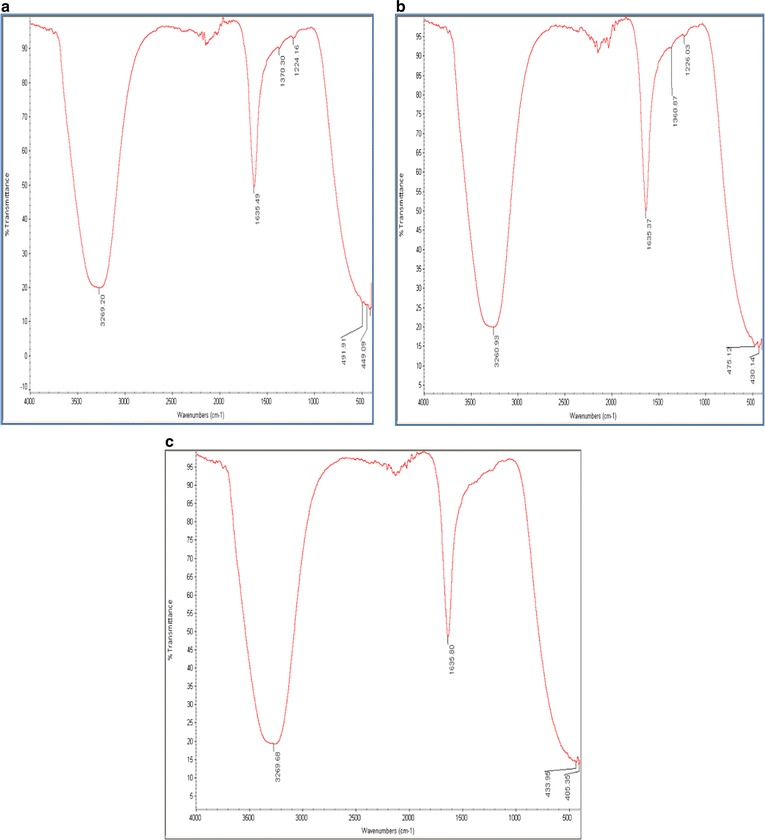
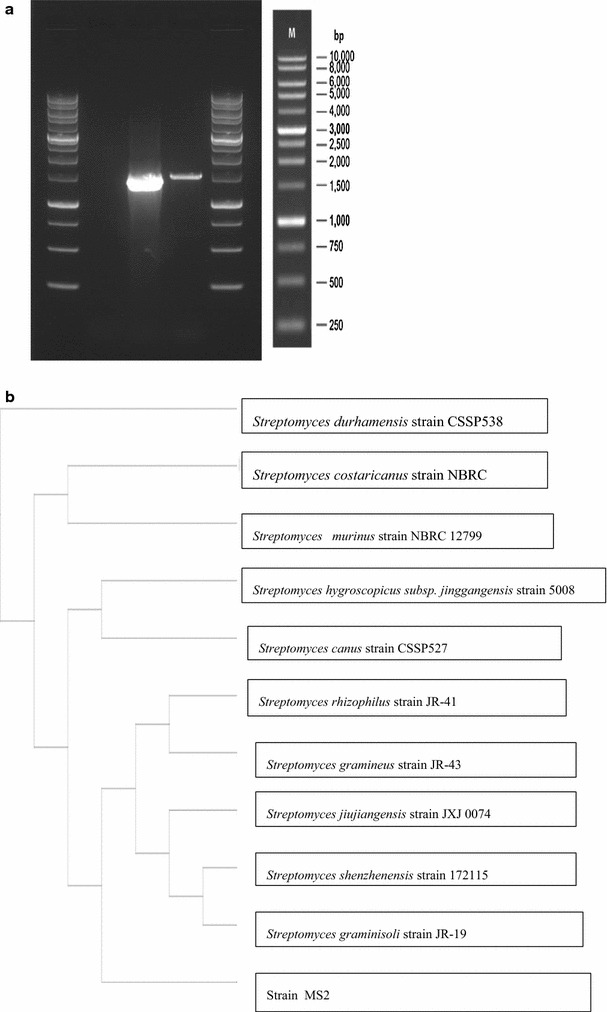
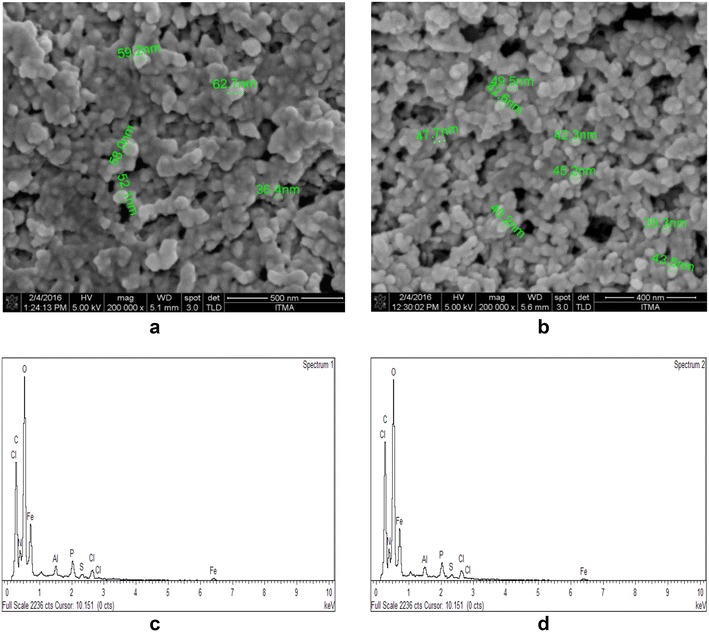
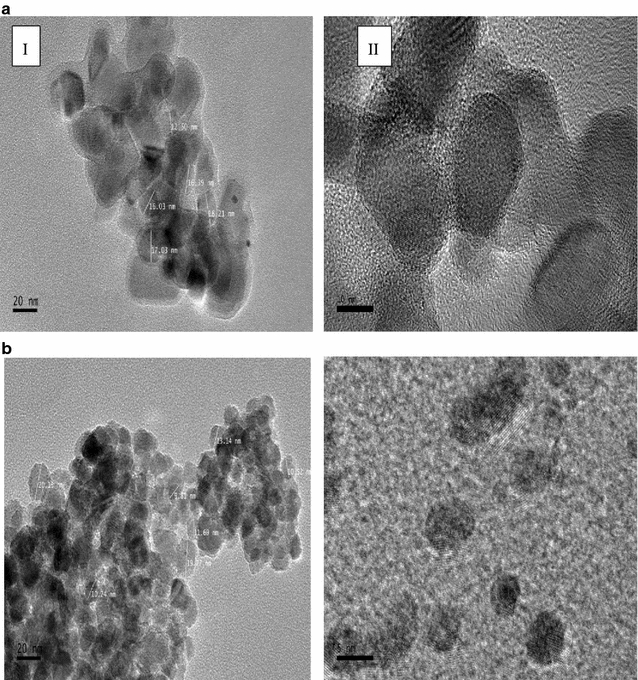
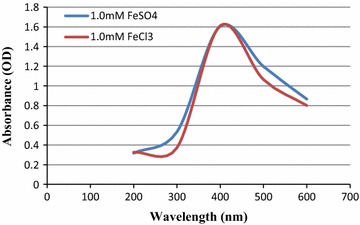
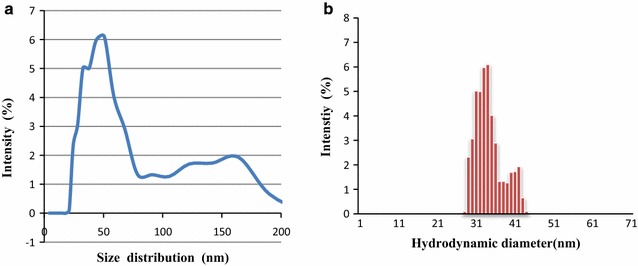
In this work, we report the molecular characterization of an actinomycetes, isolated from tropical freshwater wetlands sediments, that demonstrated rapid aerobic extracellular reduction of ferric ions to generate iron based nanoparticles. Characterization of these nanoparticles was carried out using Field Emission Scanning Electron Microscope with energy dispersive X-ray spectroscopy (FESEM-EDX), Field Emission Transmission Electron Microscope (FETEM), Ultraviolet-Visible (UV-Vis) Spectrophotometer, dynamic light scattering (DLS) and Fourier transform infrared spectroscopy (FTIR). This process was carried out at room temperature and humidity and under aerobic conditions and could be developed as an environmental friendly, cost effective bioprocess for the production of IONP's.
While it is undeniable that iron reducing microorganisms confer a largely untapped resource as potent nanofactories, these bioprocesses are largely anaerobic and hampered by the low reaction rates, highly stringent microbial cultural conditions and polydispersed nanostructures. In this work, the novel isolate demonstrated rapid, aerobic reduction of ferric ions in its extracellular matrix, resulting in IONPs of relatively narrow size distribution which are easily extracted and purified without the need for convoluted procedures. It is therefore hoped that this isolate could be potentially developed as an effective nanofactory in the future.
基于铁的铁磁性纳米粒子(IONP)在微电子学、化学疗法细胞靶向以及 MRI 中的对比增强剂等方面有广泛的应用。因此,设计具有良好定义的单分散 IONP 对于确保这些应用的有效性至关重要。尽管这些纳米结构目前是使用化学和物理过程制造的,但这些方法对环境不利,并且对能源和支出造成很大压力。某些微生物具有在水溶液中还原金属离子并生成具有窄尺寸分布的纳米级 IONP 的固有能力。利用这种潜力是构建能够以与合成生产的产品相当的物理化学特性生产出高产、具有良好定义的 IONP 的微生物纳米工厂的一种方法。
在这项工作中,我们报告了一种从热带淡水湿地沉积物中分离出的放线菌的分子特征,该放线菌能够快速进行有氧细胞外还原铁离子生成铁基纳米粒子。通过场发射扫描电子显微镜与能量色散 X 射线光谱(FESEM-EDX)、场发射透射电子显微镜(FETEM)、紫外可见分光光度计(UV-Vis)、动态光散射(DLS)和傅里叶变换红外光谱(FTIR)对这些纳米粒子进行了表征。该过程在室温、湿度和有氧条件下进行,可以开发为一种环保、经济高效的生物工艺,用于生产 IONP。
虽然不可否认的是,铁还原微生物作为潜在的纳米工厂具有很大的潜力,但这些生物过程主要是厌氧的,受到低反应速率、苛刻的微生物培养条件和多分散纳米结构的限制。在这项工作中,新型分离物在其细胞外基质中快速进行有氧还原铁离子,导致 IONP 的尺寸分布相对较窄,易于提取和纯化,而无需复杂的程序。因此,希望该分离物将来能够作为一种有效的纳米工厂被开发。