Köhler Kitti, Marcsik Antónia, Zádori Péter, Biro Gergely, Szeniczey Tamás, Fábián Szilvia, Serlegi Gábor, Marton Tibor, Donoghue Helen D, Hajdu Tamás
Institute of Archaeology, Research Centre for the Humanities, Hungarian Academy of Sciences, Budapest, Hungary.
Retired associate professor, University of Szeged, Szeged, Hungary.
PLoS One. 2017 Oct 12;12(10):e0185966. doi: 10.1371/journal.pone.0185966. eCollection 2017.
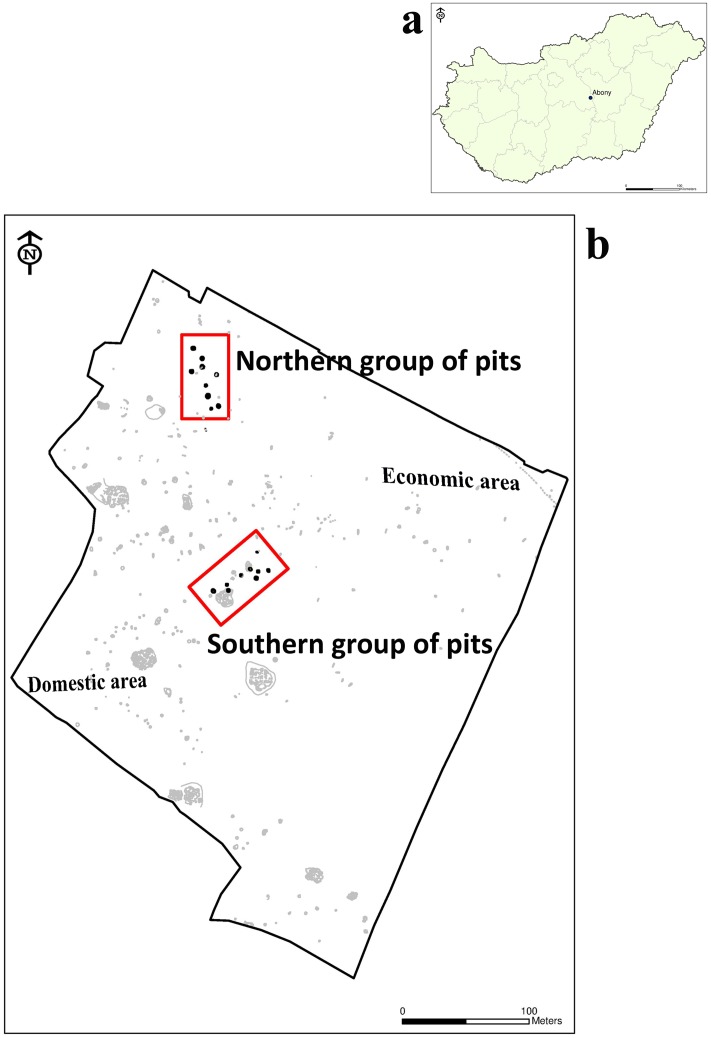
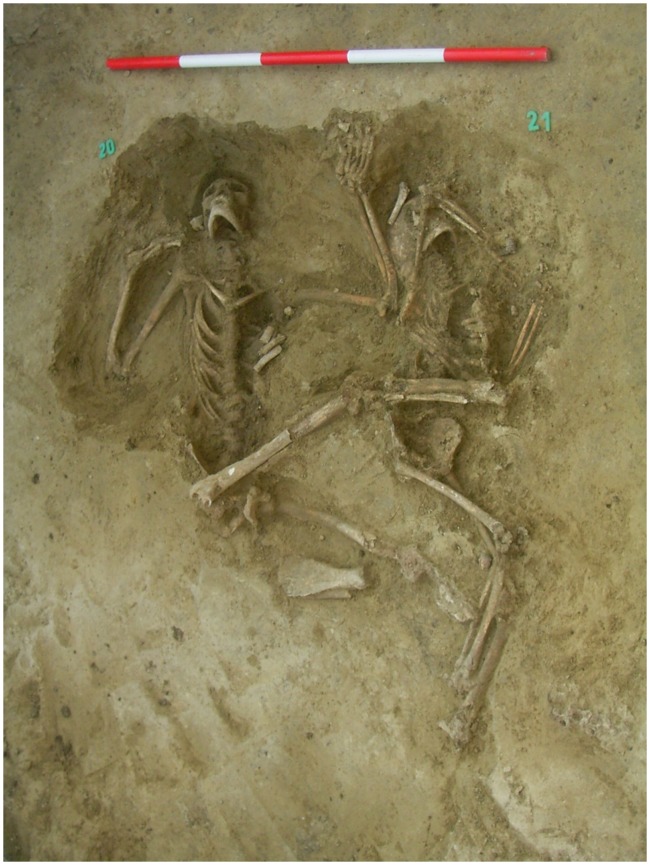
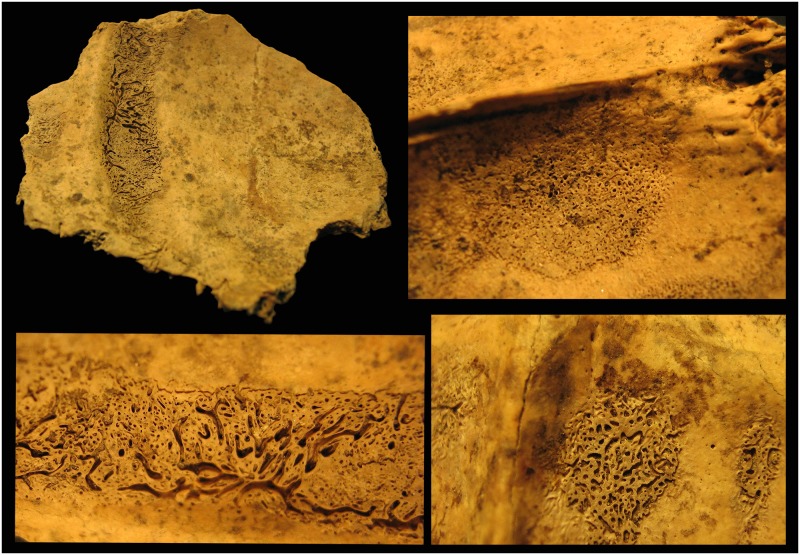
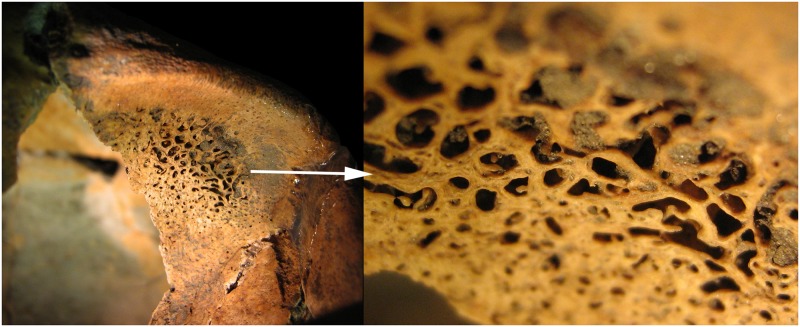
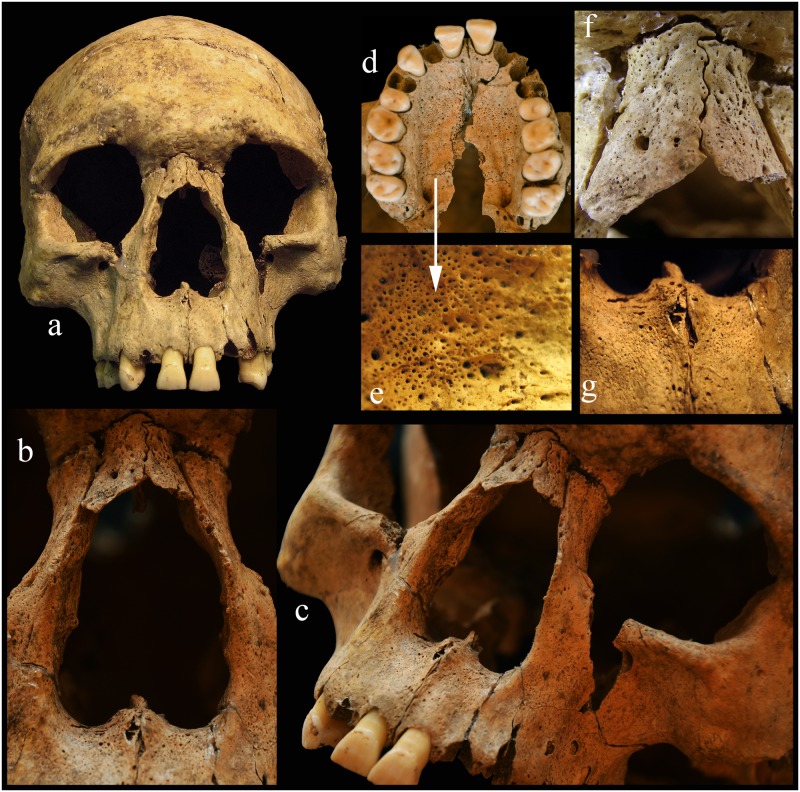
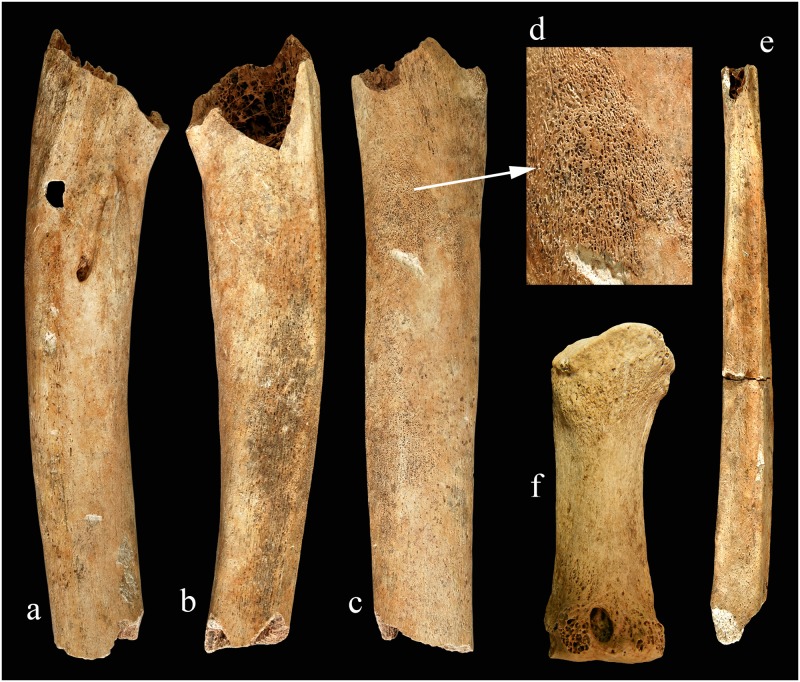
At the Abony-Turjányos dűlő site, located in Central Hungary, a rescue excavation was carried out. More than 400 features were excavated and dated to the Protoboleráz horizon, at the beginning of the Late Copper Age in the Carpathian Basin, between 3780-3650 cal BC. Besides the domestic and economic units, there were two special areas, with nine-nine pits that differed from the other archaeological features of the site. In the northern pit group seven pits contained human remains belonging to 48 individuals. Some of them were buried carefully, while others were thrown into the pits. The aim of this study is to present the results of the paleopathological and molecular analysis of human remains from this Late Copper Age site. The ratio of neonates to adults was high, 33.3%. Examination of the skeletons revealed a large number of pathological cases, enabling reconstruction of the health profile of the buried individuals. Based on the appearance and frequency of healed ante- and peri mortem trauma, inter-personal (intra-group) violence was characteristic in the Abony Late Copper Age population. However other traces of paleopathology were observed on the bones that appear not to have been caused by warfare or inter-group violence. The remains of one individual demonstrated a rare set of bone lesions that indicate the possible presence of leprosy (Hansen's disease). The most characteristic lesions occurred on the bones of the face, including erosion of the nasal aperture, atrophy of the anterior nasal spine, inflammation of the nasal bone and porosity on both the maxilla and the bones of the lower legs. In a further four cases, leprosy infection is suspected but other infections cannot be excluded. The morphologically diagnosed possible leprosy case significantly modifies our knowledge about the timescale and geographic spread of this specific infectious disease. However, it is not possible to determine the potential connections between the cases of possible leprosy and the special burial circumstances.
在位于匈牙利中部的阿博尼 - 图尔雅尼奥斯土丘遗址进行了一次抢救性发掘。发掘出了400多处遗迹,其年代可追溯到原始博莱拉兹文化层,即喀尔巴阡盆地铜器时代晚期之初,约公元前3780 - 3650年。除了住宅和经济单元外,还有两个特殊区域,有九九坑,与该遗址的其他考古遗迹不同。在北部坑群中,七个坑内有属于48个人的人类遗骸。其中一些是被精心埋葬的,而另一些则是被扔进坑里的。本研究的目的是展示对这个铜器时代晚期遗址人类遗骸进行古病理学和分子分析的结果。新生儿与成年人的比例很高,为33.3%。对骨骼的检查发现了大量病理病例,从而能够重建被埋葬个体的健康状况。根据生前和濒死创伤愈合后的外观和频率,人际(群体内)暴力是阿博尼铜器时代晚期人群的特征。然而,在骨骼上还观察到了其他古病理学痕迹,这些痕迹似乎并非由战争或群体间暴力造成。一名个体的遗骸显示出一组罕见的骨病变,表明可能存在麻风病(汉森氏病)。最典型的病变出现在面部骨骼上,包括鼻孔侵蚀、前鼻棘萎缩、鼻骨炎症以及上颌骨和小腿骨的多孔性。在另外四个案例中,怀疑有麻风病感染,但也不能排除其他感染。形态学诊断的可能麻风病病例显著改变了我们对这种特定传染病的时间范围和地理传播的认识。然而,无法确定可能的麻风病病例与特殊埋葬情况之间的潜在联系。