Waite Iain, Deshpande Ranjit, Baghai Max, Massey Tania, Wendler Olaf, Greenwood Sharlene
Department of Physiotherapy, Kings College Hospital NHS Trust, London, England.
Department of Cardiology, Kings College Hospital NHS Trust, London, England.
J Cardiothorac Surg. 2017 Oct 26;12(1):91. doi: 10.1186/s13019-017-0655-8.
Evidence suggests that elective cardiac patients are at risk of functional and psychological deterioration in the time preceding surgery. This poses a risk to successful post-operative rehabilitation. This prospective one-group pre-test, post-test evaluation was designed to assess a clinical Pre-operative Rehabilitation (PREHAB) home-based exercise programme, to optimise pre-operative physical function and frailty in patients awaiting elective Coronary Artery By-Pass Graft (CABG) or Valve Surgery.
Consenting patients awaiting cardiac surgery, with wait time ≥ 6 weeks were referred to a Senior Physiotherapist for baseline assessment. Patients were offered PREHAB in the form of functional home-based exercise that was prescribed from baseline physical outcomes. All patients were followed up via telephone to ensure progression of exercise and any problems associated with it. This continued weekly until the patient attended Surgical Pre-assessment clinic, where all outcome measures were re-assessed.
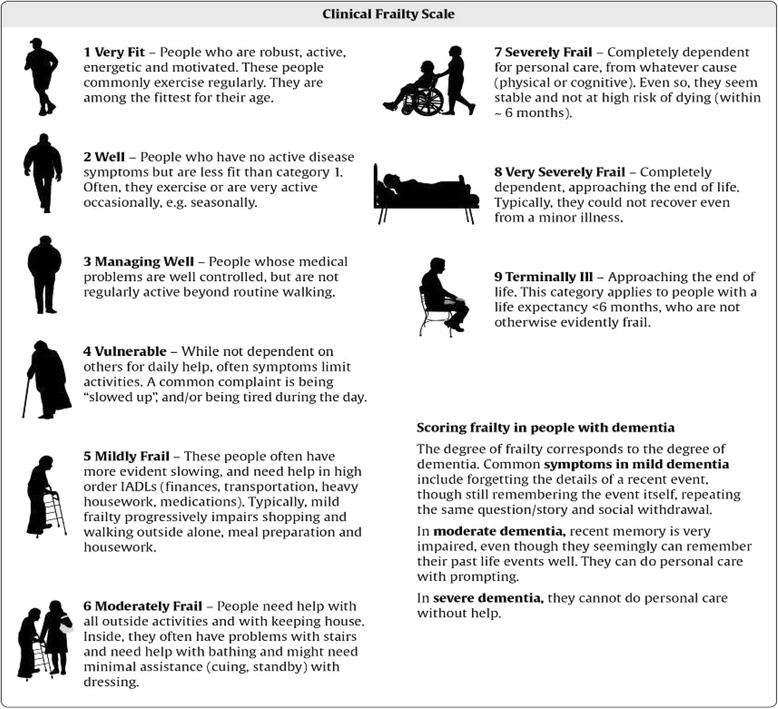
Twenty two patients, out of a total number of 36 patients seen in the surgical clinic between March 2016 and August 2016, participated in the prehab clinical evaluation. Twenty patients completed their prescribed exercises on a weekly basis prior to surgery. No adverse events or cardiac symptoms were reported as a result of the home exercise intervention. Paired t-Test analyses revealed a significant mean difference in clinical frailty score (CFS) of -0.53 ± 0.51 (95% CI [-0.774, -0.279], P = 0.0003). Significant mean difference in six-minute walk test (6MWT) distance of 42.5 ± 27.8 m (95% CI [23.840, 61.251], P = 0.0005), 6MWT walking speed of 0.5 ± 0.4kmh (95% CI, [0.2433, 0.7567], P = 0.001), and short physical performance battery (SPPB) total score of 2.2 ± 1.7, (95% CI [3.066, 1.200], P = 0.0002) were also observed. The change in 6MWT distance was shown to be significantly associated with hospital length of stay (LOS) (r = 0.7; P = 0.03).
This small exploratory evaluation suggests that providing a home-based PREHAB programme for frail patients undergoing CABG or Valve surgery may be able to improve functional ability and reduce hospital length of stay for those patients undergoing cardiac surgery. A frailty score with greater sensitivity may be required to elucidate the influence frailty could have in reducing length of stay. A large randomised controlled study is required to reveal the potential beneficial effects of PREHAB in this patient population.
有证据表明,择期心脏手术患者在手术前一段时间存在功能和心理衰退的风险。这对术后的成功康复构成风险。本前瞻性单组前后测评估旨在评估一项临床术前康复(PREHAB)居家锻炼计划,以优化等待择期冠状动脉搭桥术(CABG)或瓣膜手术患者的术前身体功能并改善虚弱状况。
同意参与的等待心脏手术且等待时间≥6周的患者被转介给高级物理治疗师进行基线评估。为患者提供PREHAB,形式为基于居家功能锻炼,根据基线身体状况进行定制。通过电话对所有患者进行随访,以确保锻炼的进展情况及与之相关的任何问题。每周持续进行随访,直到患者前往外科术前评估门诊,在那里对所有结局指标进行重新评估。
在2016年3月至2016年8月期间外科门诊所见的36例患者中,有22例参与了术前康复临床评估。20例患者在手术前每周都完成了规定的锻炼。未报告因居家锻炼干预导致的不良事件或心脏症状。配对t检验分析显示,临床虚弱评分(CFS)的平均差异显著为-0.53±0.51(95%可信区间[-0.774, -0.279],P = 0.0003)。六分钟步行试验(6MWT)距离的平均差异显著为42.5±27.8米(95%可信区间[23.840, 61.251],P = 0.0005),6MWT步行速度的平均差异为0.5±0.4千米/小时(95%可信区间,[0.2433, 0.7567],P = 0.001),简易体能状况量表(SPPB)总分的平均差异为2.2±1.7,(95%可信区间[3.066, 1.200],P = 0.0002)也被观察到。6MWT距离的变化显示与住院时间(LOS)显著相关(r = 0.7;P = 0.03)。
这项小型探索性评估表明,为接受CABG或瓣膜手术的虚弱患者提供居家PREHAB计划可能能够改善其功能能力,并缩短这些接受心脏手术患者的住院时间。可能需要一个更具敏感性的虚弱评分来阐明虚弱对缩短住院时间可能产生的影响。需要进行一项大型随机对照研究来揭示PREHAB在此类患者群体中的潜在有益效果。