Al Hariri Moustafa, Elmedawar Mohamad, Zhu Rui, Jaffa Miran A, Zhao Jingfu, Mirzaei Parvin, Ahmed Adnan, Kobeissy Firas, Ziyadeh Fuad N, Mechref Yehia, Jaffa Ayad A
Department of Biochemistry and Molecular Genetics, Faculty of Medicine, American University of Beirut, Beirut, Lebanon.
Department of Chemistry and Biochemistry, Texas Tech University, Memorial Circle & Boston, Lubbock, Texas, United States of America.
PLoS One. 2017 Nov 9;12(11):e0187752. doi: 10.1371/journal.pone.0187752. eCollection 2017.
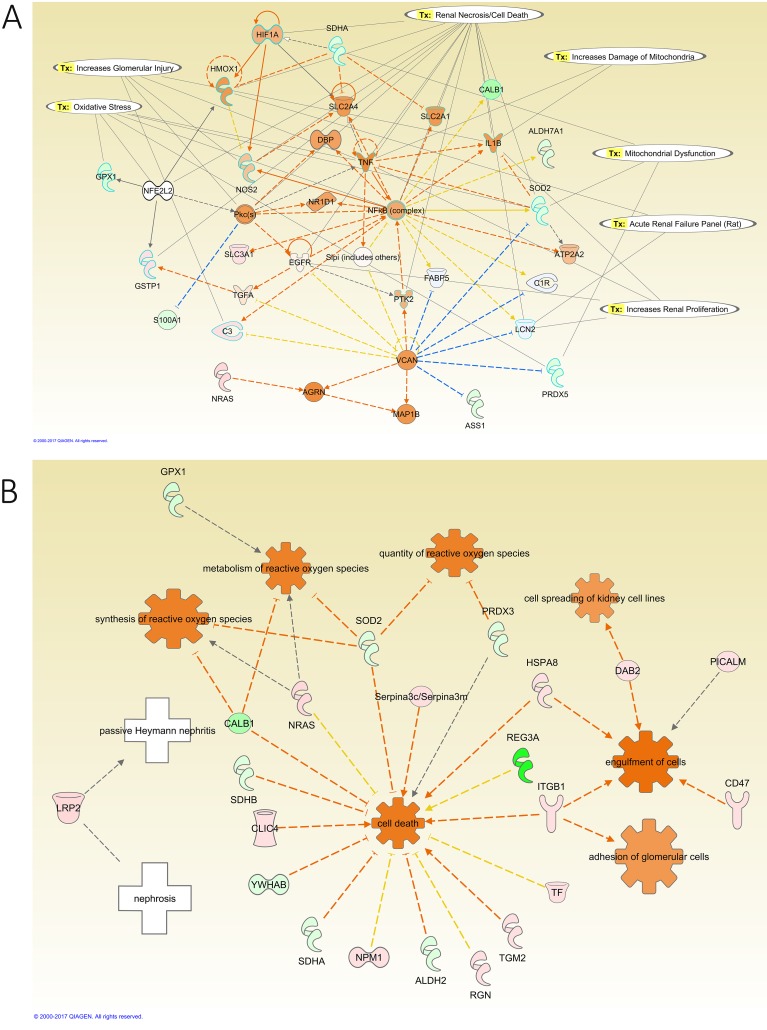
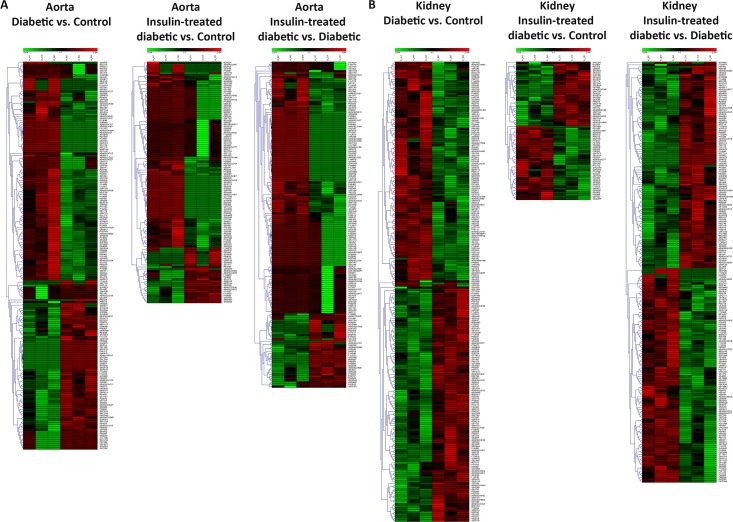
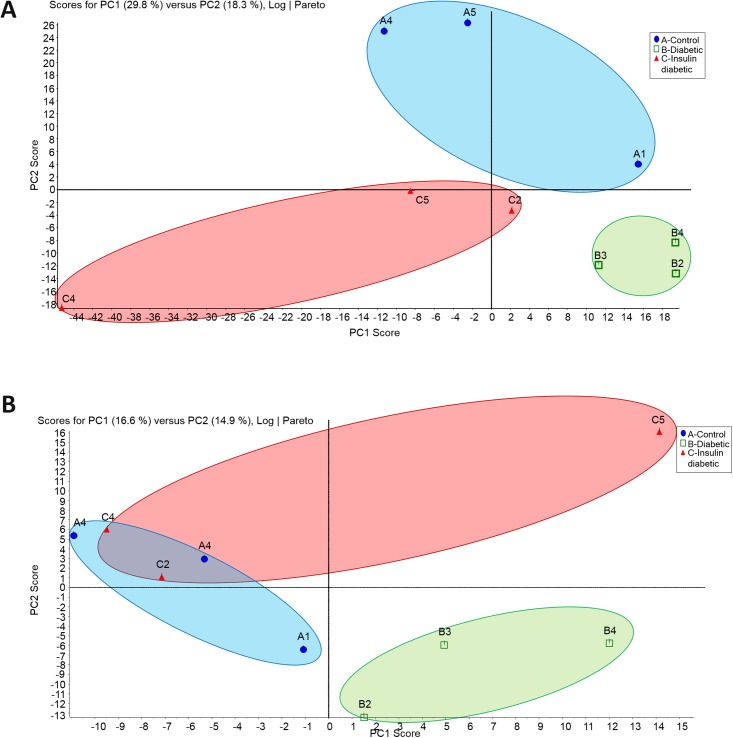
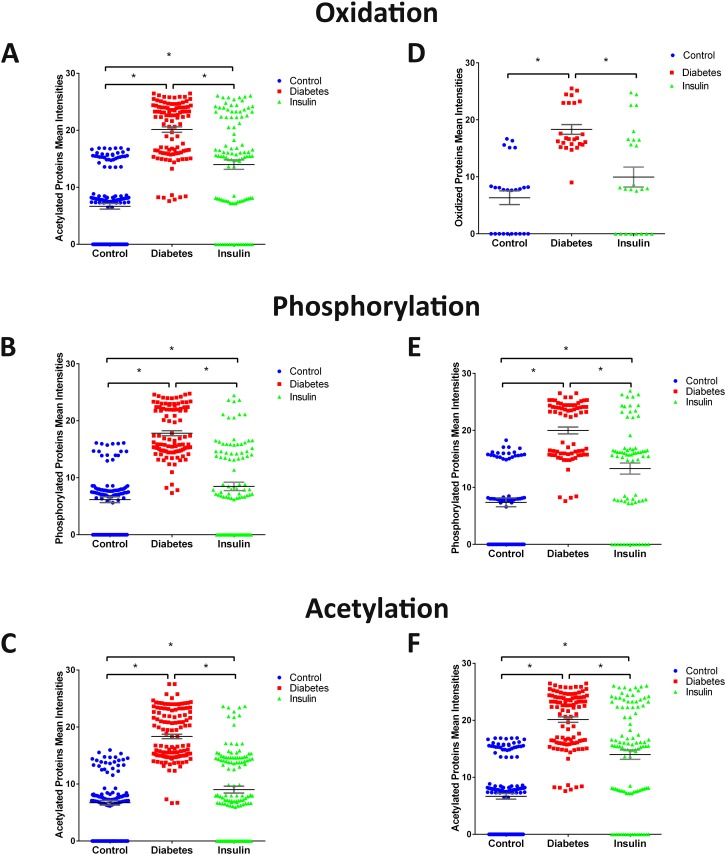
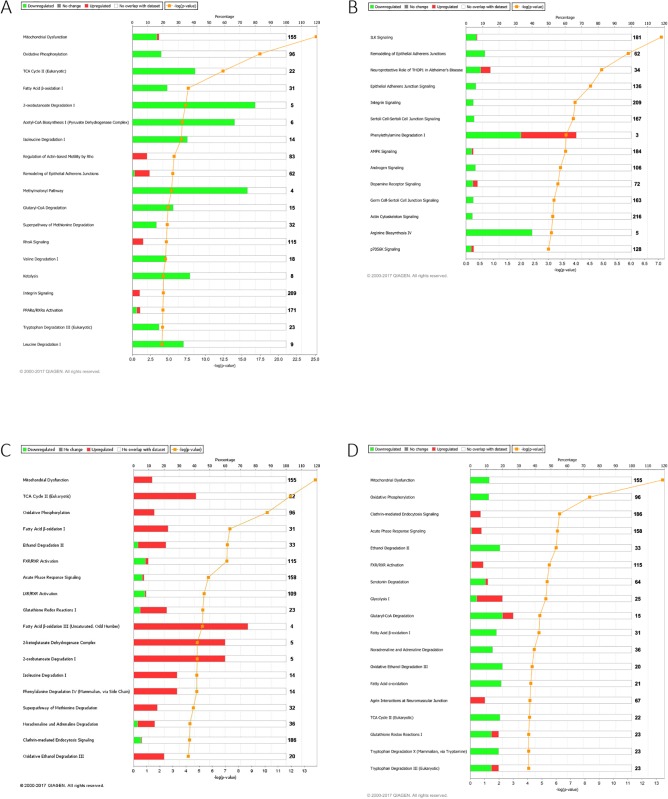
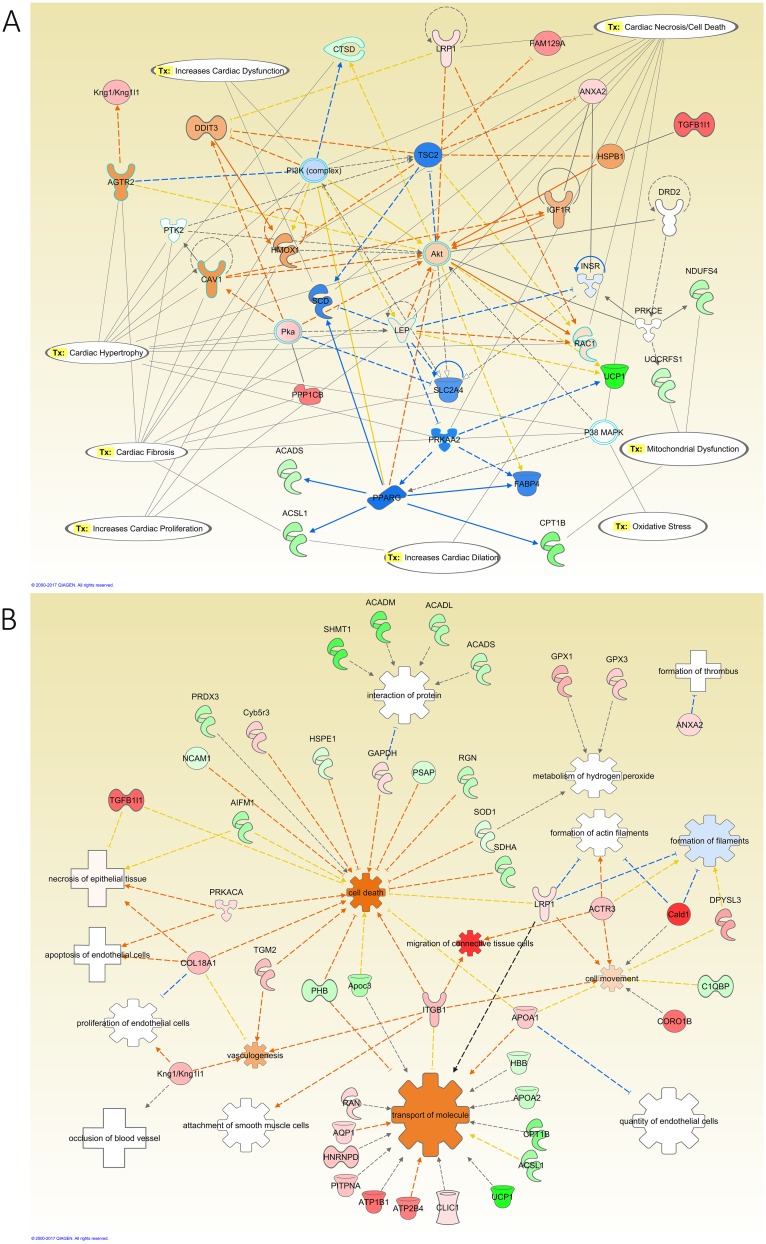
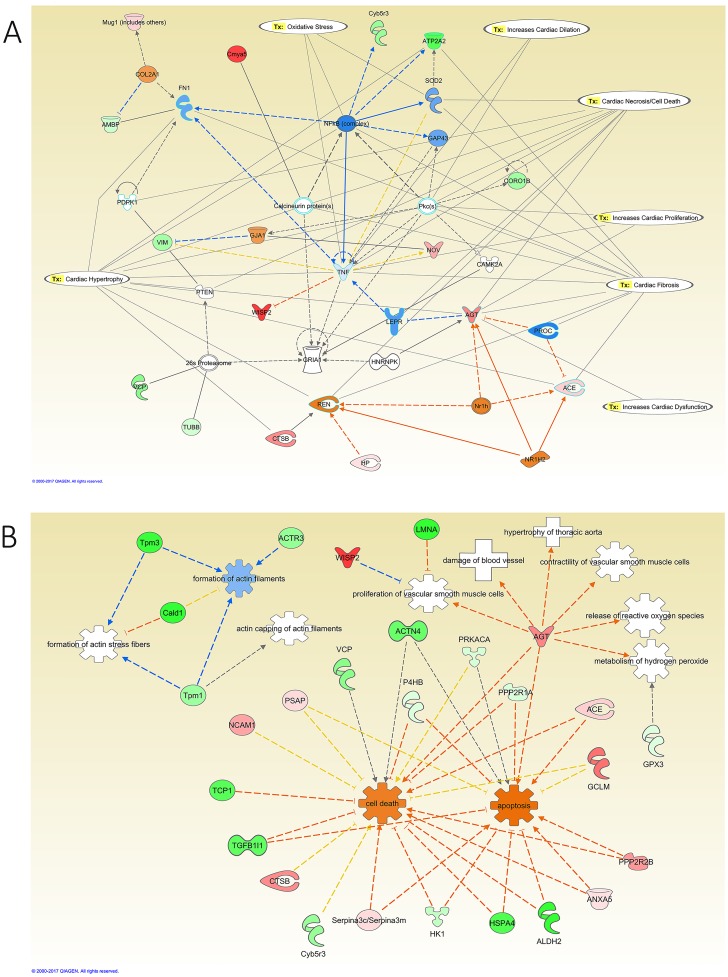
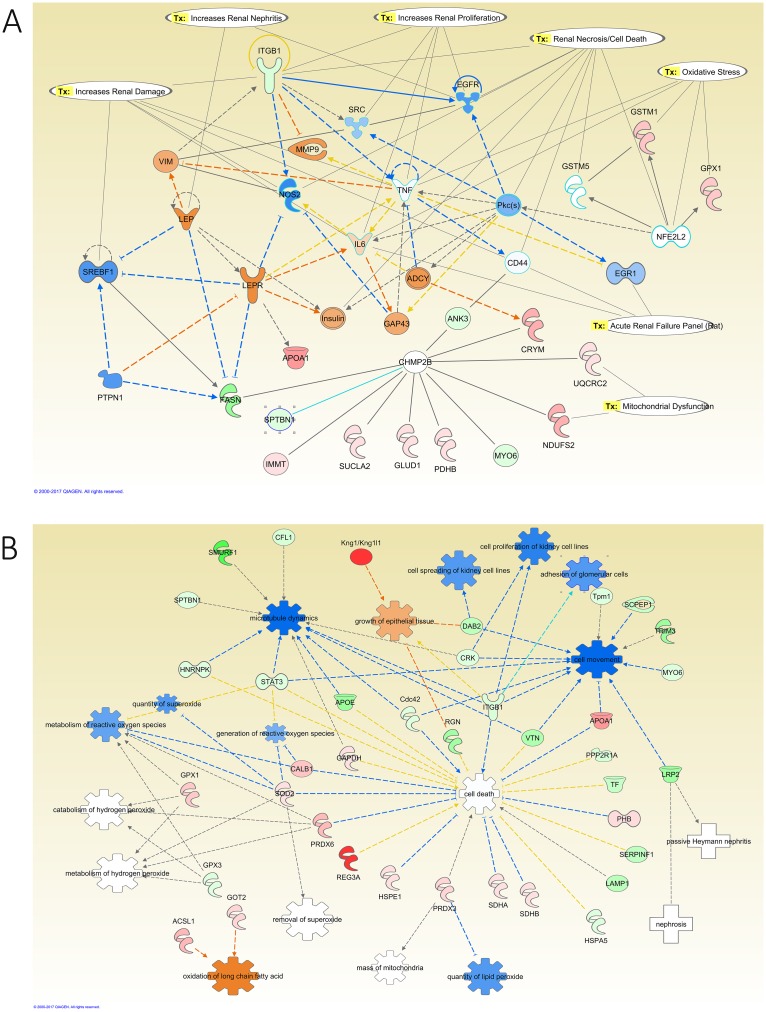
Diabetes is associated with a number of metabolic and cardiovascular risk factors that contribute to a high rate of microvascular and macrovascular complications. The risk factors and mechanisms that contribute to the development of micro- and macrovascular disease in diabetes are not fully explained. In this study, we employed mass spectrometric analysis using tandem LC-MS/MS to generate a proteomic profile of protein abundance and post-translational modifications (PTM) in the aorta and kidney of diabetic rats. In addition, systems biology analyses were employed to identify key protein markers that can provide insights into molecular pathways and processes that are differentially regulated in the aorta and kidney of type 1 diabetic rats. Our results indicated that 188 (111 downregulated and 77 upregulated) proteins were significantly identified in the aorta of diabetic rats compared to normal controls. A total of 223 (109 downregulated and 114 upregulated) proteins were significantly identified in the kidney of diabetic rats compared to normal controls. When the protein profiles from the kidney and aorta of diabetic and control rats were analyzed by principal component analysis, a distinct separation of the groups was observed. In addition, diabetes resulted in a significant increase in PTM (oxidation, phosphorylation, and acetylation) of proteins in the kidney and aorta and this effect was partially reversed by insulin treatment. Ingenuity pathway analysis performed on the list of differentially expressed proteins depicted mitochondrial dysfunction, oxidative phosphorylation and acute phase response signaling to be among the altered canonical pathways by diabetes in both tissues. The findings of the present study provide a global proteomics view of markers that highlight the mechanisms and putative processes that modulate renal and vascular injury in diabetes.
糖尿病与多种代谢和心血管危险因素相关,这些因素导致微血管和大血管并发症的高发生率。导致糖尿病微血管和大血管疾病发生的危险因素和机制尚未完全阐明。在本研究中,我们采用串联液相色谱-质谱联用(LC-MS/MS)的质谱分析方法,生成糖尿病大鼠主动脉和肾脏中蛋白质丰度和翻译后修饰(PTM)的蛋白质组学图谱。此外,运用系统生物学分析来鉴定关键蛋白质标志物,这些标志物能够为1型糖尿病大鼠主动脉和肾脏中差异调节的分子途径和过程提供见解。我们的结果表明,与正常对照组相比,在糖尿病大鼠的主动脉中显著鉴定出188种蛋白质(111种下调和77种上调)。与正常对照组相比,在糖尿病大鼠的肾脏中总共显著鉴定出223种蛋白质(109种下调和114种上调)。当通过主成分分析对糖尿病大鼠和对照大鼠肾脏及主动脉的蛋白质谱进行分析时,观察到各组之间有明显的分离。此外,糖尿病导致肾脏和主动脉中蛋白质的PTM(氧化、磷酸化和乙酰化)显著增加,胰岛素治疗可部分逆转这种效应。对差异表达蛋白质列表进行的 Ingenuity 通路分析表明,线粒体功能障碍、氧化磷酸化和急性期反应信号传导是糖尿病在两个组织中改变的典型通路之一。本研究的结果提供了一个全局蛋白质组学视角的标志物,突出了调节糖尿病肾损伤和血管损伤的机制及假定过程。