Seedy Fawzy R El, Samy A A, Salam Hala S H, Khairy Eman A, Koraney Aya A
Department of Bacteriology, Mycology and Immunology, Faculty of Veterinary Medicine, Beni-Suef University, Beni-Suef, Egypt.
Department of Microbiology and Immunology, National Research Center, Cairo, Egypt.
Vet World. 2017 Oct;10(10):1205-1211. doi: 10.14202/vetworld.2017.1205-1211. Epub 2017 Oct 9.
The aim of our study was polymerase chain reaction (PCR) detection of the genes responsible for the multiple antibiotic resistance isolated from food of animal origin in Egypt.
A total of 125 samples were randomly collected from milk, meat, and their products from Giza and Beni-Suef Governorates markets. The isolates were subjected to antimicrobial sensitivity tests using four antibacterial disks (Oxoid), and then the polymerase chain reaction (PCR) was performed for detection of antibiotic resistance genes.
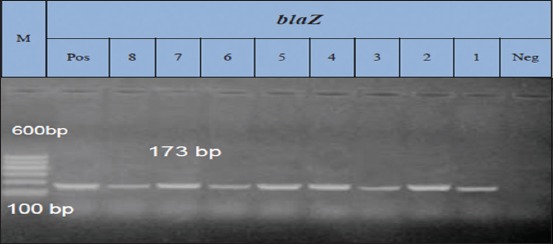
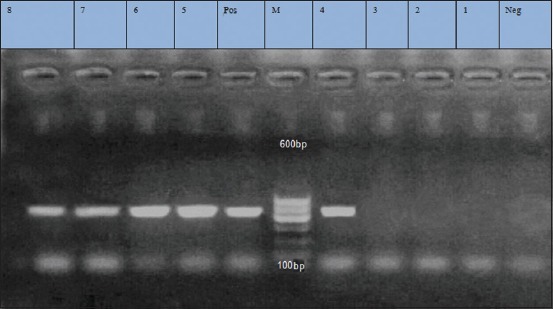
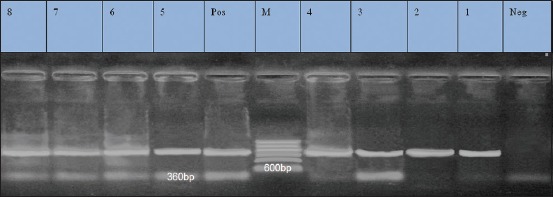
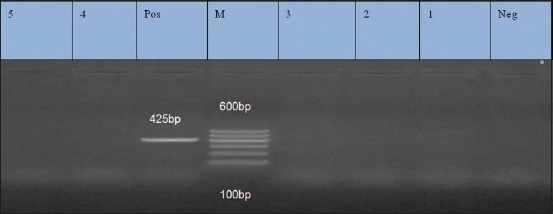
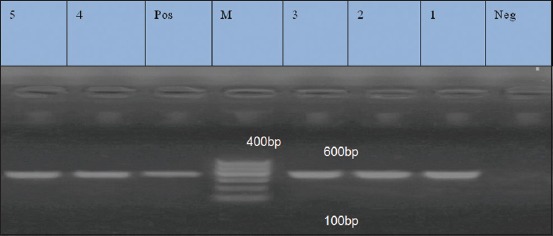
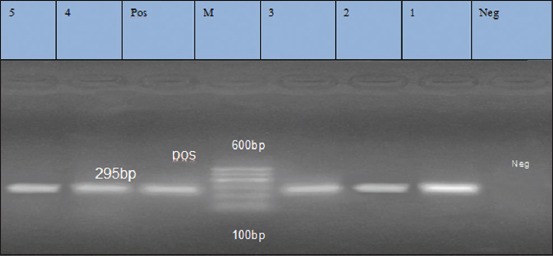
Out of 125 samples, 19 isolates were detected. All detected isolates were multiple drug resistance (MDR). The penicillin-, erythromycin-, kanamycin-, and tetracycline-resistant isolates were examined by PCR for resistance genes , (, and , , and . The isolates harbored these resistance genes with percentage of 100% (100%, 0%, and 100%), 62.5%, and 100%, respectively.
Contaminated foods of animal origin may represent a source of MDR that can be a major threat to public health.
我们研究的目的是通过聚合酶链反应(PCR)检测从埃及动物源性食品中分离出的多重耐药相关基因。
从吉萨省和贝尼苏韦夫省市场的牛奶、肉类及其制品中随机采集了125份样本。使用四种抗菌药敏纸片(奥克托)对分离菌株进行抗菌药敏试验,然后进行聚合酶链反应(PCR)以检测抗生素耐药基因。
在125份样本中,检测到19株分离菌株。所有检测到的分离菌株均为多重耐药(MDR)。对青霉素、红霉素、卡那霉素和四环素耐药的分离菌株通过PCR检测耐药基因(blaTEM、ermA、aphA1和tetA)。这些分离菌株携带这些耐药基因的比例分别为100%(blaTEM 100%、ermA 0%和aphA1 100%)、62.5%和100%。
受污染的动物源性食品可能是多重耐药菌的一个来源,对公众健康构成重大威胁。