Mujahid Adnan, Dickert Franz L
Department of Analytical Chemistry, University of Vienna, Währinger Straße 38, A-1090 Vienna, Austria
Institute of Chemistry, University of the Punjab, Quaid-i-Azam Campus, Lahore 54590, Pakistan
Sensors (Basel). 2017 Nov 24;17(12):2716. doi: 10.3390/s17122716.
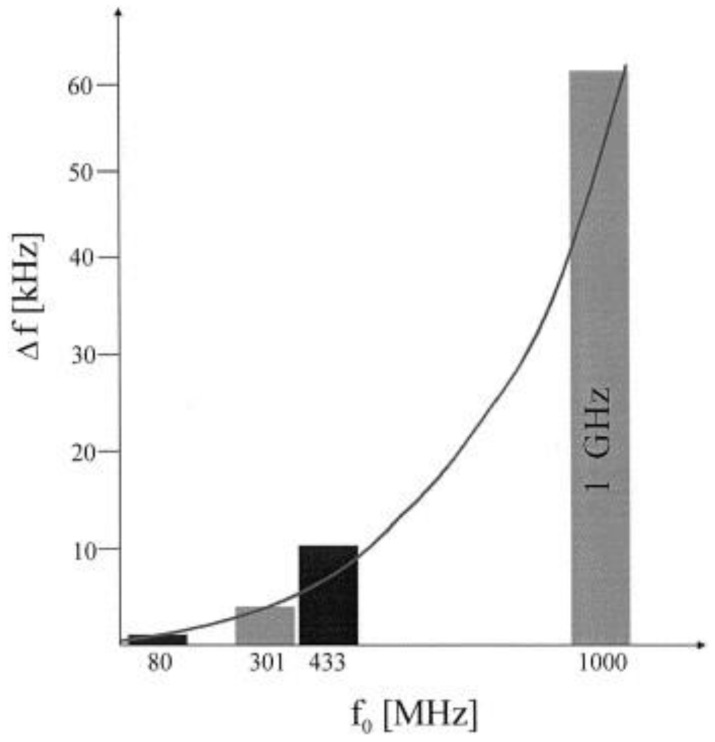
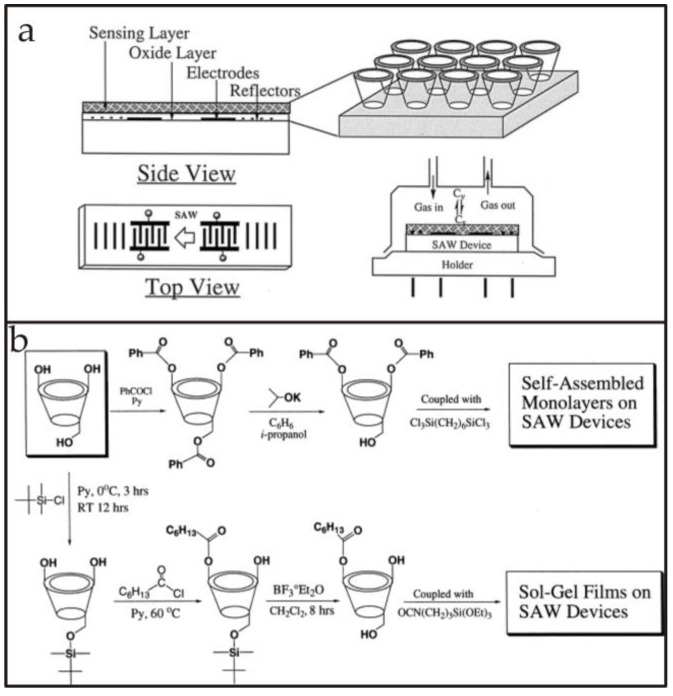
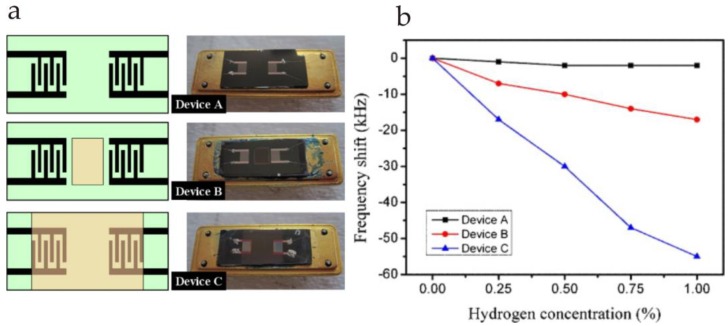
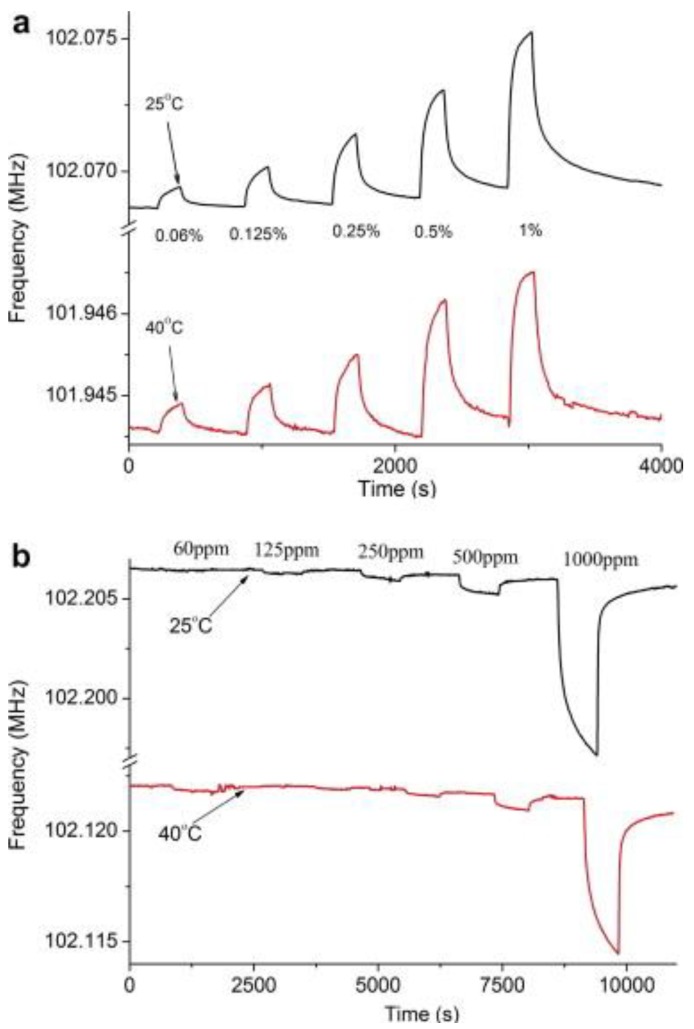
Surface acoustic wave (SAW) resonators represent some of the most prominent acoustic devices for chemical sensing applications. As their frequency ranges from several hundred MHz to GHz, therefore they can record remarkably diminutive frequency shifts resulting from exceptionally small mass loadings. Their miniaturized design, high thermal stability and possibility of wireless integration make these devices highly competitive. Owing to these special characteristics, they are widely accepted as smart transducers that can be combined with a variety of recognition layers based on host-guest interactions, metal oxide coatings, carbon nanotubes, graphene sheets, functional polymers and biological receptors. As a result of this, there is a broad spectrum of SAW sensors, i.e., having sensing applications ranging from small gas molecules to large bio-analytes or even whole cell structures. This review shall cover from the fundamentals to modern design developments in SAW devices with respect to interfacial receptor coatings for exemplary sensor applications. The related problems and their possible solutions shall also be covered, with a focus on emerging trends and future opportunities for making SAW as established sensing technology.
表面声波(SAW)谐振器是化学传感应用中一些最突出的声学器件。由于其频率范围从几百兆赫兹到吉赫兹,因此它们能够记录由极小的质量负载引起的显著微小的频率偏移。其小型化设计、高热稳定性以及无线集成的可能性使这些器件具有高度的竞争力。由于这些特殊特性,它们被广泛认可为智能传感器,可以与基于主客体相互作用、金属氧化物涂层、碳纳米管、石墨烯片、功能聚合物和生物受体的各种识别层相结合。因此,存在各种各样的SAW传感器,即具有从小气体分子到大型生物分析物甚至全细胞结构的传感应用。本综述将涵盖SAW器件从基础到现代设计发展,涉及用于示例性传感器应用的界面受体涂层。还将涵盖相关问题及其可能的解决方案,重点关注使SAW成为成熟传感技术的新兴趋势和未来机遇。