Jenkins Simon, Ives Jonathan, Avery Sue, Draper Heather
Bioethics. 2018 Jan;32(1):16-26. doi: 10.1111/bioe.12411. Epub 2017 Dec 1.
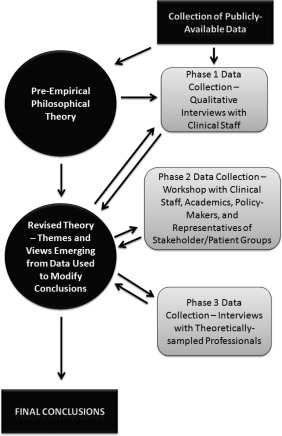
This paper argues that the convention of allocating donated gametes on a 'first come, first served' basis should be replaced with an allocation system that takes into account more morally relevant criteria than waiting time. This conclusion was developed using an empirical bioethics methodology, which involved a study of the views of 18 staff members from seven U.K. fertility clinics, and 20 academics, policy-makers, representatives of patient groups, and other relevant professionals, on the allocation of donated sperm and eggs. Against these views, we consider some nuanced ways of including criteria in a points allocation system. We argue that such a system is more ethically robust than 'first come, first served', but we acknowledge that our results suggest that a points system will meet with resistance from those working in the field. We conclude that criteria such as a patient's age, potentially damaging substance use, and parental status should be used to allocate points and determine which patients receive treatment and in what order. These and other factors should be applied according to how they bear on considerations like child welfare, patient welfare, and the effectiveness of the proposed treatment.
本文认为,应摒弃按“先到先得”原则分配捐赠配子的惯例,转而采用一种分配系统,该系统考虑的道德相关标准应多于等待时间。这一结论是运用实证生物伦理学方法得出的,该方法涉及对来自英国七家生育诊所的18名工作人员以及20名学者、政策制定者、患者群体代表和其他相关专业人员关于捐赠精子和卵子分配的观点进行研究。针对这些观点,我们考虑了在积分分配系统中纳入标准的一些细微差别方式。我们认为,这样的系统在伦理上比“先到先得”更具稳健性,但我们承认,我们的研究结果表明积分系统将遭到该领域工作人员的抵制。我们得出结论,患者年龄、潜在有害物质使用情况和父母身份等标准应被用于分配积分,并确定哪些患者接受治疗以及治疗顺序。这些因素及其他因素应根据它们与儿童福利、患者福利以及拟议治疗效果等考量的关联程度来应用。