Collier T A, Nash A, Birch H L, de Leeuw N H
Institute of Natural and Mathematical Sciences, Massey University, Auckland 0632, New Zealand.
Department of Physiology, Anatomy and Genetics, University of Oxford, South Parks Road, Oxford OX1 3QX, United Kingdom.
J Biomech. 2018 Jan 23;67:55-61. doi: 10.1016/j.jbiomech.2017.11.021. Epub 2017 Nov 28.
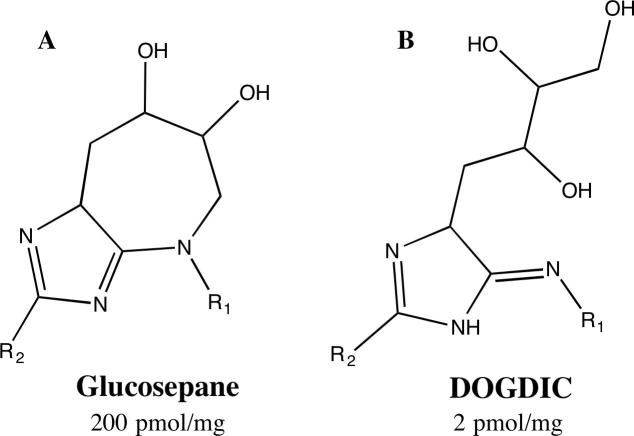
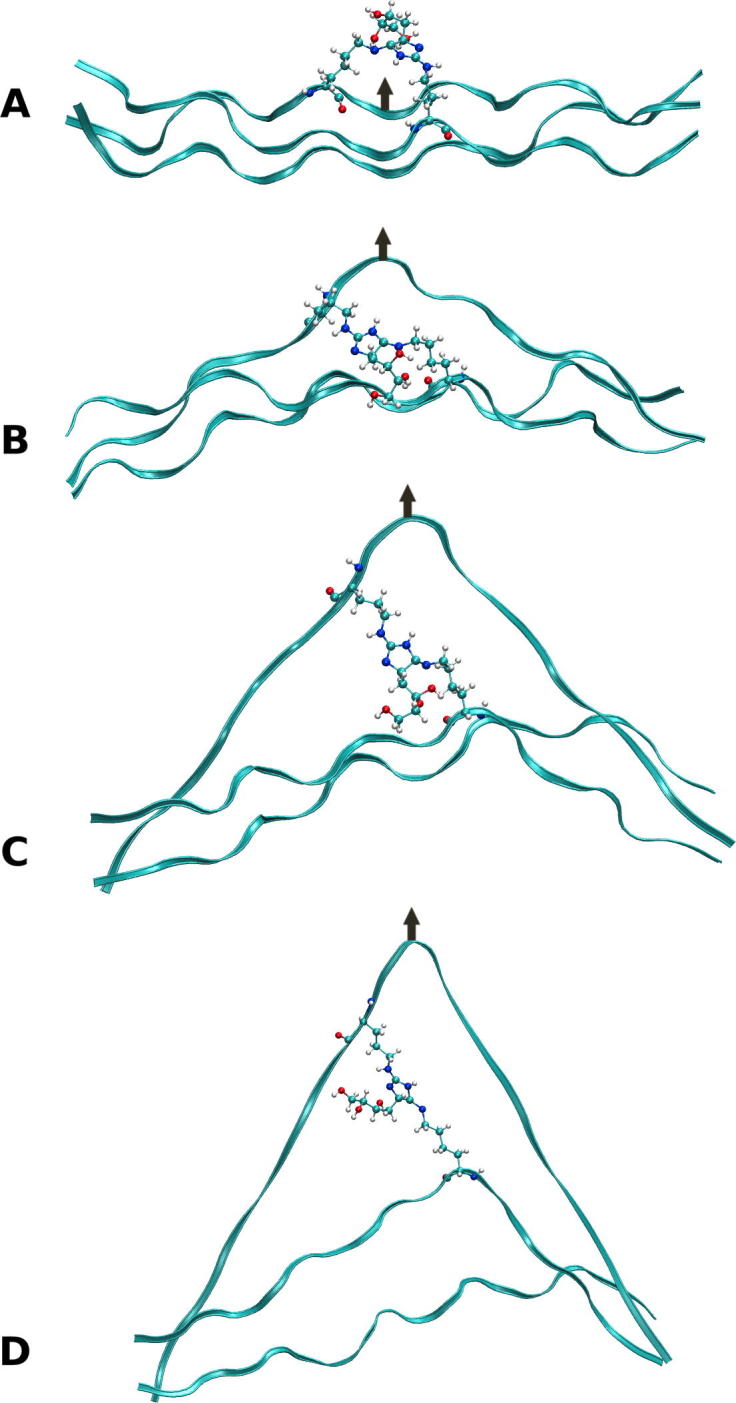
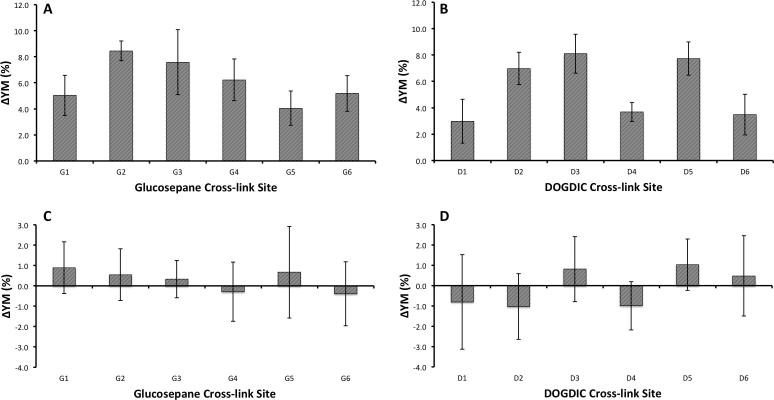
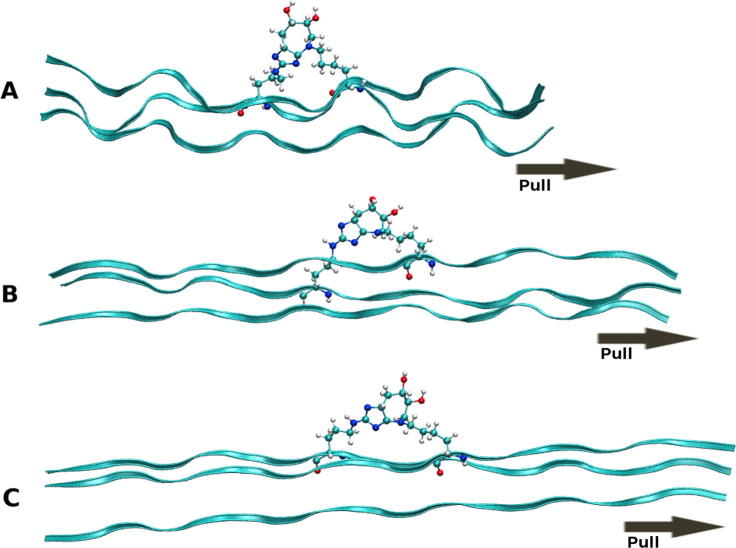
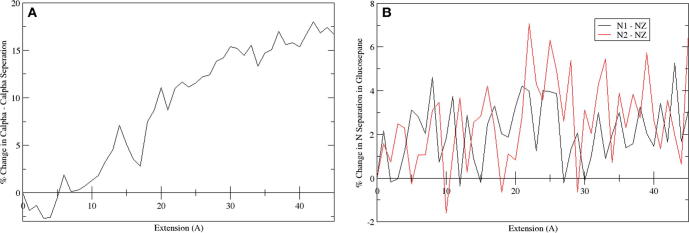
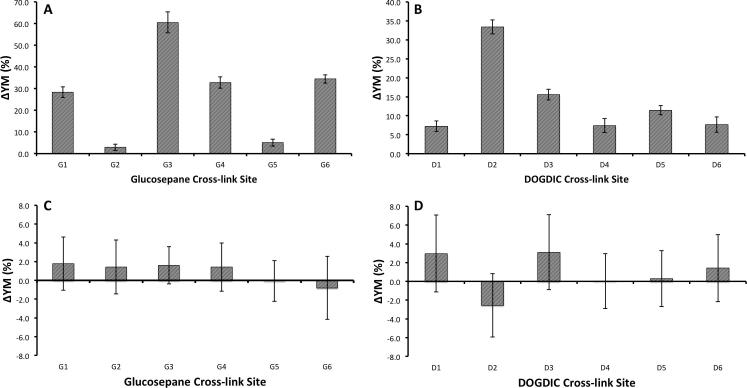
Non-enzymatic advanced glycation end product (AGE) cross-linking of collagen molecules has been hypothesised to result in significant changes to the mechanical properties of the connective tissues within the body, potentially resulting in a number of age related diseases. We have investigated the effect of two of these cross-links, glucosepane and DOGDIC, on the tensile and lateral moduli of the collagen molecule through the use of a steered molecular dynamics approach, using previously identified preferential formation sites for intra-molecular cross-links. Our results show that the presence of intra-molecular AGE cross-links increases the tensile and lateral Young's moduli in the low strain domain by between 3.0-8.5% and 2.9-60.3% respectively, with little effect exhibited at higher strains.
胶原蛋白分子的非酶促晚期糖基化终产物(AGE)交联被认为会导致体内结缔组织力学性能发生显著变化,这可能会引发一些与年龄相关的疾病。我们通过使用引导分子动力学方法,利用先前确定的分子内交联优先形成位点,研究了其中两种交联物葡萄糖苷和DOGDIC对胶原蛋白分子拉伸模量和横向模量的影响。我们的结果表明,分子内AGE交联的存在分别使低应变域中的拉伸杨氏模量和横向杨氏模量提高了3.0 - 8.5%和2.9 - 60.3%,而在高应变时影响较小。