Khanum Nishath, Mysore-Shivalingu Mahesh, Basappa Srisha, Patil Archana, Kanwar Santosh
Senior Lecturer, Farooqia Dental College and Hospital, Mysore.
Reader, Farooqia Dental College and Hospital, Mysore.
J Clin Exp Dent. 2017 Nov 1;9(11):e1340-e1345. doi: 10.4317/jced.54027. eCollection 2017 Nov.
Saliva plays a major role in preserving the integrity of oral tissues. The oral health of renal failure patients could be negatively affected by the underlying pathology, the dialysis treatment, or an altered salivary composition. Major systemic changes occur during hemodialysis (HD), which could affect the flow rate and biochemical composition of saliva. Therefore, the aim of this study was to evaluate the effects of HD on the salivary flow rate, pH and biochemical composition before and after completion of a dialysis session.
Thirty Renal failure patients undergoing hemodialysis were selected based on the inclusion and exclusion criteria set forth for the study. Unstimulated whole saliva (UWS) was collected by the spitting method, immediately before and after a dialysis session. Salivary flow rate, pH, concentration of urea, creatinine, sodium, chloride, potassium and calcium were measured.
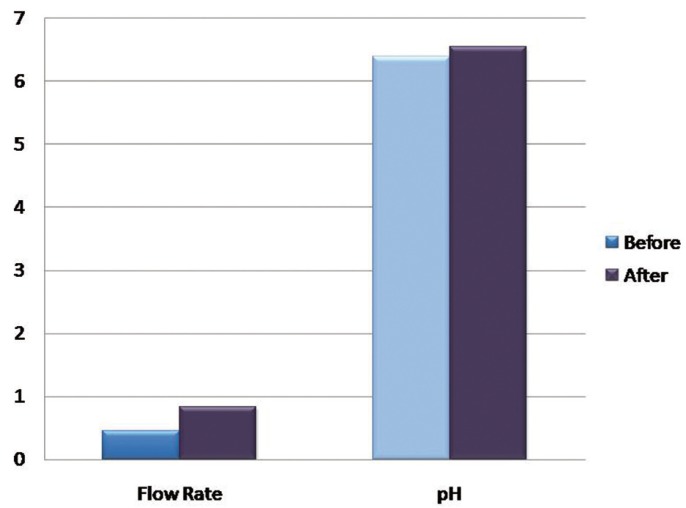
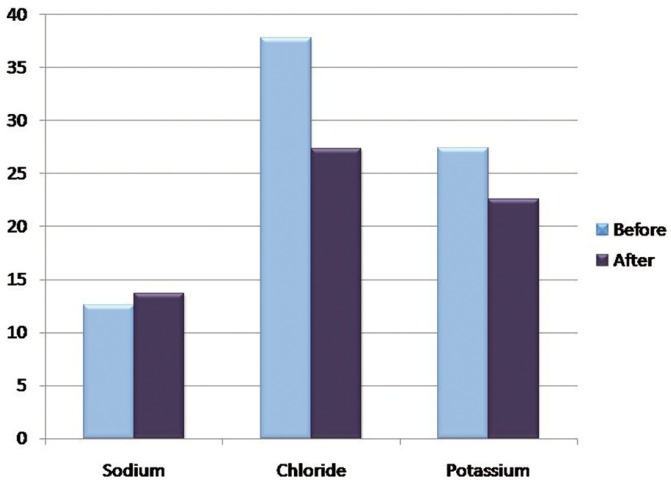
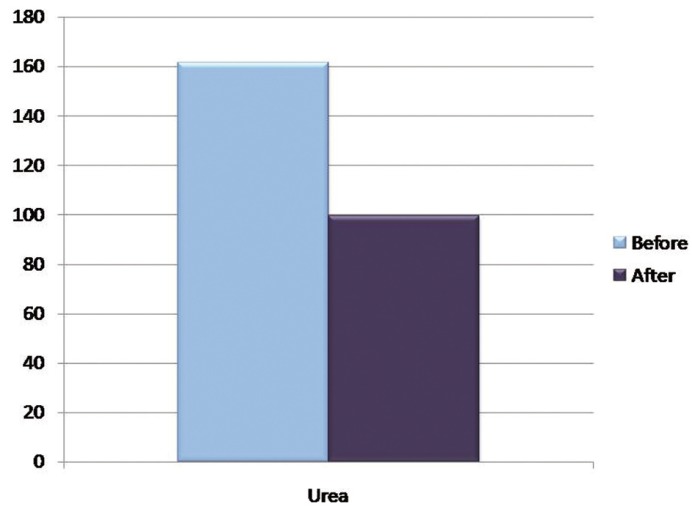
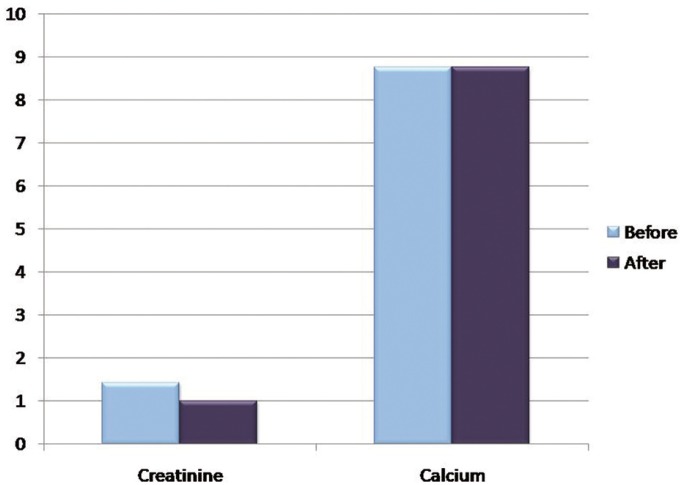
Hemodialysis had an acute stimulating effect on the salivary flow rate. The mean pH of UWS showed no significant changes before and after dialysis. The concentrations of urea, creatinine, chloride and potassium in whole saliva changed markedly before and after a hemodialysis session; whereas no significant difference was seen in the concentration of sodium and calcium.
This study shows that HD has significant acute effects on both salivary secretion and biochemical composition in saliva. We conclude that the observed changes in salivary concentrations and flow rate are mainly due to an increased watery secretion from the salivary glands and also saliva can be used as a tool for monitoring hemodialysis. Saliva, Hemodialysis, Flow rate, pH, biochemical constituents.
唾液在维持口腔组织完整性方面发挥着重要作用。肾衰竭患者的口腔健康可能会受到潜在病理状况、透析治疗或唾液成分改变的负面影响。血液透析(HD)过程中会发生重大的全身变化,这可能会影响唾液的流速和生化成分。因此,本研究的目的是评估血液透析对透析疗程前后唾液流速、pH值和生化成分的影响。
根据本研究设定的纳入和排除标准,选取30例接受血液透析的肾衰竭患者。在透析疗程前后,通过吐唾法收集非刺激性全唾液(UWS)。测量唾液流速、pH值、尿素、肌酐、钠、氯、钾和钙的浓度。
血液透析对唾液流速有急性刺激作用。透析前后UWS的平均pH值无显著变化。血液透析疗程前后,全唾液中尿素、肌酐、氯和钾的浓度发生了显著变化;而钠和钙的浓度没有显著差异。
本研究表明,血液透析对唾液分泌和唾液生化成分有显著的急性影响。我们得出结论,观察到的唾液浓度和流速变化主要是由于唾液腺水样分泌增加,并且唾液可以用作监测血液透析的工具。唾液、血液透析、流速、pH值、生化成分