Department of Research and Development, Faculty of Medicine Siriraj Hospital, Mahidol University, Bangkok, 10700, Thailand.
Center of Research Excellence on Therapeutic Proteins and Antibody Engineering, Faculty of Medicine Siriraj Hospital, Mahidol University, Bangkok, 10700, Thailand.
Sci Rep. 2018 Jan 11;8(1):484. doi: 10.1038/s41598-017-18759-z.
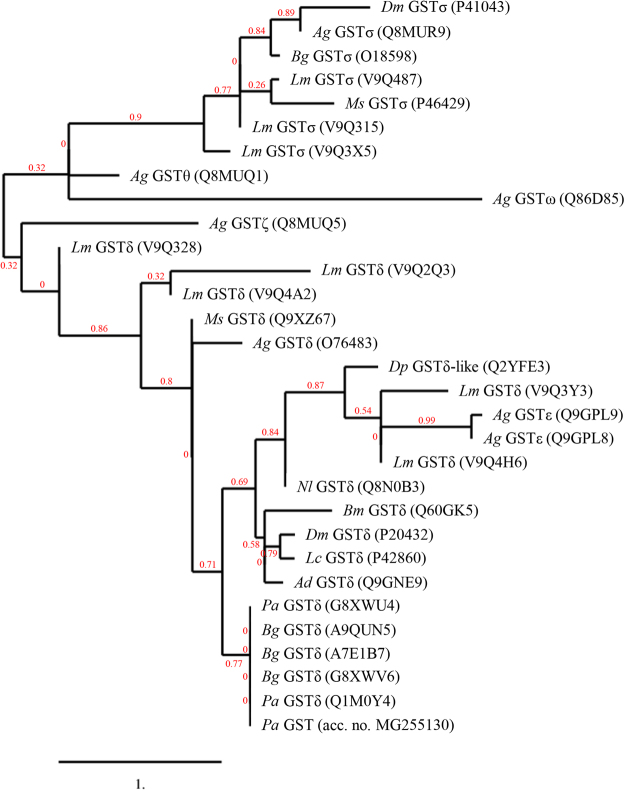
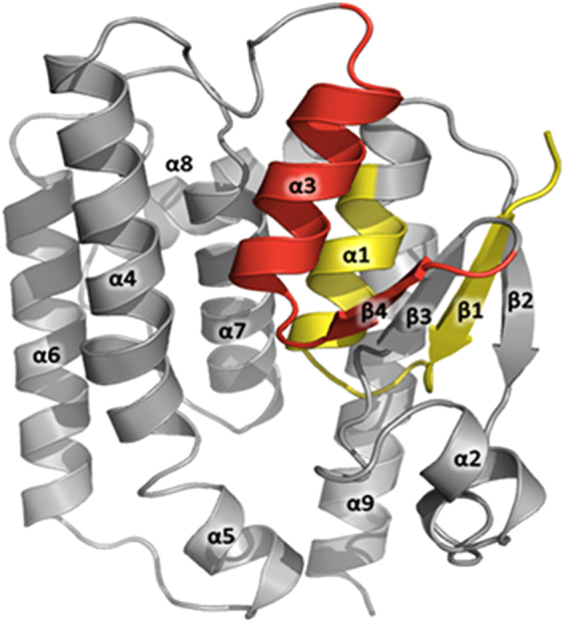
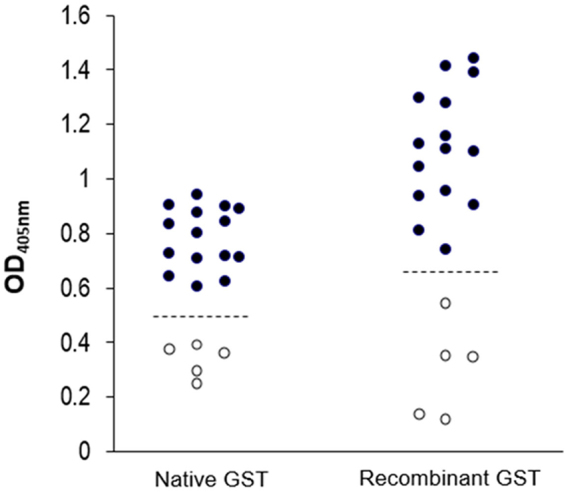
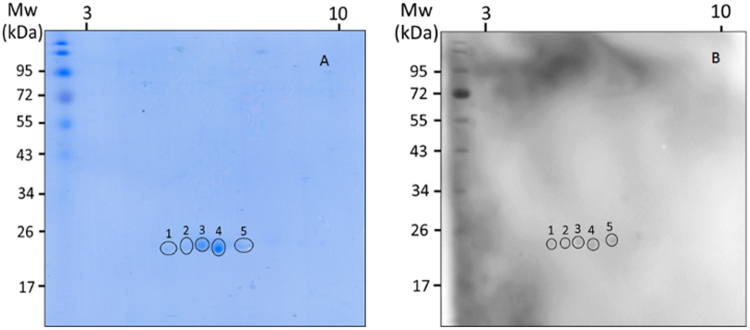
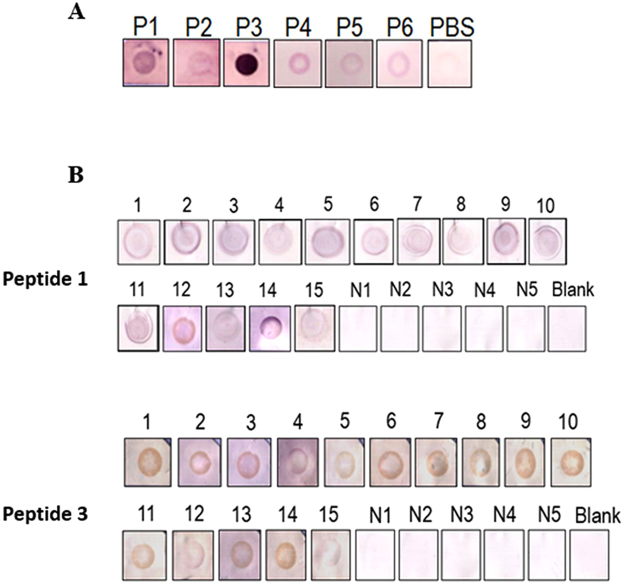
Insect glutathione S-transferases (GSTs) play important roles in insecticide/drug resistance and stress response. Medically, GSTs of house dust mites (Dermatophagoides pteronyssinus and Blomia tropicalis) and German cockroach (Blattella germanica) are human allergens. In this study, classes, isoforms and B-cell and allergenic epitopes of GST of American cockroach, Periplaneta americana, the predominant species in the tropics and subtropics were investigated for the first time. Enzymatically active native and recombinant P. americana-GSTs bound to IgE in sera of all P. americana allergic patients that were tested. By gel-based proteomics and multiple sequence alignments, the native GST comprises three isoforms of delta and sigma classes. All isoforms interacted with serum IgE of the cockroach allergic subjects. Molecularly, the protein contains six B-cell epitopes; two epitopes located at β1-α1 and β4-α3 regions bound to patients' serum IgE, indicating that they are allergenic. P. americana are ubiquitous and their GST can sensitize humans to allergic diseases; thus, the protein should be included in the allergen array for component resolved diagnosis (CRD) of allergic patients, either by skin prick test or specific IgE determination. The GST is suitable also as a target of environmental allergen detection and quantification for intervention of cockroach sensitization and allergic morbidity.
昆虫谷胱甘肽 S-转移酶(GSTs)在昆虫抗药性和应激反应中发挥重要作用。医学上,屋尘螨(Dermatophagoides pteronyssinus 和 Blomia tropicalis)和德国蟑螂(Blattella germanica)的 GST 是人类过敏原。本研究首次对热带和亚热带地区主要物种美洲大蠊(Periplaneta americana)的 GST 进行了分类、同工酶、B 细胞表位和过敏原表位的研究。在所有接受测试的美洲大蠊过敏患者的血清中,具有酶活性的天然和重组 P. americana-GST 与 IgE 结合。通过凝胶基蛋白质组学和多重序列比对,天然 GST 由 delta 和 sigma 类的三个同工酶组成。所有同工酶均与蟑螂过敏患者的血清 IgE 相互作用。从分子水平上看,该蛋白含有 6 个 B 细胞表位;位于β1-α1 和β4-α3 区域的两个表位与患者血清 IgE 结合,表明它们是过敏原。美洲大蠊无处不在,其 GST 可使人类易患过敏疾病;因此,该蛋白应包含在过敏患者的过敏原阵列中,用于过敏患者的成分分辨诊断(CRD),无论是通过皮肤点刺试验还是特异性 IgE 测定。该 GST 也适合作为环境过敏原检测和定量的靶标,用于干预蟑螂致敏和过敏发病率。