Center for Biomedical Research, The Queen's Medical Center, Honolulu, HI, 96813, USA.
Department of Chemistry, University of Hawaii, Honolulu, HI, 96822, USA.
Sci Rep. 2018 Jan 18;8(1):1075. doi: 10.1038/s41598-017-18996-2.
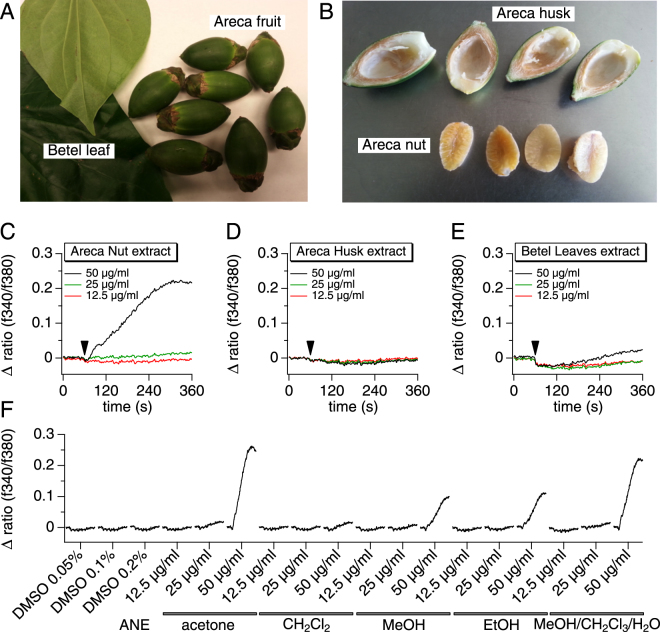
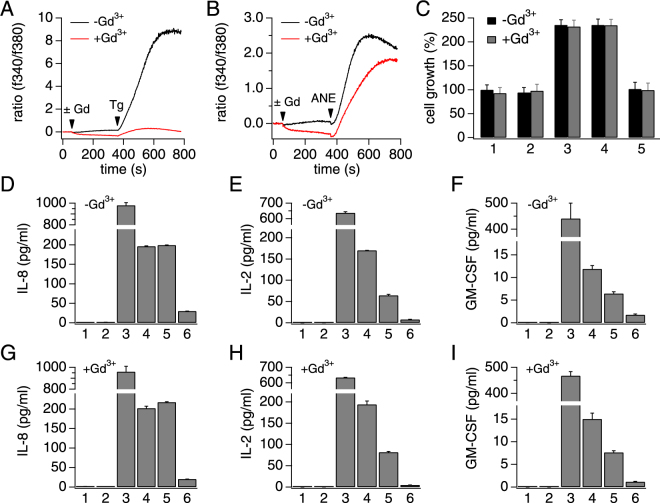
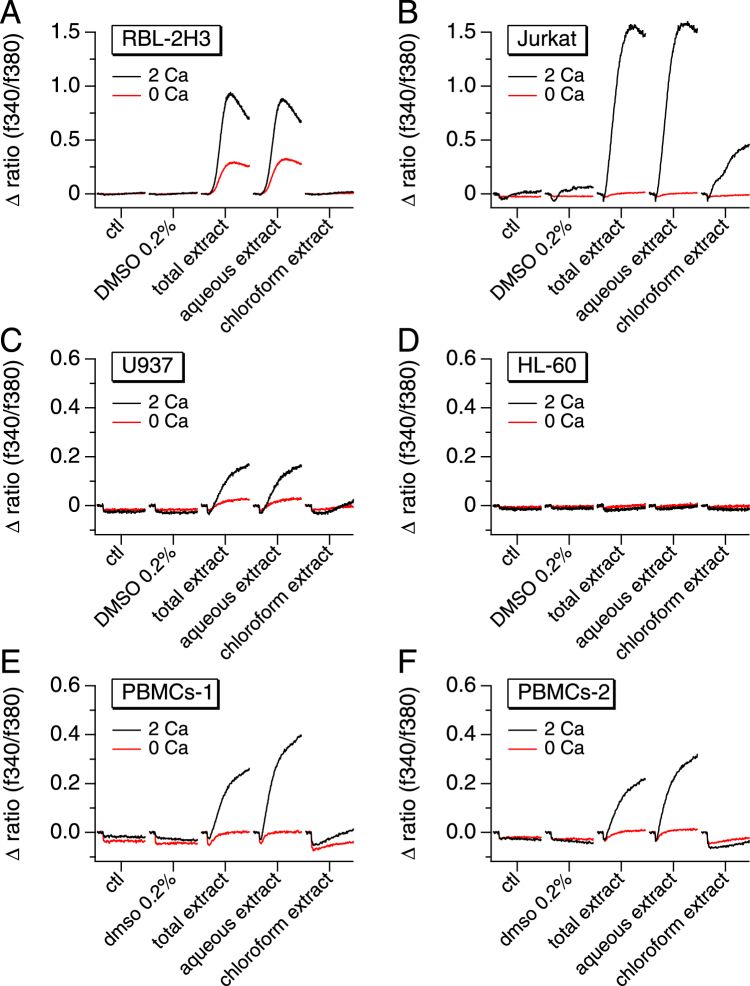
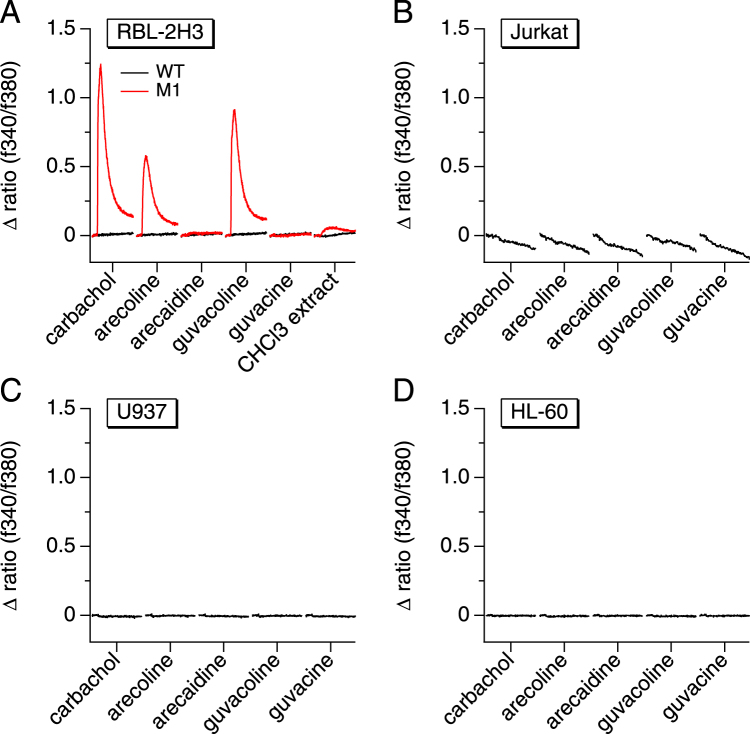
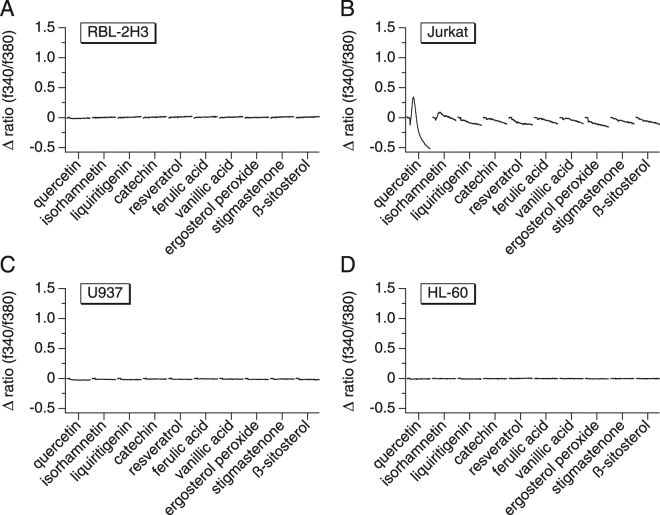
Betel nut consumption has significant implications for the public health globally, as the wide-spread habit of Areca chewing throughout Asia and the Pacific is associated with a high prevalence of oral carcinoma and other diseases. Despite a clear causal association of betel nut chewing and oral mucosal diseases, the biological mechanisms that link Areca nut-contained molecules, inflammation and cancer remain underexplored. In this study we show that the whole Areca nut extract (ANE) is capable of mobilizing Ca in various immune cell lines. Interestingly, none of the four major alkaloids or a range of other known constituents of Areca nut were able to induce such Ca signals, suggesting that the active components might represent novel or so far unappreciated chemical structures. The separation of ANE into aqueous and organic fractions has further revealed that the calcium-mobilizing molecules are exclusively present in the aqueous extract. In addition, we found that these calcium signals are associated with the activation of several immune cell lines as shown by the release of pro-inflammatory cytokines and increased cell proliferation. These results indicate that calcium-mobilizing molecules present in the aqueous fraction of the Areca nut may critically contribute to the inflammatory disorders affecting betel nut chewers.
槟榔果的消费对全球公共健康有着重大影响,因为亚洲和太平洋地区广泛存在的咀嚼槟榔习惯与口腔癌和其他疾病的高发率有关。尽管槟榔咀嚼与口腔黏膜疾病之间存在明确的因果关系,但将槟榔果中含有的分子、炎症和癌症联系起来的生物学机制仍未得到充分探索。在这项研究中,我们表明,整个槟榔果提取物(ANE)能够动员各种免疫细胞系中的钙。有趣的是,槟榔果中的四种主要生物碱或一系列其他已知成分都不能诱导这种钙信号,这表明活性成分可能代表新的或迄今为止尚未被认识的化学结构。ANE 被分离成水相和有机相,进一步表明,钙动员分子仅存在于水相提取物中。此外,我们发现这些钙信号与几种免疫细胞系的激活有关,表现为促炎细胞因子的释放和细胞增殖的增加。这些结果表明,槟榔果水相提取物中存在的钙动员分子可能是导致咀嚼槟榔者出现炎症紊乱的关键因素。