Department of the Psychology of Language, Max-Planck-Institute for Psycholinguistics, Nijmegen 6500AH, The Netherlands.
Cognitive Neuroscience Laboratory, School of Psychology, Social Work and Social Policy, University of South Australia, Adelaide SA 5001, Australia.
eNeuro. 2017 Dec 8;4(6). doi: 10.1523/ENEURO.0311-16.2017. eCollection 2017 Nov-Dec.
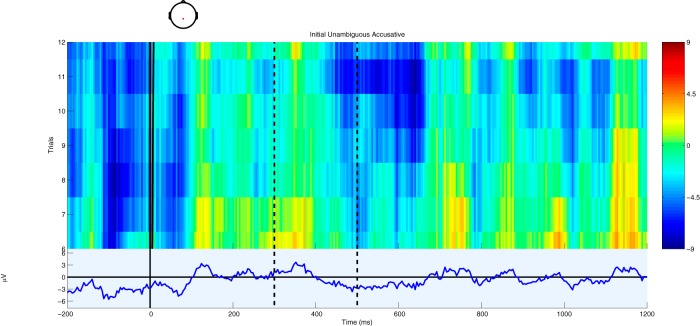
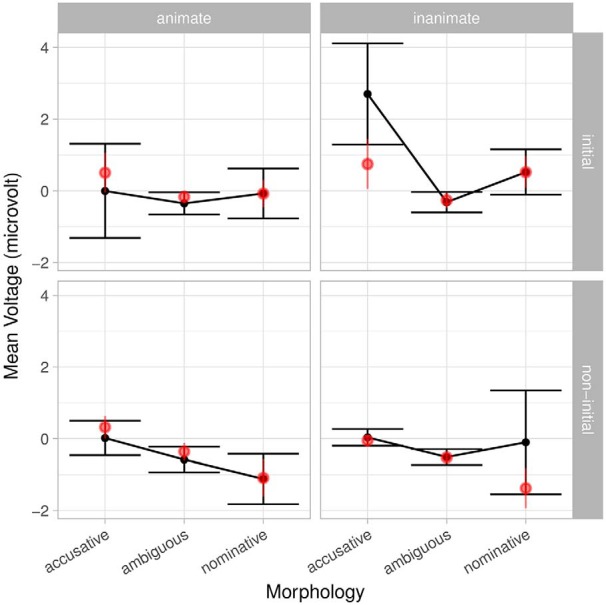
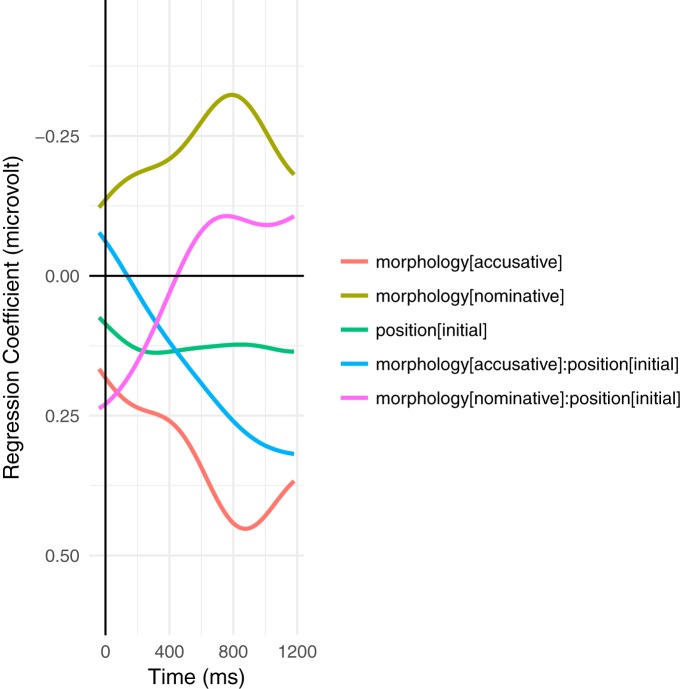
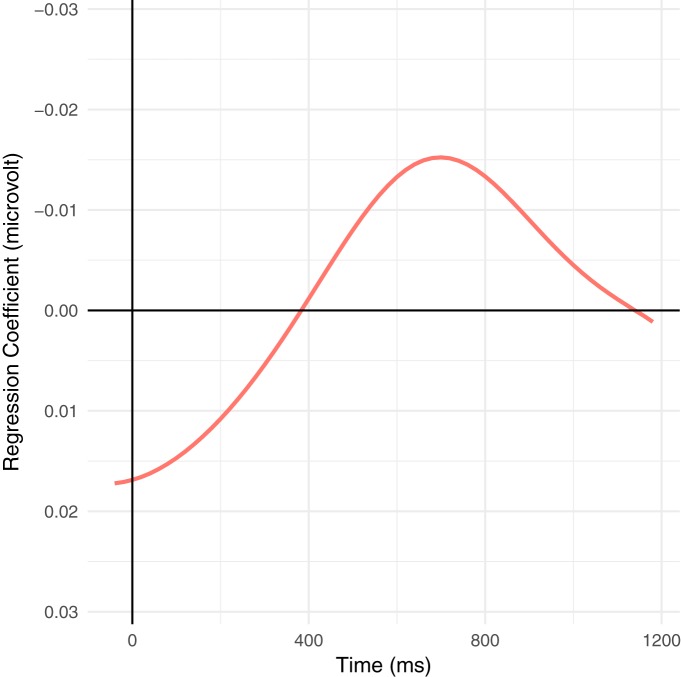
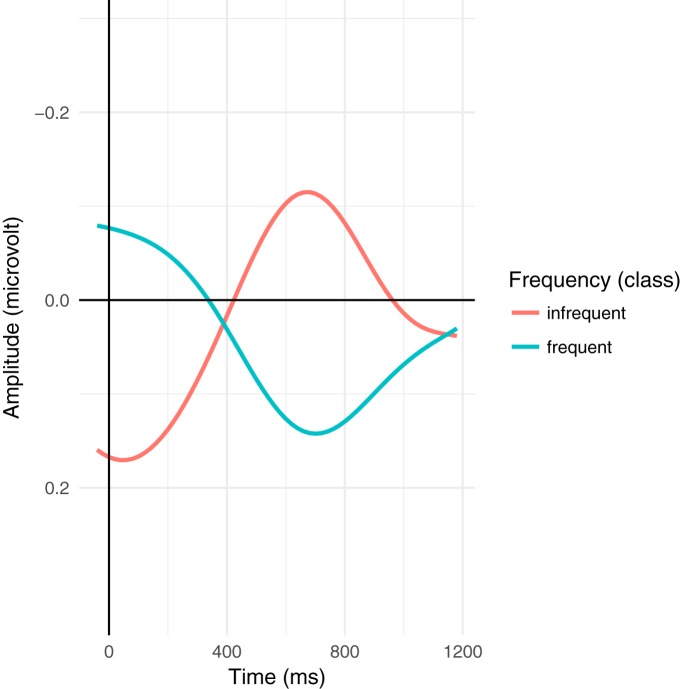
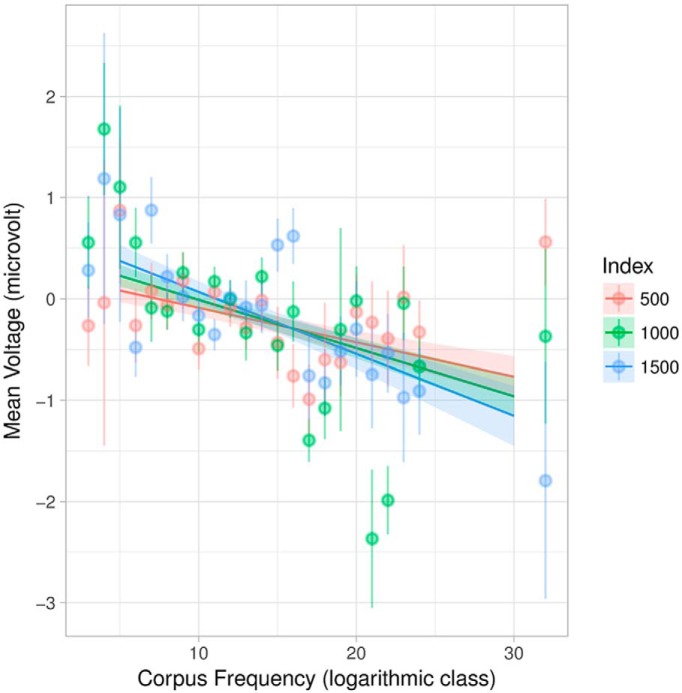
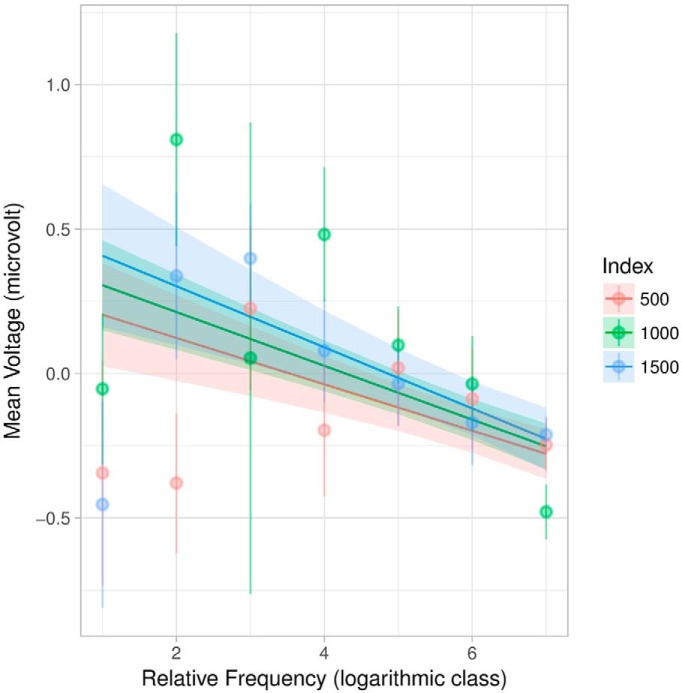
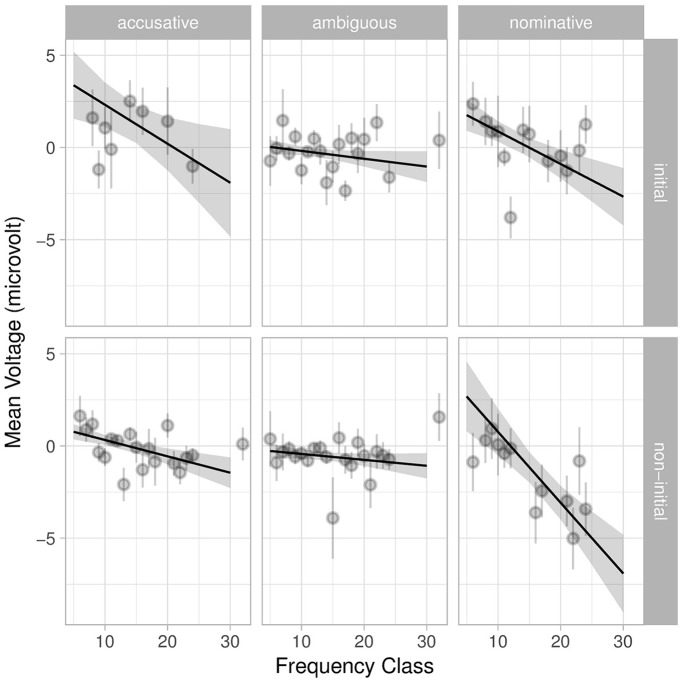
The recent trend away from ANOVA-based analyses places experimental investigations into the neurobiology of cognition in more naturalistic and ecologically valid designs within reach. Using mixed-effects models for epoch-based regression, we demonstrate the feasibility of examining event-related potentials (ERPs), and in particular the N400, to study the neural dynamics of human auditory language processing in a naturalistic setting. Despite the large variability between trials during naturalistic stimulation, we replicated previous findings from the literature: the effects of frequency, animacy, and word order and find previously unexplored interaction effects. This suggests a new perspective on ERPs, namely, as a continuous modulation reflecting continuous stimulation instead of a series of discrete and essentially sequential processes locked to discrete events.
最近,基于方差分析的分析方法逐渐减少,这使得认知神经生物学的实验研究更倾向于采用自然和生态有效的设计。我们使用基于混合效应模型的时程回归,展示了在自然环境中检查事件相关电位(ERPs),特别是 N400,以研究人类听觉语言处理的神经动力学的可行性。尽管在自然刺激期间试验之间的可变性很大,但我们复制了文献中的先前发现:频率、生物性和词序的影响,并发现了以前未探索的相互作用效应。这表明 ERPs 有了新的视角,即作为一种连续的调制,反映连续的刺激,而不是一系列离散的、本质上是顺序的过程,锁定在离散事件上。