Free Radical Biology Group, Immunity, Inflammation, and Disease Laboratory, NIEHS, NIH, Research Triangle Park, Durham, NC 27709, USA.
Mammalian Genome Group, Genome Integrity & Structural Biology Laboratory, NIEHS, NIH, Research Triangle Park, Durham, NC 27709, USA.
Cell Chem Biol. 2018 Apr 19;25(4):413-425.e6. doi: 10.1016/j.chembiol.2018.01.007.
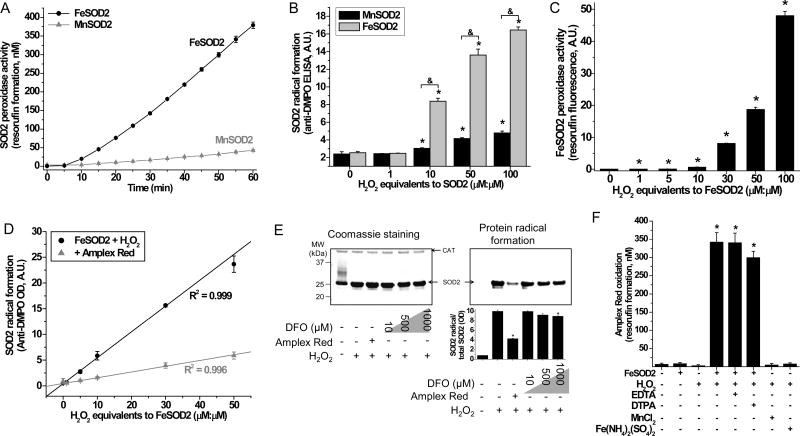
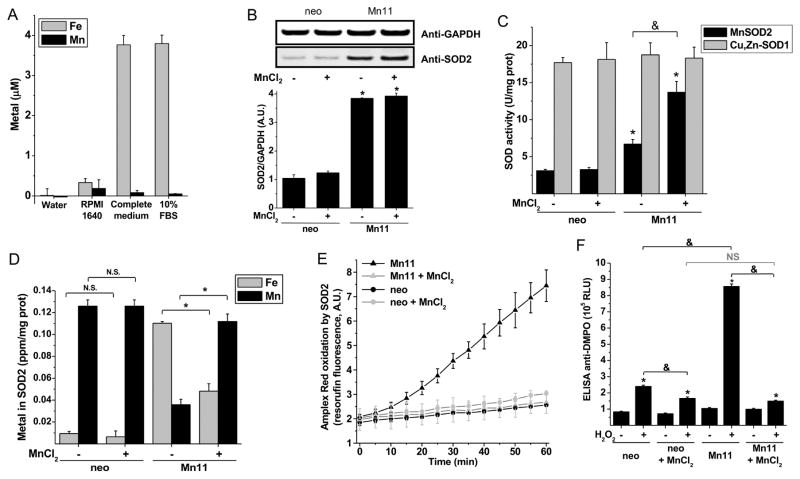
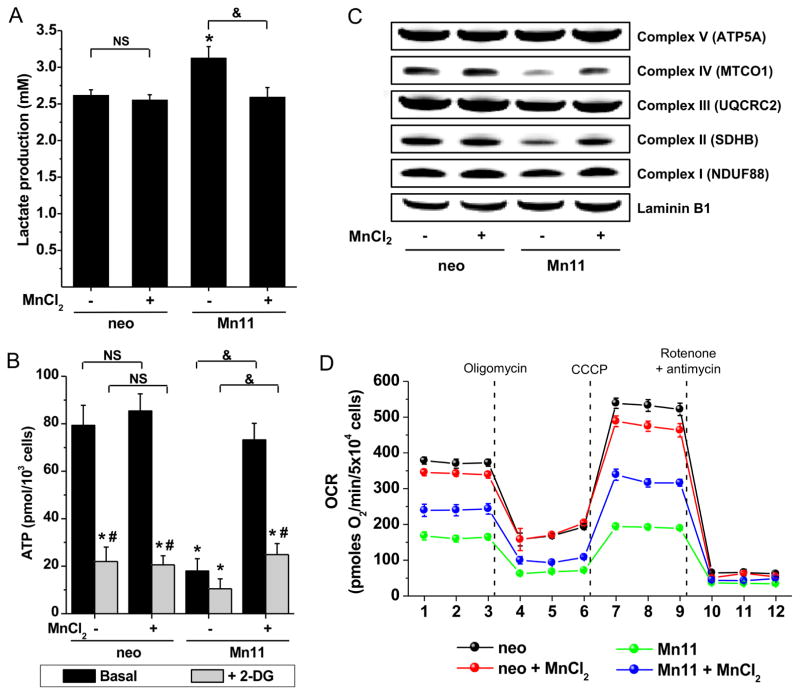
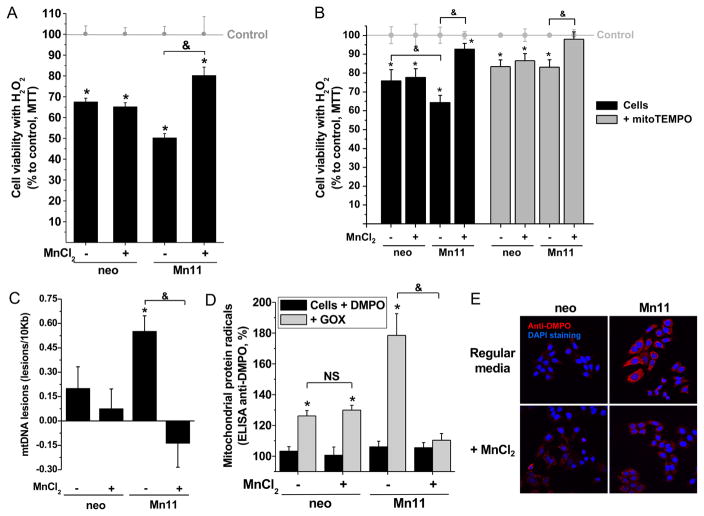
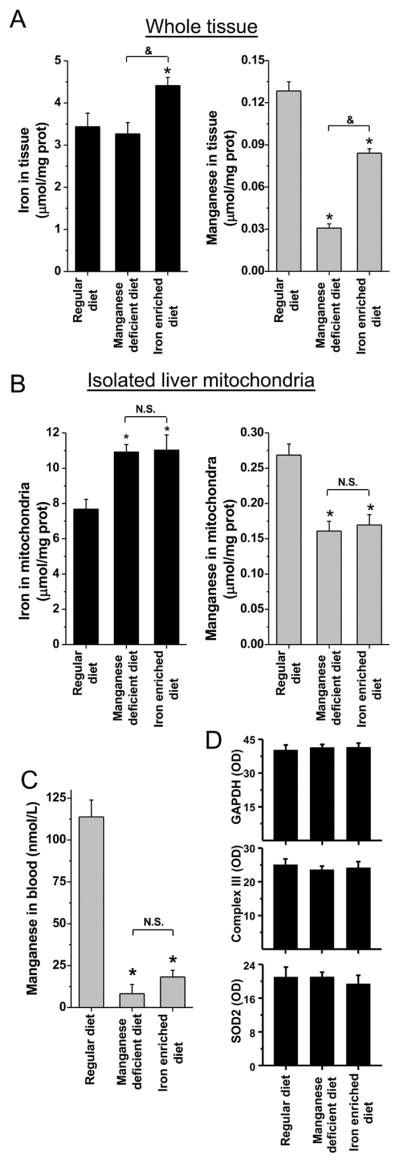
Superoxide radical anion (O) and other reactive oxygen species are constantly produced during respiration. In mitochondria, the dismutation of O is accelerated by the mitochondrial superoxide dismutase 2 (SOD2), an enzyme that has been traditionally associated with antioxidant protection. However, increases in SOD2 expression promote oxidative stress, indicating that there may be a prooxidant role for SOD2. Here we show that SOD2, which normally binds manganese, can incorporate iron and generate an alternative isoform with peroxidase activity. The switch from manganese to iron allows FeSOD2 to utilize HO to promote oxidative stress. We found that FeSOD2 is formed in cultured cells and in vivo. FeSOD2 causes mitochondrial dysfunction and higher levels of oxidative stress in cultured cells and in vivo. We show that formation of FeSOD2 converts an antioxidant defense into a prooxidant peroxidase that leads to cellular changes seen in multiple human diseases.
超氧阴离子自由基(O)和其他活性氧物种在呼吸过程中不断产生。在线粒体中,线粒体超氧化物歧化酶 2(SOD2)加速了 O 的歧化,该酶传统上与抗氧化保护有关。然而,SOD2 表达的增加会促进氧化应激,表明 SOD2 可能具有促氧化剂作用。在这里,我们表明,通常结合锰的 SOD2 可以结合铁并生成具有过氧化物酶活性的替代同工酶。从锰到铁的转变使 FeSOD2 能够利用 HO 促进氧化应激。我们发现 FeSOD2 在培养的细胞中和体内形成。FeSOD2 在培养的细胞和体内引起线粒体功能障碍和更高水平的氧化应激。我们表明,FeSOD2 的形成将抗氧化防御转化为一种促氧化剂过氧化物酶,导致多种人类疾病中观察到的细胞变化。