Bowman Steven, Awad Mohamed E, Hamrick Mark W, Hunter Monte, Fulzele Sadanand
Department of Orthopedics, Augusta University, 30904, Augusta, Georgia.
Department of Oral Biology, Augusta University, Augusta, Georgia.
Clin Transl Med. 2018 Feb 16;7(1):6. doi: 10.1186/s40169-017-0180-3.
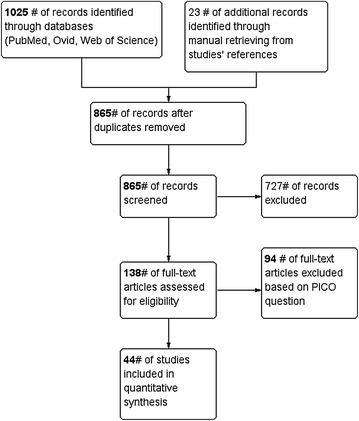
Osteoarthritis is a debilitating disease that has increased in prevalence across the world due to the aging population. Currently, physicians use a plethora of treatment strategies to try and slow down the progression of the disease, but none have been shown to ubiquitously treat and cure the disease. One of the strategies uses the high molecular weight molecule hyaluronic acid as either an injectable or oral supplement for treatment. Hyaluronic acid (HA) is a relatively new treatment that has shown varied results through several clinical trials. It can be used as a scaffold for engineering new treatments and several new preparations have just been added to the market. A comprehensive search was conducted through several search databases according our inclusion and exclusion criteria. This review included 44 prospective clinical trial investigating the feasibility and efficacy of HA injection for knee, hip, and ankle osteoarthritis. This review will take a closer look at hyaluronic acid and its properties, as well clinical effectiveness and future options.
骨关节炎是一种使人衰弱的疾病,由于人口老龄化,其在全球的患病率不断上升。目前,医生使用大量治疗策略试图减缓疾病的进展,但尚无一种策略被证明能普遍治疗和治愈该疾病。其中一种策略是使用高分子量分子透明质酸作为注射剂或口服补充剂进行治疗。透明质酸(HA)是一种相对较新的治疗方法,通过多项临床试验显示出不同的结果。它可用作设计新治疗方法的支架,并且几种新制剂刚刚投放市场。根据我们的纳入和排除标准,通过多个搜索数据库进行了全面搜索。本综述纳入了44项前瞻性临床试验,这些试验研究了透明质酸注射治疗膝关节、髋关节和踝关节骨关节炎的可行性和有效性。本综述将更深入地探讨透明质酸及其特性,以及临床疗效和未来的选择。