Institute of Systems Biology, Universiti Kebangsaan Malaysia, 43600, Bangi, Selangor, Malaysia.
Laboratory of Natural Products Chemistry, Faculty of Pharmacy, Universitas Halu Oleo, 93232, Kendari, Southeast Sulawesi, Indonesia.
Sci Rep. 2018 Mar 9;8(1):4202. doi: 10.1038/s41598-018-22485-5.
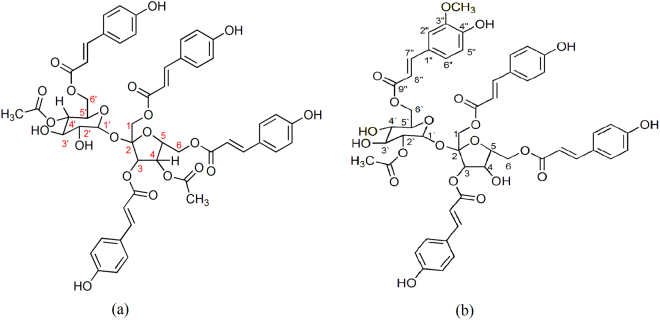
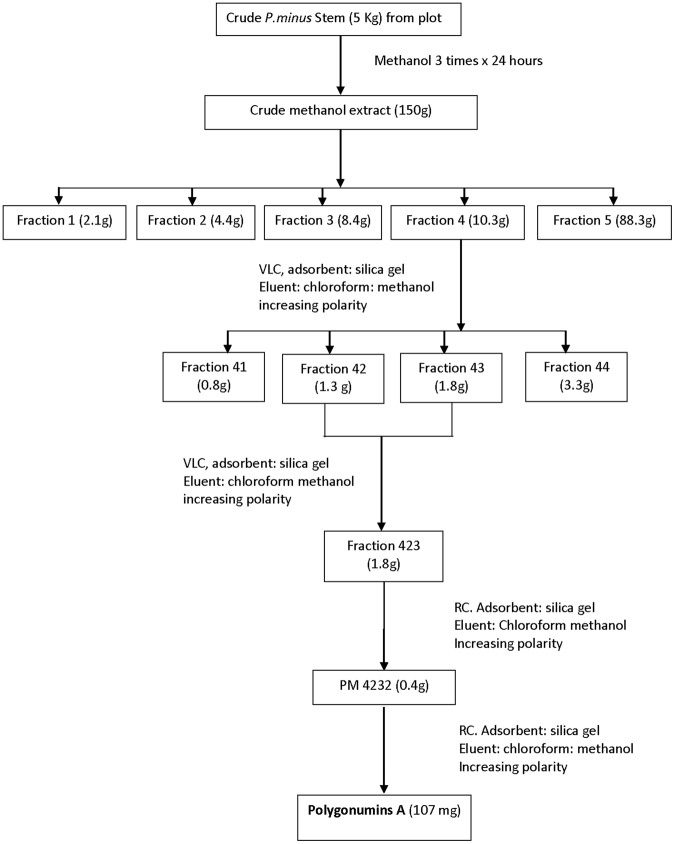
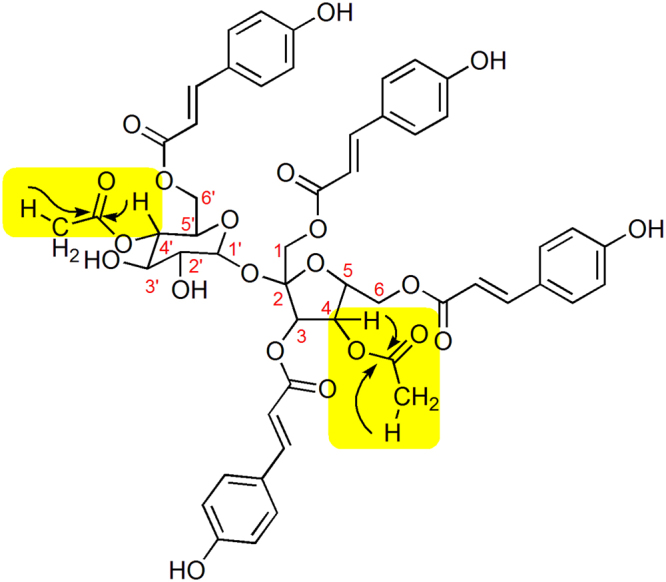
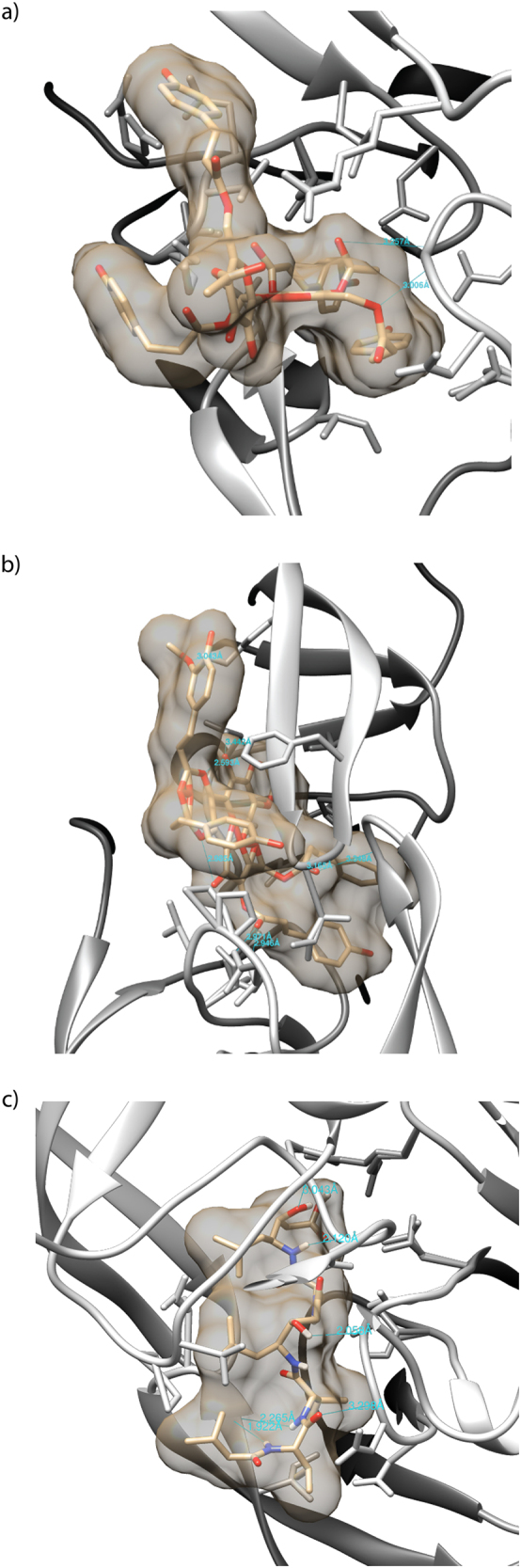
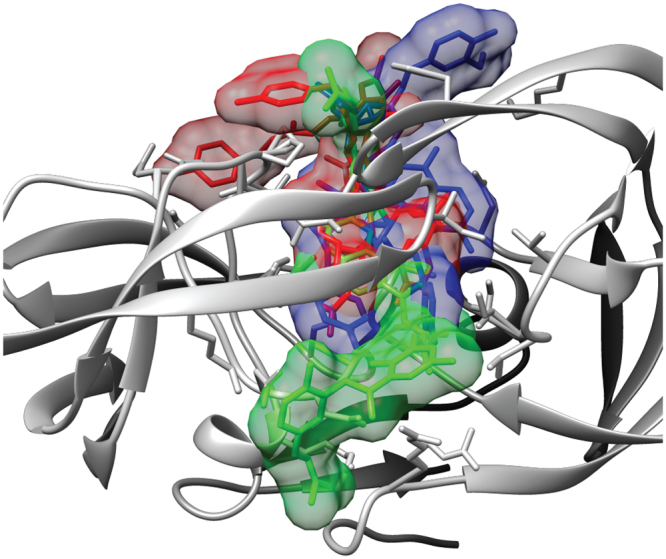
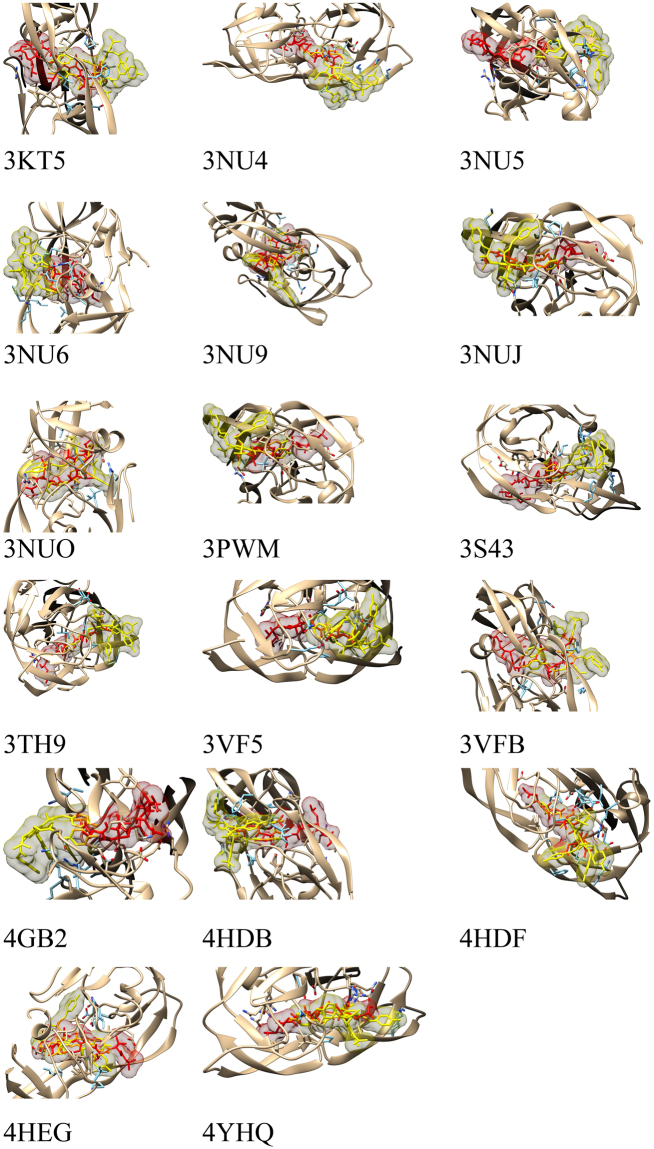
Polygonumins A, a new compound, was isolated from the stem of Polygonum minus. Based on NMR results, the compound's structure is identical to that of vanicoside A, comprising four phenylpropanoid ester units and a sucrose unit. The structure differences were located at C-3″″'. The cytotoxic activity of polygonumins A was evaluated on several cancer cell lines by a cell viability assay using tetrazolium dye 3-(4,5-dimethylthiazol-2-yl)-2,5-diphenyltetrazolium bromide (MTT). The compound showed the highest antiproliferative (p < 0.05) activities against K562 (Human Leukaemia Cell Line), MCF7 (Human breast adenocarcinoma cell line), and HCT116 (Colorectal cancer cells) cells. Cytotoxic studies against V79-4 cells were carried out and showed that polygonumins A was toxic at 50 µg/ml, suggesting that this compound may be used as an anticancer drug without affecting normal cells. Polygonumins A also showed promising activity as an HIV-1 protease inhibitor with 56% relative inhibition. Molecular docking results indicated that the compound possesses high binding affinity towards the HIV protease over the low binding free energy range of -10.5 to -11.3 kcal/mol. P. minus is used in Malaysian traditional medicine for the treatment of tumour cells. This is the first report on the use of P. minus as an HIV-1 protease inhibitor.
从 Polygonum minus 的茎中分离得到一种新化合物 Polygonumins A。根据 NMR 结果,该化合物的结构与 vanicoside A 完全相同,由四个苯丙烷酯单元和一个蔗糖单元组成。结构差异位于 C-3″″'。通过使用四唑染料 3-(4,5-二甲基噻唑-2-基)-2,5-二苯基四氮唑溴盐(MTT)的细胞活力测定法,评估了 polygonumins A 在几种癌细胞系中的细胞毒性活性。该化合物对 K562(人白血病细胞系)、MCF7(人乳腺癌腺癌细胞系)和 HCT116(结肠癌细胞)细胞显示出最高的抗增殖活性(p<0.05)。对 V79-4 细胞进行的细胞毒性研究表明,polygonumins A 在 50μg/ml 时具有毒性,这表明该化合物可作为抗癌药物使用而不会影响正常细胞。Polygonumins A 还表现出作为 HIV-1 蛋白酶抑制剂的良好活性,相对抑制率为 56%。分子对接结果表明,该化合物对 HIV 蛋白酶具有高结合亲和力,结合自由能范围为-10.5 至-11.3 kcal/mol。马来西亚传统医学中使用 P. minus 治疗肿瘤细胞。这是首次报道 P. minus 用作 HIV-1 蛋白酶抑制剂。