Program in Cellular, Molecular and Microbial Biology, Division of Biological Sciences, University of Montana, Missoula, MT, USA.
Biology Department and Center for Life in Extreme Environments, Portland State University, Portland, OR, USA.
BMC Genomics. 2018 Apr 11;19(1):247. doi: 10.1186/s12864-018-4608-y.
Coxiella burnetii is a Gram-negative gammaproteobacterium and zoonotic agent of Q fever. C. burnetii's genome contains an abundance of pseudogenes and numerous selfish genetic elements. MITEs (miniature inverted-repeat transposable elements) are non-autonomous transposons that occur in all domains of life and are thought to be insertion sequences (ISs) that have lost their transposase function. Like most transposable elements (TEs), MITEs are thought to play an active role in evolution by altering gene function and expression through insertion and deletion activities. However, information regarding bacterial MITEs is limited.
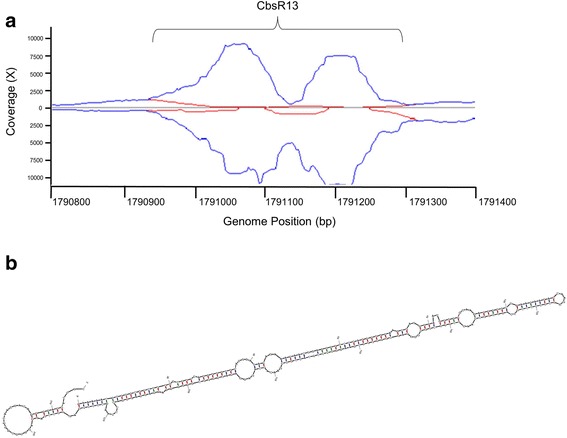
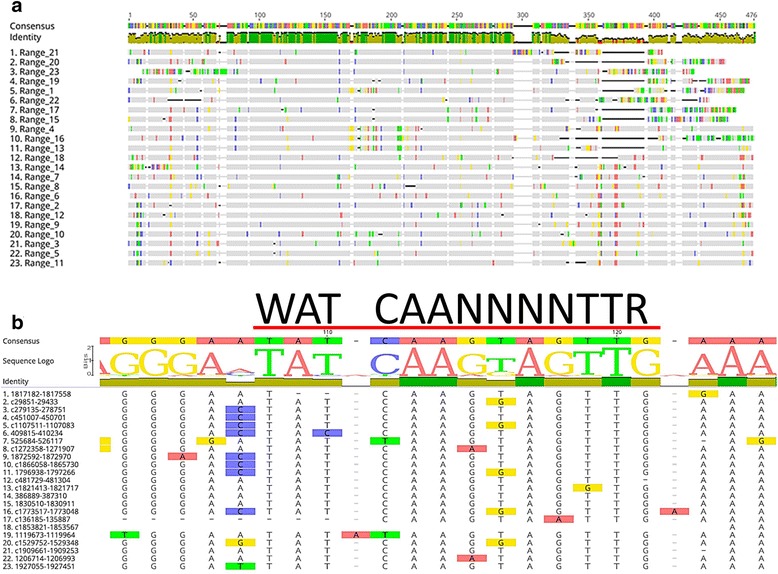
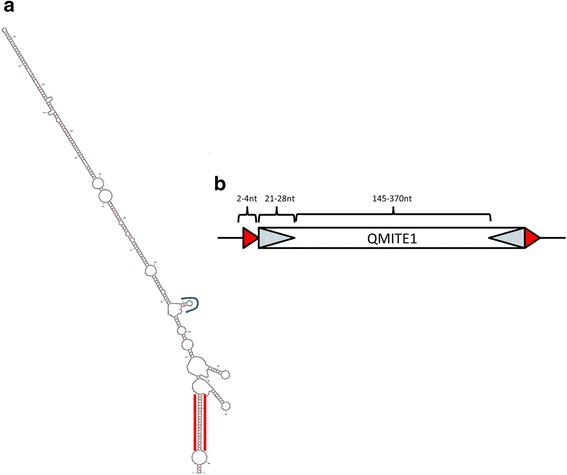
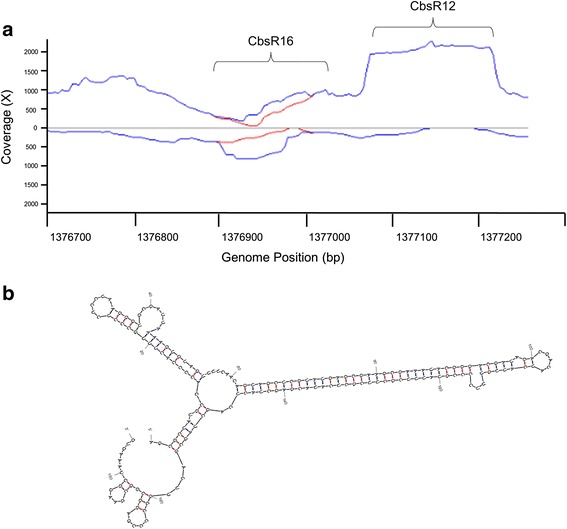
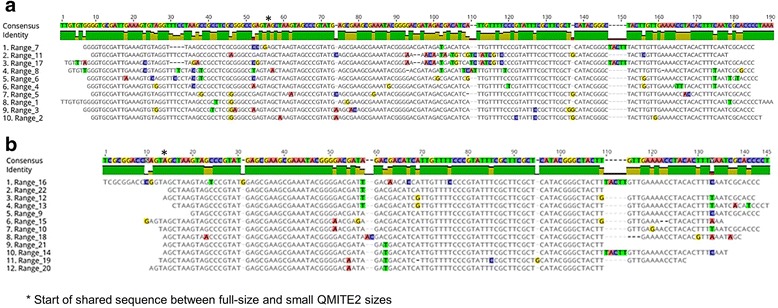
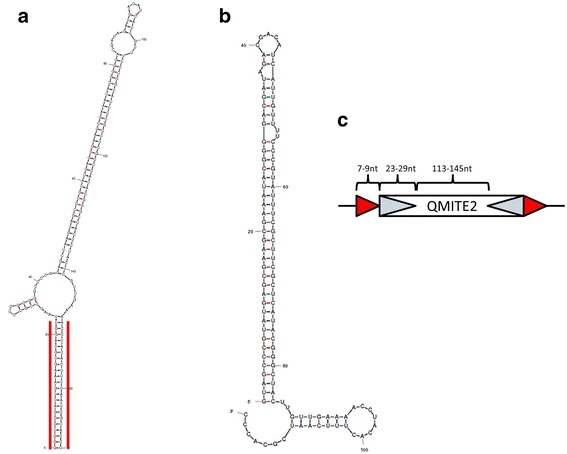
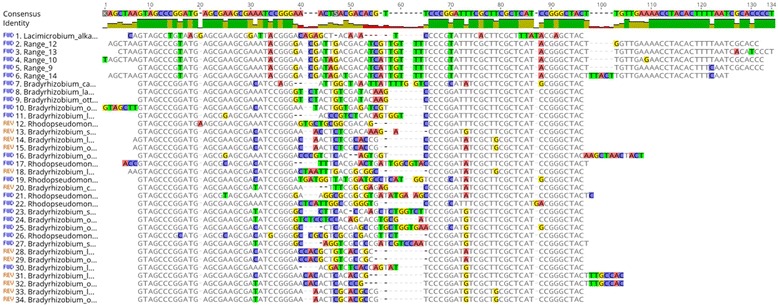
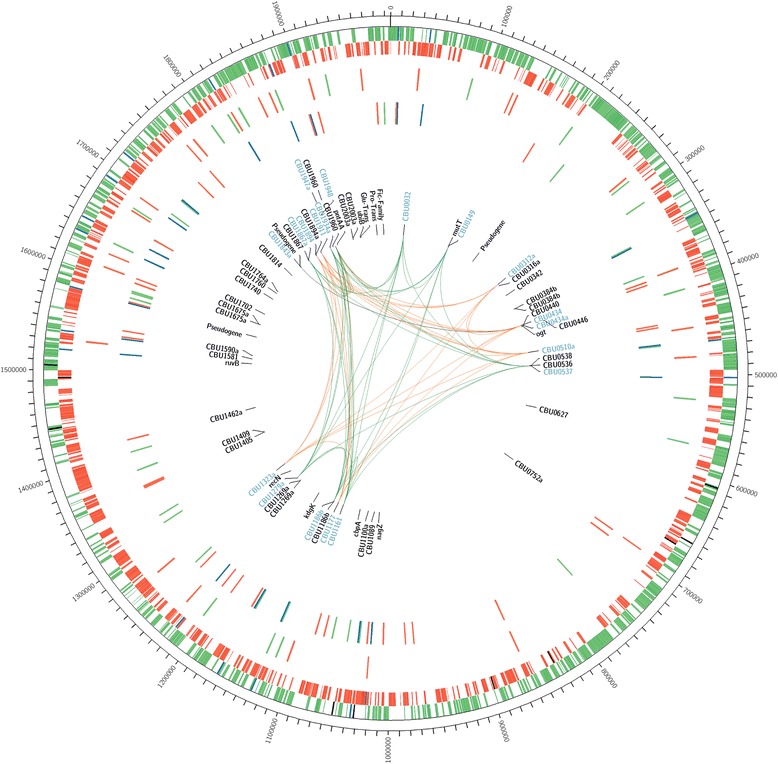
We describe two MITE families discovered during research on small non-coding RNAs (sRNAs) of C. burnetii. Two sRNAs, Cbsr3 and Cbsr13, were found to originate from a novel MITE family, termed QMITE1. Another sRNA, CbsR16, was found to originate from a separate and novel MITE family, termed QMITE2. Members of each family occur ~ 50 times within the strains evaluated. QMITE1 is a typical MITE of 300-400 bp with short (2-3 nt) direct repeats (DRs) of variable sequence and is often found overlapping annotated open reading frames (ORFs). Additionally, QMITE1 elements possess sigma-70 promoters and are transcriptionally active at several loci, potentially influencing expression of nearby genes. QMITE2 is smaller (150-190 bps), but has longer (7-11 nt) DRs of variable sequences and is mainly found in the 3' untranslated region of annotated ORFs and intergenic regions. QMITE2 contains a GTAG repetitive extragenic palindrome (REP) that serves as a target for IS1111 TE insertion. Both QMITE1 and QMITE2 display inter-strain linkage and sequence conservation, suggesting that they are adaptive and existed before divergence of C. burnetii strains.
We have discovered two novel MITE families of C. burnetii. Our finding that MITEs serve as a source for sRNAs is novel. QMITE2 has a unique structure and occurs in large or small versions with unique DRs that display linkage and sequence conservation between strains, allowing for tracking of genomic rearrangements. QMITE1 and QMITE2 copies are hypothesized to influence expression of neighboring genes involved in DNA repair and virulence through transcriptional interference and ribonuclease processing.
柯克斯体是革兰氏阴性γ-变形菌,也是 Q 热的动物病原体。柯克斯体基因组中含有大量的假基因和许多自私的遗传元件。MITEs(微型倒置重复转座元件)是非自主转座子,存在于所有生命领域,被认为是失去转座酶功能的插入序列(IS)。与大多数转座元件(TEs)一样,MITEs 被认为通过插入和缺失活动改变基因功能和表达,在进化中发挥着积极的作用。然而,关于细菌 MITEs 的信息是有限的。
我们描述了在研究柯克斯体小非编码 RNA(sRNA)时发现的两个 MITE 家族。两个 sRNA,Cbsr3 和 Cbsr13,源自一个新的 MITE 家族,称为 QMITE1。另一个 sRNA,CbsR16,源自一个单独的新 MITE 家族,称为 QMITE2。在所评估的菌株中,每个家族的成员出现约 50 次。QMITE1 是一个典型的 300-400 bp 的 MITE,具有可变序列的短(2-3 nt)直接重复(DR),通常与注释的开放阅读框(ORF)重叠。此外,QMITE1 元件具有 sigma-70 启动子,在几个基因座上具有转录活性,可能影响附近基因的表达。QMITE2 较小(150-190 bp),但具有较长(7-11 nt)的可变序列 DR,主要存在于注释 ORF 的 3'非翻译区和基因间区。QMITE2 包含 GTAG 重复外遗传回文(REP),可作为 IS1111 TE 插入的靶标。QMITE1 和 QMITE2 均显示出菌株间的连锁和序列保守性,表明它们是适应性的,并且在柯克斯体菌株分化之前就已经存在。
我们发现了两种新的柯克斯体 MITE 家族。我们发现 MITEs 是 sRNA 的来源,这是一个新的发现。QMITE2 具有独特的结构,以大或小的版本出现,具有独特的 DR,在菌株之间显示连锁和序列保守性,允许跟踪基因组重排。QMITE1 和 QMITE2 的拷贝被假设通过转录干扰和核糖核酸酶加工影响参与 DNA 修复和毒力的邻近基因的表达。