Fetz Allison E, Neeli Indira, Buddington Karyl K, Read Robert W, Smeltzer Matthew P, Radic Marko Z, Bowlin Gary L
Department of Biomedical Engineering, University of Memphis, Memphis, TN, United States.
Department of Microbiology, Immunology and Biochemistry, University of Tennessee Health Science Center, Memphis, TN, United States.
Front Pharmacol. 2018 Mar 28;9:289. doi: 10.3389/fphar.2018.00289. eCollection 2018.
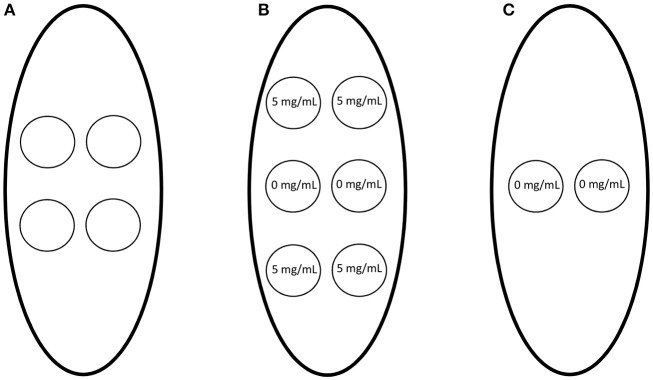
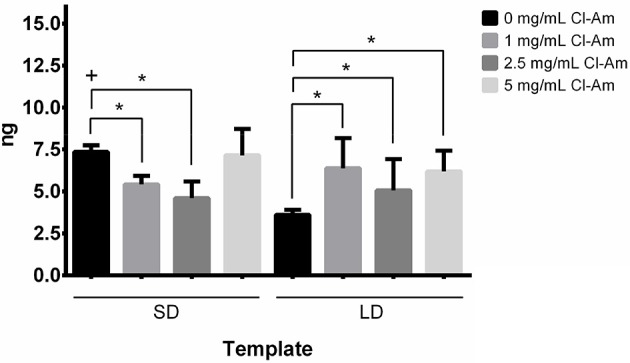
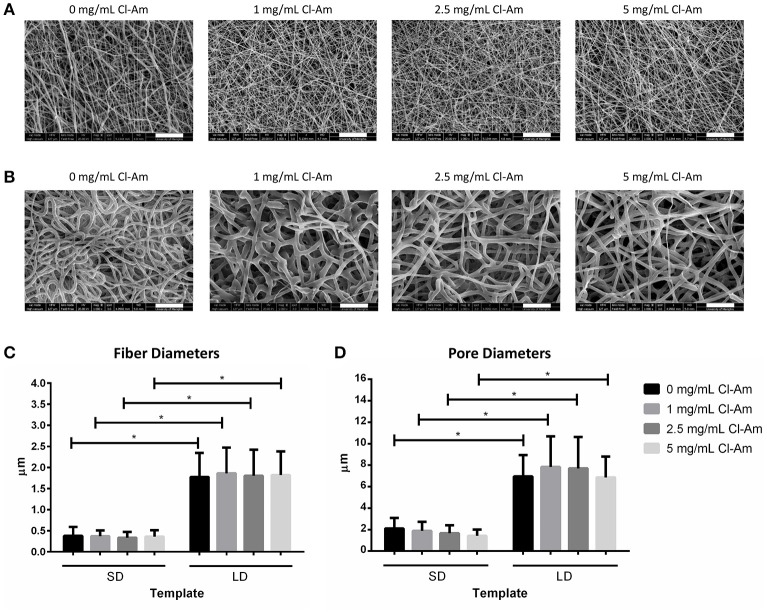
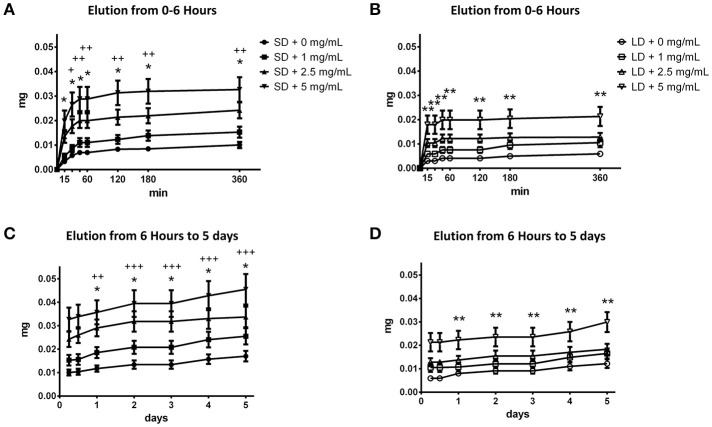
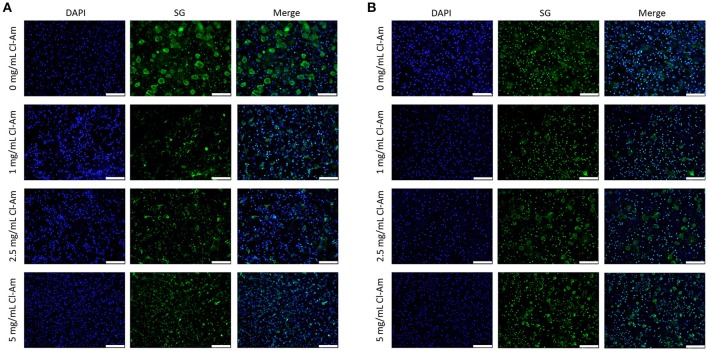
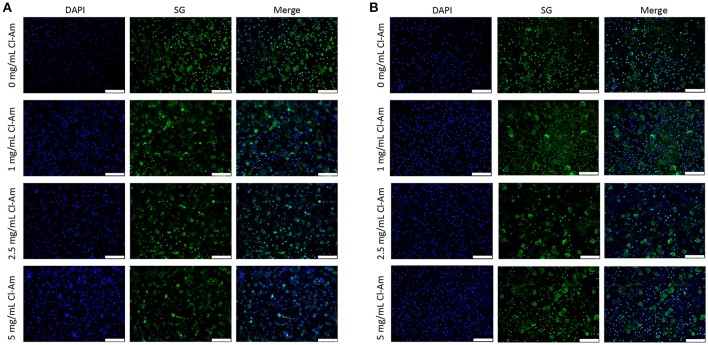
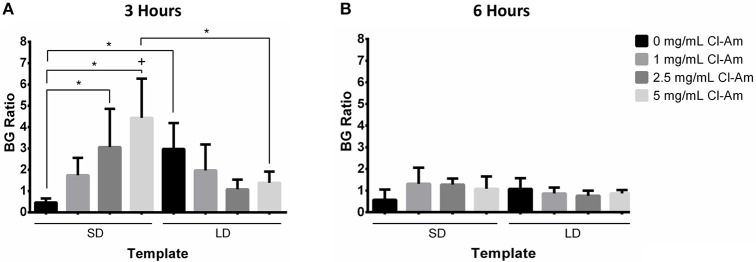
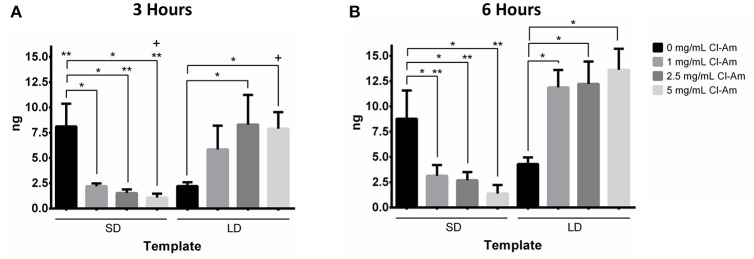
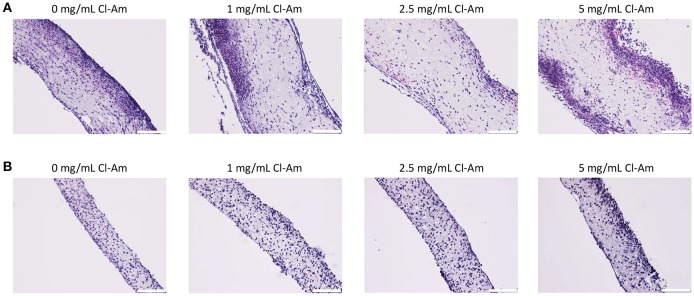
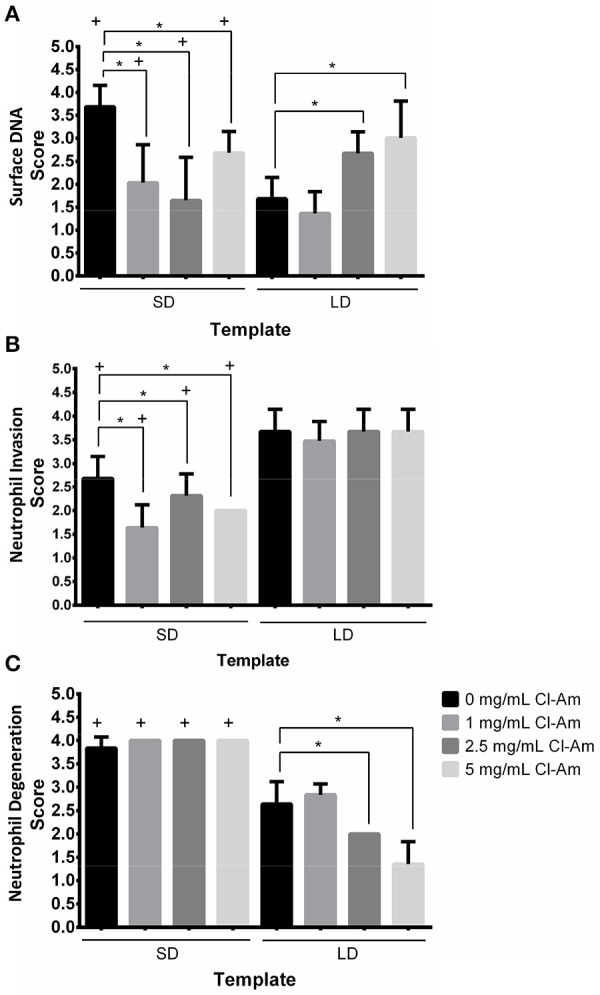
Upon interaction, neutrophils can potentially release neutrophil extracellular traps (NETs) on the surface of an implanted electrospun template, which may be a significant preconditioning event for implantable biomaterials of yet unknown consequences. In this study, we investigated the potential of polydioxanone templates as a delivery vehicle for Cl-amidine, an inhibitor of peptidyl arginase deiminase 4 (PAD4), and if drug elution could attenuate PAD4-mediated NETosis in the vicinity of implanted templates. Electrospun polydioxanone templates were fabricated with distinct architectures, small diameter (0.4 μm) or large diameter (1.8 μm) fibers, and incorporated with 0-5 mg/mL Cl-amidine to examine dose-dependent effects. Acute neutrophil-template interactions were evaluated with freshly isolated human neutrophils and with a rat subcutaneous implant model. The results suggest large diameter templates with 0 mg/mL Cl-amidine significantly attenuate NETosis compared to small diameter templates. As the drug concentration increased, NETosis was significantly decreased on small diameter templates in a dose-dependent manner. The opposite was observed for large diameter templates, indicating multiple mechanisms of NETosis may be regulating neutrophil template preconditioning. Similar results were observed , verifying local NETosis inhibition by Cl-amidine eluting templates in a physiological environment. Importantly, large diameter templates with Cl-amidine enhanced neutrophil invasion and survival, supporting the potential for long-term modulation of tissue integration and regeneration. This preliminary study demonstrates a novel delivery vehicle for Cl-amidine that can be used to regulate acute NETosis as the potential critical link between the innate immune response, inflammation, and template-guided tissue regeneration.
相互作用时,中性粒细胞可能会在植入的电纺模板表面释放中性粒细胞胞外陷阱(NETs),这可能是可植入生物材料的一个重要预处理事件,但其后果尚不清楚。在本研究中,我们研究了聚二氧六环酮模板作为肽基精氨酸脱亚氨酶4(PAD4)抑制剂氯脒的递送载体的潜力,以及药物洗脱是否能减弱植入模板附近PAD4介导的NETosis。制备了具有不同结构、小直径(0.4μm)或大直径(1.8μm)纤维的电纺聚二氧六环酮模板,并加入0-5mg/mL氯脒以研究剂量依赖性效应。使用新鲜分离的人中性粒细胞和大鼠皮下植入模型评估急性中性粒细胞与模板的相互作用。结果表明,与小直径模板相比,含0mg/mL氯脒的大直径模板能显著减弱NETosis。随着药物浓度增加,小直径模板上的NETosis以剂量依赖性方式显著降低。大直径模板则观察到相反的情况,表明NETosis的多种机制可能在调节中性粒细胞与模板的预处理。在生理环境中,通过氯脒洗脱模板也观察到了类似的结果,证实了局部NETosis受到抑制。重要的是,含氯脒的大直径模板增强了中性粒细胞的侵袭和存活,支持了对组织整合和再生进行长期调节的潜力。这项初步研究证明了一种用于氯脒的新型递送载体,它可用于调节急性NETosis,而急性NETosis可能是先天免疫反应、炎症和模板引导的组织再生之间的潜在关键联系。