Espina Mary J, Ahmed C M Sabbir, Bernardini Angelina, Adeleke Ekundayo, Yadegari Zeinab, Arelli Prakash, Pantalone Vince, Taheri Ali
Department of Agricultural and Environmental Sciences, Tennessee State University, Nashville, TN, United States.
United States Department of Agriculture, Agricultural Research Service, Jackson, TN, United States.
Front Plant Sci. 2018 Mar 29;9:394. doi: 10.3389/fpls.2018.00394. eCollection 2018.
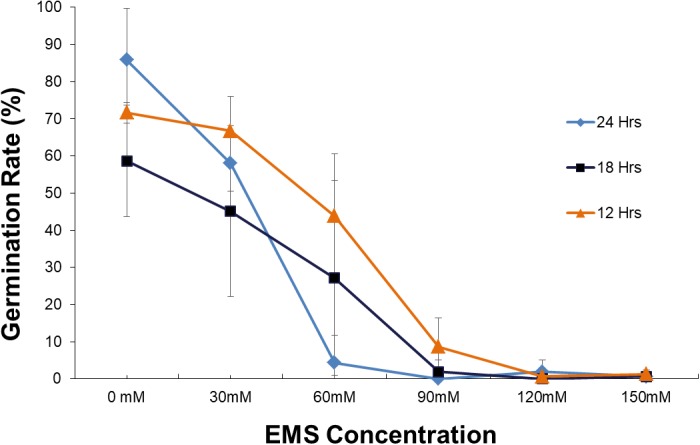
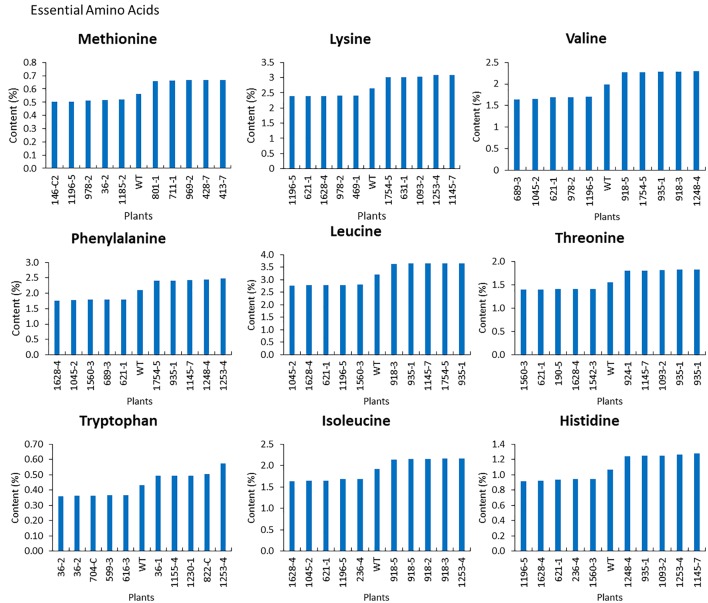
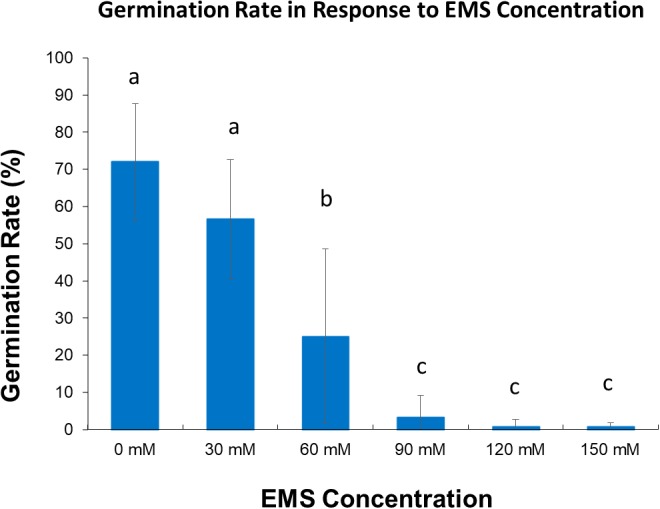
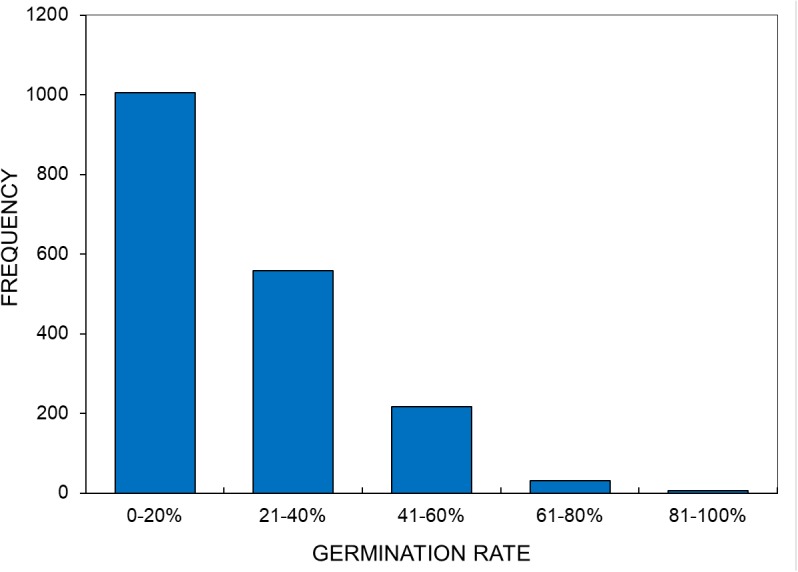
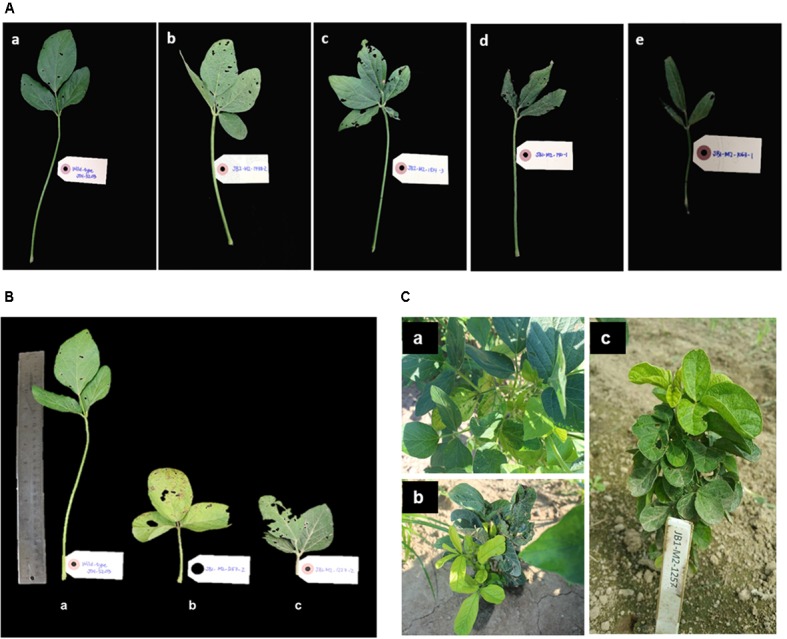
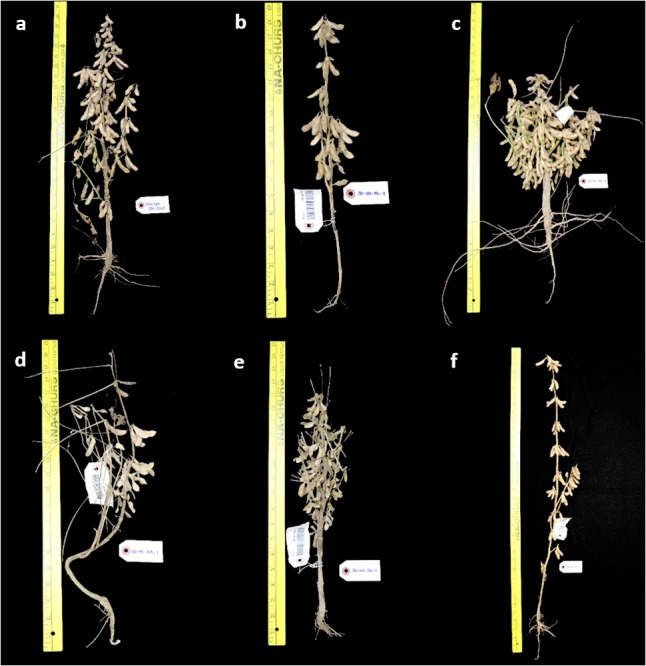
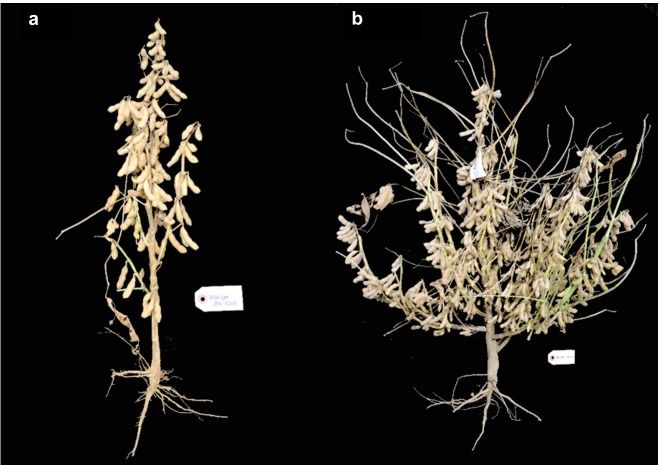
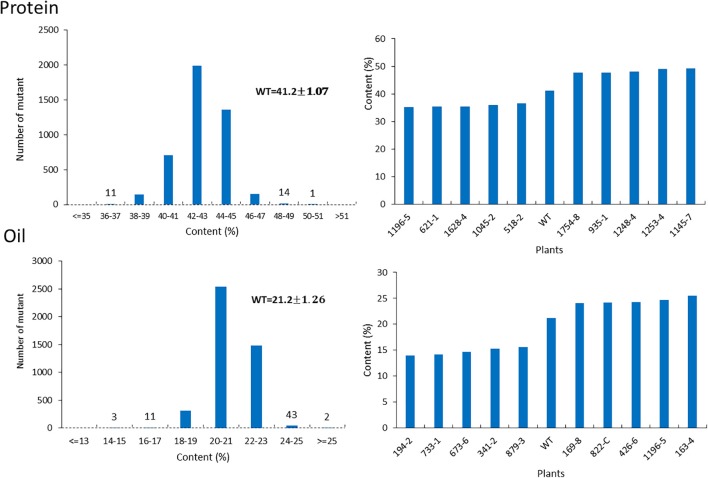
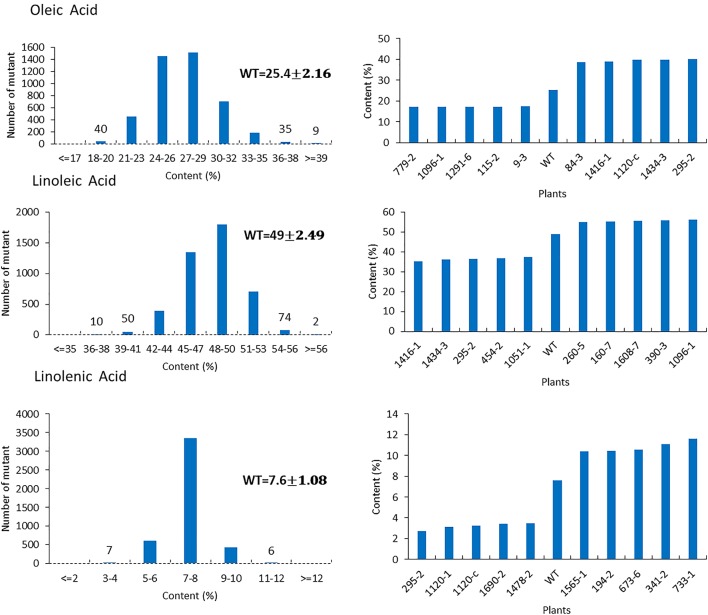
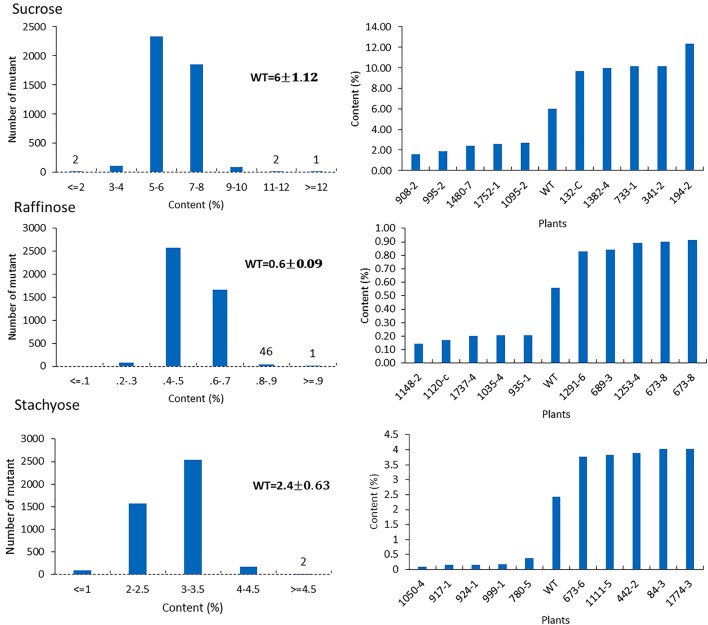
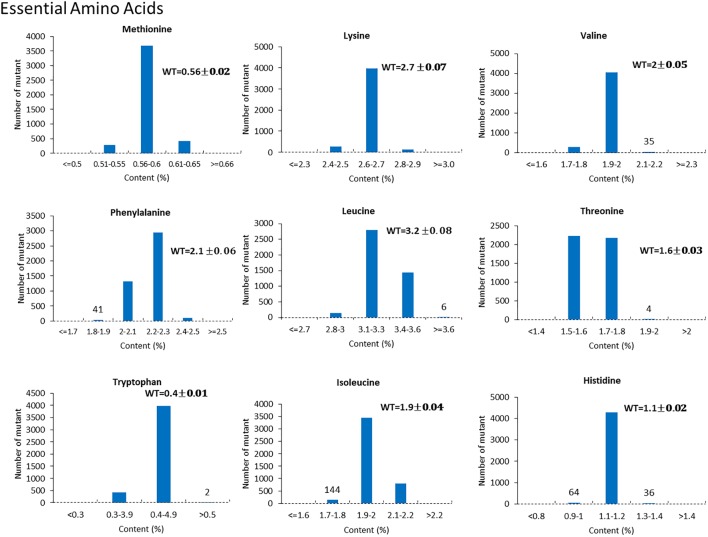
Soybean is an important oil-producing crop in the Fabaceae family and there are increasing demands for soybean oil and other soybean products. Genetic improvement of soybean is needed to increase its production. In order to provide genetic diversity and resources for identifying important genes, a new ethyl methane sulfonate (EMS) mutagenized soybean population was generated using the newly released germplasm, JTN-5203 (maturity group V). Treatment of soybean seeds with 60 mM EMS concentration was found to be suitable for inducing mutation. A total of 1,820 M1 individuals were produced from 15,000 treated seeds. The resulting M2 population was planted in the field for phenotyping. After harvest, seed traits including total oil, protein, starch, moisture content, fatty acid and amino acid compositions were measured by NIR. Phenotypic variations observed in this population include changes in leaf morphology, plant architecture, seed compositions, and yield. Of most interest, we identified plants with increased amounts of total protein (50% vs. 41% for control) and plants with higher amounts of total oil (25% vs. 21.2% control). Similarly, we identified plants with increases in oleic acid content and decreases in linoleic acid and linolenic acid. This EMS mutant population will be used for further studies including screening for various traits such as amino acid pathways, allergens, phytic acids, and other important soybean agronomic traits. In addition, these mutant individuals will be evaluated in the next generation to assess the heritability. Beneficial traits from these mutants can be exploited for future soybean breeding programs. This germplasm can also be used for discovering novel mutant alleles and for functional gene expression analysis using reverse genetics tools such as TILLING.
大豆是豆科重要的油料作物,对大豆油和其他大豆产品的需求日益增加。需要对大豆进行遗传改良以提高其产量。为了提供遗传多样性和资源以鉴定重要基因,利用新发布的种质JTN - 5203(V熟期组)创建了一个新的甲基磺酸乙酯(EMS)诱变大豆群体。发现用60 mM EMS浓度处理大豆种子适合诱导突变。从15000粒处理过的种子中产生了总共1820个M1个体。将所得的M2群体种植在田间进行表型分析。收获后,通过近红外光谱法测量种子性状,包括总油、蛋白质、淀粉、水分含量、脂肪酸和氨基酸组成。在这个群体中观察到的表型变异包括叶片形态、植株结构、种子组成和产量的变化。最令人感兴趣的是,我们鉴定出了总蛋白含量增加的植株(50%,对照为41%)和总油含量更高的植株(25%,对照为21.2%)。同样,我们鉴定出了油酸含量增加、亚油酸和亚麻酸含量降低的植株。这个EMS突变群体将用于进一步研究,包括筛选各种性状,如氨基酸途径、过敏原、植酸和其他重要的大豆农艺性状。此外,这些突变个体将在下一代进行评估以评估遗传力。这些突变体的有益性状可用于未来的大豆育种计划。这种种质还可用于发现新的突变等位基因,并使用诸如定向诱导基因组局部突变(TILLING)等反向遗传学工具进行功能基因表达分析。