Ferreira Bianca L, Ferreira Éden R, de Brito Marlon V, Salu Bruno R, Oliva Maria L V, Mortara Renato A, Orikaza Cristina M
Departamento de Microbiologia, Imunologia e Parasitologia, Escola Paulista de Medicina, Universidade Federal de São Paulo, São Paulo, Brazil.
Departamento de Bioquímica, Escola Paulista de Medicina, Universidade Federal de São Paulo, São Paulo, Brazil.
Front Microbiol. 2018 Mar 26;9:553. doi: 10.3389/fmicb.2018.00553. eCollection 2018.
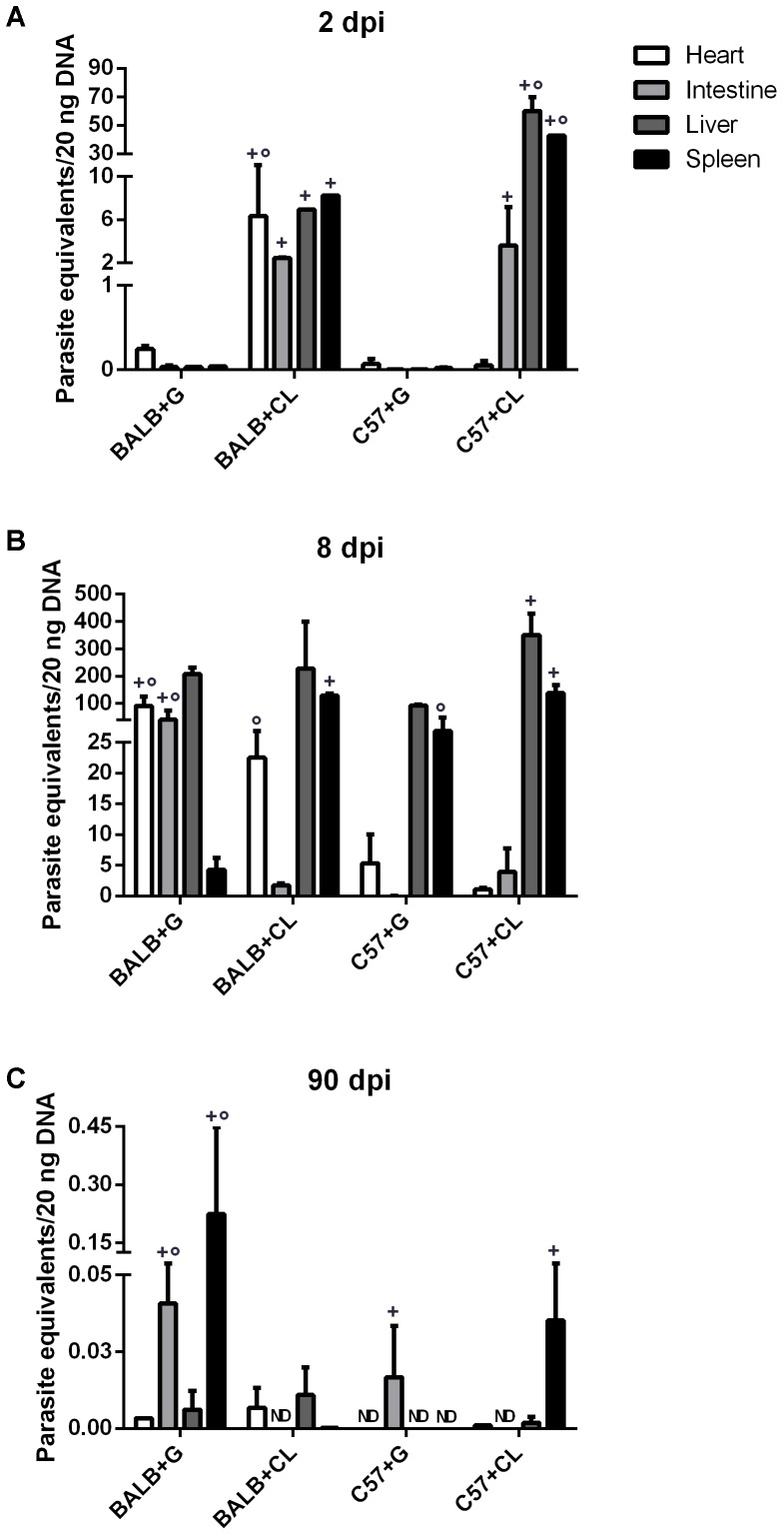
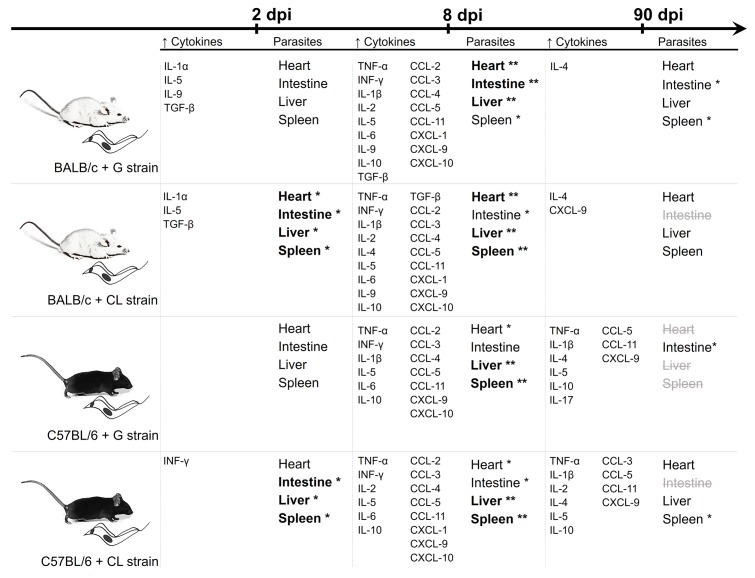
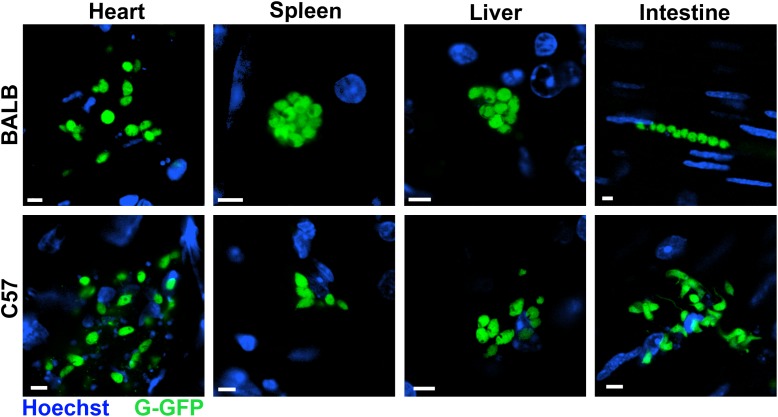
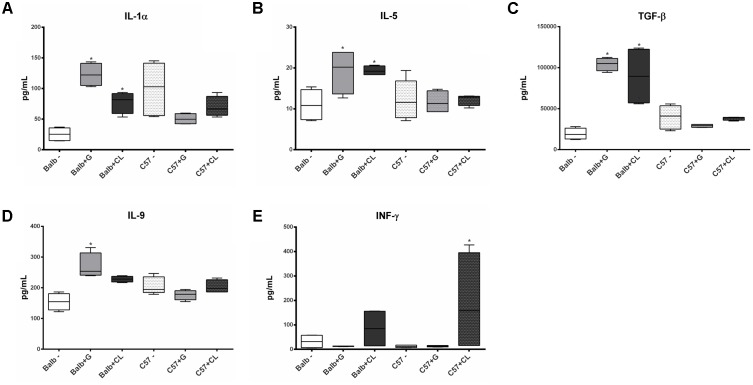
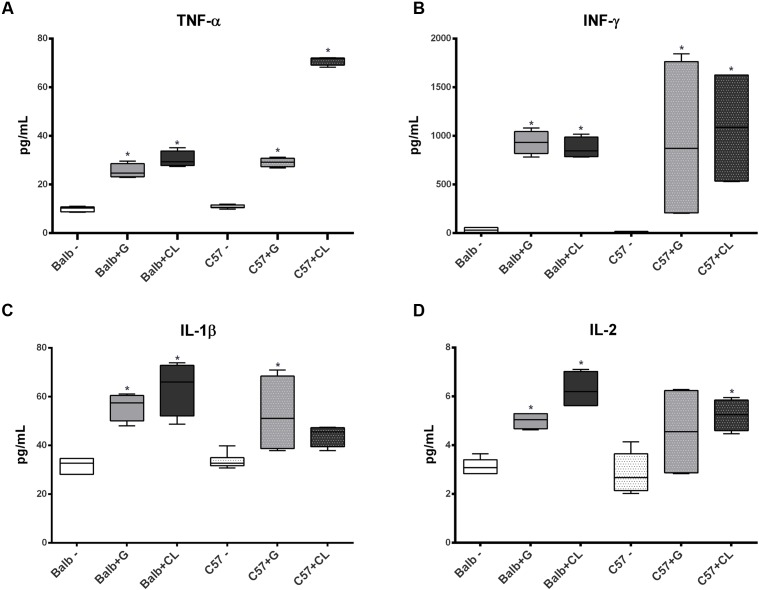
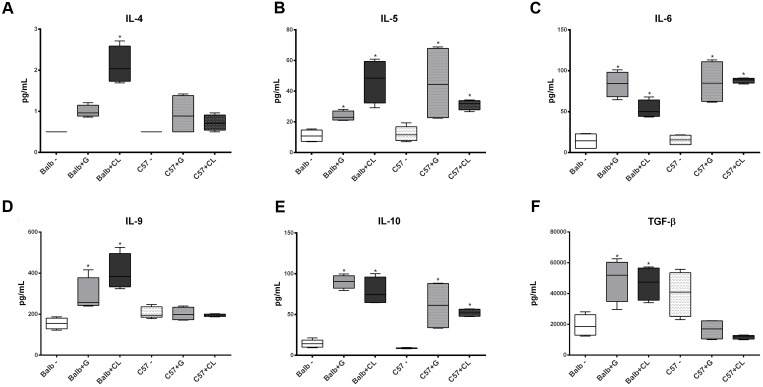
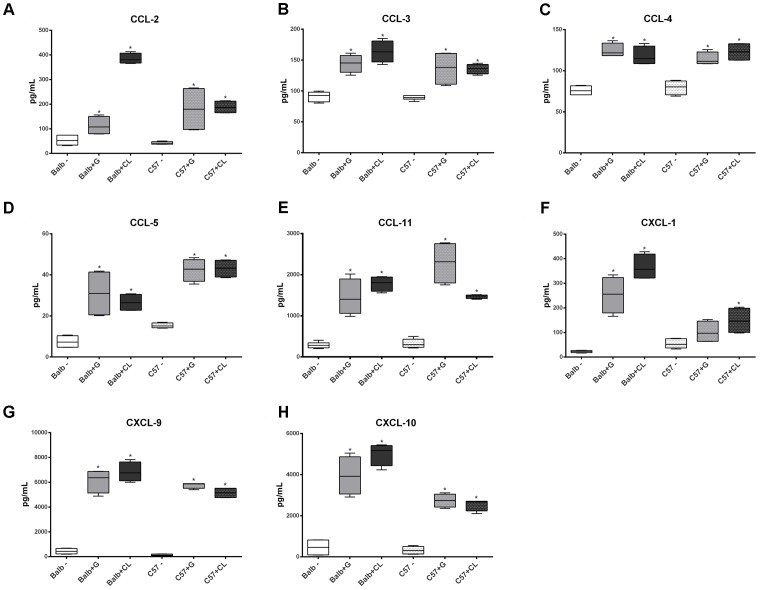
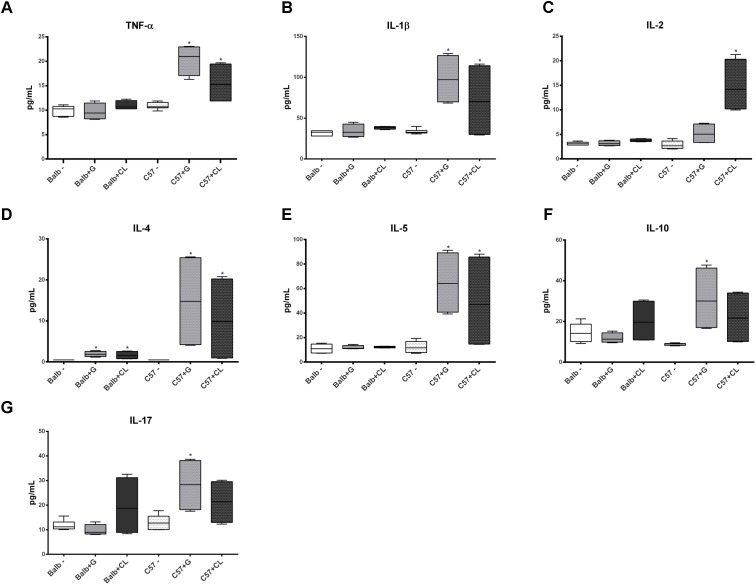
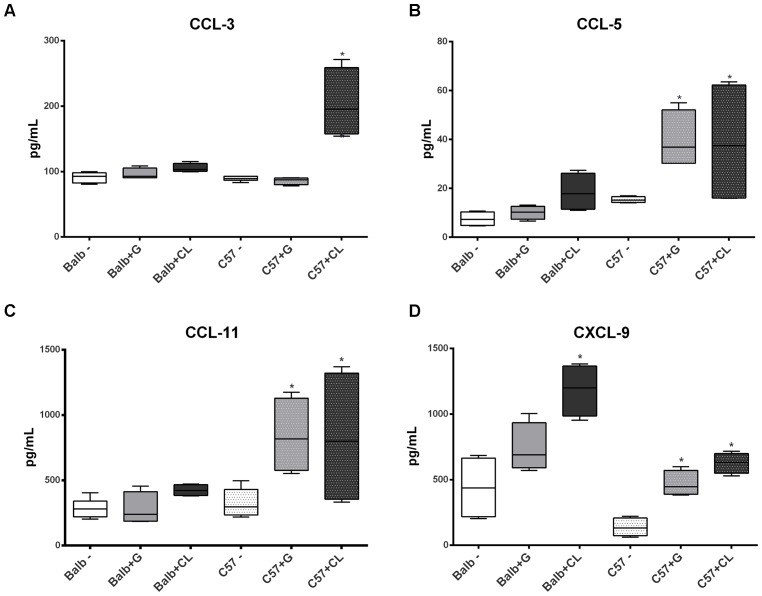
is the etiologic agent of Chagas' disease, which affects 6-7 million people worldwide. Different strains of present specific genotypic and phenotypic characteristics that affect the host-pathogen interactions, and thus, the parasite has been classified into six groups (TcI to TcVI). infection presents two clinical phases, acute and chronic, both with distinct characteristics and important participation by the immune system. However, the specific contributions of parasite and host factors in the disease phases are not yet fully understood. The murine model for Chagas' disease is well-established and reproduces important features of the human infection, providing an experimental basis for the study of host lineages and parasite strains. Thus, we evaluated acute and chronic infection by the G (TcI) and CL (TcVI) strains of , which have distinct tropisms and infectivity, in two inbred mice lineages (C57BL/6 and BALB/c) that display variable degrees of susceptibility to different strains. Analysis of the parasite loads in host tissues by qPCR showed that CL strain established an infection faster than the G strain; at the same time, the response in BALB/c mice, although diverse in terms of cytokine secretion, was initiated earlier than that in C57BL/6 mice. At the parasitemia peak in the acute phase, we observed, either by confocal microscopy or by qPCR, that the infection was disseminated in all groups analyzed, with some differences concerning parasite tropism; at this point, all animals responded to infection by increasing the serum concentrations of cytokines. However, BALB/c mice seemed to better regulate the immune response than C57BL/6 mice. Indeed, in the chronic phase, C57BL/6 mice still presented exacerbated cytokine and chemokine responses. In summary, our results indicate that in these experimental models, the deregulation of immune response that is typical of chronic Chagas' disease may be due to control loss over pro- and anti-inflammatory cytokines early in the acute phase of the disease, depending primarily on the host background rather than the parasite strain.
是恰加斯病的病原体,全球约有600 - 700万人受其影响。不同菌株具有特定的基因型和表型特征,这些特征会影响宿主与病原体的相互作用,因此,该寄生虫已被分为六组(TcI至TcVI)。感染呈现急性和慢性两个临床阶段,两者具有不同特征且免疫系统均有重要参与。然而,寄生虫和宿主因素在疾病阶段的具体作用尚未完全明确。恰加斯病的小鼠模型已得到充分确立,能够重现人类感染的重要特征,为研究宿主谱系和寄生虫菌株提供了实验基础。因此,我们评估了在两种近交系小鼠谱系(C57BL/6和BALB/c)中,具有不同嗜性和感染性的克氏锥虫G(TcI)株和CL(TcVI)株引起的急性和慢性感染,这两种小鼠谱系对不同克氏锥虫菌株的易感性程度不同。通过qPCR分析宿主组织中的寄生虫载量表明,CL株比G株更快地建立感染;同时,BALB/c小鼠的反应虽然在细胞因子分泌方面存在差异,但比C57BL/6小鼠更早启动。在急性期的寄生虫血症高峰期,我们通过共聚焦显微镜或qPCR观察到,在所分析的所有组中感染均已扩散,在寄生虫嗜性方面存在一些差异;此时,所有动物都通过增加细胞因子的血清浓度对感染做出反应。然而,BALB/c小鼠似乎比C57BL/6小鼠能更好地调节免疫反应。事实上,在慢性期,C57BL/6小鼠仍表现出细胞因子和趋化因子反应加剧。总之,我们的结果表明,在这些实验模型中,慢性恰加斯病典型的免疫反应失调可能是由于在疾病急性期早期对促炎和抗炎细胞因子的控制丧失,这主要取决于宿主背景而非寄生虫菌株。