School of Mechanical, Aerospace and Civil Engineering, University of Manchester, Manchester, UK.
Department of Shoulder and Elbow Surgery, University Hospital of South Manchester, Manchester, UK.
Biomed Eng Online. 2018 Apr 27;17(1):47. doi: 10.1186/s12938-018-0479-3.
Proximal humerus fractures are the third most common in the human body but their management remains controversial. Open reduction and internal fixation with plates is one of the leading modes of operative treatment for these fractures. The development of technologies and techniques for these plates, during the recent decades, promise a bright future for their clinical use. A comprehensive review of in vitro biomechanical studies is needed for the comparison of plates' mechanical performance and the testing methodologies. This will not only guide clinicians with plate selection but also with the design of future in vitro biomechanical studies. This review was aimed to systematically categorise and review the in vitro biomechanical studies of these plates based on their protocols and discuss their results. The technologies and techniques investigated in these studies were categorised and compared to reach a census where possible.
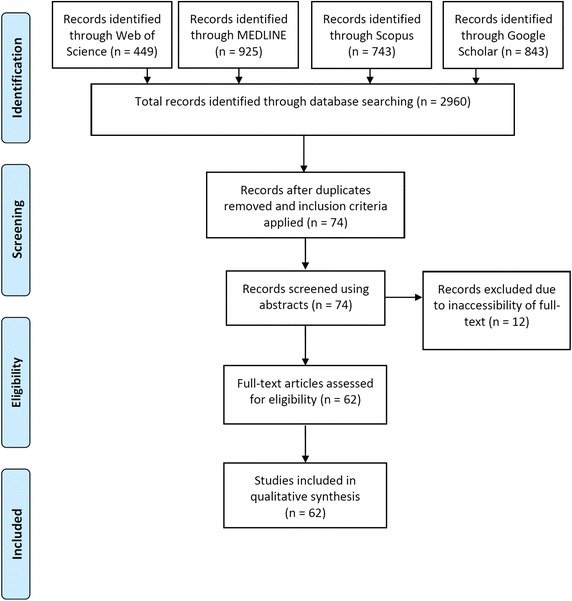
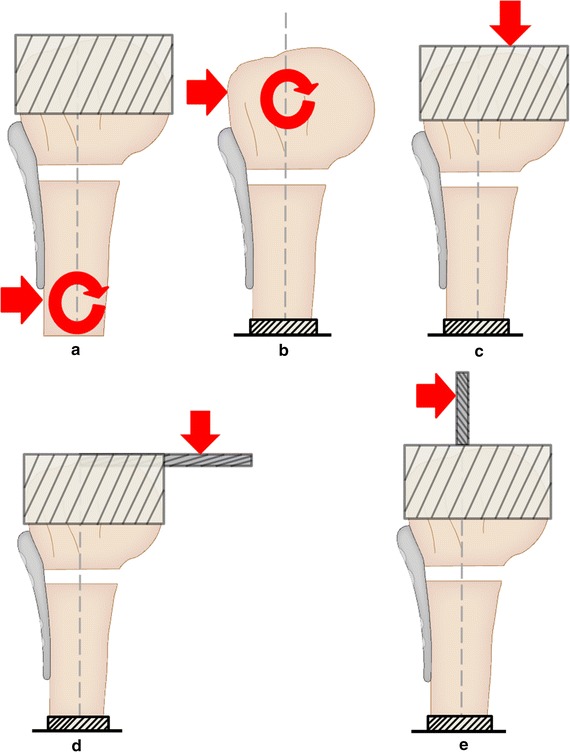
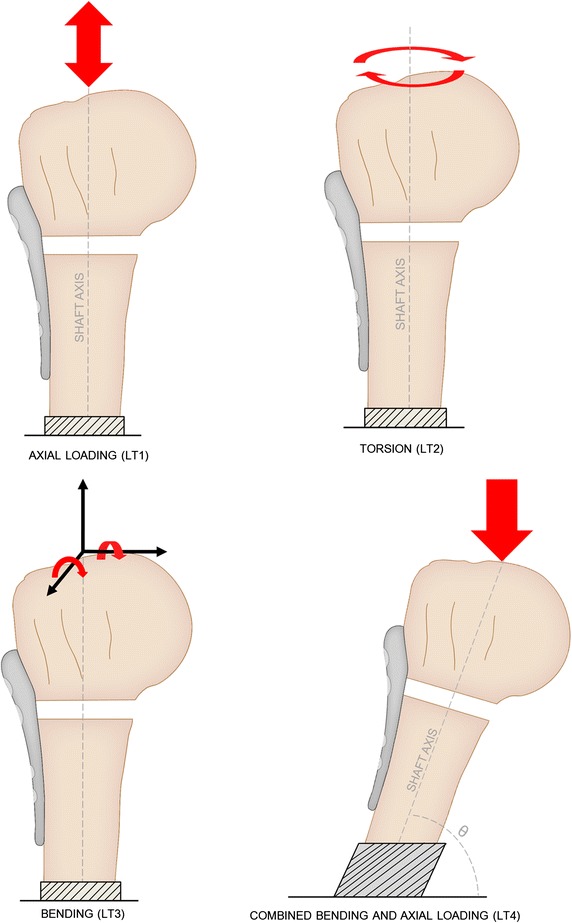
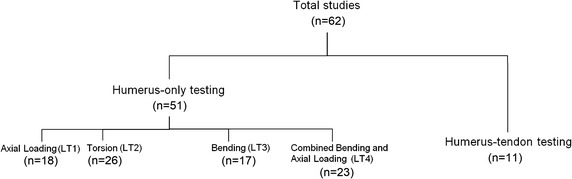
Web of Science and Scopus database search yielded 62 studies. Out of these, 51 performed axial loading, torsion, bending and/or combined bending and axial loading while 11 simulated complex glenohumeral movements by using tendons. Loading conditions and set-up, failure criteria and performance parameters, as well as results for each study, were reviewed. Only two studies tested four-part fracture model while the rest investigated two- and three-part fractures. In ten studies, synthetic humeri were tested instead of cadaveric ones. In addition to load-displacement data, three-dimensional motion analysis systems, digital image correlation and acoustic emission testing have been used for measurement.
Overall, PHILOS was the most tested plate and locking plates demonstrated better mechanical performance than non-locking ones. Conflicting results have been published for their comparison with non-locking blade plates and polyaxial locking screws. Augmentation with cement [calcium phosphate or poly(methyl methacrylate)] or allografts (fibular and femoral head) was found to improve bone-plate constructs' mechanical performance. Controversy still lies over the use of rigid and semi-rigid implants and the insertion of inferomedial screws for calcar region support. This review will guide the design of in vitro and in silico biomechanical tests and also supplement the study of clinical literature.
肱骨近端骨折是人体中第三常见的骨折,但它们的治疗仍然存在争议。切开复位和钢板内固定是这些骨折的主要手术治疗方式之一。在过去的几十年中,这些钢板的技术和技术得到了发展,为其临床应用带来了广阔的前景。为了比较钢板的机械性能和测试方法,需要对体外生物力学研究进行全面回顾。这不仅将指导临床医生选择钢板,还将指导未来体外生物力学研究的设计。本综述旨在根据其方案对这些钢板的体外生物力学研究进行系统分类和回顾,并讨论其结果。对这些研究中调查的技术进行了分类和比较,以尽可能达到普查。
Web of Science 和 Scopus 数据库搜索共得到 62 项研究。其中 51 项进行了轴向加载、扭转、弯曲和/或弯曲和轴向加载的组合,11 项通过使用肌腱模拟复杂的盂肱运动。回顾了加载条件和设置、失效标准和性能参数以及每项研究的结果。只有两项研究测试了四部分骨折模型,其余研究则研究了两部分和三部分骨折。在 10 项研究中,使用合成肱骨代替尸体进行了测试。除了负载-位移数据外,三维运动分析系统、数字图像相关和声发射测试也用于测量。
总体而言,PHILOS 是测试最多的钢板,锁定钢板的机械性能优于非锁定钢板。在与非锁定刀片钢板和多轴锁定螺钉的比较中,已经发表了相互矛盾的结果。用水泥[磷酸钙或聚甲基丙烯酸甲酯(PMMA)]或同种异体骨(腓骨和股骨头)增强可提高骨板结构的机械性能。对于刚性和半刚性植入物的使用以及插入内侧螺钉以支持距骨区域仍存在争议。本综述将指导体外和计算机生物力学测试的设计,并补充临床文献的研究。