Oikarinen H, Oikarinen A I, Tan E M, Abergel R P, Meeker C A, Chu M L, Prockop D J, Uitto J
J Clin Invest. 1985 May;75(5):1545-53. doi: 10.1172/JCI111859.
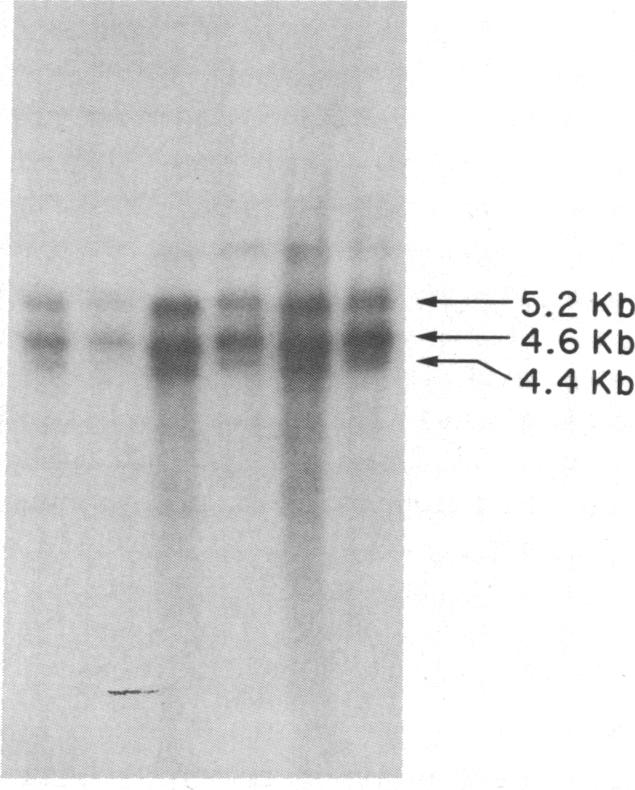
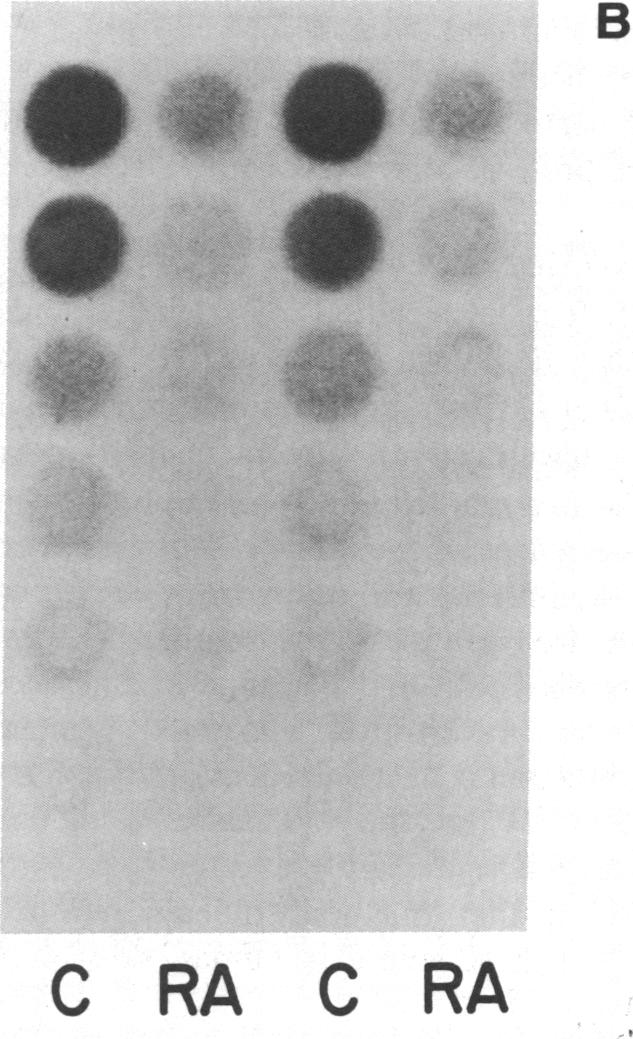
Recent clinical observations have suggested that retinoids, which are in frequent use in dermatology, can affect the connective tissue metabolism in skin and other tissues. In this study, we examined the effects of several retinoids on the metabolism of collagen by human skin fibroblasts in culture. Incubation of cultured fibroblasts with all-trans-retinoic acid or 13-cis-retinoic acid, in 10(-5) M or higher concentrations, markedly reduced the procollagen production, as measured by synthesis of radioactive hydroxyproline. The effect was selective in that little, if any, inhibition was noted in the incorporation of [3H]leucine into the noncollagenous proteins, when the cells were incubated with the retinoids in 10(-5) M concentration. Similar reduction in procollagen production was noted with retinol and retinal, whereas an aromatic analogue of retinoic acid ethyl ester (RO-10-9359) resulted in a slight increase in procollagen production in these cultures. The reduction in procollagen production by all-trans-retinoic acid was accompanied by a similar reduction in pro alpha 2(I) of type I procollagen specific messenger RNA (mRNA), as detected by dot blot and Northern blot hybridizations. Hybridizations with human fibronectin and beta-actin specific DNA probes indicated that the levels of the corresponding mRNAs were not affected by the retinoids, further suggesting selectivity in the inhibition of procollagen gene expression. Further control experiments indicated that all-trans-retinoic acid, under the culture conditions employed, did not affect the posttranslational hydroxylation of prolyl residues, the mannosylation of newly synthesized procollagen, the specific radioactivity of the intracellular prolyltransfer RNA pool, or DNA replication. All-trans-retinoic acid also elicited a reduction in trypsin-activatable collagenase, but not in the activity of prolyl hydroxylase or an elastaselike neutral protease in the fibroblast cultures. Incubation of three fibroblast lines established from human keloids with all-trans-retinoic acid or 13-cis-retinoic acid also resulted in a marked reduction in procollagen production. The results, therefore, suggest that further development of retinoids might provide a novel means of modulating collagen gene expression in patients with various diseases affecting the connective tissues.
近期临床观察表明,皮肤科常用的维甲酸类药物可影响皮肤及其他组织中的结缔组织代谢。在本研究中,我们检测了几种维甲酸类药物对培养的人皮肤成纤维细胞胶原蛋白代谢的影响。用10⁻⁵M或更高浓度的全反式维甲酸或13-顺式维甲酸孵育培养的成纤维细胞,通过放射性羟脯氨酸的合成测定,前胶原生成明显减少。该作用具有选择性,当细胞用10⁻⁵M浓度的维甲酸类药物孵育时,[³H]亮氨酸掺入非胶原蛋白中的抑制作用很小(若有抑制的话)。视黄醇和视黄醛也观察到前胶原生成有类似减少,而维甲酸乙酯的芳香族类似物(RO-10-9359)在这些培养物中导致前胶原生成略有增加。全反式维甲酸使前胶原生成减少的同时,通过斑点杂交和Northern杂交检测发现,I型前胶原特异性信使核糖核酸(mRNA)的前α2(I)也有类似减少。用人纤连蛋白和β-肌动蛋白特异性DNA探针杂交表明,相应mRNA的水平不受维甲酸类药物影响,进一步提示对前胶原基因表达的抑制具有选择性。进一步的对照实验表明,在所采用的培养条件下,全反式维甲酸不影响脯氨酰残基的翻译后羟化、新合成前胶原的甘露糖基化、细胞内脯氨酰转运核糖核酸池的比放射性或DNA复制。全反式维甲酸还使成纤维细胞培养物中胰蛋白酶可激活的胶原酶减少,但不影响脯氨酰羟化酶或类弹性蛋白酶中性蛋白酶的活性。用人瘢痕疙瘩来源的三种成纤维细胞系用全反式维甲酸或13-顺式维甲酸孵育也导致前胶原生成明显减少。因此,这些结果提示,维甲酸类药物的进一步开发可能为调节患有各种影响结缔组织疾病患者的胶原基因表达提供一种新方法。