McConville Aaron, Hegarty Catherine, Davis James
School of Engineering, Ulster University, Jordanstown BT37 0QB, UK.
Medicines (Basel). 2018 Jun 8;5(2):50. doi: 10.3390/medicines5020050.
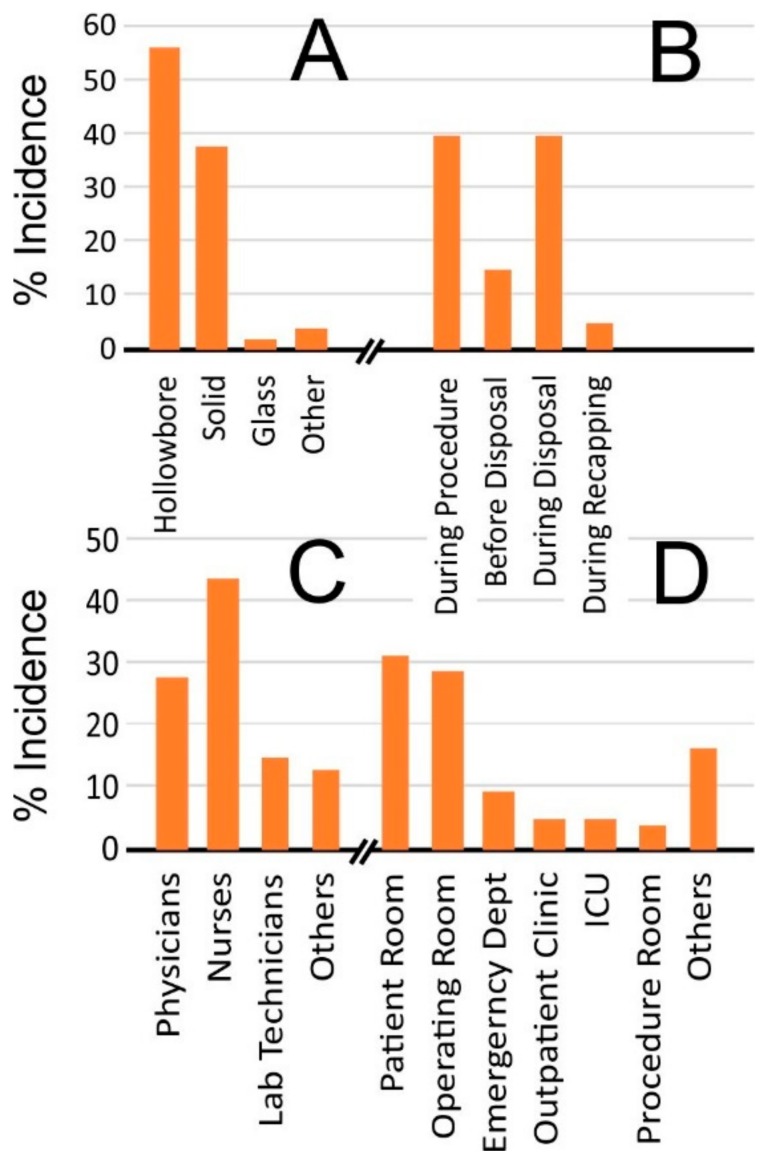
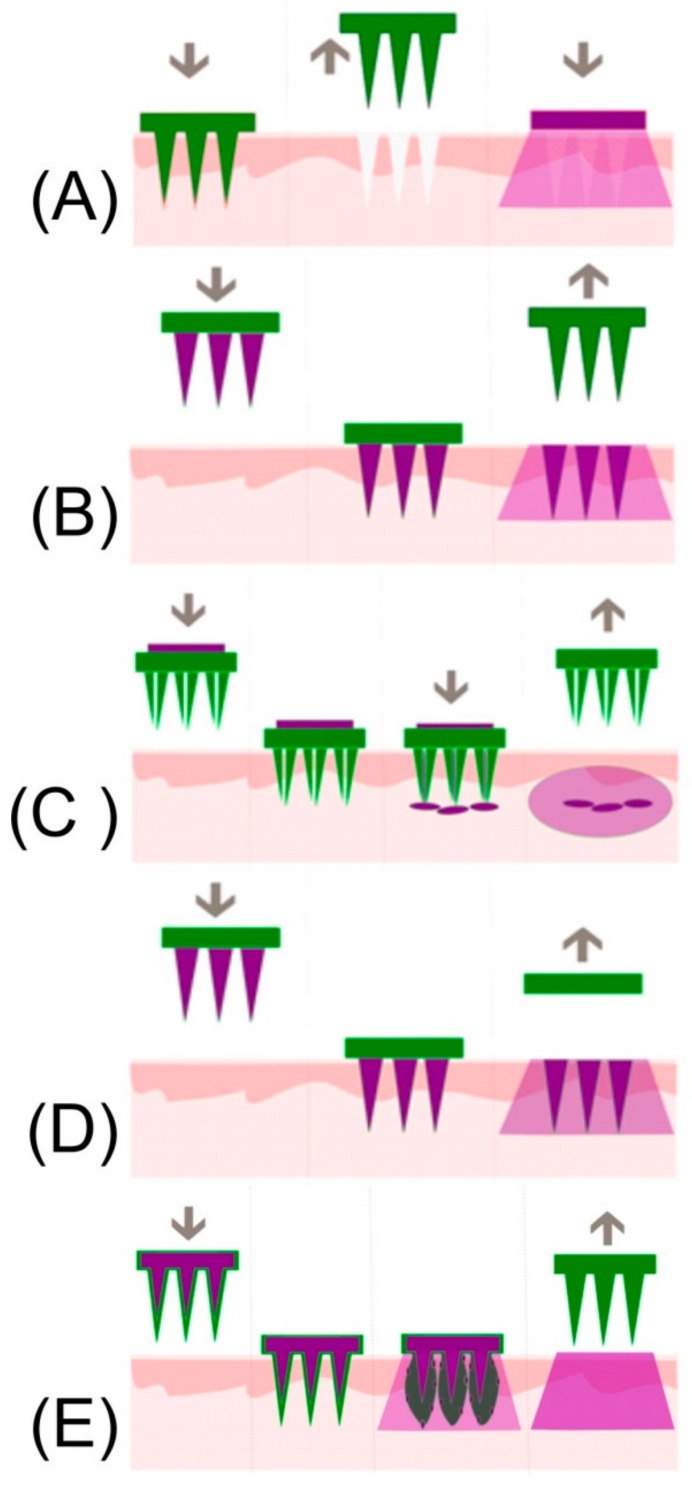
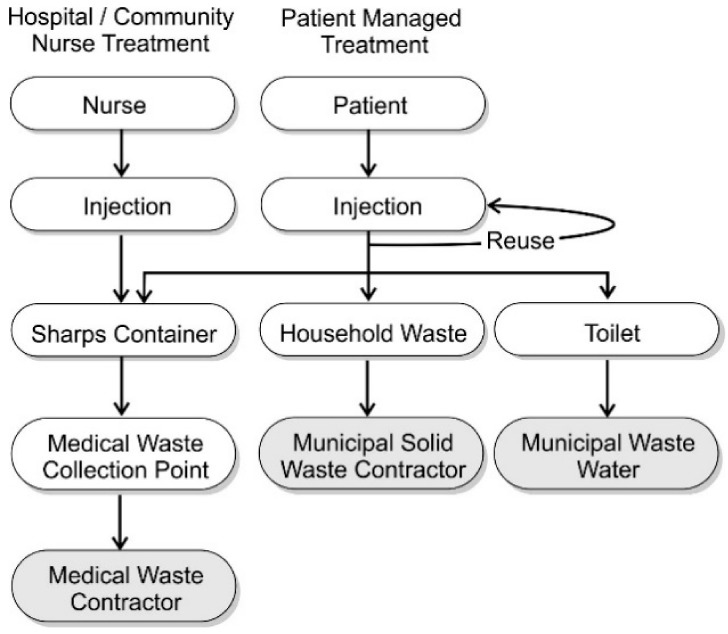
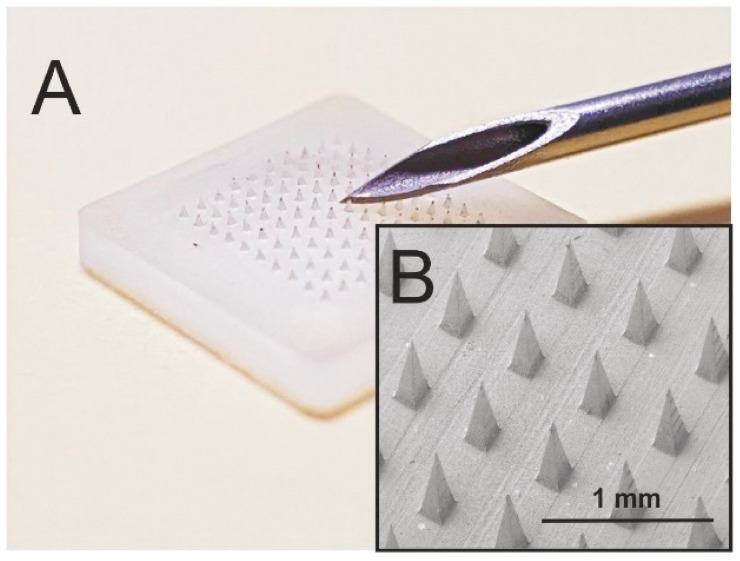
The increasing devolution of healthcare towards community care has meant that the management of many conditions is conducted within the home either by community nurses or by the patients themselves. The administration of medicines within home healthcare scenarios can however be problematic—especially when considering the delivery of medicines through injection. The possibility of needlestick injury (NSI) has become an ever-present hazard within healthcare settings, with a significant proportion of percutaneous injuries occurring during the handling and disposal of the needle. The emergence of transdermal microneedle systems, however, offers a potentially revolutionary advance and could dramatically improve safety—particularly within home healthcare where there are mounting concerns over the use and disposal of sharps. A mini-review of the advantages proffered by microneedle drug delivery technologies is presented and the potential impact on delivery of medicines within the home is critically appraised.
医疗保健日益向社区护理转移,这意味着许多病症的管理在家庭中由社区护士或患者自己进行。然而,在家庭医疗保健场景中给药可能会出现问题,尤其是考虑到通过注射给药时。针刺伤(NSI)的可能性在医疗保健环境中一直是一种常见危害,很大一部分经皮损伤发生在针头的处理和处置过程中。然而,透皮微针系统的出现提供了一项潜在的革命性进展,并可能显著提高安全性,特别是在家庭医疗保健中,人们对锐器的使用和处置越来越担忧。本文对微针给药技术的优势进行了简要综述,并对其在家庭给药方面的潜在影响进行了批判性评估。