Abaffy Tatjana, Bain James R, Muehlbauer Michael J, Spasojevic Ivan, Lodha Shweta, Bruguera Elisa, O'Neal Sara K, Kim So Young, Matsunami Hiroaki
Department of Molecular Genetics and Microbiology, Duke Cancer Institute, Duke University School of Medicine, Durham, NC, United States.
Duke Molecular Physiology Institute, Duke University School of Medicine, Durham, NC, United States.
Front Oncol. 2018 May 28;8:162. doi: 10.3389/fonc.2018.00162. eCollection 2018.
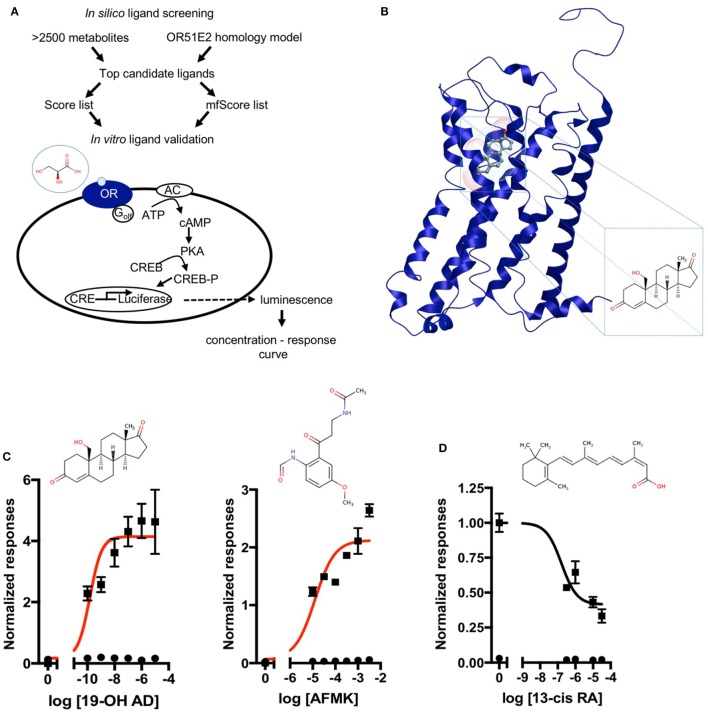
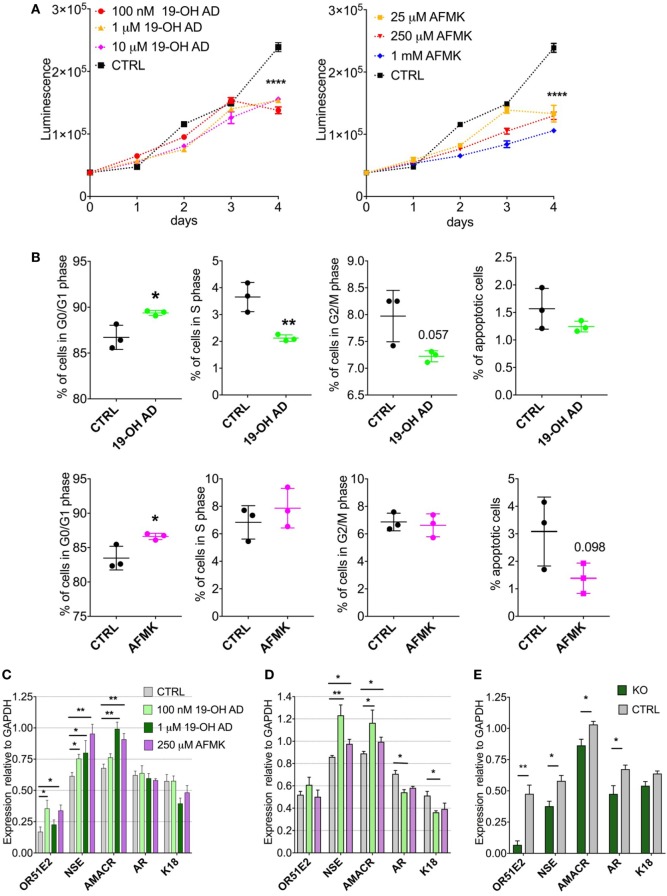
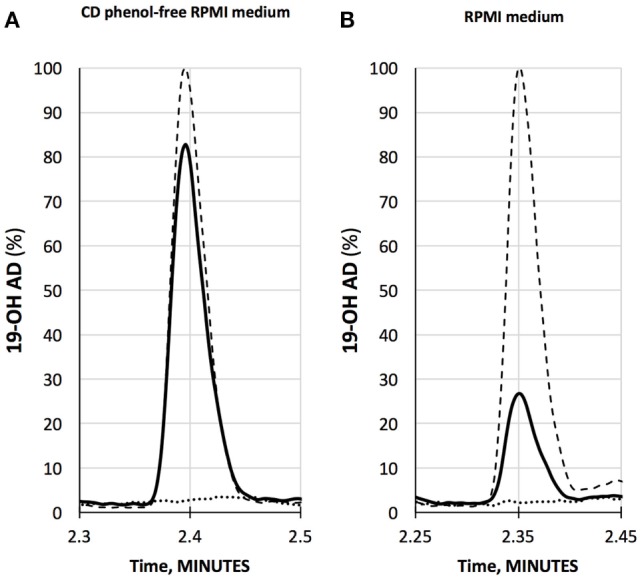
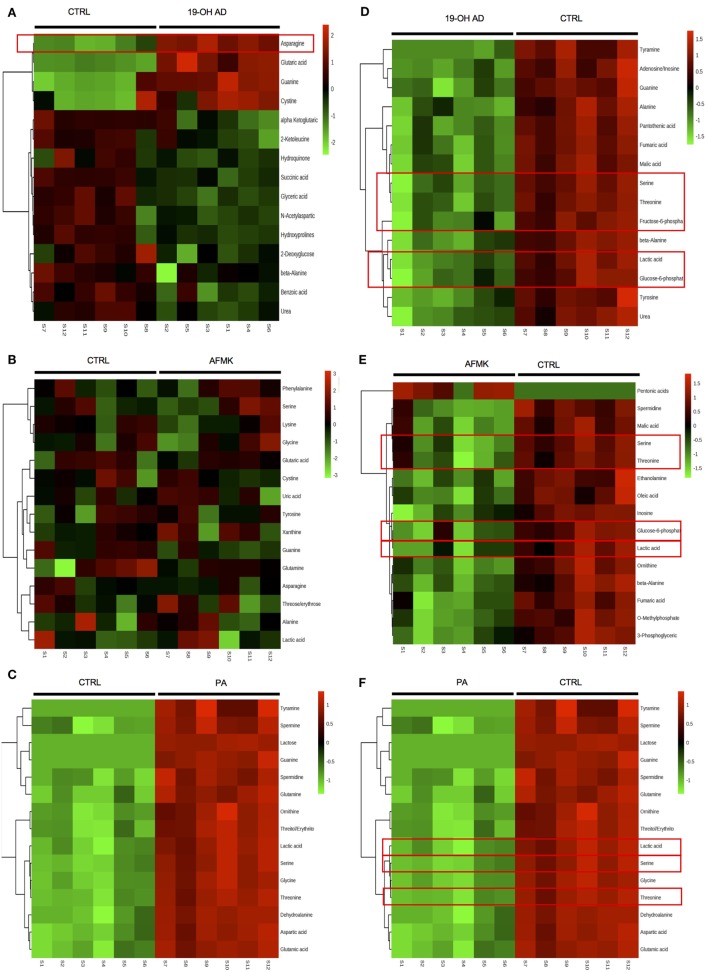
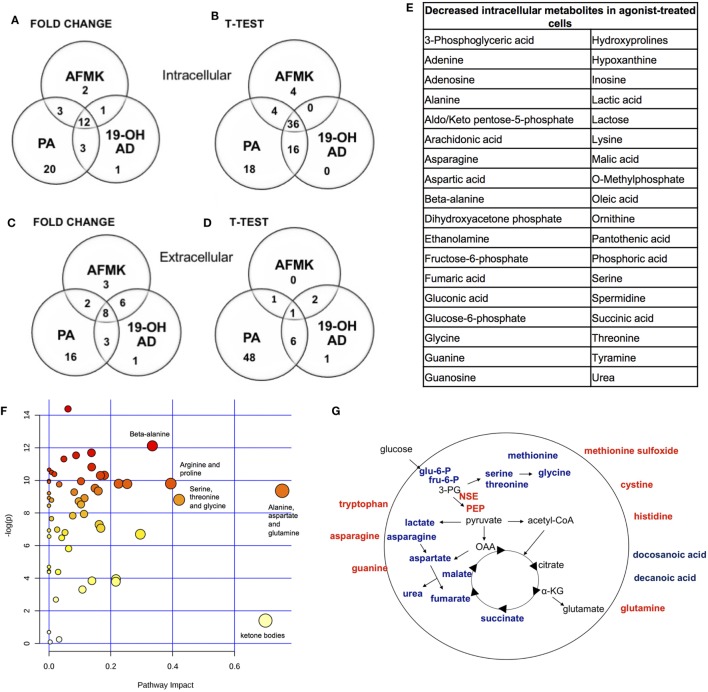
Olfactory receptor OR51E2, also known as a Prostate Specific G-Protein Receptor, is highly expressed in prostate cancer but its function is not well understood. Through and analyses, we identified 24 agonists and 1 antagonist for this receptor. We detected that agonist 19-hydroxyandrostenedione, a product of the aromatase reaction, is endogenously produced upon receptor activation. We characterized the effects of receptor activation on metabolism using a prostate cancer cell line and demonstrated decreased intracellular anabolic signals and cell viability, induction of cell cycle arrest, and increased expression of neuronal markers. Furthermore, upregulation of neuron-specific enolase by agonist treatment was abolished in OR51E2-KO cells. The results of our study suggest that OR51E2 activation results in neuroendocrine trans-differentiation. These findings reveal a new role for OR51E2 and establish this G-protein coupled receptor as a novel therapeutic target in the treatment of prostate cancer.
嗅觉受体OR51E2,也被称为前列腺特异性G蛋白受体,在前列腺癌中高度表达,但其功能尚不清楚。通过[具体分析方法1]和[具体分析方法2]分析,我们鉴定出该受体的24种激动剂和1种拮抗剂。我们检测到,芳香化酶反应的产物19-羟基雄烯二酮在受体激活时会内源性产生。我们使用前列腺癌细胞系表征了受体激活对代谢的影响,结果显示细胞内合成代谢信号和细胞活力降低、细胞周期停滞诱导以及神经元标志物表达增加。此外,在OR51E2基因敲除细胞中,激动剂处理导致的神经元特异性烯醇化酶上调被消除。我们的研究结果表明,OR51E2激活会导致神经内分泌转分化。这些发现揭示了OR51E2的新作用,并将这种G蛋白偶联受体确立为前列腺癌治疗中的新型治疗靶点。