Department of Molecular Oncology, King's College London, UK.
Department of Haematological Medicine, The Rayne Institute, King's College London, UK.
Mol Oncol. 2018 Dec;12(12):2023-2041. doi: 10.1002/1878-0261.12352. Epub 2018 Oct 25.
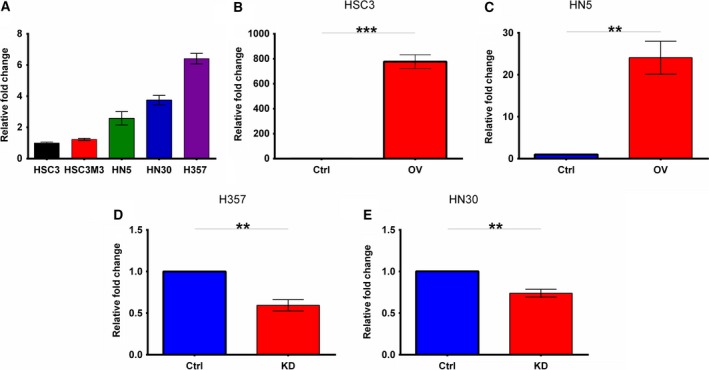
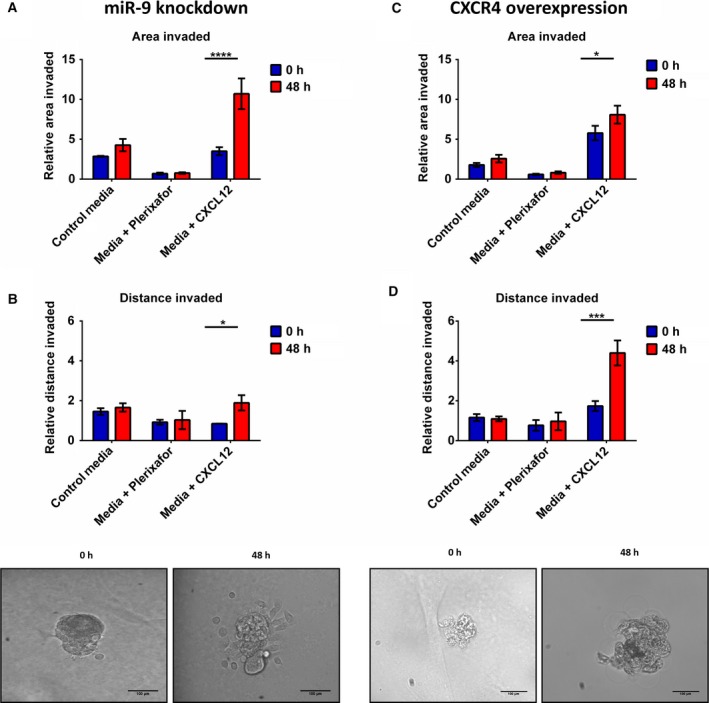
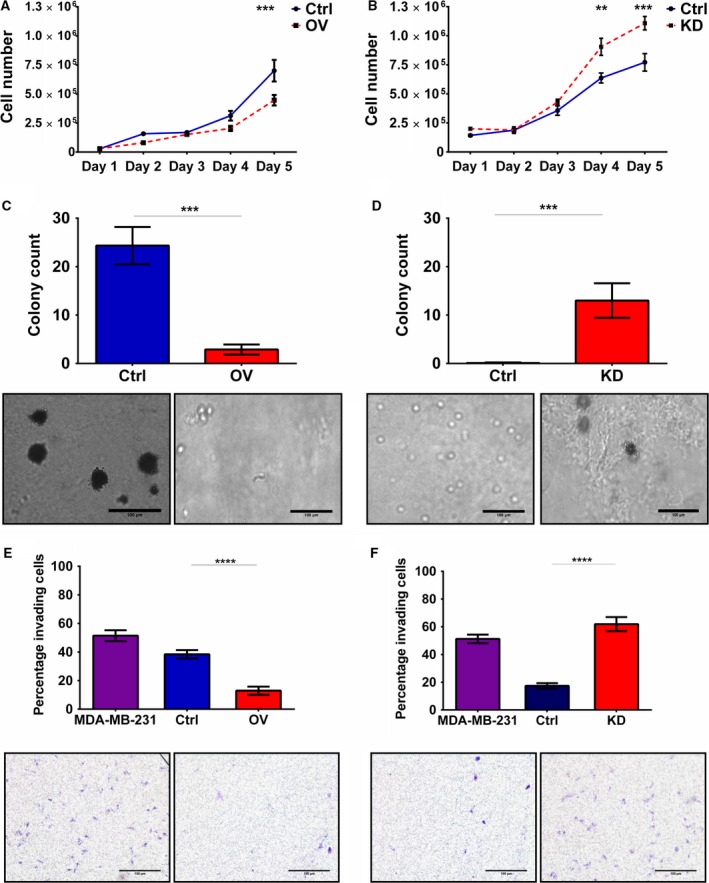
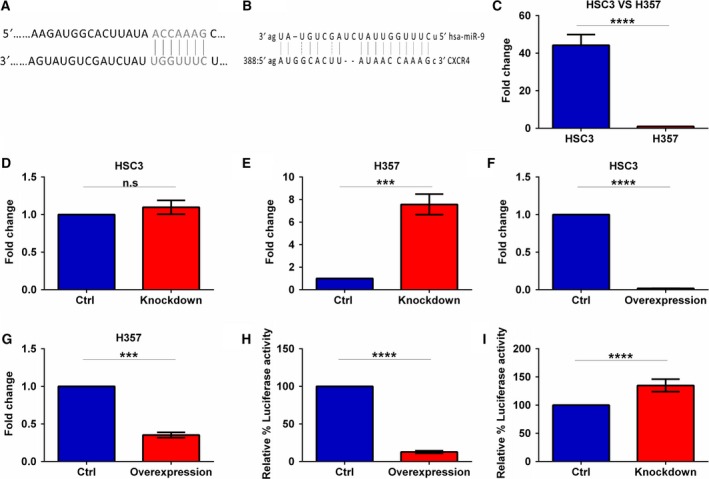
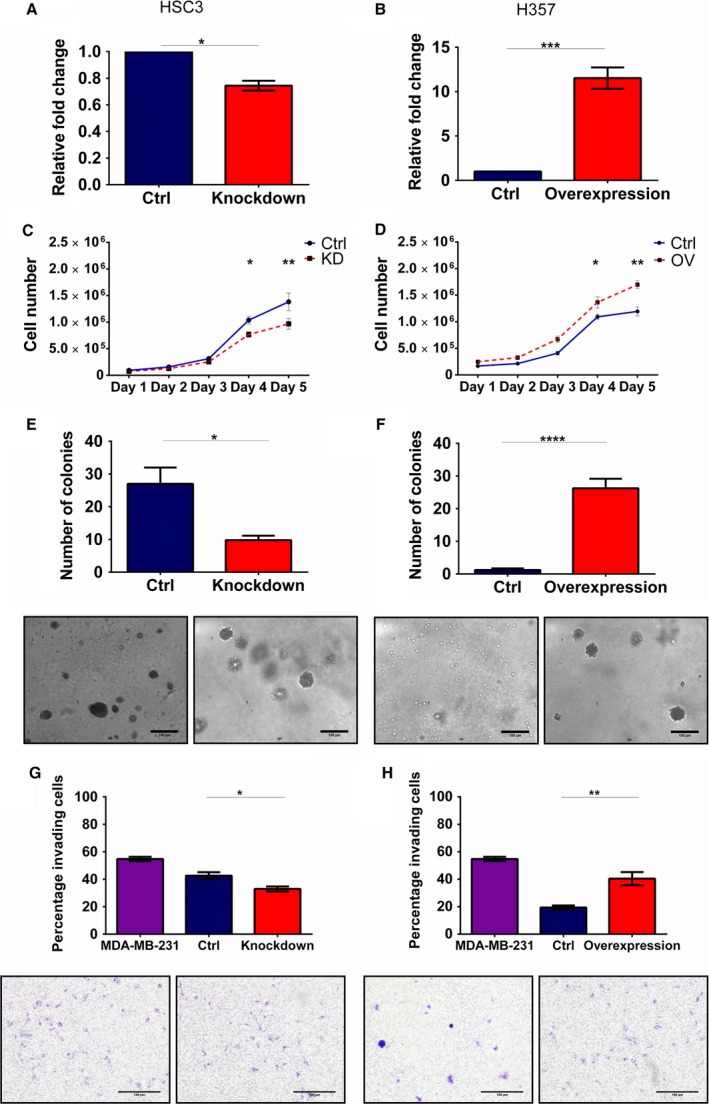
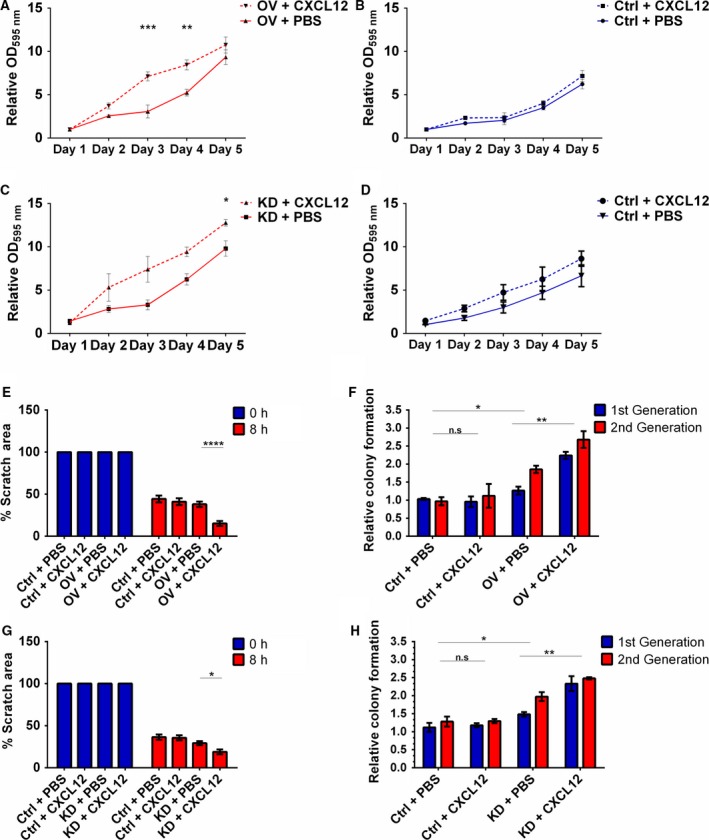
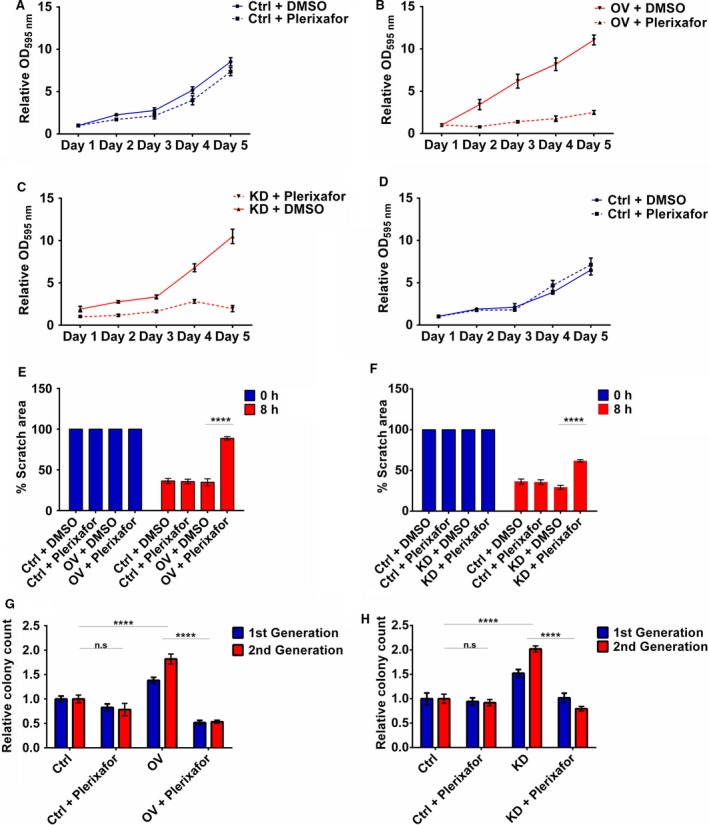
Head and neck squamous cell carcinomas (HNSCC) are associated with poor morbidity and mortality. Current treatment strategies are highly toxic and do not benefit over 50% of patients. There is therefore a crucial need for predictive and/or prognostic biomarkers to allow treatment stratification for individual patients. One class of biomarkers that has recently gained importance are microRNA (miRNA). MiRNA are small, noncoding molecules which regulate gene expression post-transcriptionally. We performed miRNA expression profiling of a cohort of head and neck tumours with known clinical outcomes. The results showed miR-9 to be significantly downregulated in patients with poor treatment outcome, indicating its role as a potential biomarker in HNSCC. Overexpression of miR-9 in HNSCC cell lines significantly decreased cellular proliferation and inhibited colony formation in soft agar. Conversely, miR-9 knockdown significantly increased both these features. Importantly, endogenous CXCR4 expression levels, a known target of miR-9, inversely correlated with miR-9 expression in a panel of HNSCC cell lines tested. Induced overexpression of CXCR4 in low expressing cells increased proliferation, colony formation and cell cycle progression. Moreover, CXCR4-specific ligand, CXCL12, enhanced cellular proliferation, migration, colony formation and invasion in CXCR4-overexpressing and similarly in miR-9 knockdown cells. CXCR4-specific inhibitor plerixafor abrogated the oncogenic phenotype of CXCR4 overexpression as well as miR-9 knockdown. Our data demonstrate a clear role for miR-9 as a tumour suppressor microRNA in HNSCC, and its role seems to be mediated through CXCR4 suppression. MiR-9 knockdown, similar to CXCR4 overexpression, significantly promoted aggressive HNSCC tumour cell characteristics. Our results suggest CXCR4-specific inhibitor plerixafor as a potential therapeutic agent, and miR-9 as a possible predictive biomarker of treatment response in HNSCC.
头颈部鳞状细胞癌(HNSCC)与较差的发病率和死亡率相关。目前的治疗策略毒性很高,对超过 50%的患者没有益处。因此,迫切需要预测和/或预后生物标志物,以允许对个体患者进行治疗分层。最近受到重视的一类生物标志物是 microRNA(miRNA)。miRNA 是一种小的非编码分子,可在后转录水平调节基因表达。我们对头颈部肿瘤的一个队列进行了 miRNA 表达谱分析,这些肿瘤具有已知的临床结果。结果表明,miR-9 在治疗效果差的患者中显著下调,表明其在 HNSCC 中作为潜在的生物标志物的作用。在 HNSCC 细胞系中过表达 miR-9 可显著降低细胞增殖并抑制软琼脂中的集落形成。相反,miR-9 敲低则显著增加了这两个特征。重要的是,在测试的一组 HNSCC 细胞系中,已知的 miR-9 靶标 CXCR4 的内源性表达水平与 miR-9 的表达呈反比。在低表达细胞中诱导过表达 CXCR4 可增加增殖、集落形成和细胞周期进程。此外,CXCR4 特异性配体 CXCL12 可增强 CXCR4 过表达和 miR-9 敲低细胞的细胞增殖、迁移、集落形成和侵袭。CXCR4 特异性抑制剂plerixafor 可消除 CXCR4 过表达以及 miR-9 敲低的致癌表型。我们的数据表明,miR-9 在 HNSCC 中作为一种肿瘤抑制性 miRNA 发挥着明确的作用,其作用似乎是通过抑制 CXCR4 介导的。miR-9 敲低与 CXCR4 过表达相似,可显著促进侵袭性 HNSCC 肿瘤细胞特征。我们的研究结果表明,CXCR4 特异性抑制剂 plerixafor 可作为一种潜在的治疗药物,而 miR-9 可作为 HNSCC 治疗反应的潜在预测生物标志物。