The Roslin Institute & Royal (Dick) School of Veterinary Sciences, University of Edinburgh, Easter Bush, Midlothian, EH25 9RG, UK.
College of Medical, Veterinary and Life Sciences, University of Glasgow, 5/20 Sir Graeme Davies Building, 120 University Place, Glasgow, G12 8TA, UK.
Vet Res. 2018 Jul 3;49(1):54. doi: 10.1186/s13567-018-0547-5.
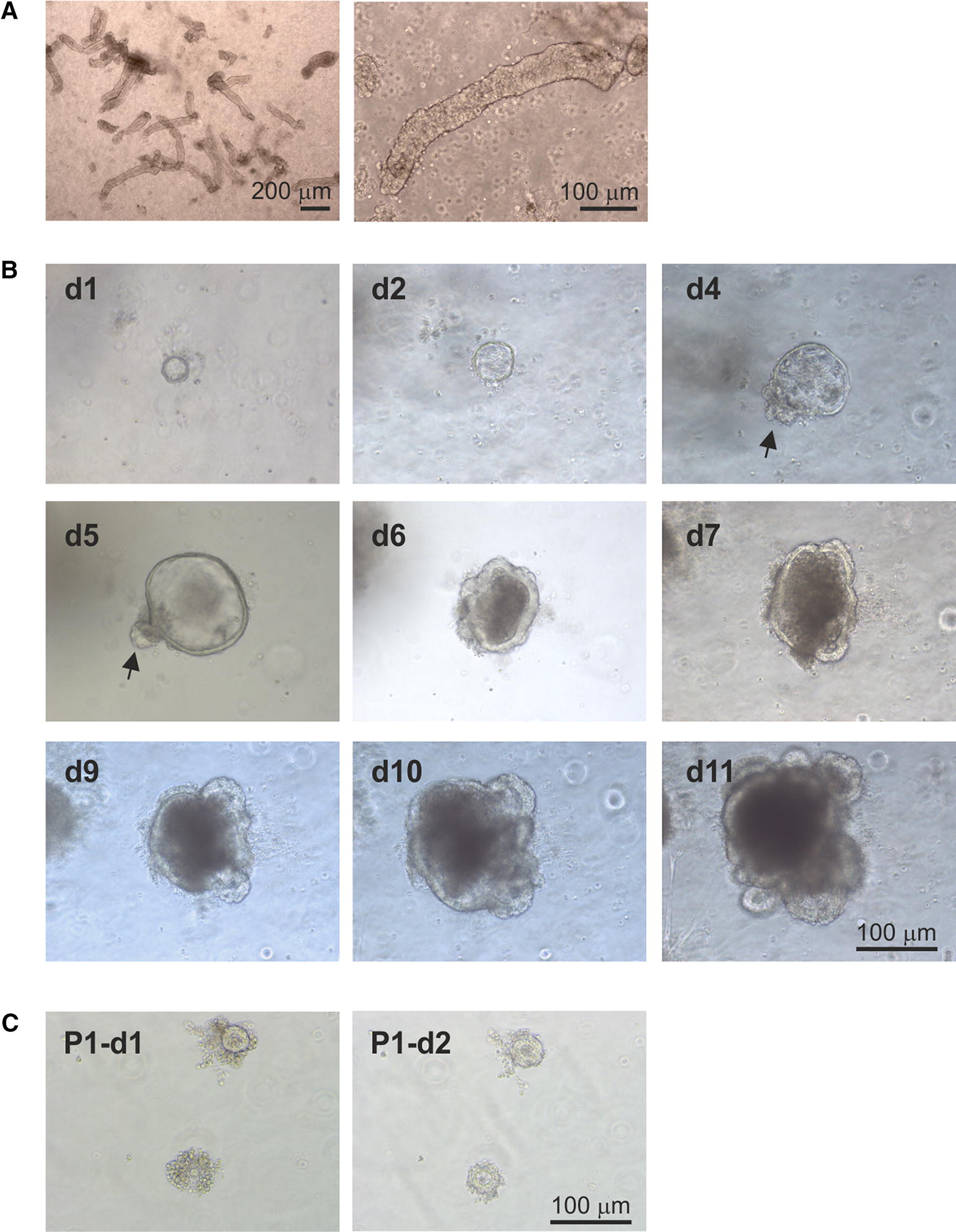
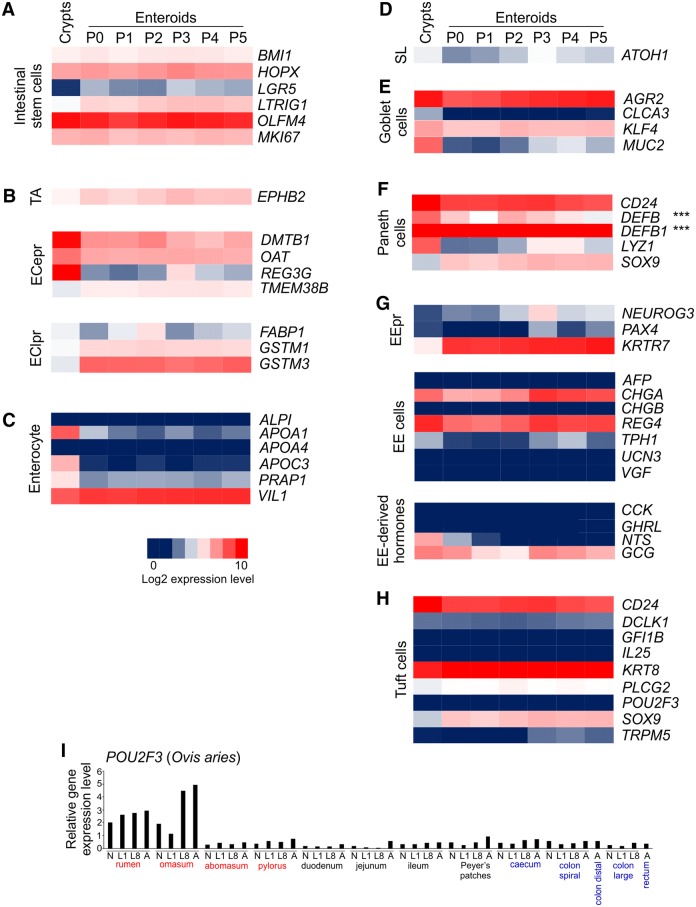
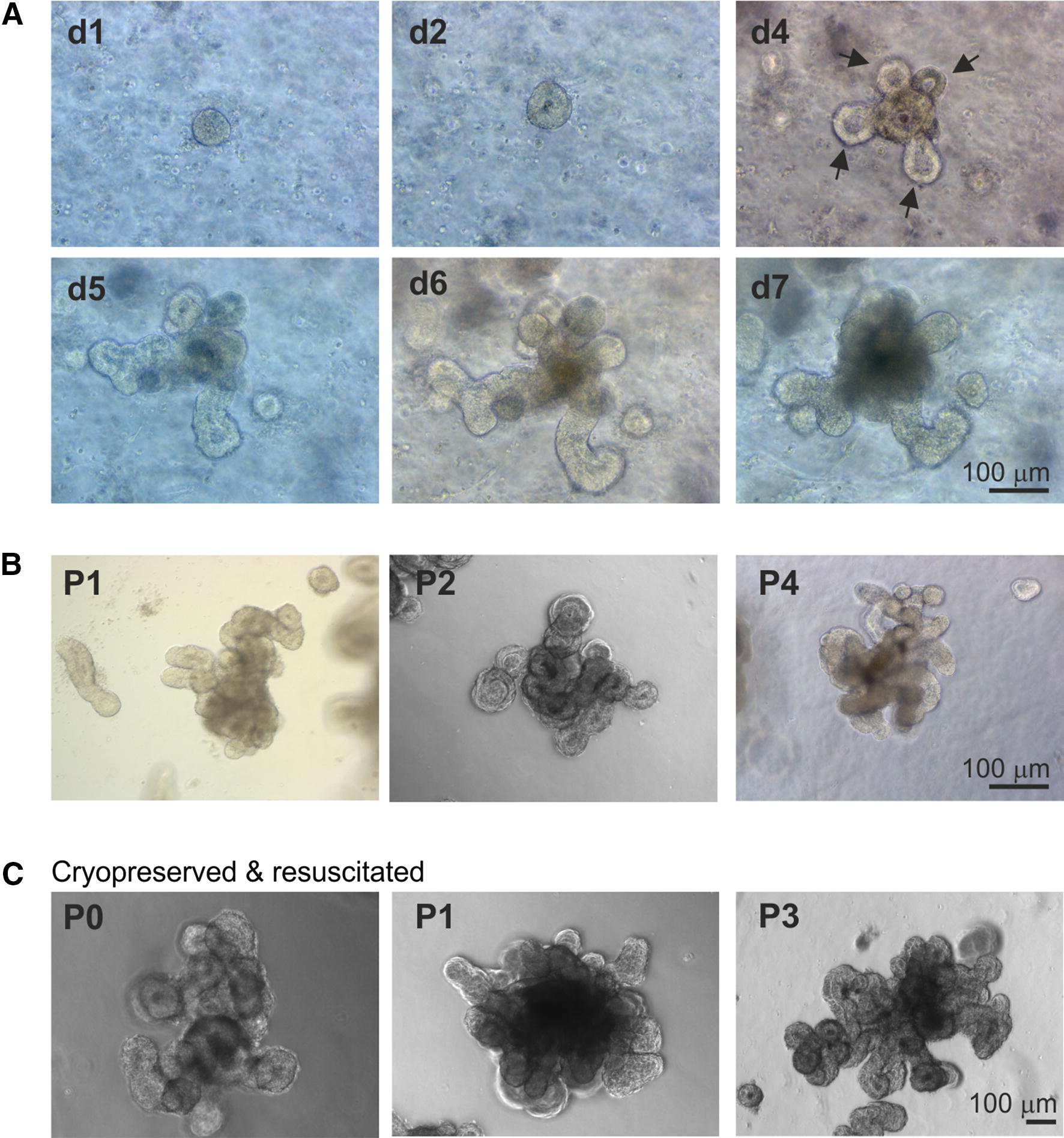
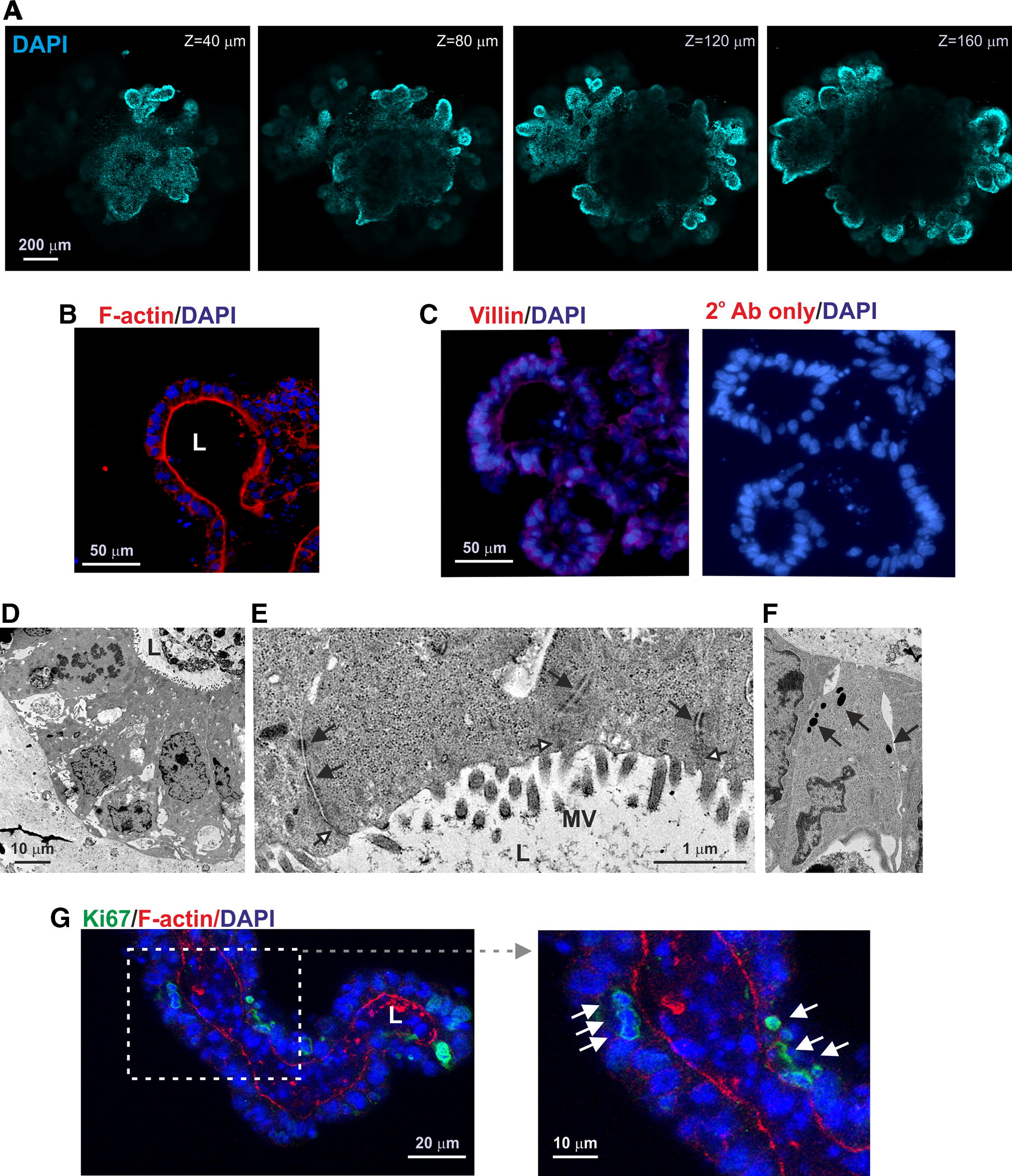
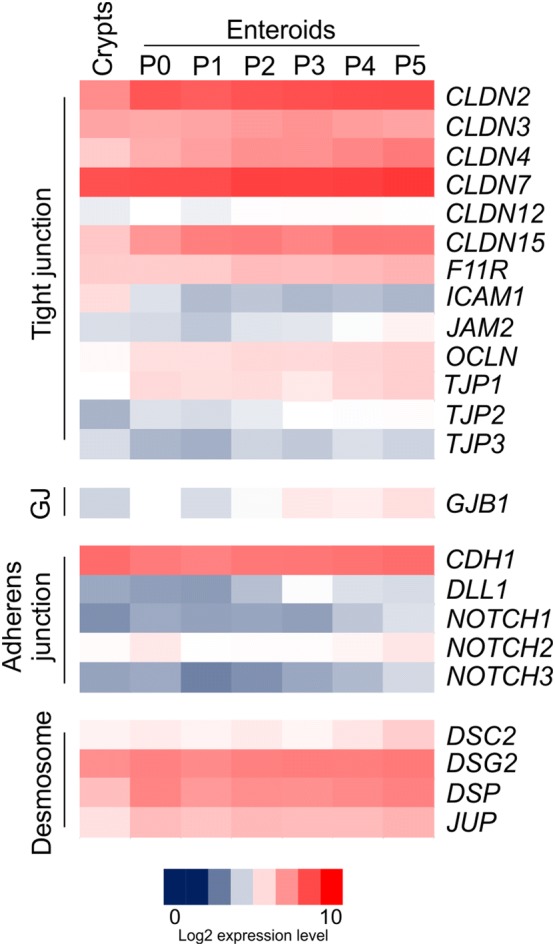
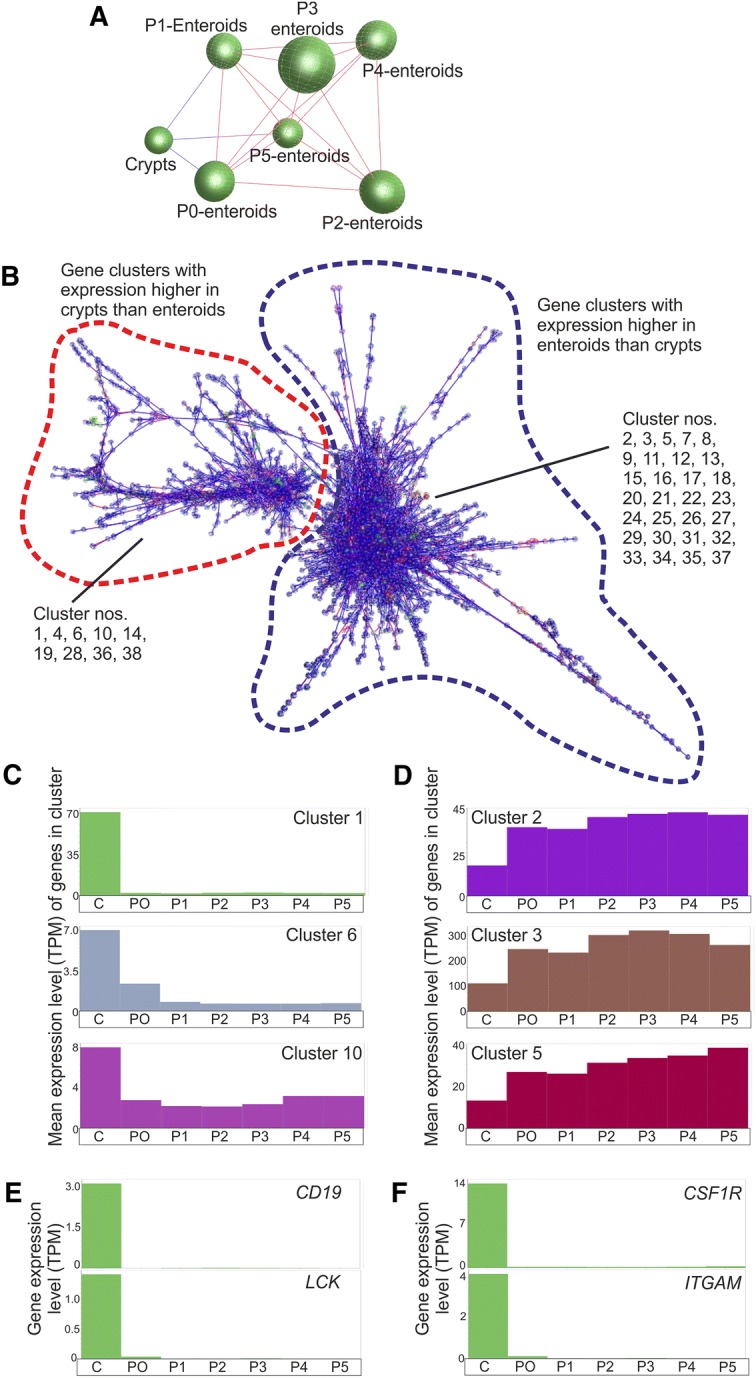
Cattle are an economically important domestic animal species. In vitro 2D cultures of intestinal epithelial cells or epithelial cell lines have been widely used to study cell function and host-pathogen interactions in the bovine intestine. However, these cultures lack the cellular diversity encountered in the intestinal epithelium, and the physiological relevance of monocultures of transformed cell lines is uncertain. Little is also known of the factors that influence cell differentiation and homeostasis in the bovine intestinal epithelium, and few cell-specific markers that can distinguish the different intestinal epithelial cell lineages have been reported. Here we describe a simple and reliable procedure to establish in vitro 3D enteroid, or "mini gut", cultures from bovine small intestinal (ileal) crypts. These enteroids contained a continuous central lumen lined with a single layer of polarized enterocytes, bound by tight junctions with abundant microvilli on their apical surfaces. Histological and transcriptional analyses suggested that the enteroids comprised a mixed population of intestinal epithelial cell lineages including intestinal stem cells, enterocytes, Paneth cells, goblet cells and enteroendocrine cells. We show that bovine enteroids can be successfully maintained long-term through multiple serial passages without observable changes to their growth characteristics, morphology or transcriptome. Furthermore, the bovine enteroids can be cryopreserved and viable cultures recovered from frozen stocks. Our data suggest that these 3D bovine enteroid cultures represent a novel, physiologically-relevant and tractable in vitro system in which epithelial cell differentiation and function, and host-pathogen interactions in the bovine small intestine can be studied.
牛是一种具有重要经济价值的家畜。体外二维培养的肠上皮细胞或上皮细胞系已广泛用于研究牛肠细胞功能和宿主-病原体相互作用。然而,这些培养物缺乏肠上皮中遇到的细胞多样性,转化细胞系的单培养物的生理相关性尚不确定。人们对影响牛肠上皮细胞分化和稳态的因素知之甚少,并且报道的能够区分不同肠上皮细胞谱系的细胞特异性标志物也很少。在这里,我们描述了一种从牛小肠(回肠)隐窝建立体外 3D 类器官或“迷你肠道”培养物的简单可靠的方法。这些类器官包含一个连续的中央腔,内衬单层极化的肠上皮细胞,紧密连接,顶端表面有丰富的微绒毛。组织学和转录分析表明,类器官包含包括肠干细胞、肠上皮细胞、潘氏细胞、杯状细胞和肠内分泌细胞在内的多种肠上皮细胞谱系的混合群体。我们表明,牛类器官可以通过多次连续传代长期维持,而不会改变其生长特性、形态或转录组。此外,牛类器官可以冷冻保存,并从冷冻库存中恢复有活力的培养物。我们的数据表明,这些 3D 牛类器官培养物代表了一种新颖的、生理相关的、易于处理的体外系统,可以研究牛小肠中的上皮细胞分化和功能以及宿主-病原体相互作用。