Department of Food and Nutritional Sciences, University of Reading, Reading, RG66AP, UK.
Clasado Research Services Ltd., Thames Valley Science Park, Reading, RG29LH, UK.
Microbiome. 2018 Aug 2;6(1):133. doi: 10.1186/s40168-018-0523-3.
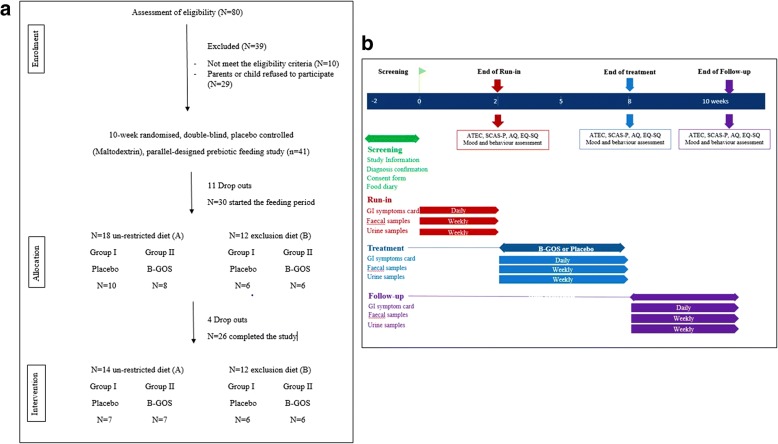
Different dietary approaches, such as gluten and casein free diets, or the use of probiotics and prebiotics have been suggested in autistic spectrum disorders in order to reduce gastrointestinal (GI) disturbances. GI symptoms are of particular interest in this population due to prevalence and correlation with the severity of behavioural traits. Nowadays, there is lack of strong evidence about the effect of dietary interventions on these problems, particularly prebiotics. Therefore, we assessed the impact of exclusion diets and a 6-week Bimuno® galactooligosaccharide (B-GOS®) prebiotic intervention in 30 autistic children.
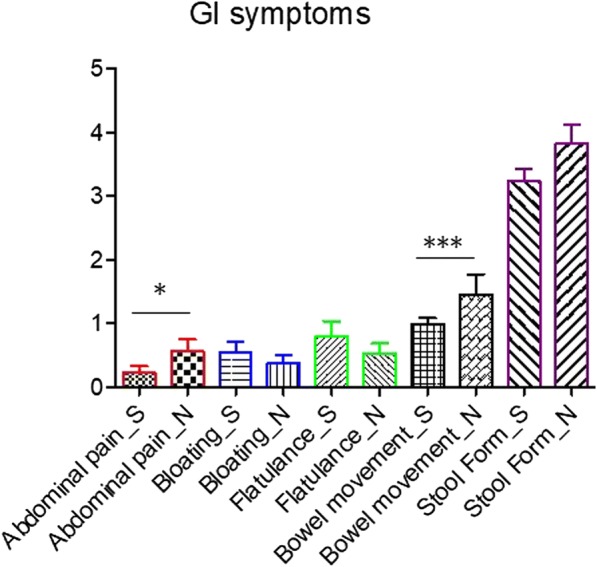
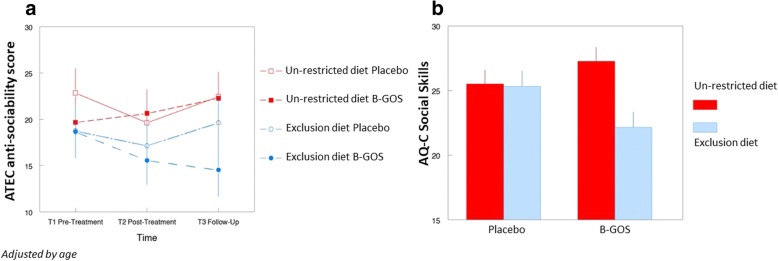
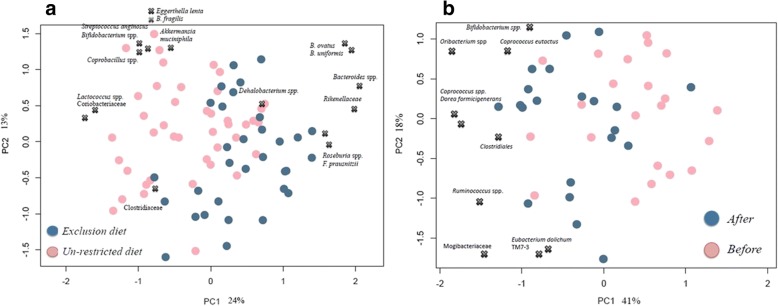
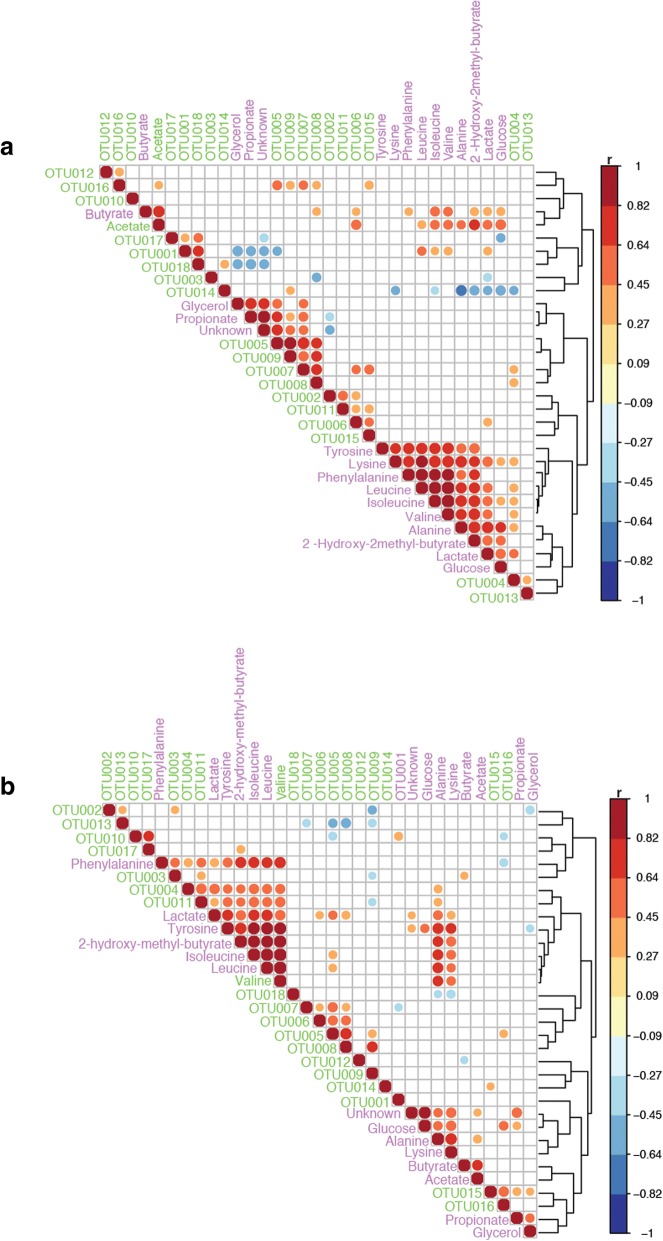
The results showed that children on exclusion diets reported significantly lower scores of abdominal pain and bowel movement, as well as lower abundance of Bifidobacterium spp. and Veillonellaceae family, but higher presence of Faecalibacterium prausnitzii and Bacteroides spp. In addition, significant correlations were found between bacterial populations and faecal amino acids in this group, compared to children following an unrestricted diet. Following B-GOS® intervention, we observed improvements in anti-social behaviour, significant increase of Lachnospiraceae family, and significant changes in faecal and urine metabolites.
To our knowledge, this is the first study where the effect of exclusion diets and prebiotics has been evaluated in autism, showing potential beneficial effects. A combined dietary approach resulted in significant changes in gut microbiota composition and metabolism suggesting that multiple interventions might be more relevant for the improvement of these aspects as well as psychological traits.
NCT02720900 ; registered in November 2015.
为了减轻胃肠道(GI)紊乱,在自闭症谱系障碍中,已经提出了不同的饮食方法,例如无麸质和无酪蛋白饮食,或使用益生菌和益生元。由于这种人群中胃肠道症状的普遍性及其与行为特征严重程度的相关性,因此这些症状特别令人关注。如今,关于饮食干预对这些问题(尤其是益生元)的影响缺乏有力的证据。因此,我们评估了排除饮食和为期 6 周的 Bimuno®半乳糖寡糖(B-GOS®)益生元干预对 30 名自闭症儿童的影响。
结果表明,进行排除饮食的儿童报告腹痛和肠蠕动的评分明显较低,双歧杆菌属和韦荣氏球菌科的丰度较低,但普氏粪杆菌和拟杆菌属的丰度较高。此外,与遵循非限制饮食的儿童相比,在该组中发现了细菌种群与粪便氨基酸之间存在显著相关性。在 B-GOS®干预后,我们观察到反社会行为得到改善,lachnospiraceae 家族显著增加,粪便和尿液代谢物发生了显著变化。
据我们所知,这是第一项评估自闭症中排除饮食和益生元影响的研究,显示出潜在的有益作用。联合饮食方法导致肠道微生物群组成和代谢发生显著变化,这表明多种干预措施可能更有助于改善这些方面以及心理特征。
NCT02720900;于 2015 年 11 月注册。