Arya S K, Gallo R C
Proc Natl Acad Sci U S A. 1986 Apr;83(7):2209-13. doi: 10.1073/pnas.83.7.2209.
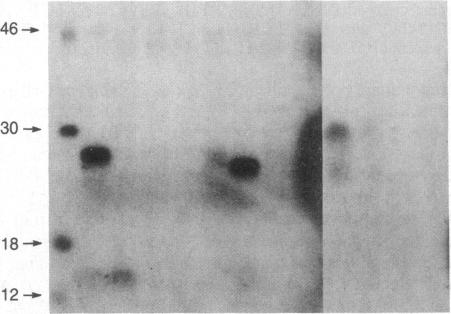
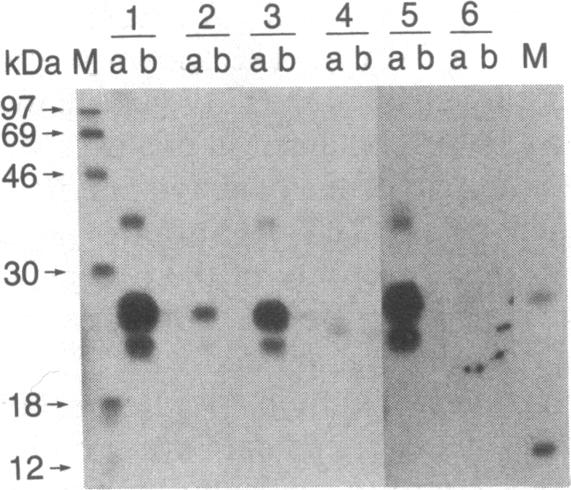
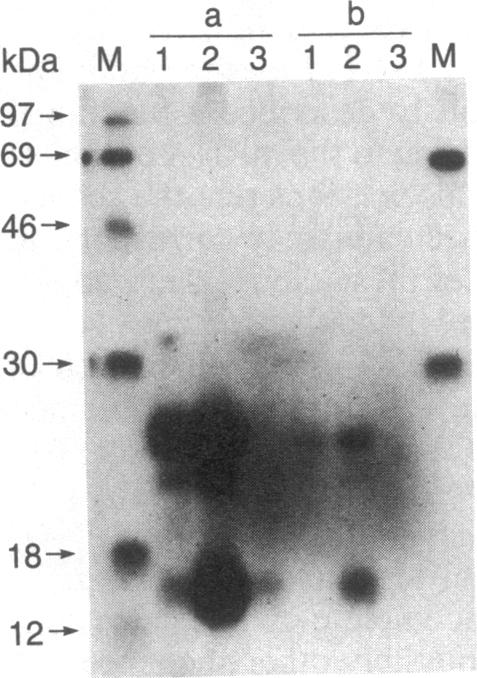
Human T-lymphotropic virus type III or lymphoadenopathy associated virus (HTLV-III/LAV) is the cause of acquired immune deficiency syndrome (AIDS). In addition to the conventional retroviral genes involved in virus replication, namely, gag, pol, and env genes, DNA sequence analysis of HTLV-III genome predicted two additional open reading frames termed by us short open reading frame (sor) and 3' open reading frame (3' orf). Furthermore, functional analysis revealed another gene with transactivating function, termed tat. We have now structurally identified and functionally characterized these HTLV-III specific genes by way of cDNA cloning. DNA sequence analysis of the clones shows that the tat and 3' orf genes contain three exons and their transcription into functional mRNA involves two splicing events and that the sor gene contains at least two exons. In vitro transcription and translation of the cloned spliced sequences show that the sor, tat, and 3' orf genes code for polypeptides with apparent mobility of 24-25 kDa, 14-15 kDa, and 26-28 kDa, respectively. All three polypeptides are immune reactive and are immunogenic in the natural host. The results demonstrate that the three extra open reading frames of HTLV-III, two of which are unique to HTLV-III, are in fact genes that function in vivo and further allow the identification of three new and previously unrecognized HTLV-III antigens with differential immunogenicity in individuals with acquired immune deficiency syndrome and related disorders.
人类嗜T淋巴细胞病毒III型或淋巴结病相关病毒(HTLV-III/LAV)是获得性免疫缺陷综合征(AIDS)的病因。除了参与病毒复制的传统逆转录病毒基因,即gag、pol和env基因外,HTLV-III基因组的DNA序列分析预测还有另外两个开放阅读框,我们将其称为短开放阅读框(sor)和3'开放阅读框(3'orf)。此外,功能分析揭示了另一个具有反式激活功能的基因,称为tat。我们现在通过cDNA克隆在结构上鉴定了这些HTLV-III特异性基因并对其进行了功能表征。对克隆的DNA序列分析表明,tat和3'orf基因包含三个外显子,它们转录成功能性mRNA涉及两次剪接事件,而sor基因至少包含两个外显子。对克隆的剪接序列进行体外转录和翻译表明,sor、tat和3'orf基因分别编码表观迁移率为24 - 25 kDa、14 - 15 kDa和26 - 28 kDa的多肽。所有这三种多肽都具有免疫反应性,并且在天然宿主中具有免疫原性。结果表明,HTLV-III的三个额外开放阅读框,其中两个是HTLV-III所特有的,实际上是在体内发挥功能的基因,并且进一步使得能够鉴定出三种新的、以前未被识别的HTLV-III抗原,它们在获得性免疫缺陷综合征及相关疾病患者中具有不同的免疫原性。