Taylor Louise H, Nel Louis H
Global Alliance for Rabies Control, Manhattan, KS, USA,
Department of Microbiology and Plant Pathology, Faculty of Natural and Agricultural Sciences, University of Pretoria, Pretoria, South Africa.
Vet Med (Auckl). 2015 Nov 5;6:361-371. doi: 10.2147/VMRR.S51147. eCollection 2015.
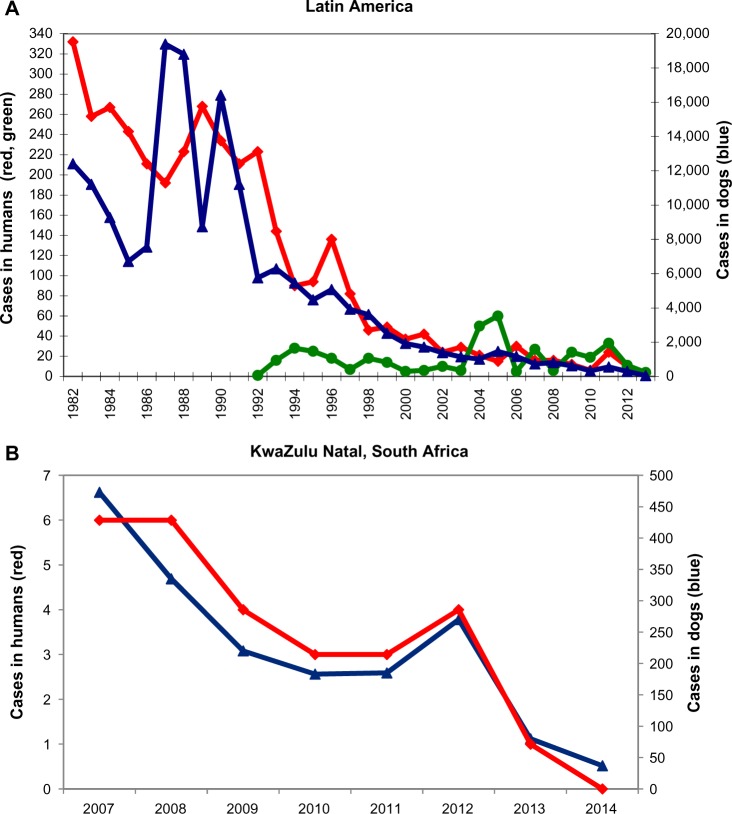
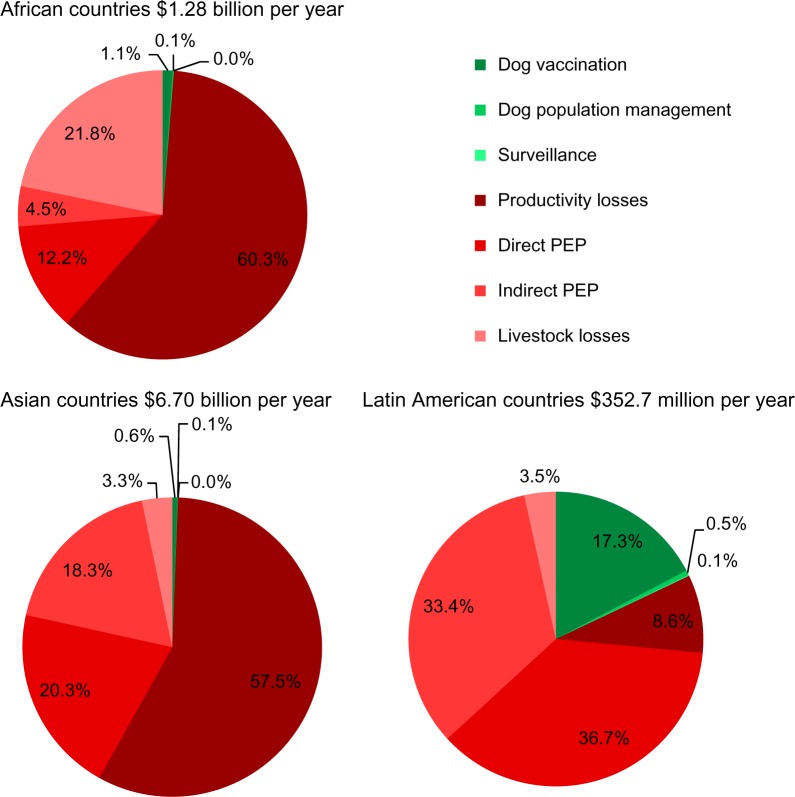
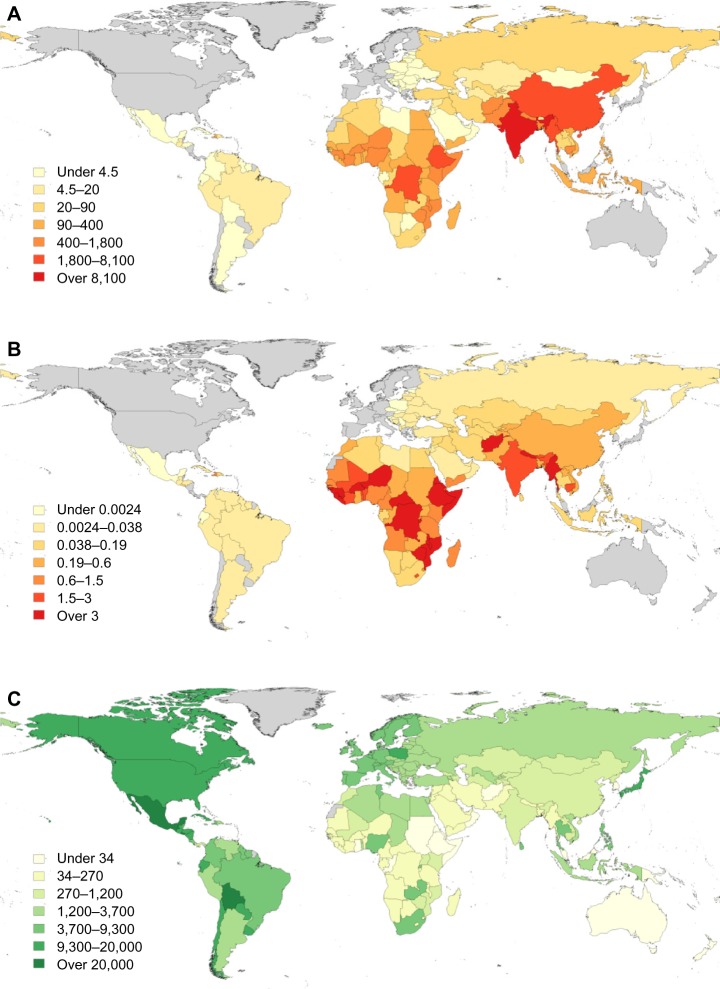
The rabies virus, a public health scourge from ancient times, is currently responsible for an estimated 59,000 human deaths a year, almost all transmitted via dog bites. It causes considerable economic impacts on developing countries, primarily in Africa and Asia, which can least afford these losses. However, despite its almost 100% case fatality rate, canine rabies is a completely preventable disease, and historic examples of canine rabies elimination in the developed world attest to this. Over the last decade, programs based on eliminating the source of the disease from dogs have shown success in reducing the public health burden of canine rabies in developing countries, notably across Latin America, and this has contributed to the growing evidence base necessary to change attitudes toward the feasibility of global canine rabies elimination. More recently, assessments of the current economic burden of canine rabies and the potential cost savings achievable through mass dog vaccinations have been added to this evidence base. Tools and support are available from the international community to help countries move progressively toward canine rabies elimination, and there is optimism that global freedom from canine rabies can be achieved within the next few decades.
狂犬病病毒是一种自古以来就危害公众健康的疫病,目前估计每年导致5.9万人死亡,几乎所有死亡都是由犬类咬伤传播所致。它给发展中国家造成了相当大的经济影响,主要集中在非洲和亚洲,而这些地区最难以承受这些损失。然而,尽管狂犬病的病死率几乎达100%,犬类狂犬病却是一种完全可以预防的疾病,发达国家消除犬类狂犬病的历史实例证明了这一点。在过去十年里,以消除犬类疾病源头为基础的项目已成功减轻了发展中国家犬类狂犬病对公众健康的负担,尤其是在拉丁美洲,这也为改变对全球消除犬类狂犬病可行性的态度提供了越来越多的证据。最近,对犬类狂犬病当前经济负担以及通过大规模犬类疫苗接种可实现的潜在成本节约的评估也被纳入了这一证据体系。国际社会提供了相关工具和支持,以帮助各国逐步实现消除犬类狂犬病的目标,人们乐观地认为,在未来几十年内能够实现全球无犬类狂犬病。