Li Min, Fan Yancun, McNeil Edward B, Chongsuvivatwong Virasakdi
Epidemiology Unit, Faculty of Medicine, Prince of Songkla University, Songkhla 90110, Thailand.
Faculty of Health Management, Inner Mongolia Medical University, Hohhot 010020, China.
Evid Based Complement Alternat Med. 2018 Jul 19;2018:2698461. doi: 10.1155/2018/2698461. eCollection 2018.
In Inner Mongolia of China, traditional Mongolian medicine (TMM), traditional Chinese medicine (TCM), and western medicine (WM) are all supported by the government. This study compares the background and performance of these three types of medicines.
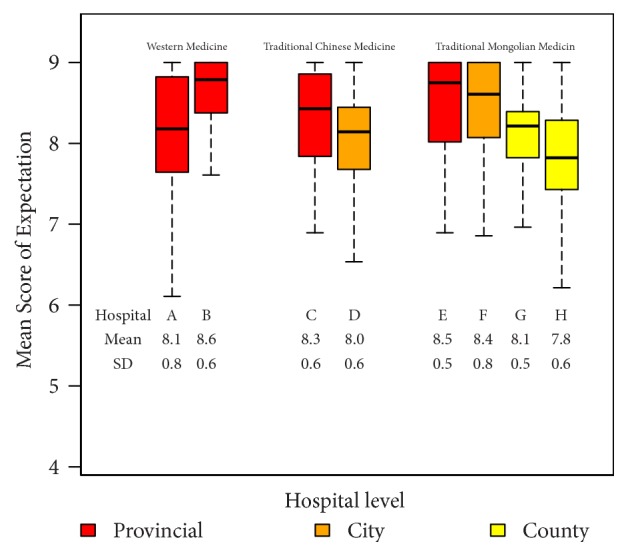
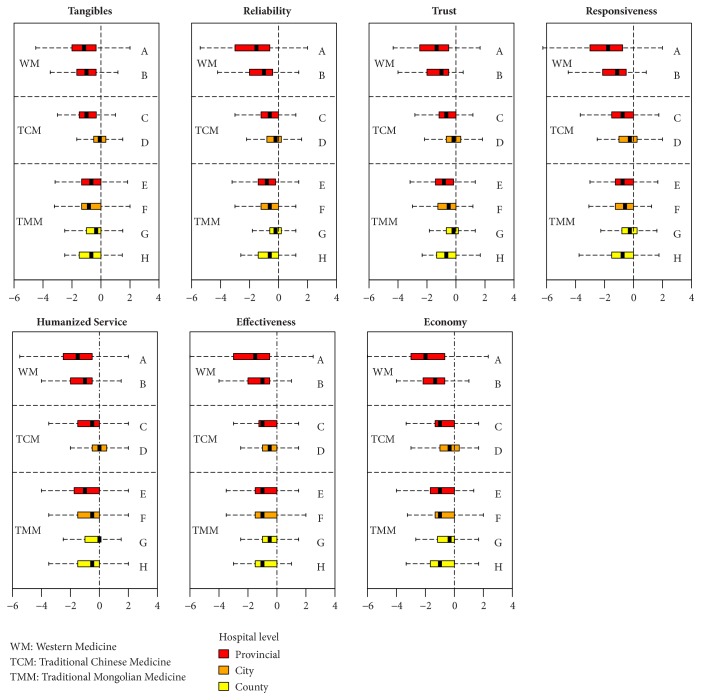
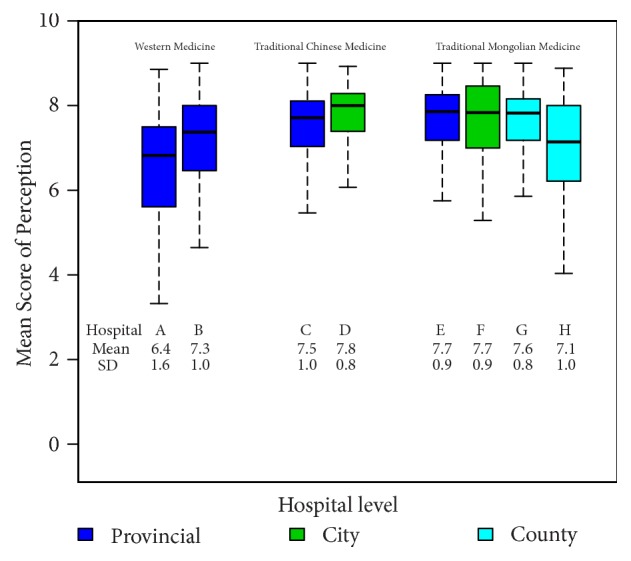
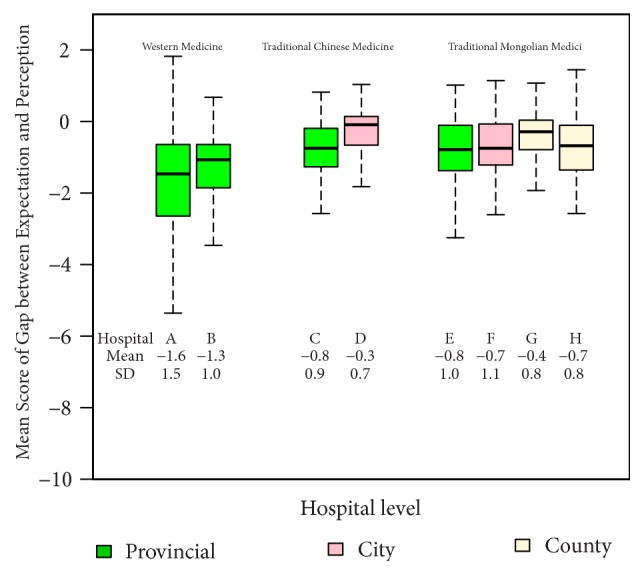
The World Health Organization's Six Building Blocks framework was used for the system review. Data were collected from literature review and key informant interviews. A cross-sectional survey was conducted in three types of hospitals at the provincial, municipal (city), and prefectural (county) levels from April to August, 2016. Eight hospitals were included and, within each one, patients from four outpatient departments were selected. A total of 1,322 patients were interviewed about their expectations and perceptions of the health service.
Government support for TMM includes higher budget allocation and a higher reimbursement rate. TMM is preferred by Mongolian people, those living in pasturing areas, and those seeking treatment for musculoskeletal problems/injuries. Patients attending TMM hospitals had the highest expectations and perceptions of the health service in general. However, human resources and research capacity of TMM are relatively limited.
To further enhance the role of the popular TMM for local minority's health, human resources and research capacity strengthening are essential.
在中国内蒙古,传统蒙医、中医和西医均得到政府支持。本研究比较这三种医学的背景和表现。
采用世界卫生组织的六大要素框架进行系统评价。数据通过文献综述和关键信息人访谈收集。2016年4月至8月,在省级、市级(城市)和县级的三类医院开展横断面调查。纳入八所医院,每所医院选取四个门诊科室的患者。共对1322名患者进行访谈,了解他们对卫生服务的期望和看法。
政府对蒙医的支持包括更高的预算拨款和更高的报销比例。蒙古族人群、生活在牧区的人群以及寻求肌肉骨骼问题/损伤治疗的人群更倾向于蒙医。总体而言,在蒙医医院就诊的患者对卫生服务的期望和评价最高。然而,蒙医的人力资源和研究能力相对有限。
为进一步增强广受欢迎的蒙医对当地少数民族健康的作用,加强人力资源和研究能力至关重要。