Department of Global Health and Development, London School of Hygiene and Tropical Medicine, 15-17 Tavistock Place, London, WC1H 9SH, UK.
Department of Population, Family and Reproductive Health, Johns Hopkins Bloomberg School of Public Health and School of Nursing, 615 N Wolfe Street, Baltimore, MD, 21205, USA.
Global Health. 2018 Aug 17;14(1):83. doi: 10.1186/s12992-018-0398-x.
Recently, Global Health practitioners, scholars, and donors have expressed increased interest in "changing social norms" as a strategy to promote health and well-being in low and mid-income countries (LMIC). Despite this burgeoning interest, the ability of practitioners to use social norm theory to inform health interventions varies widely.
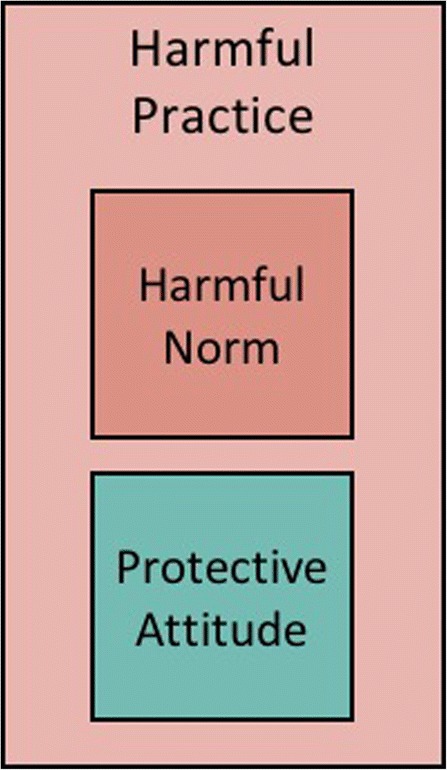
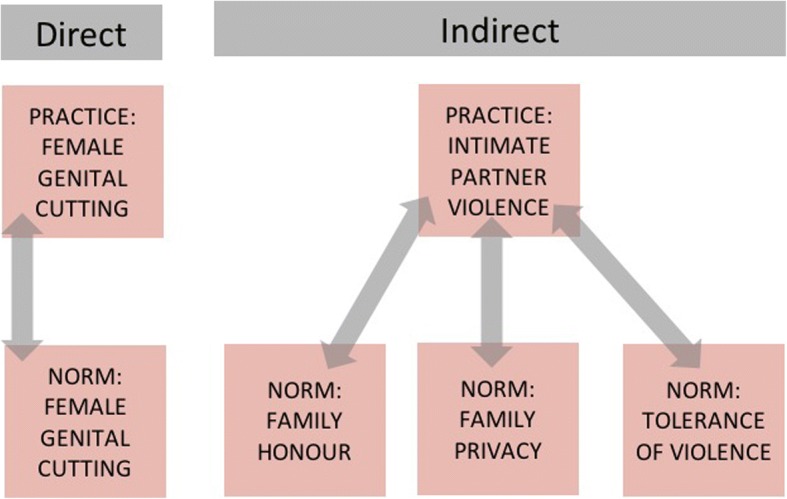
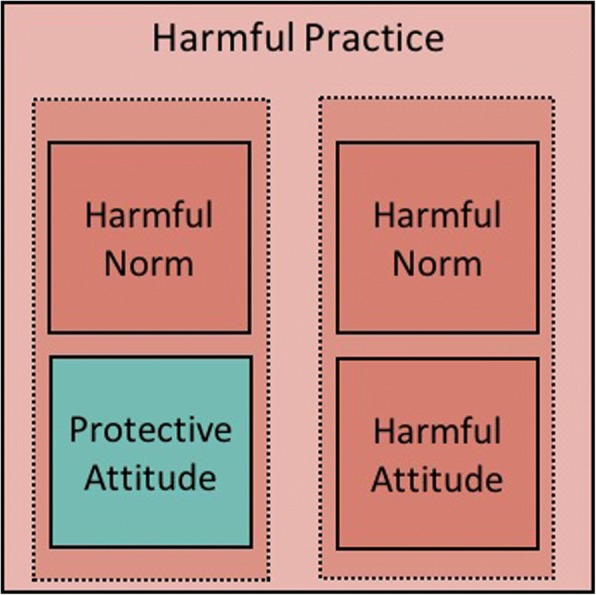
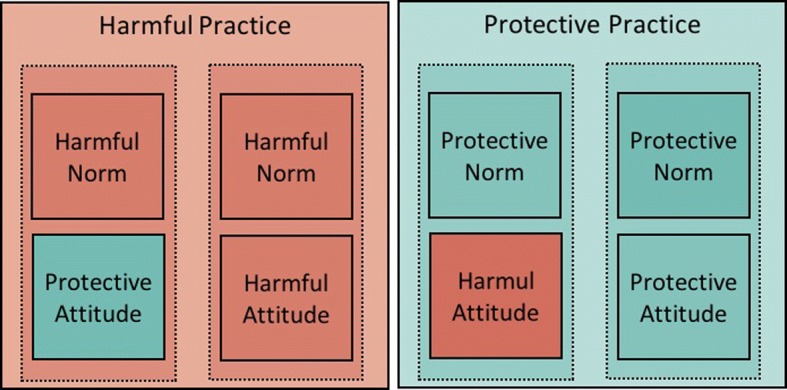
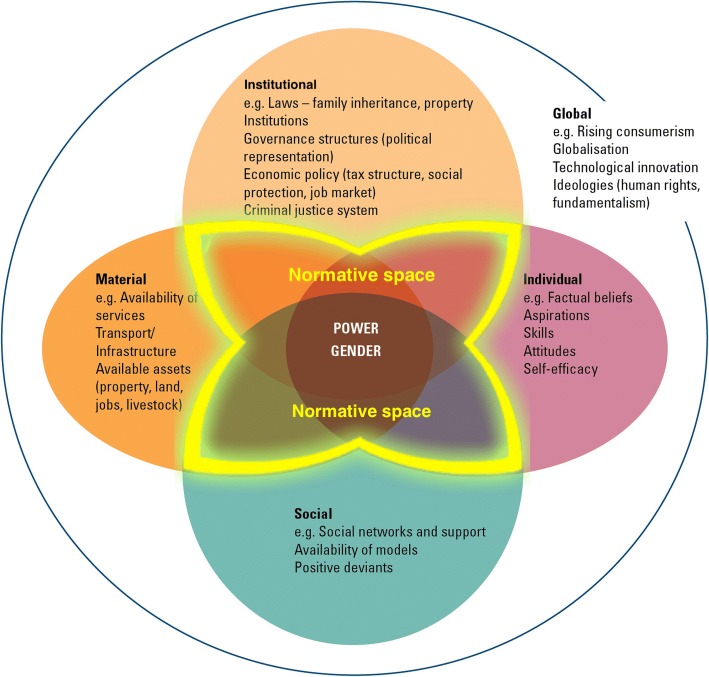
Here, we identify eight pitfalls that practitioners must avoid as they plan to integrate a social norms perspective in their interventions, as well as eight learnings. These learnings are: 1) Social norms and attitudes are different; 2) Social norms and attitudes can coincide; 3) Protective norms can offer important resources for achieving effective social improvement in people's health-related practices; 4) Harmful practices are sustained by a matrix of factors that need to be understood in their interactions; 5) The prevalence of a norm is not necessarily a sign of its strength; 6) Social norms can exert both direct and indirect influence; 7) Publicising the prevalence of a harmful practice can make things worse; 8) People-led social norm change is both the right and the smart thing to do.
As the understanding of how norms evolve in LMIC advances, practitioners will develop greater understanding of what works to help people lead change in harmful norms within their contexts. Awareness of these pitfalls has helped several of them increase the effectiveness of their interventions addressing social norms in the field. We are confident that others will benefit from these reflections as well.
最近,全球健康从业者、学者和捐赠者对“改变社会规范”作为促进低收入和中等收入国家(LMIC)健康和福祉的策略表现出了越来越大的兴趣。尽管人们对此兴趣日益浓厚,但从业者将社会规范理论应用于健康干预措施的能力差异很大。
在这里,我们确定了从业者在计划将社会规范视角纳入干预措施时必须避免的八个陷阱,以及八个教训。这些教训是:1)社会规范和态度不同;2)社会规范和态度可以一致;3)保护规范可以为人们在与健康相关的实践中实现有效社会改善提供重要资源;4)有害做法是由需要了解其相互作用的一系列因素维持的;5)规范的流行程度不一定是其强度的标志;6)社会规范可以产生直接和间接的影响;7)宣传有害做法的流行程度可能会使情况变得更糟;8)由人民主导的社会规范改变既是正确的,也是明智的做法。
随着对社会规范在 LMIC 中如何演变的理解的推进,从业者将对在其背景下帮助人们领导有害规范变革的有效措施有更深入的了解。意识到这些陷阱帮助其中一些人提高了他们在实地解决社会规范问题的干预措施的有效性。我们相信,其他人也将从这些反思中受益。