Department of Population Health, Poultry Diagnostic and Research Center, College of Veterinary Medicine, University of Georgia, Athens, Georgia, USA.
Department of Population Health, Poultry Diagnostic and Research Center, College of Veterinary Medicine, University of Georgia, Athens, Georgia, USA
J Virol. 2018 Oct 12;92(21). doi: 10.1128/JVI.01025-18. Print 2018 Nov 1.
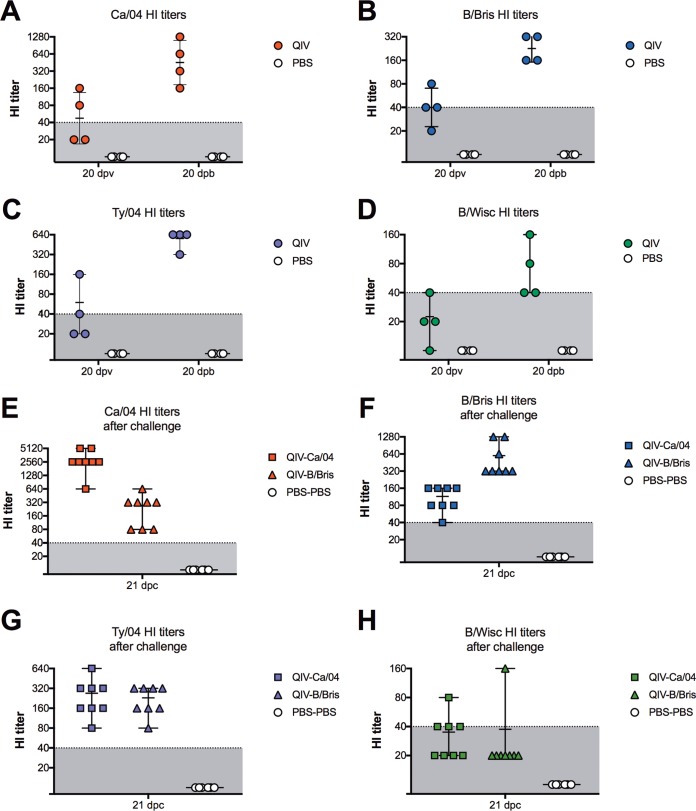
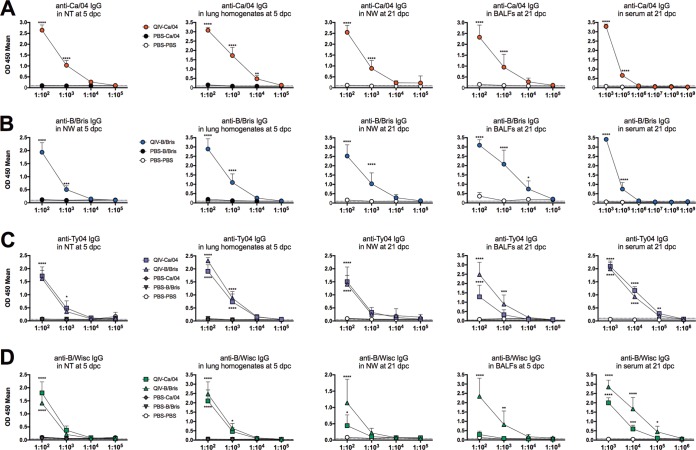
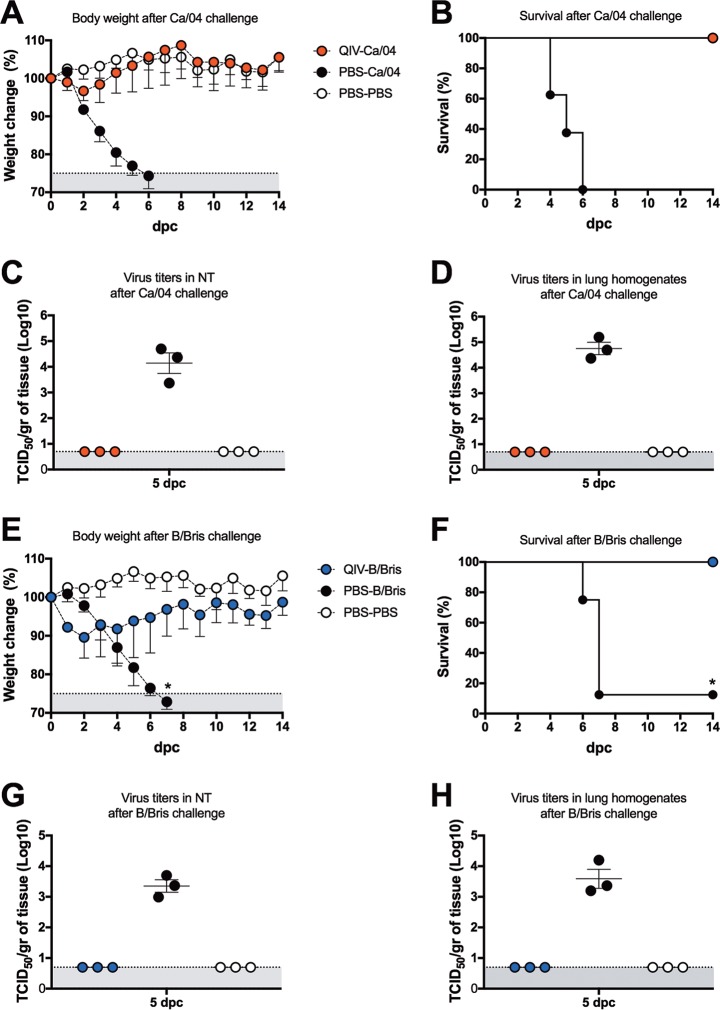
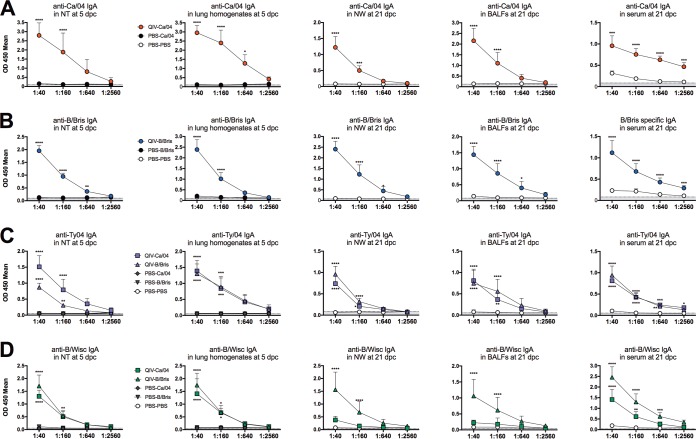
Influenza virus infections continue to pose a major public health threat worldwide associated with seasonal epidemics and sporadic pandemics. Vaccination is considered the first line of defense against influenza. Live attenuated influenza virus vaccines (LAIVs) may provide superior responses compared to inactivated vaccines because the former can better elicit a combination of humoral and cellular responses by mimicking a natural infection. Unfortunately, during the 2013-2014, 2014-2015, and 2015-2016 seasons, concerns emerged about the effectiveness of the only LAIV approved in the United States that prevented the Advisory Committee on Immunization Practices (ACIP) from recommending its use. Such drawbacks open up the opportunity for alternative LAIV strategies that could overcome such concerns. Previously, we developed a combined strategy of temperature-sensitive mutations in the PB2 and PB1 segments and an epitope tag in the C terminus of PB1 that effectively attenuates influenza A viruses of avian and mammalian origin. More recently, we adopted a similar strategy for influenza B viruses. The resulting attenuated () influenza A and B viruses were safe, immunogenic, and protective against lethal influenza virus challenge in a variety of animal models. In this report, we provide evidence of the potential use of our strategy in a quadrivalent LAIV (QIV) formulation carrying H3N2 and H1N1 influenza A virus subtype viruses and two antigenic lineages of influenza B viruses. In naive DBA/2J mice, two doses of the QIV elicited hemagglutination inhibition (HI) responses with HI titers of ≥40 and effectively protected against lethal challenge with prototypical pandemic H1N1 influenza A and influenza B virus strains. Seasonal influenza viruses infect 1 billion people worldwide and are associated with ∼500,000 deaths annually. In addition, the never-ending emergence of zoonotic influenza viruses associated with lethal human infections and of pandemic concern calls for the development of better vaccines and/or vaccination strategies against influenza virus. Regardless of the strategy, novel influenza virus vaccines must aim at providing protection against both seasonal influenza A and B viruses. In this study, we tested an alternative quadrivalent live attenuated influenza virus vaccine (QIV) formulation whose individual components have been previously shown to provide protection. We demonstrate in proof-of principle studies in mice that the QIV provides effective protection against lethal challenge with either influenza A or B virus.
流感病毒感染继续在全球范围内构成重大公共卫生威胁,与季节性流行和偶发性大流行有关。疫苗接种被认为是预防流感的第一道防线。与灭活疫苗相比,活减毒流感病毒疫苗(LAIV)可能提供更好的反应,因为前者通过模拟自然感染更好地引发体液和细胞反应的组合。不幸的是,在 2013-2014、2014-2015 和 2015-2016 季节,人们对美国唯一批准的 LAIV 的有效性产生了担忧,这导致免疫实践咨询委员会(ACIP)不建议使用该疫苗。这些缺点为替代 LAIV 策略提供了机会,可以克服这些担忧。此前,我们开发了一种组合策略,即在 PB2 和 PB1 节段中使用温度敏感突变和 PB1 末端的表位标记,有效减毒了来自禽类和哺乳动物的流感 A 病毒。最近,我们对流感 B 病毒采用了类似的策略。由此产生的减毒()流感 A 和 B 病毒在各种动物模型中是安全的、免疫原性的,并能预防致命的流感病毒挑战。在本报告中,我们提供了证据表明,我们的策略有可能在携带 H3N2 和 H1N1 流感 A 病毒亚型病毒和两种流感 B 病毒抗原谱系的四价 LAIV(QIV)配方中使用。在天真的 DBA/2J 小鼠中,两次接种 QIV 引起血凝抑制(HI)反应,HI 滴度≥40,并有效预防致死性原型大流行 H1N1 流感 A 和 B 病毒株的挑战。季节性流感病毒在全球范围内感染了 10 亿人,每年与约 50 万人死亡有关。此外,与致命人类感染和大流行相关的不断出现的人畜共患流感病毒以及引发关注的大流行需要开发更好的流感病毒疫苗和/或接种策略。无论采用哪种策略,新型流感病毒疫苗都必须旨在提供对季节性流感 A 和 B 病毒的保护。在这项研究中,我们测试了一种替代的四价活减毒流感病毒疫苗(QIV)配方,其各个成分先前已被证明具有保护作用。我们在小鼠中的原理研究中证明,QIV 可有效预防致命性流感 A 或 B 病毒的挑战。