Monnier Noadya, Furlan Aurélien, Botcazon Camille, Dahi Abdellatif, Mongelard Gaëlle, Cordelier Sylvain, Clément Christophe, Dorey Stéphan, Sarazin Catherine, Rippa Sonia
Unité de Génie Enzymatique et Cellulaire, CNRS UMR 7025, SFR Condorcet FR CNRS 3417, Université de Picardie Jules Verne, Amiens, France.
Unité de Génie Enzymatique et Cellulaire, CNRS UMR 7025, SFR Condorcet FR CNRS 3417, Université de Technologie de Compiègne, Sorbonne Universités, Compiègne, France.
Front Plant Sci. 2018 Aug 8;9:1170. doi: 10.3389/fpls.2018.01170. eCollection 2018.
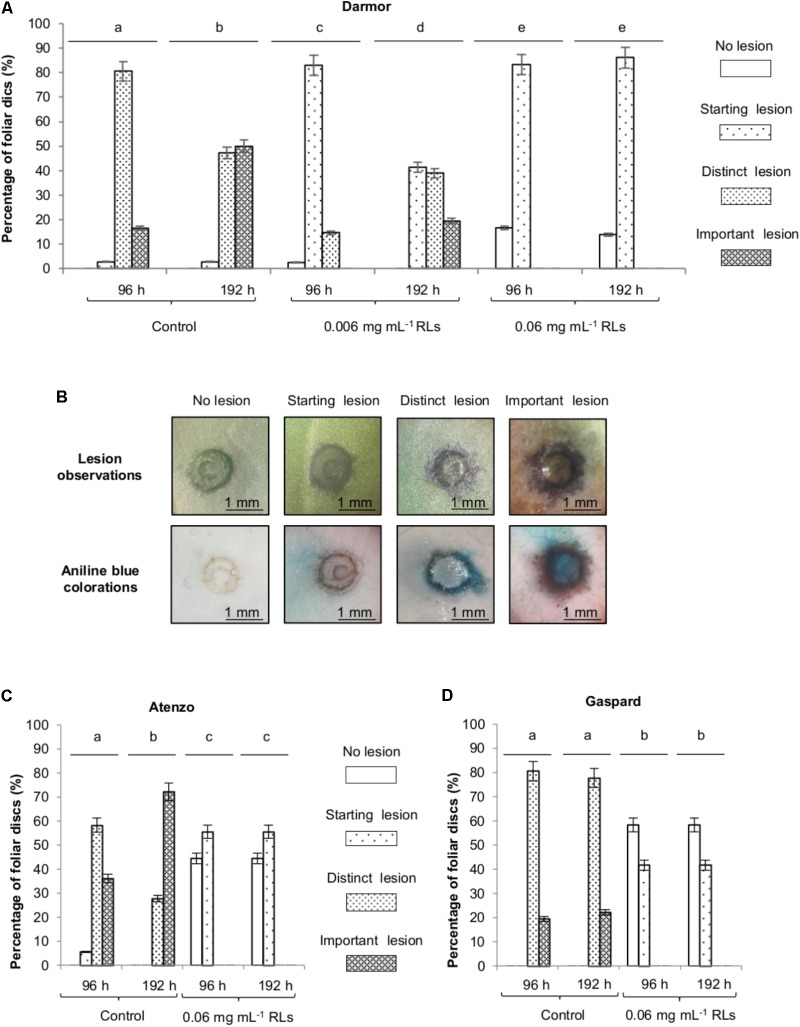
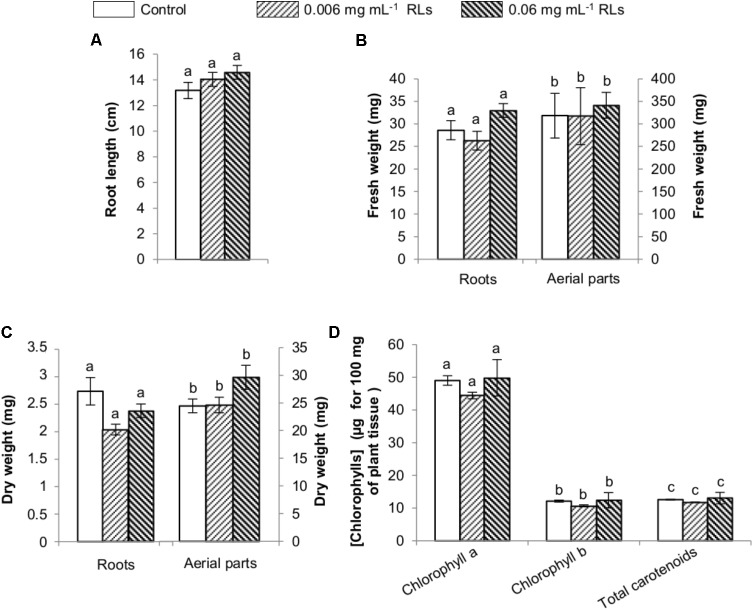
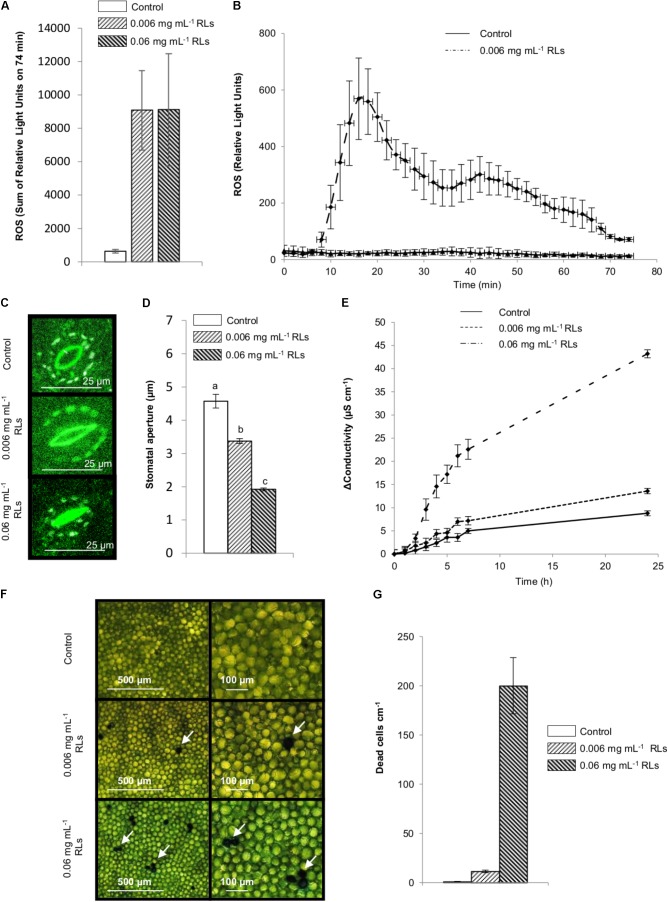
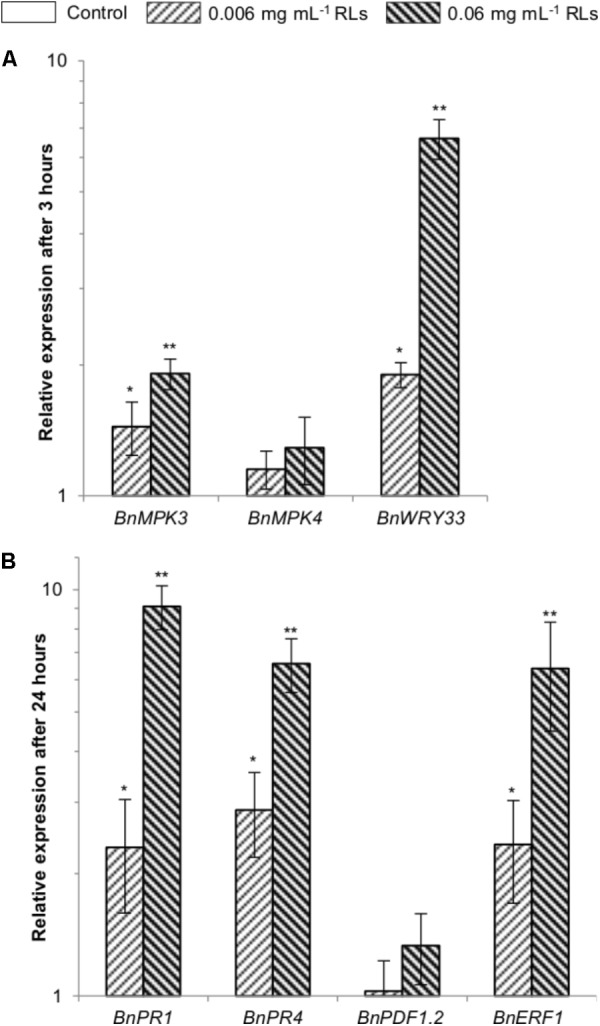
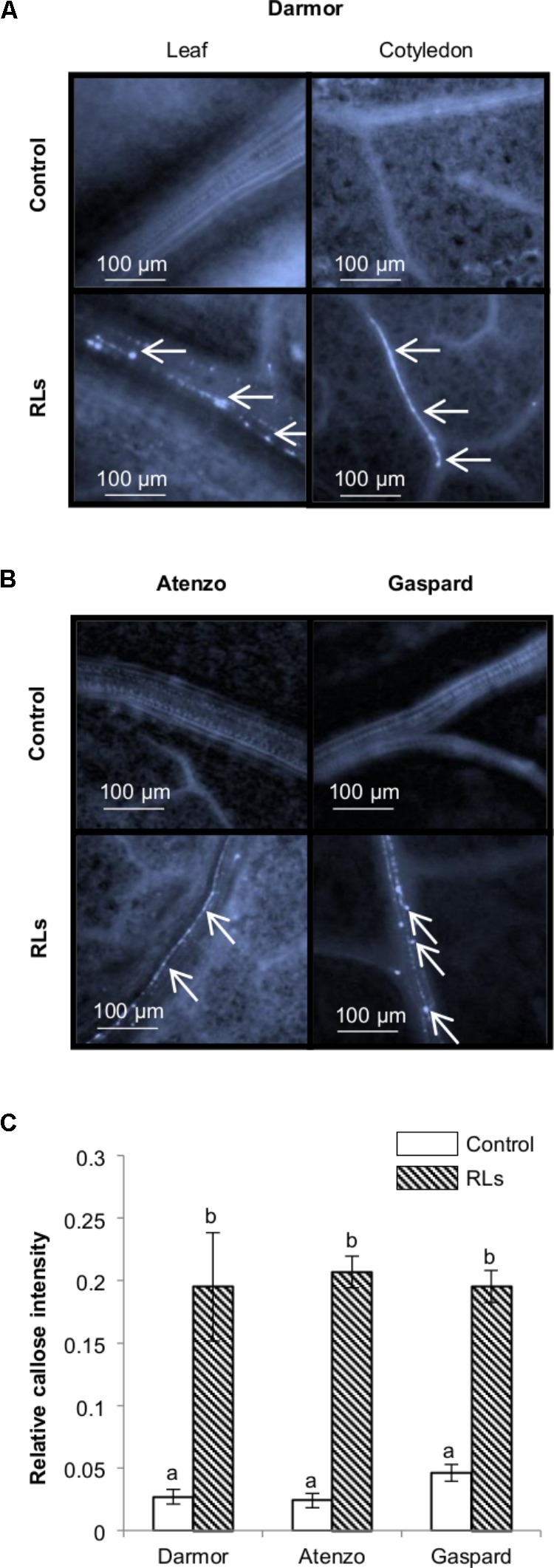
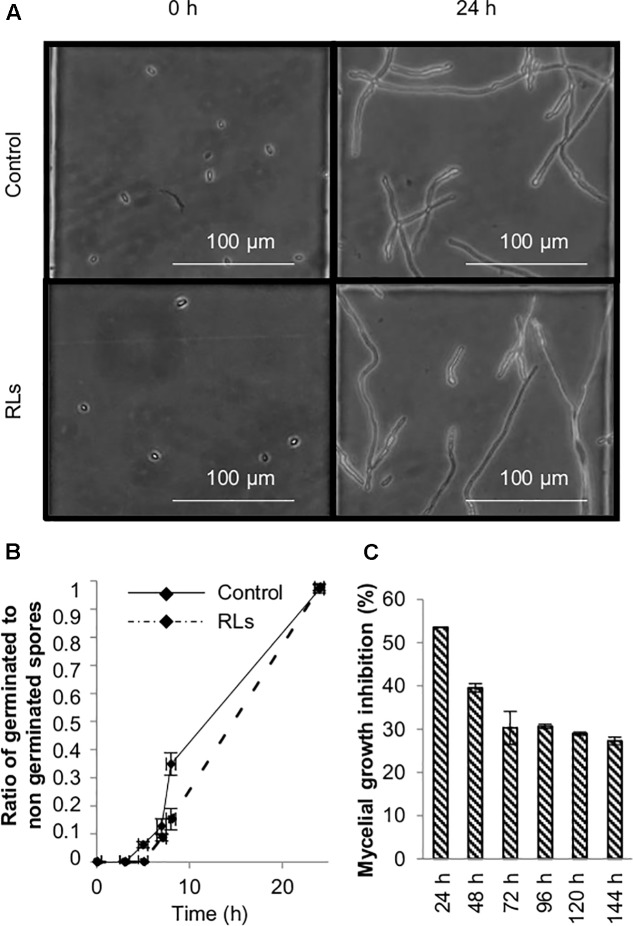
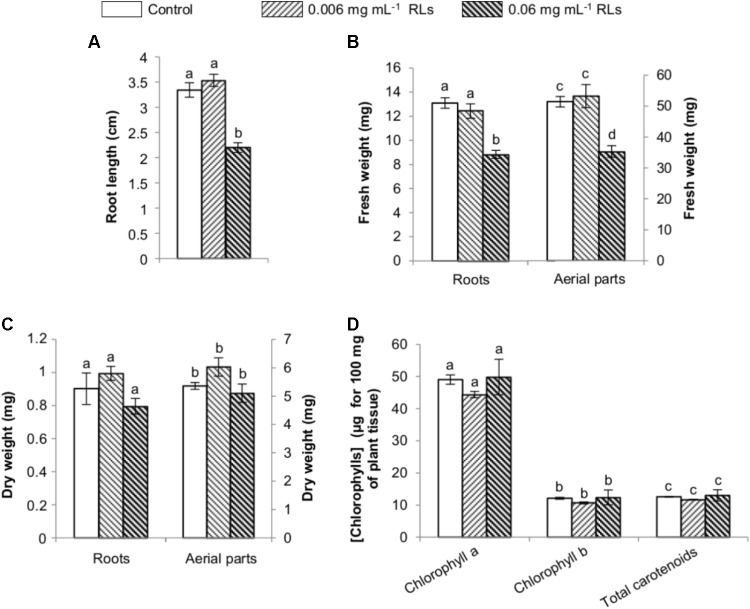
Rhamnolipids (RLs) are amphiphilic molecules naturally produced by some bacteria with a large range of biological activities. Although some studies report their potential interest in plant protection, evaluation of their effects and efficiency on annual crops of worldwide agronomic interest is lacking. The main objective of this work was to investigate their elicitor and protective activities on rapeseed crop species while evaluating their physiological effects. Here we report that RLs from secretome trigger an effective protection of foliar tissues toward the fungus involving the combination of plant defense activation and direct antimicrobial properties. We demonstrated their ability to activate canonical defense responses including reactive oxygen species production, expression of defense genes, along with callose deposits and stomatal closure as efficient physical protections. In addition, microscopic cell death observations and electrolyte leakage measurements indicated that RLs trigger a hypersensitive response-like defense in this plant. We also showed that foliar spray applications of RLs do not induce deleterious physiological consequences on plant growth or chlorophyll content and that RL protective properties are efficient on several grown cultivars of rapeseed. To our knowledge, this is the first report of RLs as an elicitor that suppresses fungal disease on tissues of an annual crop species under greenhouse conditions. Our results highlight the dual mode of action of these molecules exhibiting plant protection activation and antifungal activities and demonstrate their potential for crop cultures as environmental-friendly biocontrol solution.
鼠李糖脂(RLs)是一些细菌天然产生的两亲性分子,具有广泛的生物活性。尽管一些研究报告了它们在植物保护方面的潜在价值,但目前仍缺乏对其在全球具有农艺价值的一年生作物上的效果和效率的评估。这项工作的主要目的是研究它们对油菜作物品种的诱导和保护活性,同时评估其生理效应。在此我们报告,来自分泌组的鼠李糖脂能有效保护叶片组织免受真菌侵害,这涉及植物防御激活和直接抗菌特性的结合。我们证明了它们激活典型防御反应的能力,包括活性氧的产生、防御基因的表达,以及胼胝质沉积和气孔关闭等有效的物理保护作用。此外,微观细胞死亡观察和电解质渗漏测量表明,鼠李糖脂在这种植物中引发了类似过敏反应的防御。我们还表明,叶面喷施鼠李糖脂不会对植物生长或叶绿素含量产生有害的生理影响,并且鼠李糖脂的保护特性在几种油菜栽培品种上都很有效。据我们所知,这是关于鼠李糖脂作为诱导剂在温室条件下抑制一年生作物品种组织上的真菌病害的首次报道。我们的结果突出了这些分子表现出的植物保护激活和抗真菌活性的双重作用模式,并证明了它们作为环境友好型生物防治解决方案在作物栽培中的潜力。