Saxon Incubator for Clinical Translation (SIKT), University of Leipzig, 04103 Leipzig, Germany.
Institute of Veterinary Physiology, University of Leipzig, 04103 Leipzig, Germany.
Int J Mol Sci. 2018 Aug 28;19(9):2549. doi: 10.3390/ijms19092549.
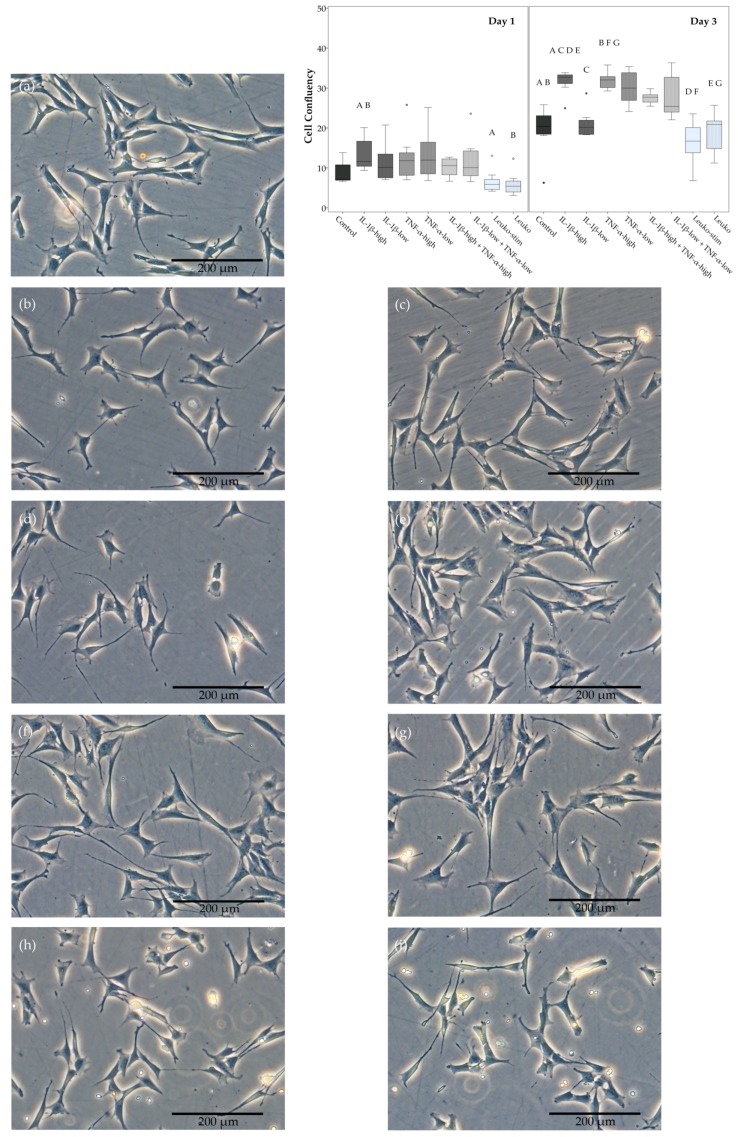
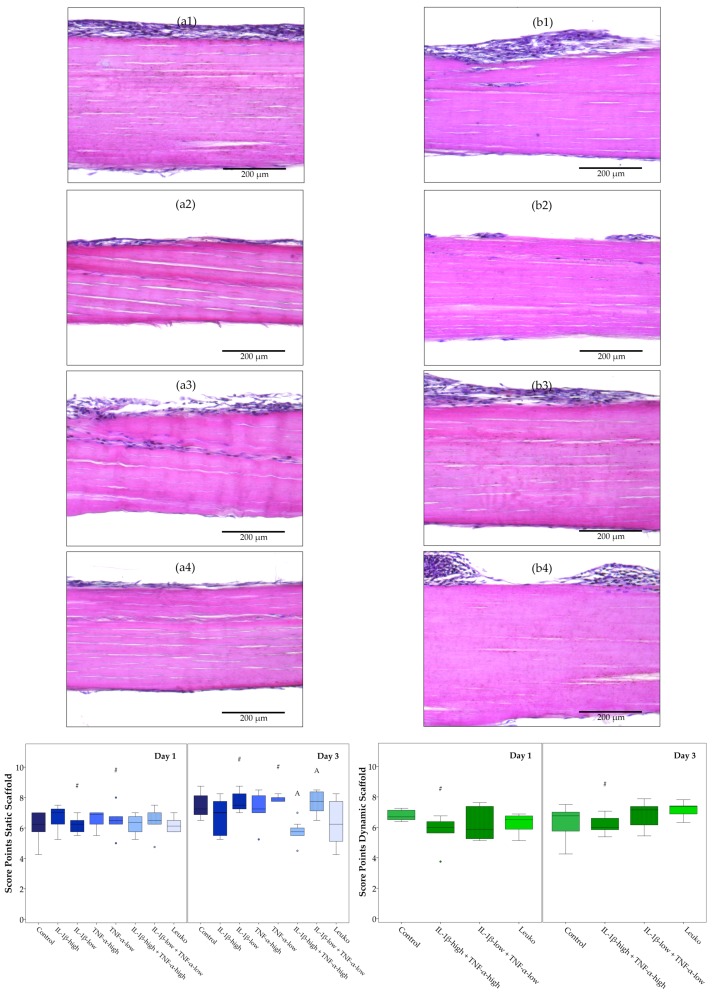
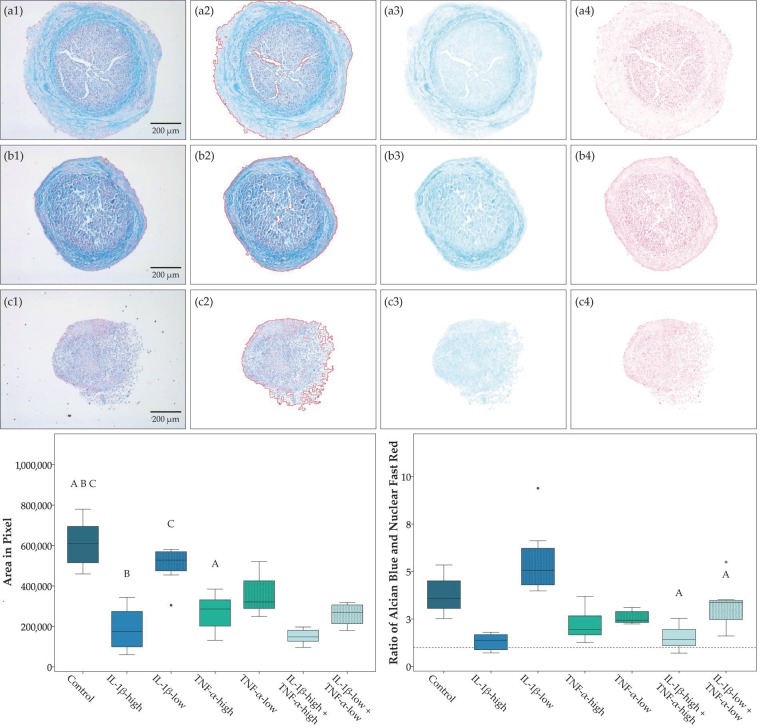
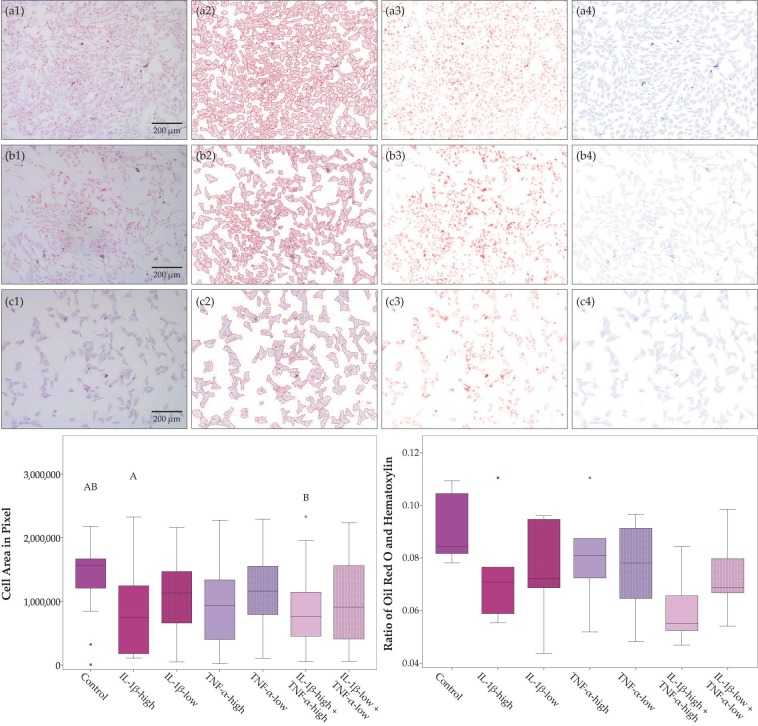
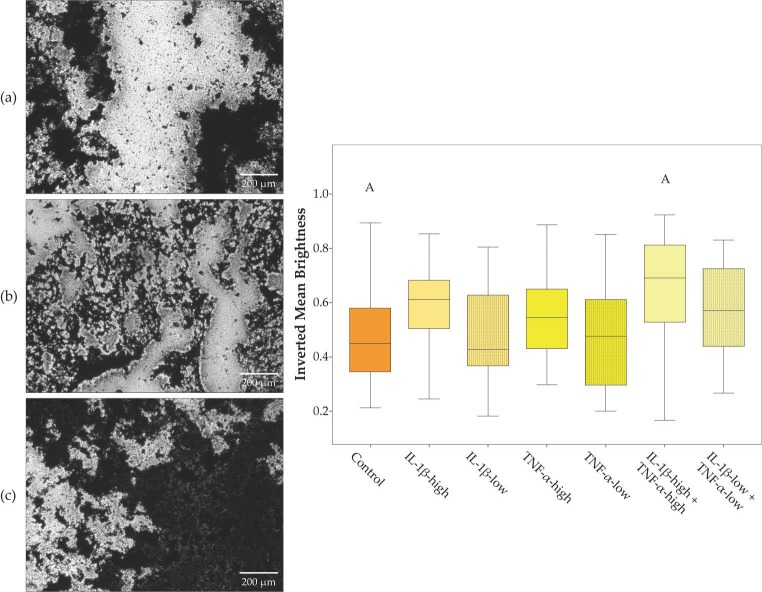
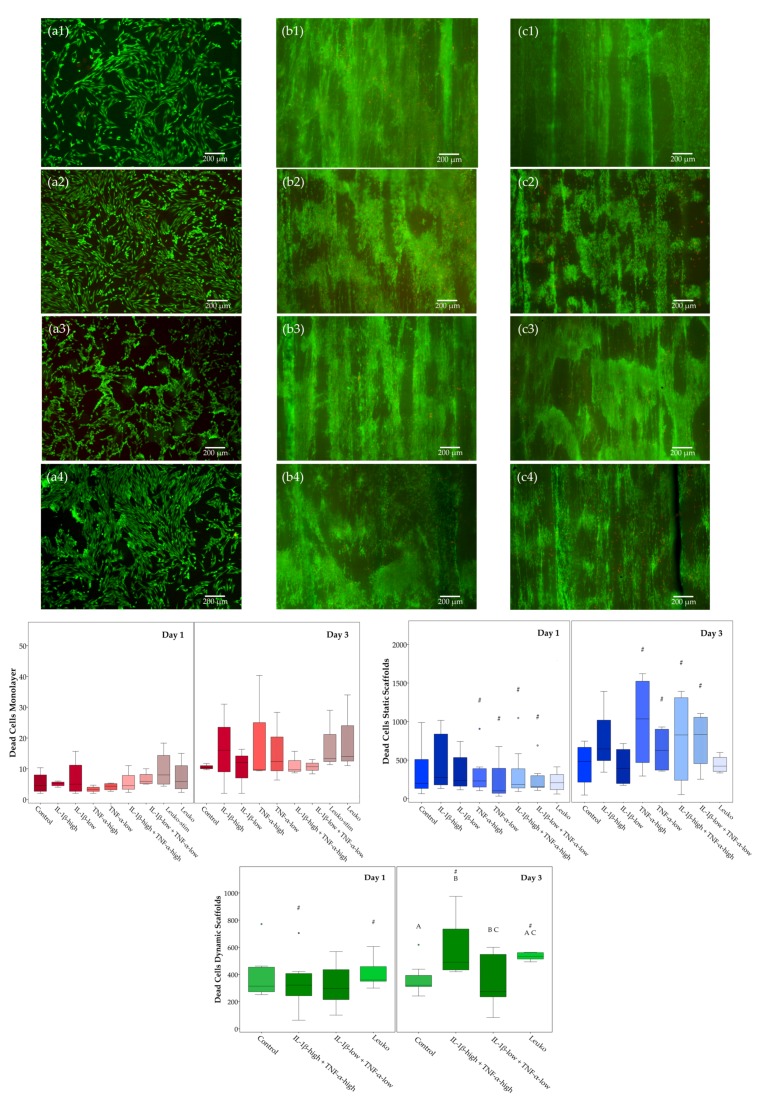
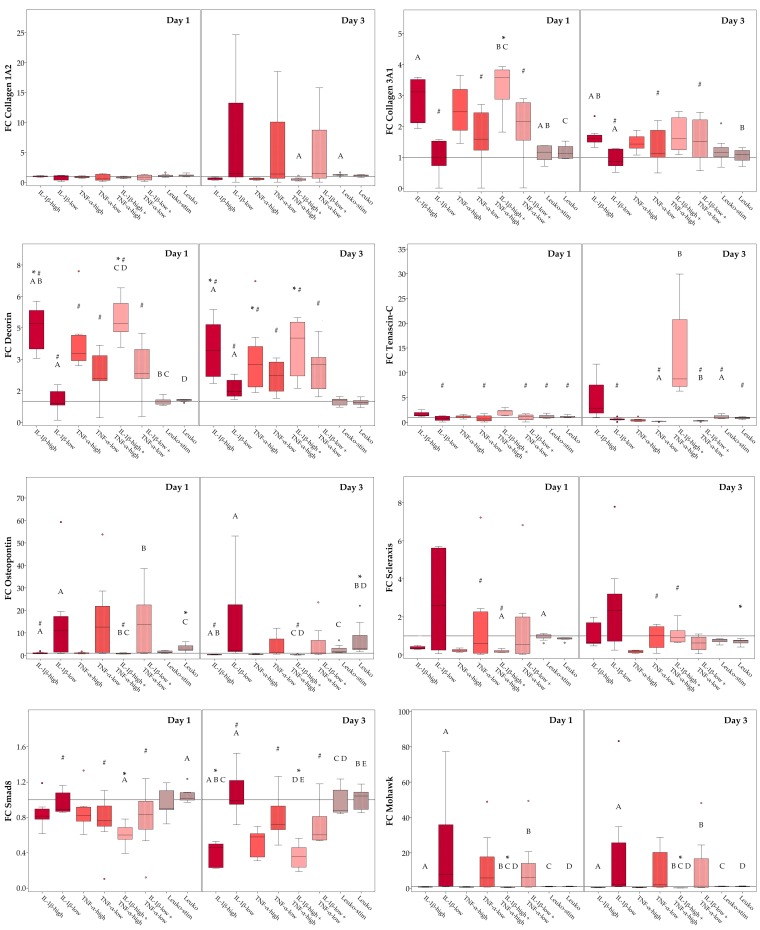
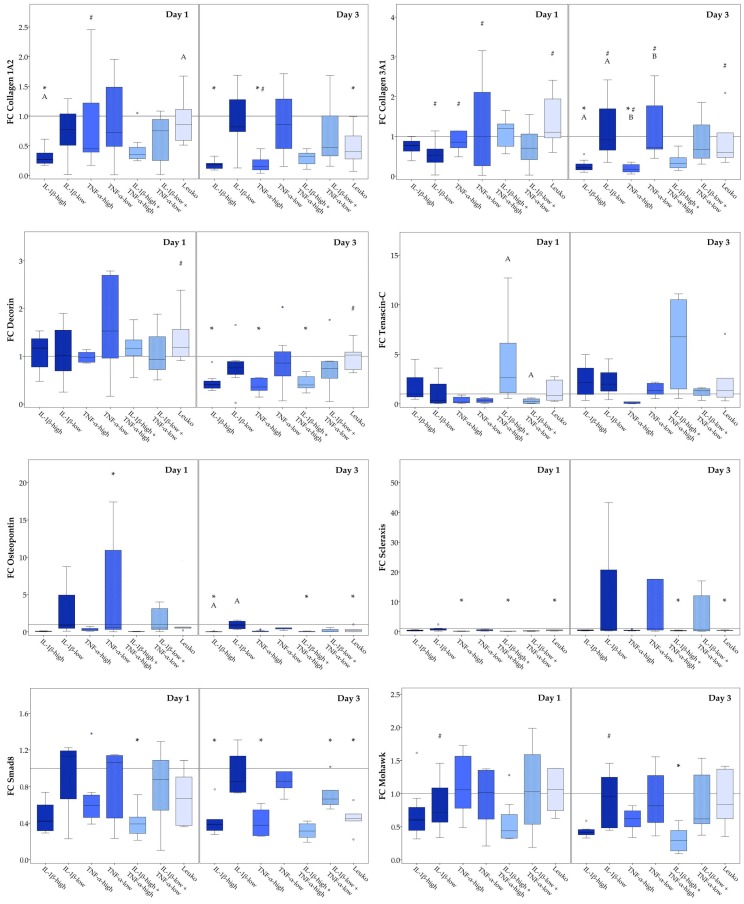
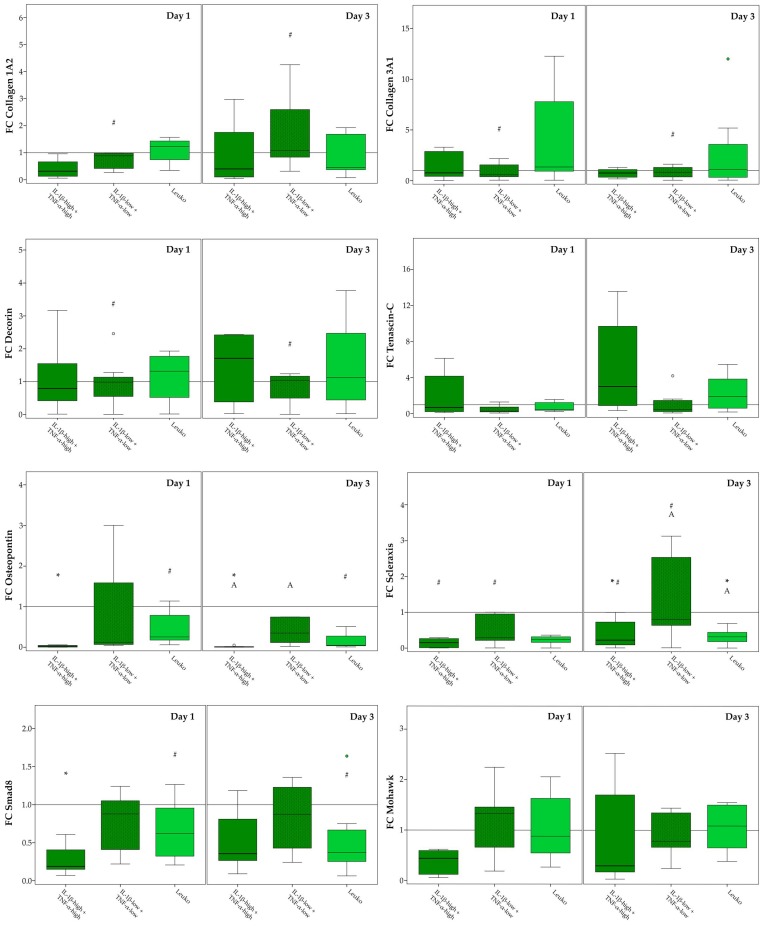
Transplantation of multipotent mesenchymal progenitor cells is a valuable option for treating tendon disease. Tenogenic differentiation leading to cell replacement and subsequent matrix modulation may contribute to the regenerative effects of these cells, but it is unclear whether this occurs in the inflammatory environment of acute tendon disease. Equine adipose-derived stromal cells (ASC) were cultured as monolayers or on decellularized tendon scaffolds in static or dynamic conditions, the latter represented by cyclic stretching. The impact of different inflammatory conditions, as represented by supplementation with interleukin-1β and/or tumor necrosis factor-α or by co-culture with allogeneic peripheral blood leukocytes, on ASC functional properties was investigated. High cytokine concentrations increased ASC proliferation and osteogenic differentiation, but decreased chondrogenic differentiation and ASC viability in scaffold culture, as well as tendon scaffold repopulation, and strongly influenced musculoskeletal gene expression. Effects regarding the latter differed between the monolayer and scaffold cultures. Leukocytes rather decreased ASC proliferation, but had similar effects on viability and musculoskeletal gene expression. This included decreased expression of the tenogenic transcription factor scleraxis by an inflammatory environment throughout culture conditions. The data demonstrate that ASC tenogenic properties are compromised in an inflammatory environment, with relevance to their possible mechanisms of action in acute tendon disease.
多能间充质祖细胞移植是治疗肌腱疾病的一种有价值的选择。成肌腱分化导致细胞替代和随后的基质调节可能有助于这些细胞的再生作用,但尚不清楚这是否发生在急性肌腱疾病的炎症环境中。马脂肪来源的基质细胞(ASC)在单层或去细胞化的肌腱支架中进行培养,在静态或动态条件下,后者由循环拉伸代表。研究了不同炎症条件对 ASC 功能特性的影响,这些炎症条件通过补充白细胞介素-1β 和/或肿瘤坏死因子-α 或与同种异体外周血白细胞共培养来代表。高细胞因子浓度增加 ASC 的增殖和成骨分化,但降低了支架培养中的软骨分化和 ASC 的活力,以及肌腱支架的再定植,并强烈影响肌肉骨骼基因表达。后者的影响在单层和支架培养之间有所不同。白细胞反而降低了 ASC 的增殖,但对活力和肌肉骨骼基因表达有相似的影响。这包括炎症环境通过整个培养条件降低了成肌腱转录因子 Scleraxis 的表达。这些数据表明,ASC 的成肌腱特性在炎症环境中受到损害,这与其在急性肌腱疾病中的可能作用机制有关。