Mutemwa Muyunda, Peer Nasheeta, de Villiers Anniza, Mukasa Barbara, Matsha Tandi E, Mills Edward J, Kengne Andre Pascal
Non-Communicable Diseases Research Unit, South African Medical Research Council Department of Medicine, University of Cape Town United Nations Population Fund (UNFPA), Mildmay, Uganda Department of Biomedical Sciences, Faculty of Health and Wellness Science, Cape Peninsula University of Technology, Cape Town, South Africa Global Evaluation Science, Vancouver, Canada.
Medicine (Baltimore). 2018 Aug;97(35):e12121. doi: 10.1097/MD.0000000000012121.
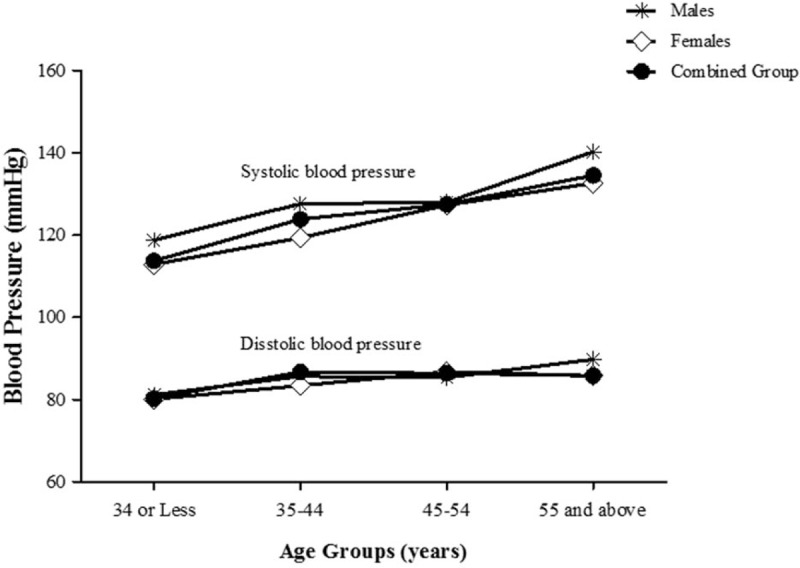
Representative data on the prevalence of hypertension, a major non-infectious comorbidity in human immunodeficiency virus (HIV)-infected people, is lacking. We assessed the prevalence, awareness, treatment, and control, as well as determinants of hypertension in HIV-infected adults in South Africa.A cross-sectional survey was conducted between March 2014 and February 2015 in a random sample of 827 adults (77.7% women), receiving care for HIV infection at 17 randomly selected public health facilities across the Western Cape Province, South Africa.Participants' mean age was 38.4 years overall, 41.1 years in men and 37.7 years in women (P < .001). The median diagnosed duration of HIV infection, similar in men and women, was 5 years, while the median CD4 count was 381 cell/mm. Age-standardized prevalence, awareness, treatment, and control of hypertension was 38.6% (95% CI: 34.3-42.9), 46.3% (37.7-54.9), 76.4% (61.1-91.7), and 81.1% (62.9-99.3) in the overall sample; 40.0% (30.0-50.0), 36.3% (17.6-55.0), 84.8% (38.3-131.3), and 87.0% (38.2-135.8) in men; and 37.7% (32.9-42.5), 48.9% (38.9-58.9), 75.8% (59.1-92.5), and 81.3% (61.1-101.5) in women. Age and education were weakly associated with prevalent hypertension, while CD4 count and diagnosed duration of HIV infection were unrelated to prevalent hypertension.Similar to reports in the general population in this and other countries in the region, hypertension is frequent in young South Africans receiving care for HIV infection, with similar diagnostic and treatment gaps. Integrating HIV and non-communicable disease (NCD) prevention and care will, at least in part, reduce missed opportunities for implementing NCD prevention in HIV-infected people in care.
目前缺乏关于高血压患病率的代表性数据,高血压是人类免疫缺陷病毒(HIV)感染者中一种主要的非传染性合并症。我们评估了南非HIV感染成年人中高血压的患病率、知晓率、治疗率、控制率以及相关决定因素。
2014年3月至2015年2月期间,在南非西开普省随机抽取的17家公共卫生机构中,对827名接受HIV感染治疗的成年人(77.7%为女性)进行了横断面调查。参与者的总体平均年龄为38.4岁,男性为41.1岁,女性为37.7岁(P<0.001)。HIV感染的诊断持续时间中位数在男性和女性中相似,为5年,而CD4细胞计数中位数为381个/立方毫米。总体样本中高血压的年龄标准化患病率、知晓率、治疗率和控制率分别为38.6%(95%置信区间:34.3 - 42.9)、46.3%(37.7 - 54.9)、76.4%(61.1 - 91.7)和81.1%(62.9 - 99.3);男性分别为40.0%(30.0 - 50.0)、36.3%(17.6 - 55.0)、84.8%(38.3 - 131.3)和87.0%(38.2 - 135.8);女性分别为37.7%(32.9 - 42.5)、48.9%(38.9 - 58.9)、75.8%(59.1 - 92.5)和81.3%(61.1 - 101.5)。年龄和教育程度与高血压患病率的关联较弱,而CD4细胞计数和HIV感染的诊断持续时间与高血压患病率无关。
与该地区这个国家以及其他国家普通人群的报告相似,在接受HIV感染治疗的南非年轻人中高血压很常见,诊断和治疗差距相似。将HIV与非传染性疾病(NCD)的预防和护理相结合,至少在一定程度上可以减少在接受护理的HIV感染者中实施NCD预防时错失的机会。