MIT Media Lab, 75 Amherst St, Cambridge, MA, 02139, USA.
Inria Rennes, 263 Avenue General Leclerc, Rennes, 35042, France.
Sci Rep. 2018 Sep 5;8(1):13222. doi: 10.1038/s41598-018-31472-9.
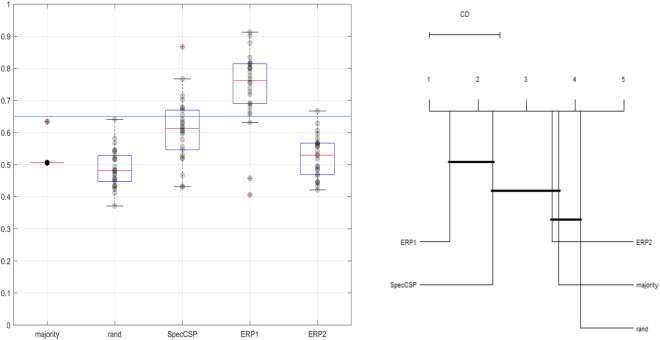
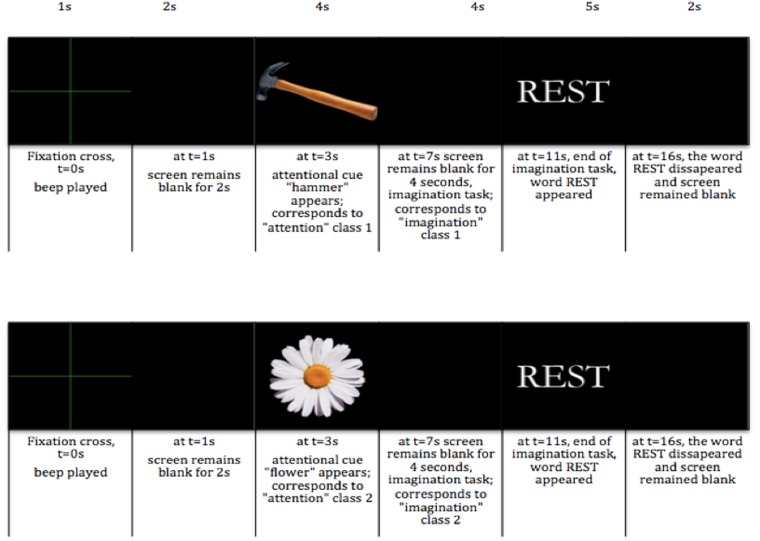
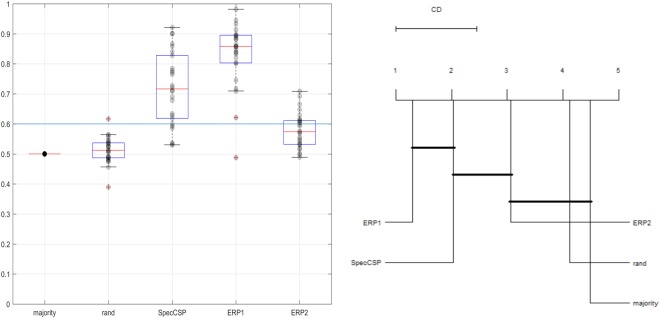
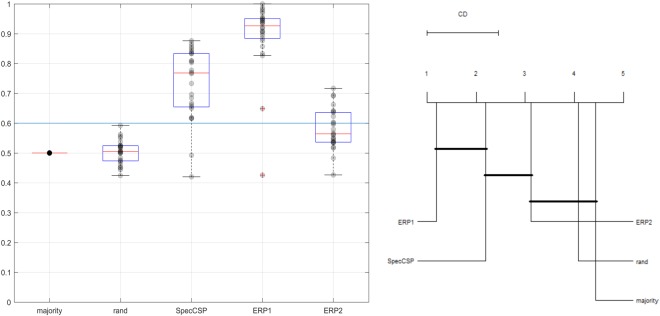
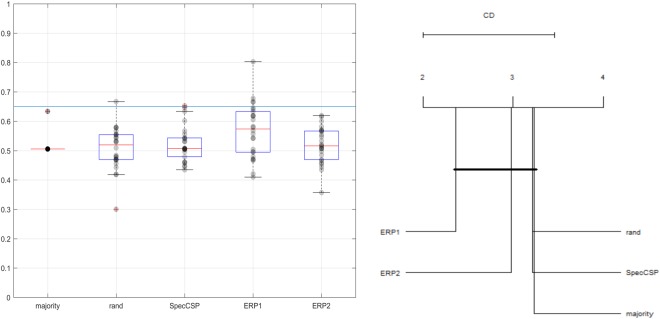
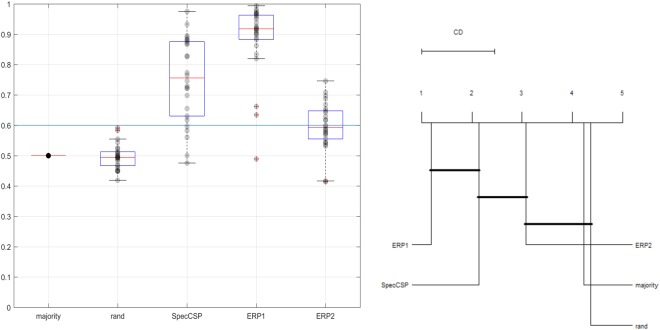
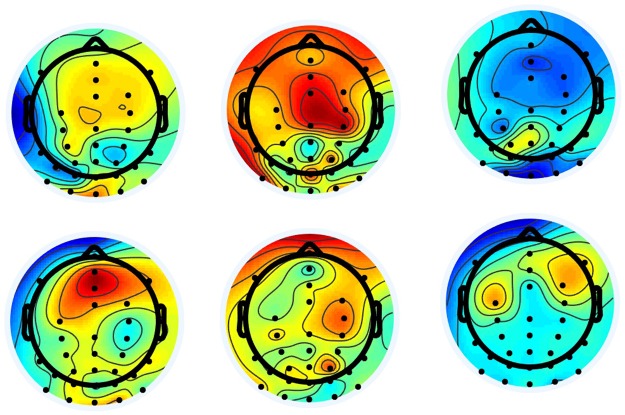
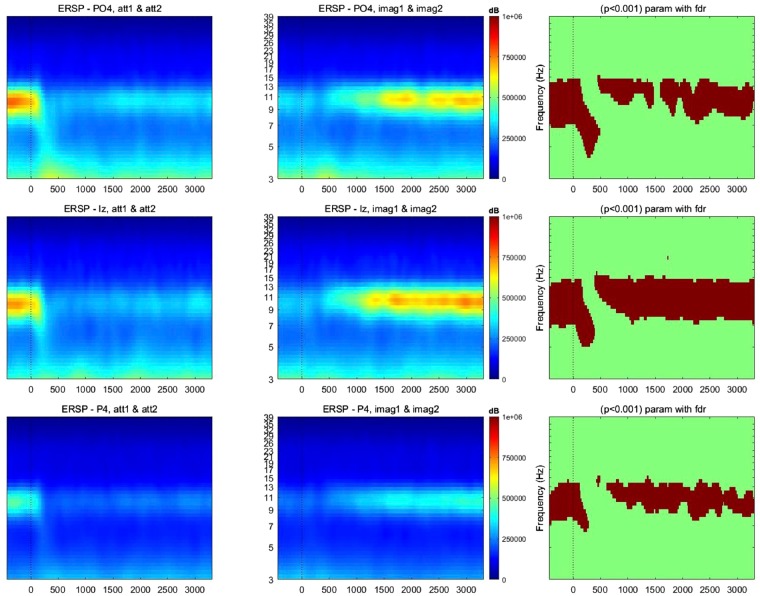
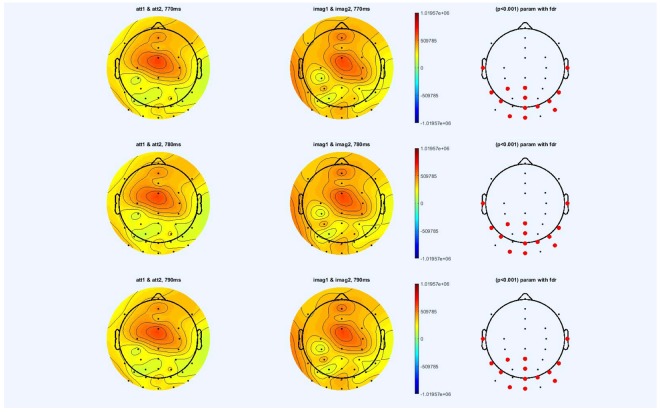
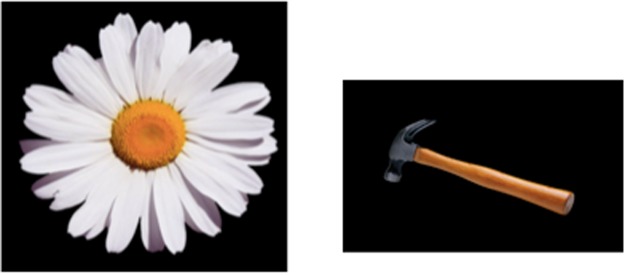
Currently the most common imagery task used in Brain-Computer Interfaces (BCIs) is motor imagery, asking a user to imagine moving a part of the body. This study investigates the possibility to build BCIs based on another kind of mental imagery, namely "visual imagery". We study to what extent can we distinguish alternative mental processes of observing visual stimuli and imagining it to obtain EEG-based BCIs. Per trial, we instructed each of 26 users who participated in the study to observe a visual cue of one of two predefined images (a flower or a hammer) and then imagine the same cue, followed by rest. We investigated if we can differentiate between the different subtrial types from the EEG alone, as well as detect which image was shown in the trial. We obtained the following classifier performances: (i) visual imagery vs. visual observation task (71% of classification accuracy), (ii) visual observation task towards different visual stimuli (classifying one observation cue versus another observation cue with an accuracy of 61%) and (iii) resting vs. observation/imagery (77% of accuracy between imagery task versus resting state, and the accuracy of 75% between observation task versus resting state). Our results show that the presence of visual imagery and specifically related alpha power changes are useful to broaden the range of BCI control strategies.
目前,脑-机接口(BCI)中最常用的成像任务是运动想象,要求用户想象身体的某个部位运动。本研究探讨了基于另一种心理想象,即“视觉想象”,构建 BCI 的可能性。我们研究了在多大程度上可以区分观察视觉刺激和想象它的替代心理过程,以获得基于 EEG 的 BCI。在每次试验中,我们指示参与研究的 26 名用户中的每一位观察两个预定义图像(花或锤子)之一的视觉提示,然后想象相同的提示,然后休息。我们调查了是否可以仅从 EEG 区分不同的子试验类型,以及检测试验中显示的图像。我们获得了以下分类器性能:(i)视觉想象与视觉观察任务(71%的分类准确性),(ii)视觉观察任务对不同视觉刺激(将一种观察线索与另一种观察线索分类的准确性为 61%),以及(iii)休息与观察/想象(想象任务与休息状态之间的准确性为 77%,观察任务与休息状态之间的准确性为 75%)。我们的结果表明,视觉想象的存在以及特定的相关 alpha 功率变化有助于拓宽 BCI 控制策略的范围。