Burton Charles L, Wang Katie, Pachankis John E
Center for Interdisciplinary Research on AIDS, Yale University.
Department of Social and Behavioral Sciences, Yale School of Public Health.
Clin Psychol Sci. 2018 Jul;6(4):590-600. doi: 10.1177/2167702618755321. Epub 2018 Mar 2.
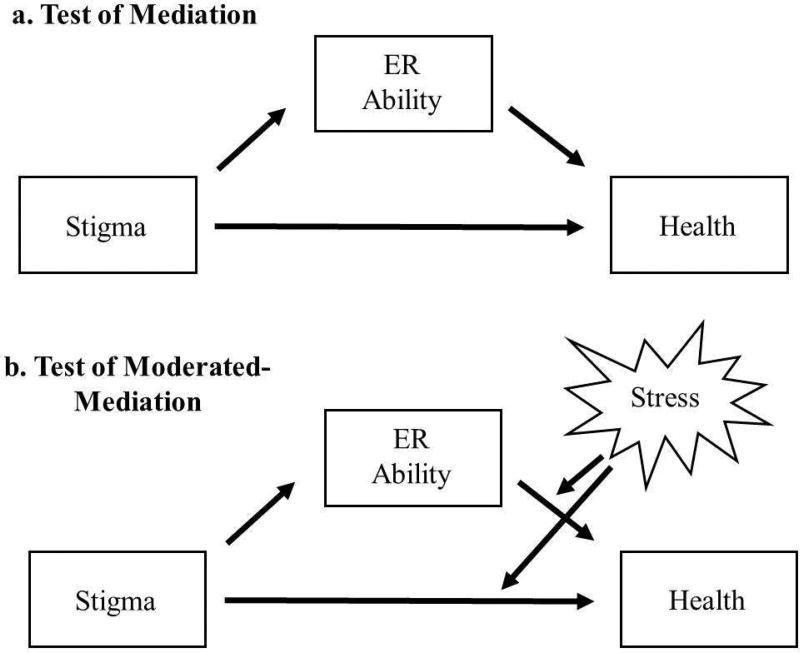
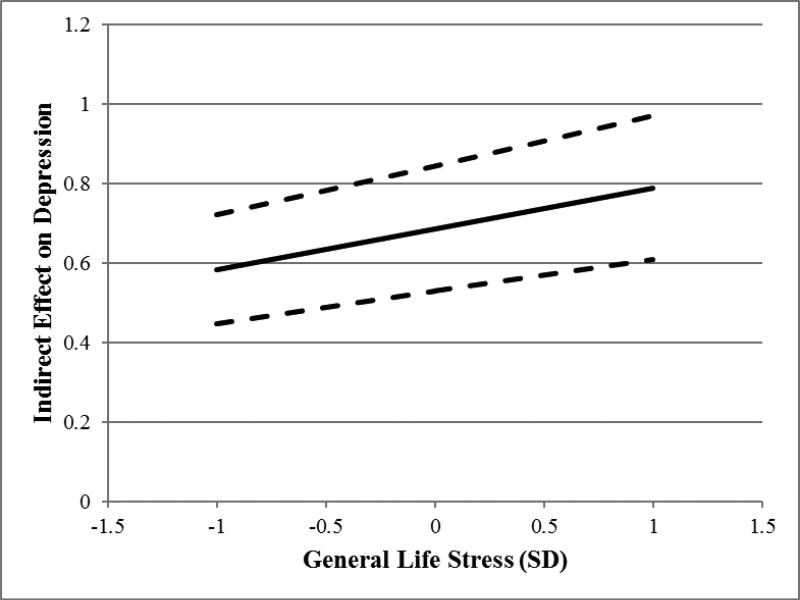
Emotion regulation deficits may link stigma to poor mental health, yet existing studies rely on self-reported stigma and do not consider contextual factors. In the present research, we examined associations among cultural stigma (i.e., objective devaluation of others' status), emotion regulation deficits, and poor mental health. In Study 1, we created an index of cultural stigma by asking members of the general public and stigma experts to indicate desired social distance towards 93 stigmatized attributes. In Study 2, emotion regulation deficits mediated the association between cultural stigma and adverse mental health outcomes, including depressive symptoms and alcohol use problems, among individuals endorsing diverse stigmatized identities. The indirect effect of cultural stigma, via emotion regulation, on these outcomes was stronger among those reporting more life stress. These findings highlight the adverse impact of cultural stigma on mental health and its role in potentiating stigmatized individuals' susceptibility to general life stress.
情绪调节缺陷可能将污名与不良心理健康联系起来,但现有研究依赖自我报告的污名,且未考虑情境因素。在本研究中,我们考察了文化污名(即对他人地位的客观贬低)、情绪调节缺陷和不良心理健康之间的关联。在研究1中,我们通过让普通公众和污名专家指出对93种被污名化属性的期望社交距离,创建了一个文化污名指数。在研究2中,在认同不同被污名化身份的个体中,情绪调节缺陷介导了文化污名与不良心理健康结果之间的关联,这些结果包括抑郁症状和酒精使用问题。文化污名通过情绪调节对这些结果的间接效应在报告生活压力更大的人群中更强。这些发现凸显了文化污名对心理健康的不利影响及其在增强被污名化个体对一般生活压力易感性方面的作用。