Erciyes University, Faculty of Medicine, Department of Otorhinolaryngology, Kayseri, Turkey.
Erciyes University, School of Medicine, Department of Medical Biochemistry, Kayseri, Turkey.
Braz J Otorhinolaryngol. 2020 Jan-Feb;86(1):30-37. doi: 10.1016/j.bjorl.2018.08.002. Epub 2018 Sep 14.
Ototoxicity is a health problem appearing after powerful treatments in serious health conditions. It is sometimes inevitable when treatment of the serious disease is required. Cisplatin is an antineoplastic agent which was investigated previously to reveal increased nitrogen and reactive oxygen radicals that damages hair cells, resulting in ototoxicity. N-acetylcysteine, previously shown to decrease ototoxicity caused by different agents, is known to be a powerful in vitro antioxidant. Probably N-acetylcysteine, in addition to its antioxidant effect, blocks a cascade where reactive oxygen species result in apoptosis in the cochlea.
The possible preventive effect of N-acetylcysteine in cisplatin ototoxicity was studied with auditory brain stem responses, otoacoustic emissions, and histopathological investigation of the cochlea in a scanning electron microscopy.
This study was conducted on 21 Wistar Albino rats in four groups. 1mL/kg/day three times in total intraperitoneal (i.p.) Saline (n=5), 500mg/kg/day i.p. three times in total N-acetylcysteine (n=5), i.p. 15mg/kg cisplatin alone (single dose) (n=5) and i.p. 15mg/kg cisplatin plus 500mg/kg/day N-acetylcysteine (n=6) were administered. The rats were anesthetized to study the hearing tests before and after the experiment. The rats were sacrificed to investigate the cochleas by scanning electron microscopy.
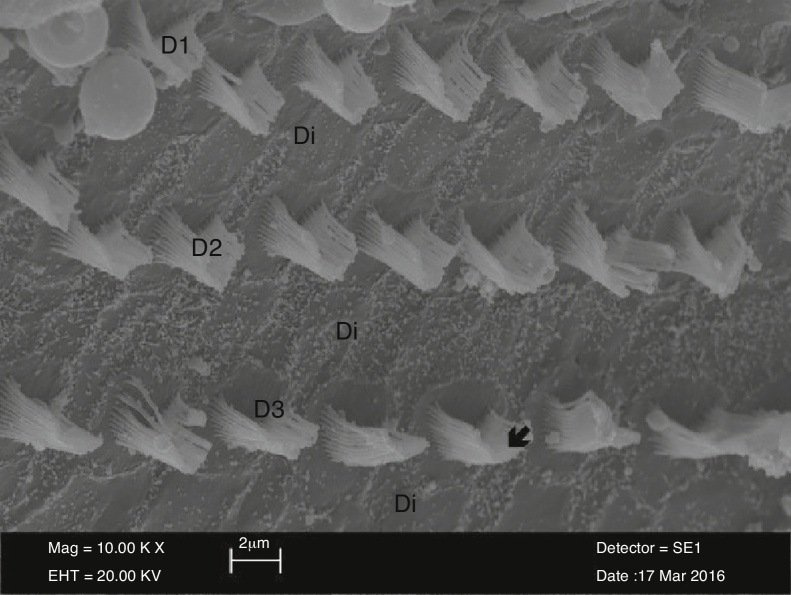
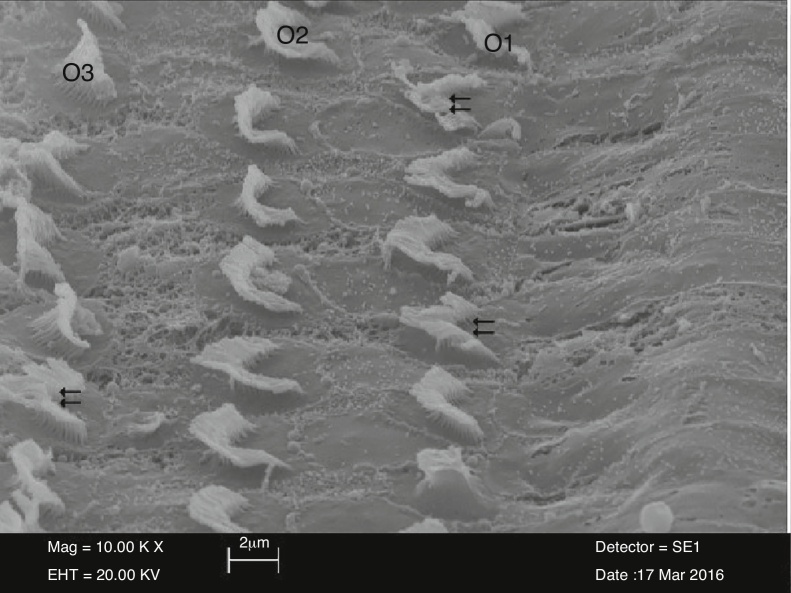
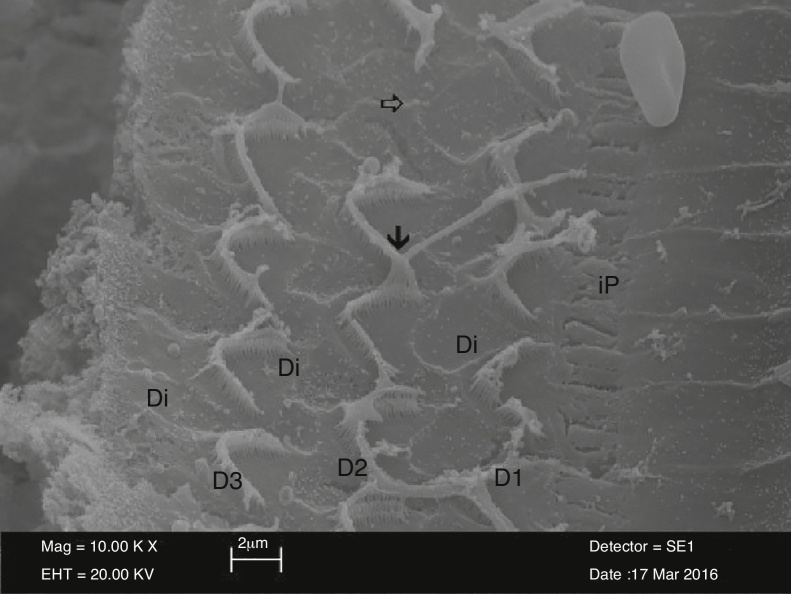
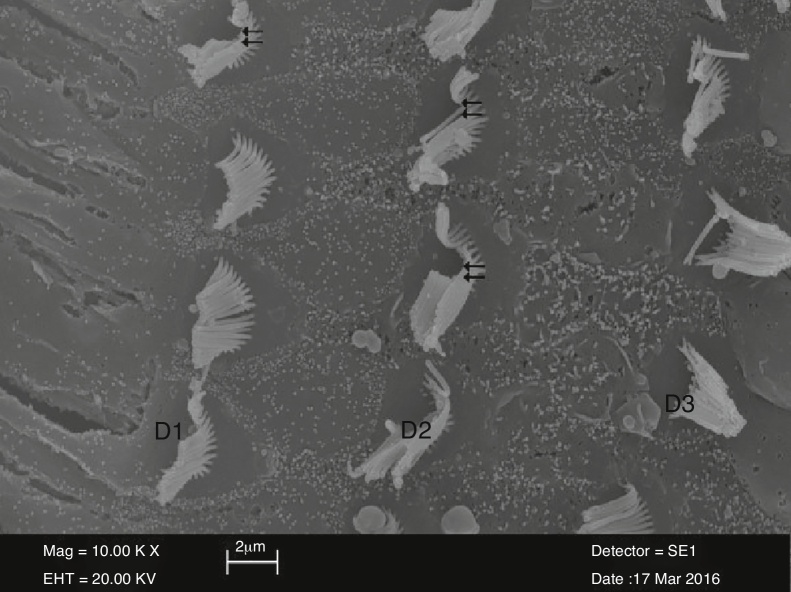
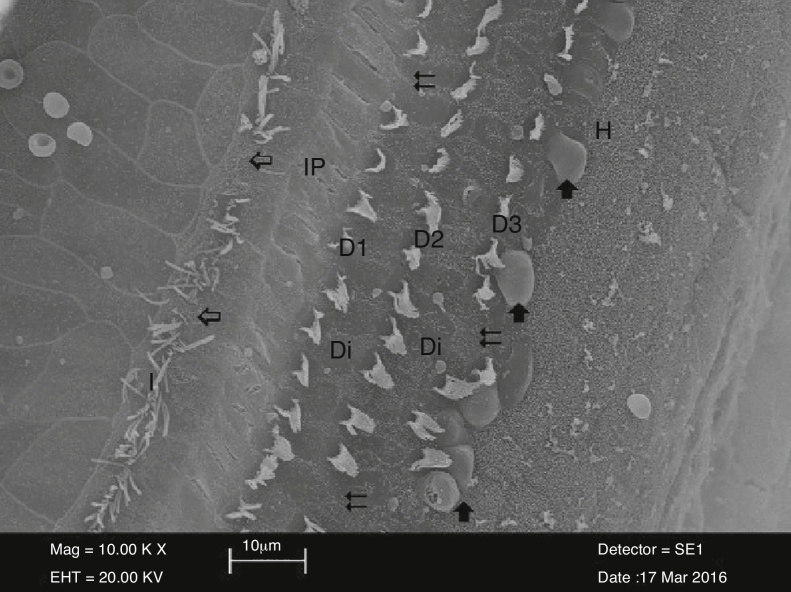
Auditory brain stem responses and otoacoustic emissions values were attenuated in the cisplatin group. The group that received N-acetylcysteine in addition to cisplatin had better auditory brain stem responses thresholds and otoacoustic emissions. The samples obtained from the cisplatin group showed surface irregularities, degeneration areas, and total or partial severe stereocilia losses. The changes were milder in the cisplatin+N-acetylcysteine group.
Cisplatin ototoxicity can be detected by auditory brain stem responses and otoacoustic emissions testing in rats. N-acetylcysteine may protect the cochlear cells from histopathological changes. We concluded that N-acetylcysteine given 4h after cisplatin injection has a potential otoprotective effect against cisplatin ototoxicity. which suggests it could be used in clinical trials.
耳毒性是一种在严重健康状况下进行强力治疗后出现的健康问题。在需要治疗严重疾病时,这种情况有时是不可避免的。顺铂是一种抗肿瘤药物,先前的研究表明,它会增加氮和活性氧自由基,从而损害毛细胞,导致耳毒性。N-乙酰半胱氨酸以前被证明可以减少不同药物引起的耳毒性,已知它是一种强大的体外抗氧化剂。可能除了抗氧化作用外,N-乙酰半胱氨酸还可以阻断活性氧物质导致耳蜗细胞凋亡的级联反应。
通过听觉脑干反应、耳声发射和扫描电子显微镜下耳蜗的组织病理学研究,研究 N-乙酰半胱氨酸对顺铂耳毒性的可能预防作用。
本研究共纳入 21 只 Wistar 白化大鼠,分为 4 组。1mL/kg/天,共 3 次腹腔内(i.p.)生理盐水(n=5),500mg/kg/天,共 3 次腹腔内 N-乙酰半胱氨酸(n=5),15mg/kg 顺铂单独(单次剂量)(n=5)和 15mg/kg 顺铂加 500mg/kg/天 N-乙酰半胱氨酸(n=6)。对麻醉后的大鼠进行听力测试。处死大鼠后,用扫描电子显微镜观察耳蜗。
顺铂组的听觉脑干反应和耳声发射值减弱。同时给予 N-乙酰半胱氨酸的组的听觉脑干反应阈值和耳声发射更好。顺铂组的样本显示表面不规则、变性区和全部或部分严重的静纤毛缺失。顺铂+N-乙酰半胱氨酸组的变化较轻。
顺铂耳毒性可通过听觉脑干反应和耳声发射测试在大鼠中检测到。N-乙酰半胱氨酸可能保护耳蜗细胞免受组织病理学变化的影响。我们得出结论,顺铂注射后 4 小时给予 N-乙酰半胱氨酸对顺铂耳毒性具有潜在的耳保护作用,这表明它可能在临床试验中使用。