Bagchi Damayanti, Rathnam V S Sharan, Lemmens Peter, Banerjee Indranil, Pal Samir Kumar
Department of Chemical, Biological and Macromolecular Sciences, S. N. Bose National Centre for Basic Sciences, Block JD, Sector III, Salt Lake, Kolkata 700106, India.
Department of Biotechnology and Medical Engineering, National Institute of Technology, Rourkela 769008, Odisha, India.
ACS Omega. 2018 Sep 30;3(9):10877-10885. doi: 10.1021/acsomega.8b00716. Epub 2018 Sep 10.
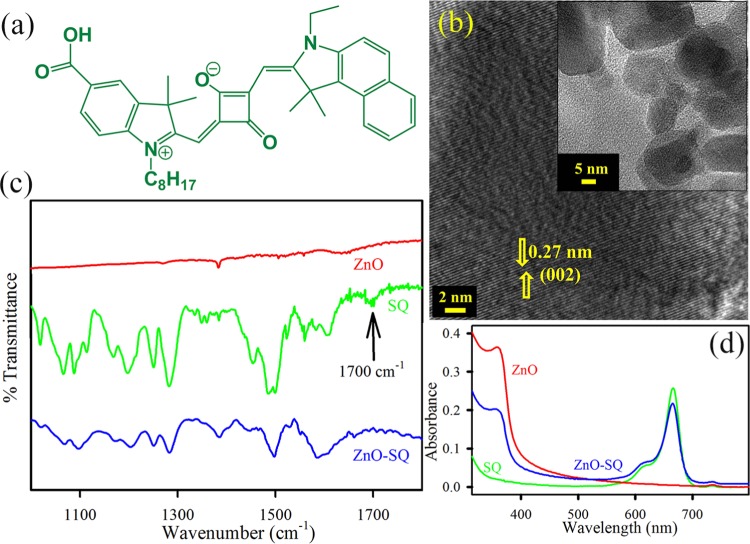
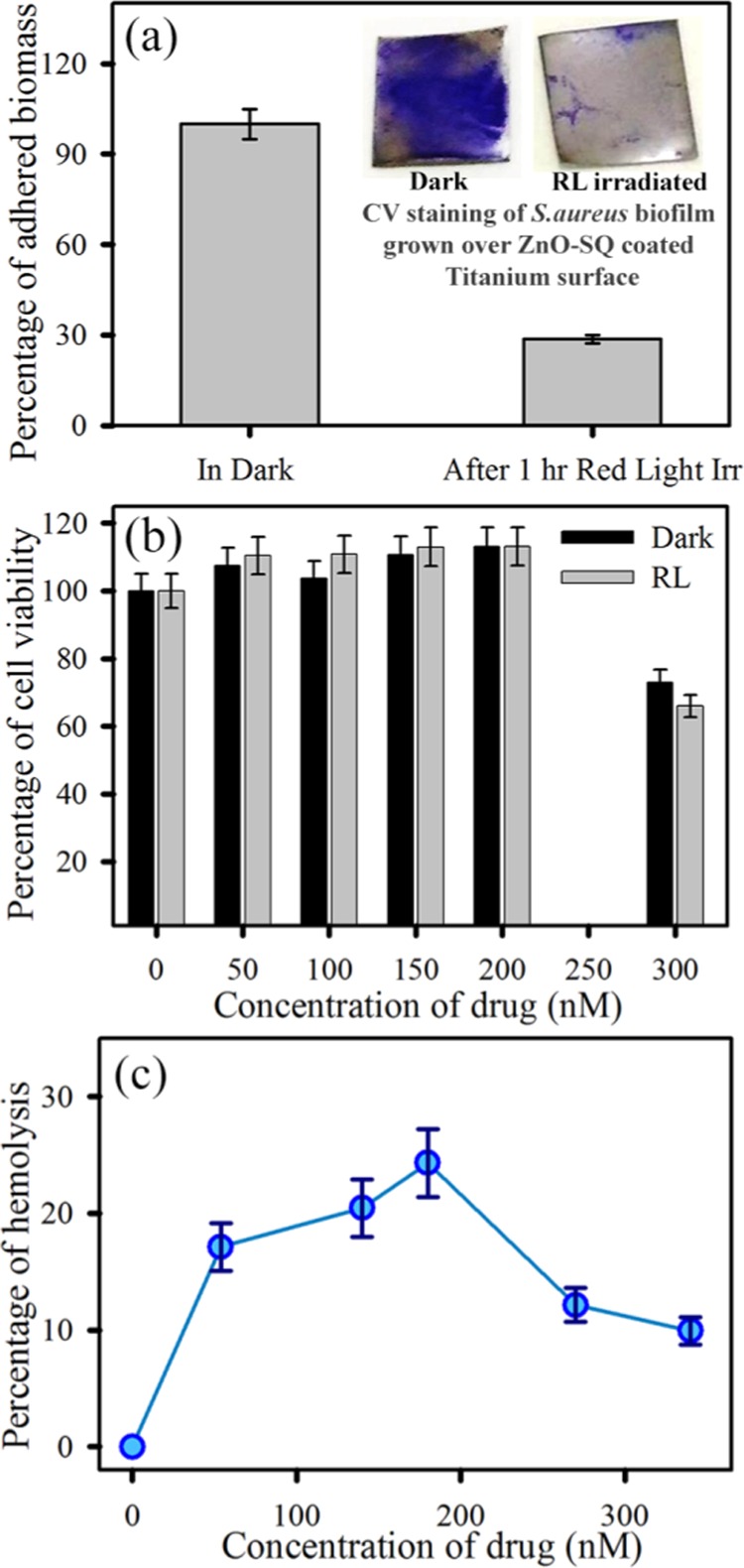
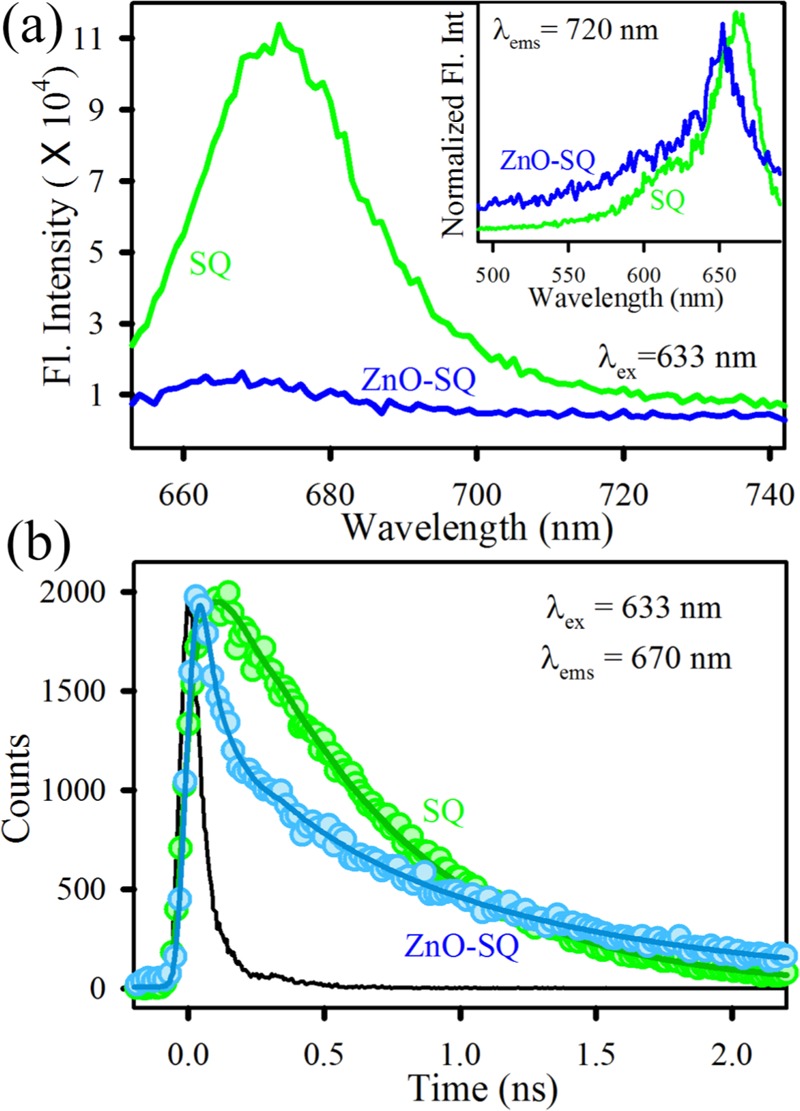
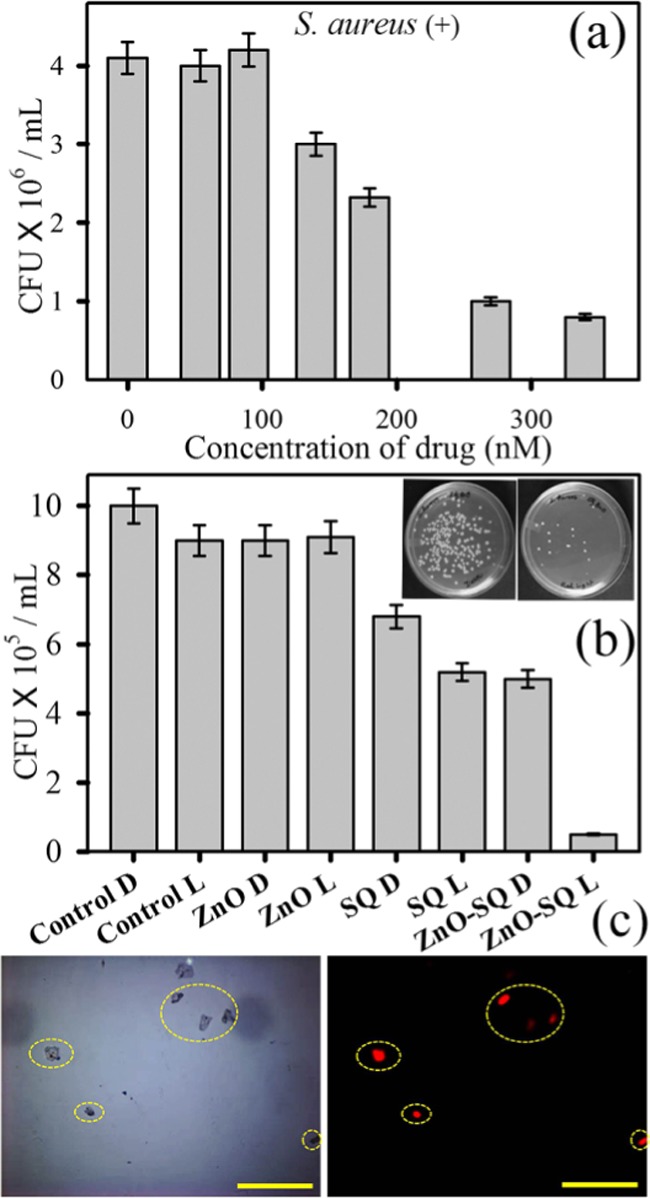
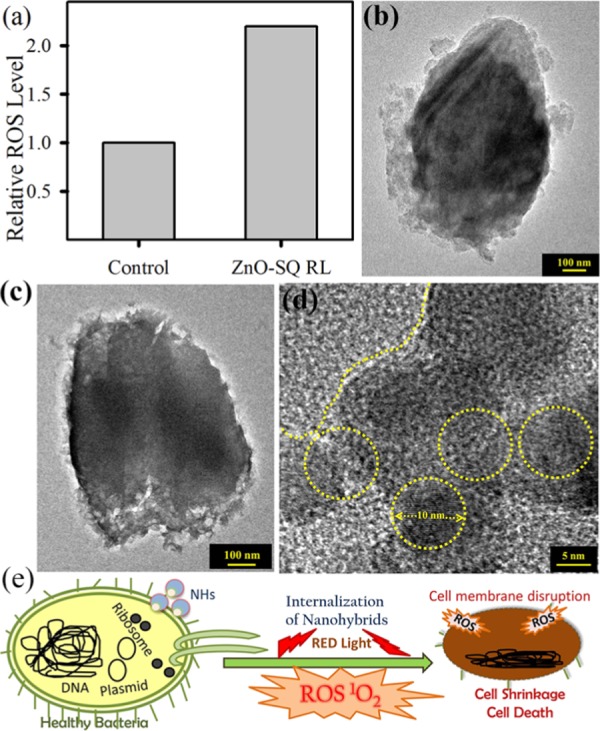
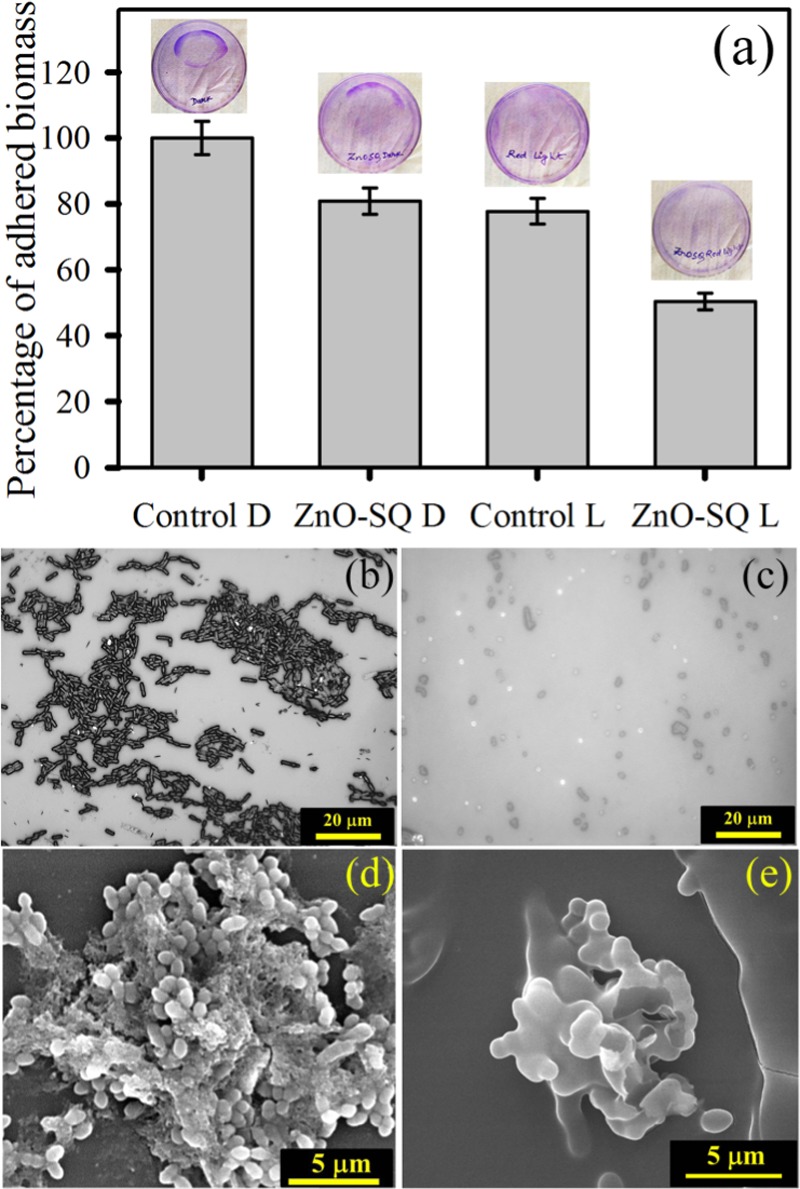
Nanomaterials with antimicrobial properties triggered by external stimuli appear to be a promising and innovative substitute for the destruction of antibiotic-resistant superbugs as they can induce multiple disruptions in the cellular mechanism. This study demonstrates the use of squaraine (SQ) dye as the photosensitive material, activated in the near-infrared tissue-transparent therapeutic window. The dye has been covalently attached to the ZnO nanoparticle surface, forming ZnO-SQ nanohybrids. The formation of the nanohybrids is confirmed using Fourier transform infrared and other optical spectroscopic methods. The photoinduced interfacial electron transfer process (as confirmed using the time-resolved fluorescence technique) from the excited state of SQ to the conduction band of ZnO is responsible for the greater reactive oxygen species (ROS) generation ability of the nanohybrid. The production of photoactivated ROS (especially singlet oxygen species) by ZnO-SQ provides remarkable antimicrobial action against clinically significant . Detailed investigations suggest synergistic involvement of cell membrane disruption and nanoparticle internalization followed by photoinduced intracellular ROS generation, which result in an unprecedented 95% bacterial killing activity by the nanohybrid. Moreover, the efficacy of the nanohybrid for disruption of bacterial biofilms has been examined. The electron microscopic images suggest significant bacterial cell death following structural alteration and reduced adherence property of the biofilms. Nanodimension-driven greater internalization of ZnO-SQ followed by an improved dissolution of ZnO in an acidic environment of the biofilm as well as red-light-driven interfacial charge separation and ROS generation improves the efficacy of the material for biofilm destruction. An artificial medical implant mimicking titanium sheets coated with ZnO-SQ depicts light-triggered disruption in the adherence property of matured biofilms. The cytotoxicity and hemolysis assays show inherent biocompatibility of the photoactive nanohybrid. This study is notably promising for the treatment of life-threatening drug-resistant infections and eradication of biofilms formed within artificial implants.
由外部刺激触发具有抗菌特性的纳米材料似乎是一种有前途的创新替代品,可用于消灭耐抗生素超级细菌,因为它们能在细胞机制中引发多种破坏。本研究展示了使用方酸菁(SQ)染料作为光敏材料,其在近红外组织透明治疗窗口中被激活。该染料已共价连接到ZnO纳米颗粒表面,形成ZnO-SQ纳米杂化物。使用傅里叶变换红外光谱和其他光学光谱方法确认了纳米杂化物的形成。从SQ的激发态到ZnO导带的光诱导界面电子转移过程(通过时间分辨荧光技术确认)导致纳米杂化物具有更强的活性氧(ROS)生成能力。ZnO-SQ产生的光活化ROS(特别是单线态氧物种)对临床上重要的细菌具有显著的抗菌作用。详细研究表明,细胞膜破坏和纳米颗粒内化协同作用,随后光诱导细胞内ROS生成,这导致纳米杂化物产生前所未有的95%的细菌杀灭活性。此外,还研究了纳米杂化物破坏细菌生物膜的功效。电子显微镜图像表明,生物膜结构改变和粘附性降低后,细菌细胞大量死亡。纳米尺寸驱动的ZnO-SQ更大程度的内化,以及ZnO在生物膜酸性环境中更好的溶解,以及红光驱动的界面电荷分离和ROS生成提高了该材料破坏生物膜的功效。模仿涂有ZnO-SQ的钛片的人工医用植入物显示出成熟生物膜粘附特性的光触发破坏。细胞毒性和溶血试验表明光活性纳米杂化物具有固有的生物相容性。这项研究对于治疗危及生命的耐药感染和根除人工植入物内形成的生物膜特别有前景。