Hasan Md Nur, Maji Tuhin Kumar, Pal Uttam, Bera Arpan, Bagchi Damayanti, Halder Animesh, Ahmed Saleh A, Al-Fahemi Jabir H, Bawazeer Tahani M, Saha-Dasgupta Tanusri, Pal Samir Kumar
Department of Chemical, Biological & Macromolecular Sciences, S. N. Bose National Centre for Basic Sciences Block JD, Sector-III, Salt Lake Kolkata 700106 India
Technical Research Centre, S. N. Bose National Centre for Basic Sciences Block JD, Sector-III, Salt Lake Kolkata 700106 India.
RSC Adv. 2020 Oct 23;10(64):38890-38899. doi: 10.1039/d0ra07441a. eCollection 2020 Oct 21.
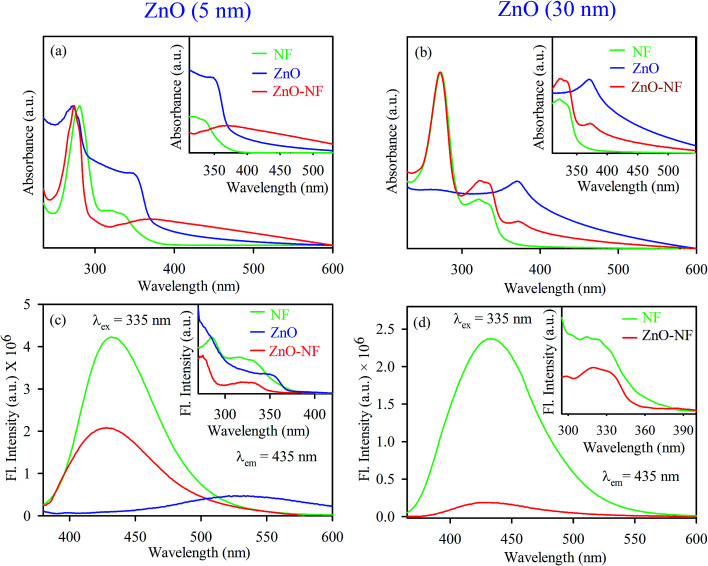
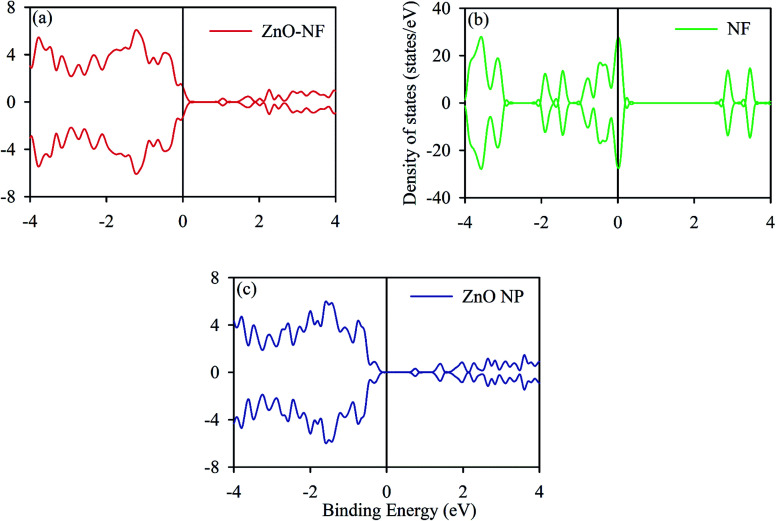
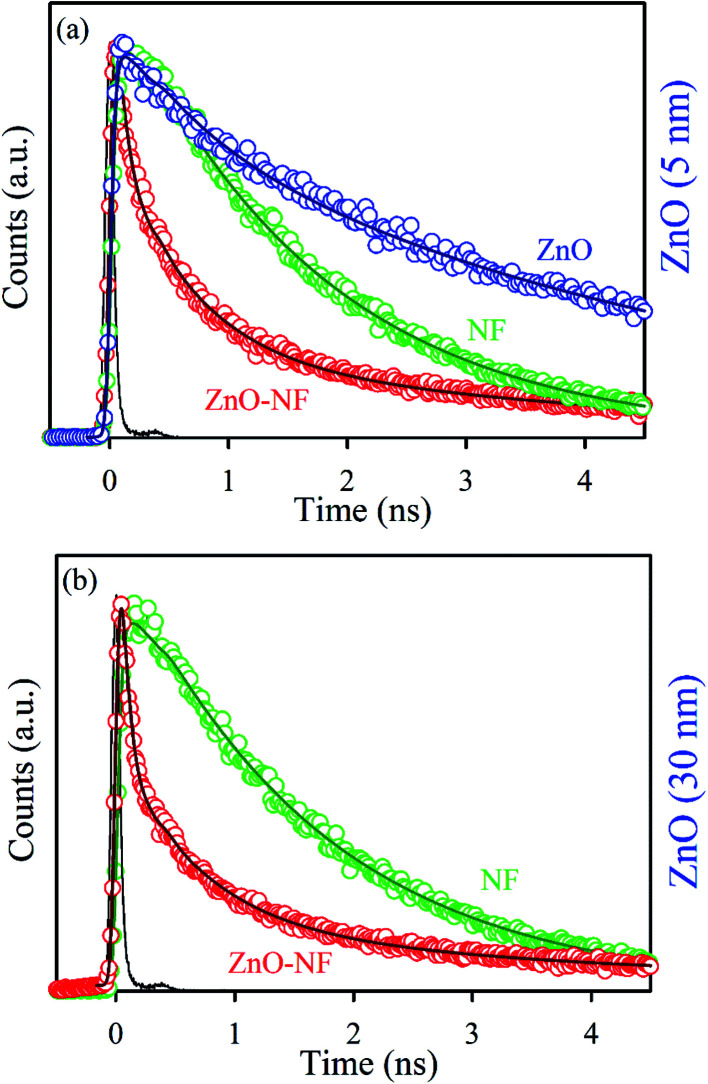
The properties of nanomaterials generated by external stimuli are considered an innovative and promising replacement for the annihilation of bacterial infectious diseases. The present study demonstrates the possibility of getting the antibiotic-like drug action from our newly synthesized nanohybrid (NH), which consists of norfloxacin (NF) as the photosensitive material covalently attached to the ZnO nanoparticle (NP). The synthesized NH has been characterized using various microscopic and spectroscopic techniques. Steady state fluorescence and time-correlated single photon counting (TCSPC)-based spectroscopic studies demonstrate the efficient electron transfer from NF to ZnO. This enhances the reactive oxygen species (ROS) production capability of the system. First principles density functional theory has been calculated to gain insight into the charge separation mechanism. To explore the electron densities of the occupied and unoccupied levels of NH, we have verified the nature of the electronic structure. It is observed that there is a very high possibility of electron transfer from NF to ZnO in the NH system, which validates the experimental findings. Finally, the efficacy of NH compared to NF and ZnO has been estimated on the culture of bacteria. We have obtained a significant reduction in the bacterial viability by NH with respect to control in the presence of light. These results suggest that the synthesized NH could be a potential candidate in the new generation alternative antibacterial drugs. Overall, the study depicts a detailed physical insight for nanohybrid systems that can be beneficial for manifold application purposes.
由外部刺激产生的纳米材料的特性被认为是一种创新且有前景的替代方案,可用于消除细菌感染性疾病。本研究证明了从我们新合成的纳米杂化物(NH)获得类似抗生素药物作用的可能性,该纳米杂化物由作为光敏材料的诺氟沙星(NF)共价连接到氧化锌纳米颗粒(NP)组成。已使用各种显微镜和光谱技术对合成的NH进行了表征。基于稳态荧光和时间相关单光子计数(TCSPC)的光谱研究表明,电子从NF有效地转移到了ZnO。这增强了系统产生活性氧(ROS)的能力。已计算第一性原理密度泛函理论以深入了解电荷分离机制。为了探索NH占据和未占据能级的电子密度,我们验证了电子结构的性质。观察到在NH系统中电子从NF转移到ZnO的可能性非常高,这验证了实验结果。最后,在细菌培养物上评估了NH与NF和ZnO相比的功效。在光照下,与对照相比,NH使细菌活力显著降低。这些结果表明,合成的NH可能是新一代替代抗菌药物的潜在候选者。总体而言,该研究描绘了纳米杂化系统的详细物理见解,这可能有利于多种应用目的。