Food Animal Health Research Program, Ohio Agricultural Research and Development Center, Wooster, OH 44691, USA,
Department of Veterinary Preventive Medicine, College of Veterinary Medicine, The Ohio State University, Columbus, OH 43210, USA,
Int J Nanomedicine. 2018 Oct 24;13:6699-6715. doi: 10.2147/IJN.S178809. eCollection 2018.
Influenza (flu) is a constant threat to humans and animals, and vaccination is one of the most effective ways to mitigate the disease. Due to incomplete protection induced by current flu vaccines, development of novel flu vaccine candidates is warranted to achieve greater efficacy against constantly evolving flu viruses.
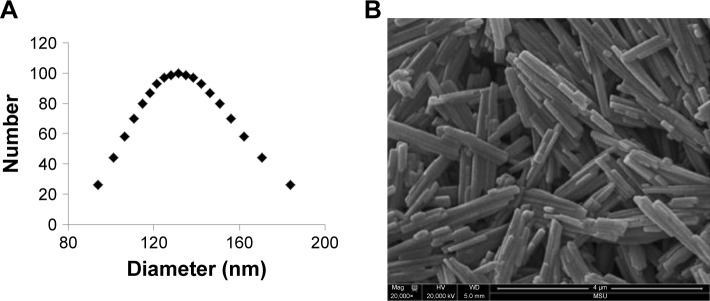
In the present study, we used liposome nanoparticle (<200 nm diameter)-based subunit flu vaccine containing ten encapsulated highly conserved B and T cell epitope peptides to induce protective immune response against a zoonotic swine influenza A virus (SwIAV) H1N1 challenge infection in a pig model. Furthermore, we used monosodium urate (MSU) crystals as an adjuvant and co-administered the vaccine formulation as an intranasal mist to flu-free nursery pigs, twice at 3-week intervals.
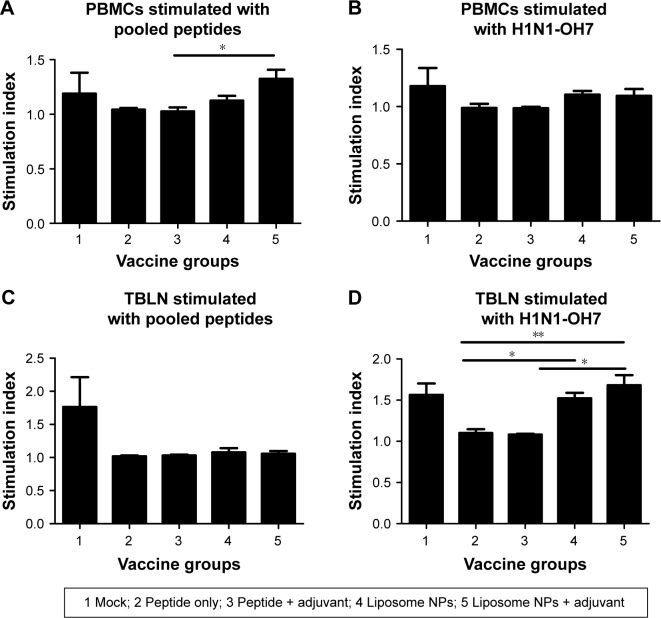
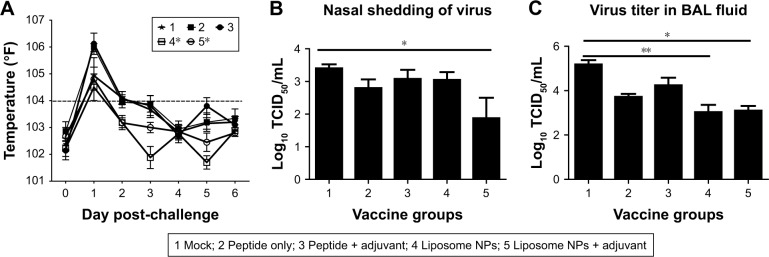
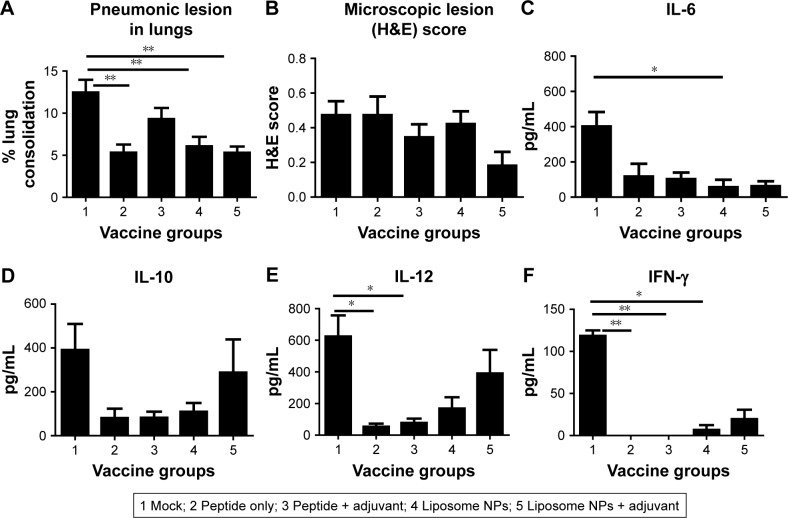
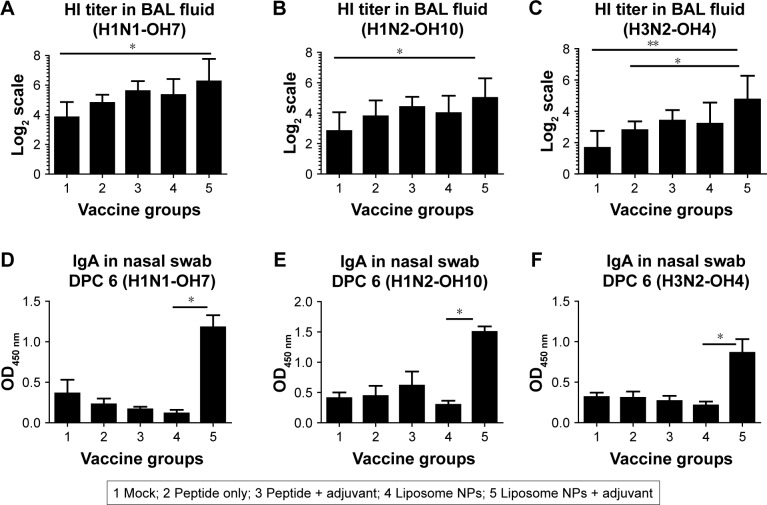
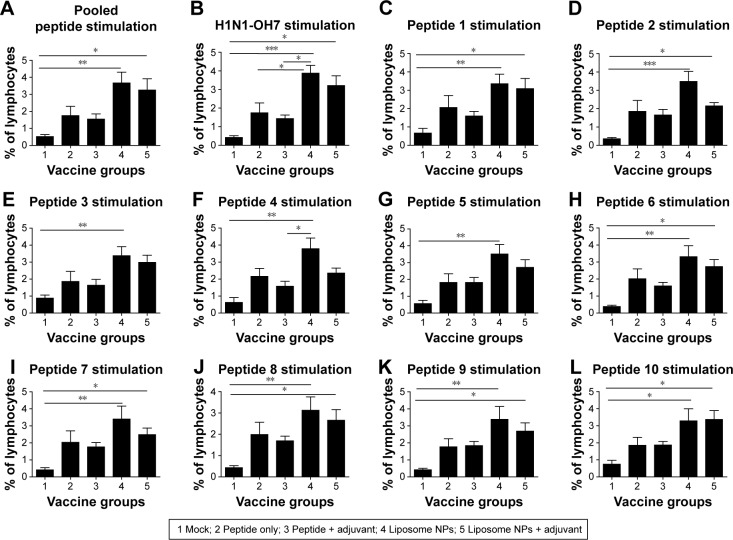
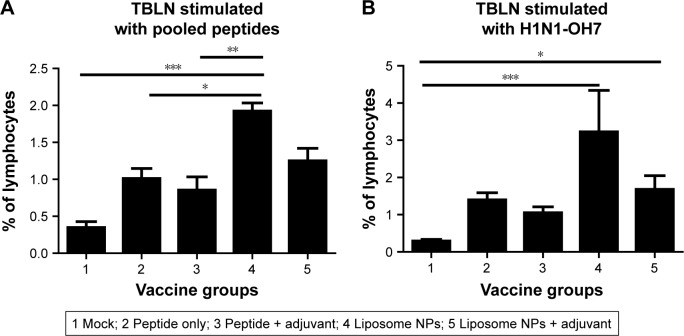
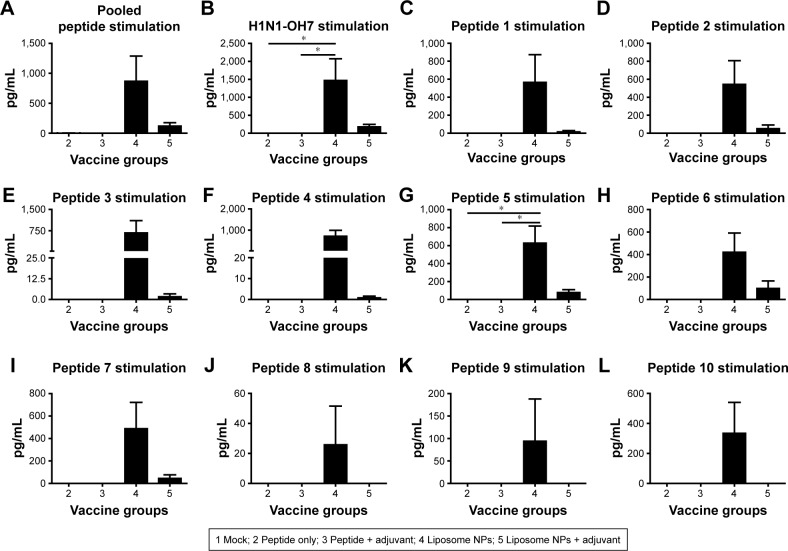
Liposome peptides flu vaccine delivered with MSU adjuvant improved the hemagglutination inhibition antibody titer and mucosal IgA response against the SwIAV challenge and also against two other highly genetically variant IAVs. Liposomal vaccines also enhanced the frequency of peptides and virus-specific T-helper/memory cells and IFN-γ response. The improved specific cellular and mucosal humoral immune responses in adjuvanted liposomal peptides flu vaccine partially protected pigs from flu-induced fever and pneumonic lesions, and reduced the nasal virus shedding and viral load in the lungs.
Overall, our study shows great promise for using liposome and MSU adjuvant- based subunit flu vaccine through the intranasal route, and provides scope for future, pre-clinical investigations in a pig model for developing potent human intranasal subunit flu vaccines.
流感(flu)是人类和动物的持续威胁,疫苗接种是减轻该疾病的最有效方法之一。由于当前流感疫苗诱导的保护不完全,因此有必要开发新型流感疫苗候选物,以实现对不断进化的流感病毒更大的疗效。
在本研究中,我们使用基于脂质体纳米颗粒(直径<200nm)的亚单位流感疫苗,该疫苗含有十个包裹的高度保守的 B 和 T 细胞表位肽,以诱导针对人畜共患猪流感 A 病毒(SwIAV)H1N1 挑战感染的保护性免疫反应。此外,我们使用尿酸单钠(MSU)晶体作为佐剂,并将疫苗制剂作为鼻内雾剂两次在 3 周间隔时间内施用于无流感的保育猪。
用 MSU 佐剂递送至脂质体肽的流感疫苗提高了针对 SwIAV 挑战的血凝抑制抗体滴度和粘膜 IgA 反应,也提高了针对另外两种高度遗传变异的 IAV 的抗体滴度和粘膜 IgA 反应。脂质体疫苗还增强了肽和病毒特异性辅助性/记忆 T 细胞的频率以及 IFN-γ反应。改良的特异性细胞和粘膜体液免疫应答部分保护了猪免受流感引起的发热和肺炎病变的侵害,并减少了鼻腔病毒脱落和肺部病毒载量。
总的来说,我们的研究表明,通过鼻腔途径使用基于脂质体和 MSU 佐剂的亚单位流感疫苗具有很大的潜力,并为未来在猪模型中进行针对人类鼻腔亚单位流感疫苗的临床前研究提供了机会。