Zhang Bo, Xu Xiangyang, Zhu Liang
Department of Environmental Engineering, Zhejiang University, Hangzhou, 310058, People's Republic of China.
Zhejiang Province Key Laboratory for Water Pollution Control and Environmental Safety, Hangzhou, 310058, China.
AMB Express. 2018 Nov 14;8(1):184. doi: 10.1186/s13568-018-0714-0.
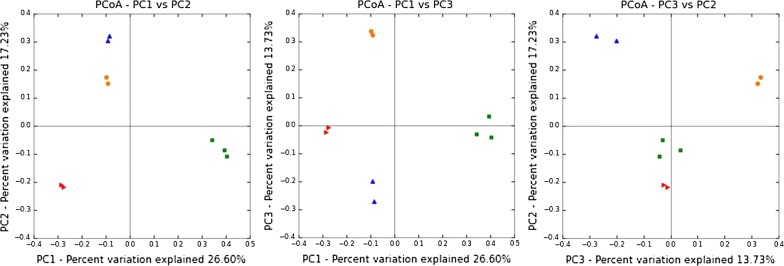
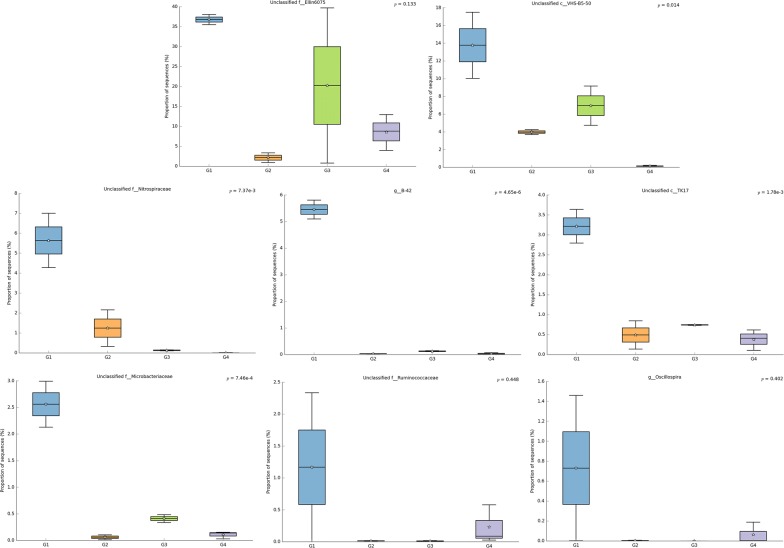
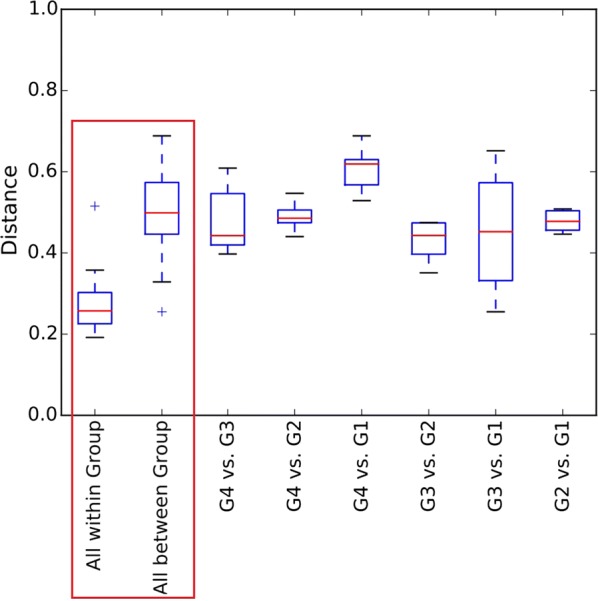
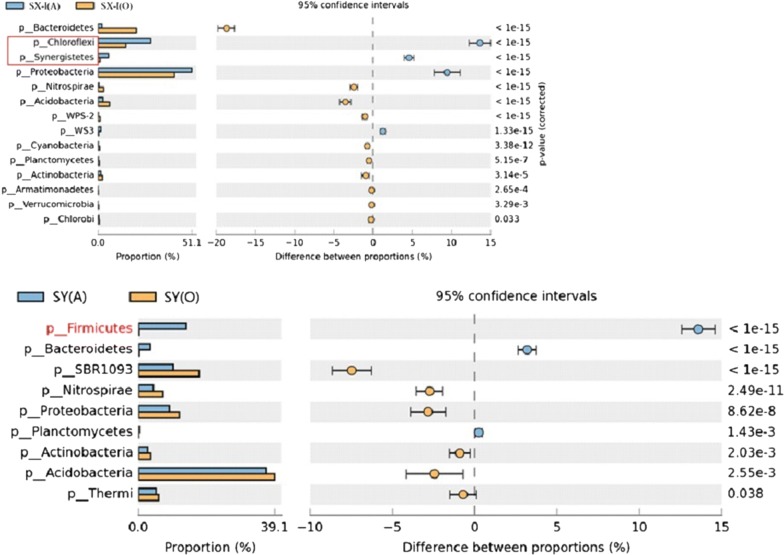
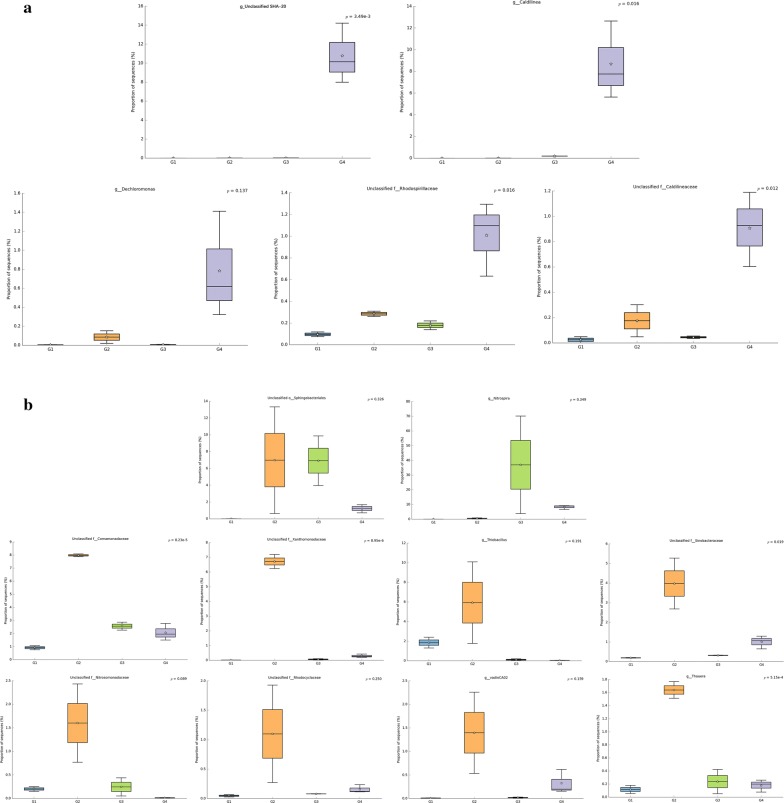
To investigate the differences in activated sludge microbial communities of different wastewater treatment plants (WWTPs) and understand their metabolic potentials, we sampled sludge from every biological treatment unit of 5 full-scale waste water treatment systems in 3 typical Chinese municipal WWTPs. The microbial communities and overall metabolic patterns were not only affected by influent characteristics but also varied between different biological treatment units. Distinct genera in different wastewater treatment systems were identified. The important microorganisms in domestic sewage treatment systems were unclassified SHA-20, Caldilinea, Dechloromonas, and unclassified genera from Rhodospirilaceae and Caldilineaceae. The important microorganisms in dyeing wastewater treatment systems were Nitrospira, Sphingobacteriales, Thiobacillus, Sinobacteraceae and Comamonadaceae. Compared with the obvious differences in microbial community composition, the metabolic potential showed no significant differences.
为了研究不同污水处理厂活性污泥微生物群落的差异并了解其代谢潜力,我们从中国3个典型城市污水处理厂的5个全规模污水处理系统的每个生物处理单元采集了污泥样本。微生物群落和整体代谢模式不仅受进水特性影响,而且在不同生物处理单元之间也有所不同。确定了不同污水处理系统中的独特属。生活污水处理系统中的重要微生物为未分类的SHA-20、嗜热栖热放线菌属、脱氯单胞菌属以及红螺菌科和嗜热栖热放线菌科的未分类属。印染废水处理系统中的重要微生物为硝化螺菌属、鞘脂杆菌目、硫杆菌属、中华杆菌科和丛毛单胞菌科。与微生物群落组成的明显差异相比,代谢潜力没有显著差异。