Suwal Sharmila, Wu Qiong, Liu Wenli, Liu Qingya, Sun Hongxiang, Liang Ming, Gao Jing, Zhang Bo, Kou Yanbo, Liu Zhuanzhuan, Wei Yanxia, Wang Yugang, Zheng Kuiyang
Jiangsu Key Laboratory of Immunity and Metabolism, Laboratory of Infection and Immunity, Department of Pathogenic Biology and Immunology, Xuzhou Medical University, Xuzhou, China.
Front Microbiol. 2018 Nov 1;9:2675. doi: 10.3389/fmicb.2018.02675. eCollection 2018.
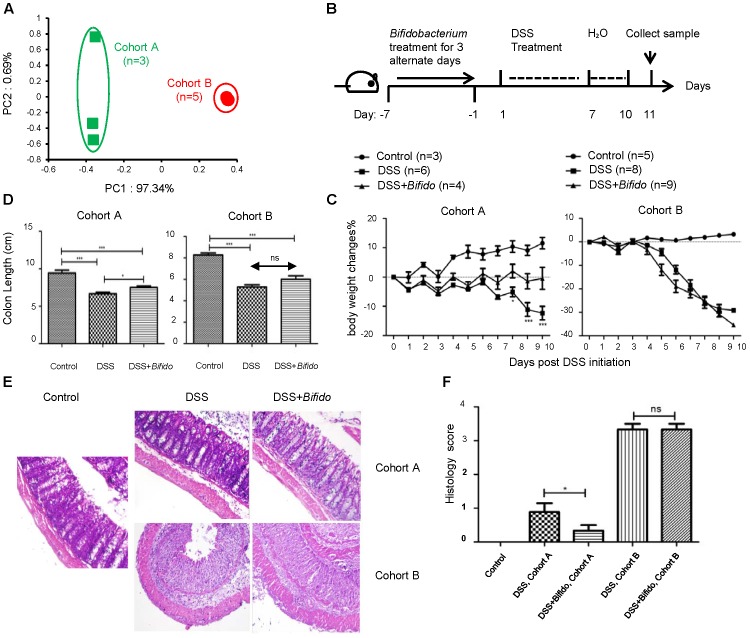
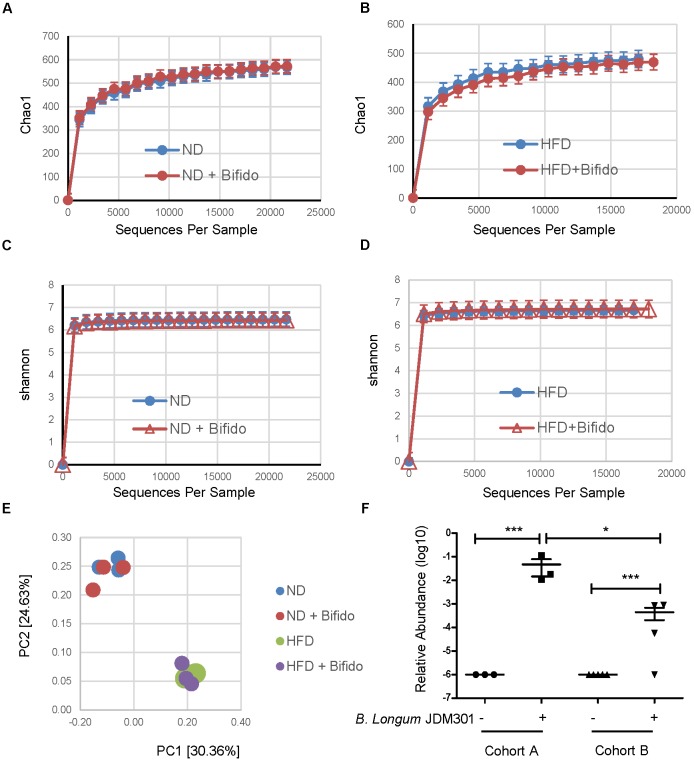
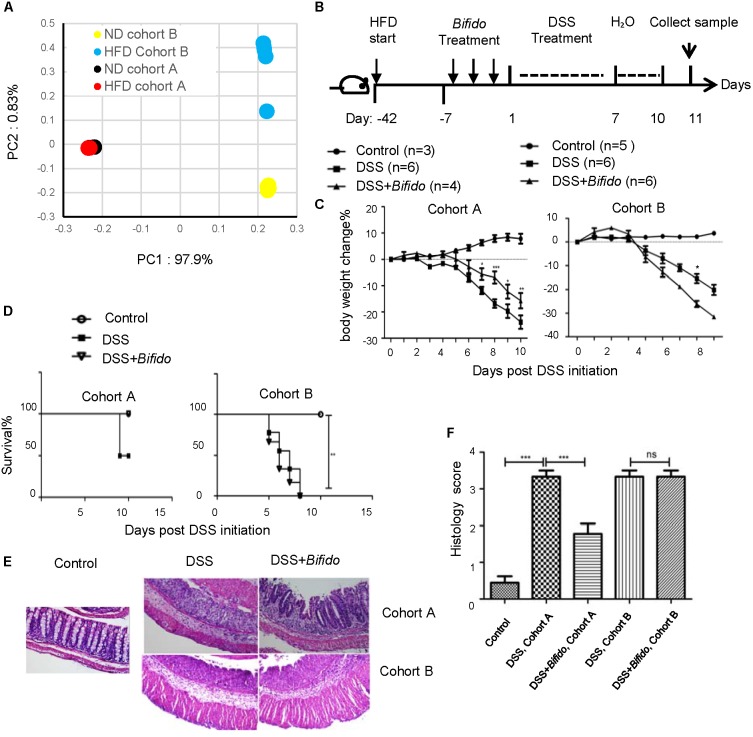
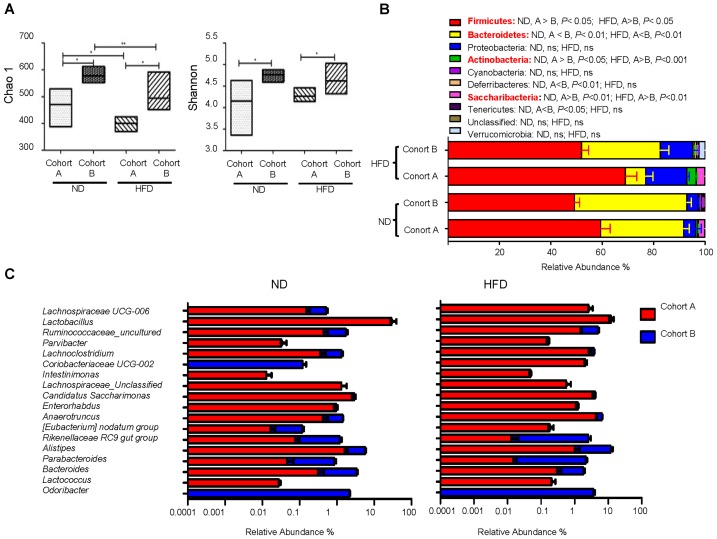
Current evidence to support extensive use of probiotics in inflammatory bowel disease is limited and factors that contribute to the inconsistent effectiveness of clinical probiotic therapy are not completely known. Here, we used JDM 301 as a model probiotic to study potential factors that may influence the effect of probiotics in experimental colitis. We found that the effect of JDM 301 in tempering experimental colitis varied across individual mice even with the same genetic background. The probiotic efficacy was highly correlated with the host gut microbial community features. Consumption of a diet rich in fat could exacerbate mucosal injury-induced colitis but could not change the host responsiveness to JDM 301 treatment, suggesting of potential mechanistic differences between regulating colitis pathogenesis, and modulating probiotic efficacies by the gut microbiota. Together, our results suggest that personalized microbiome features may modify the probiotic therapeutic effect and support the idea of personalized probiotic medicine in inflammatory bowel disease.
目前支持在炎症性肠病中广泛使用益生菌的证据有限,临床益生菌治疗效果不一致的原因也尚未完全明确。在此,我们使用JDM 301作为模型益生菌,研究可能影响益生菌在实验性结肠炎中作用效果的潜在因素。我们发现,即使具有相同的遗传背景,JDM 301在缓解实验性结肠炎方面的效果在不同个体小鼠中也存在差异。益生菌的功效与宿主肠道微生物群落特征高度相关。食用富含脂肪的饮食会加重黏膜损伤诱导的结肠炎,但不会改变宿主对JDM 301治疗的反应,这表明在调节结肠炎发病机制和通过肠道微生物群调节益生菌功效之间可能存在潜在的机制差异。总之,我们的结果表明,个性化的微生物组特征可能会改变益生菌的治疗效果,并支持炎症性肠病中个性化益生菌药物的观点。