Department of Chemistry and Chemical Biology, Harvard University, USA.
Nat Prod Rep. 2019 Apr 17;36(4):593-625. doi: 10.1039/c8np00074c.
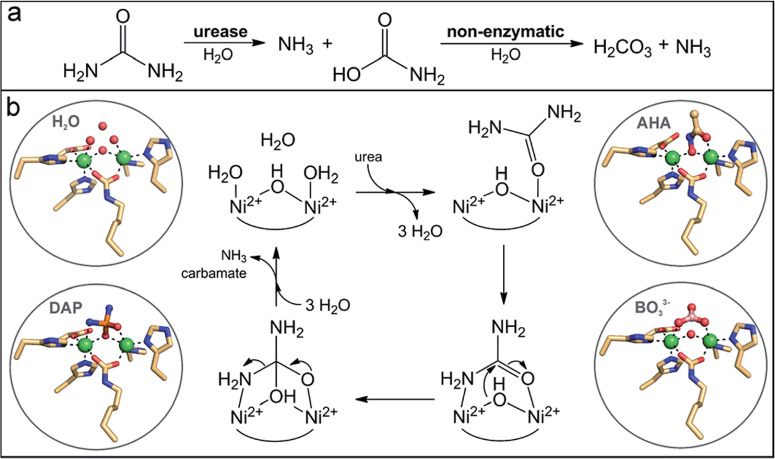
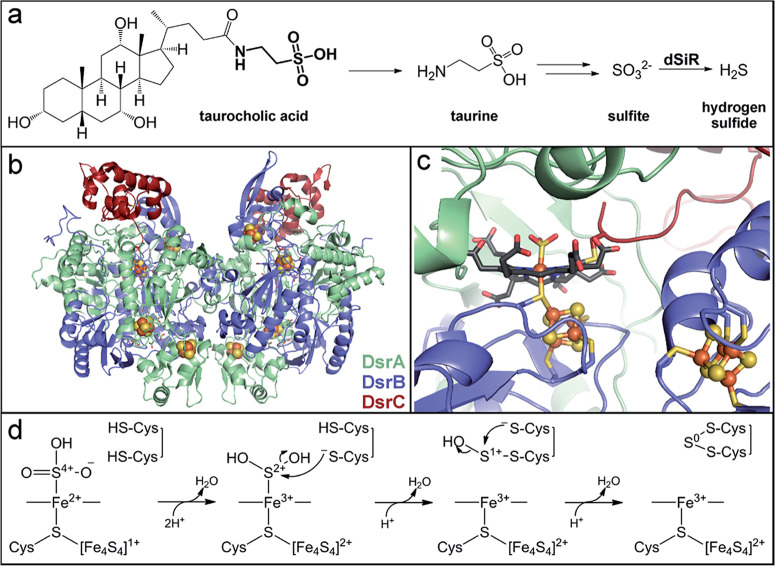
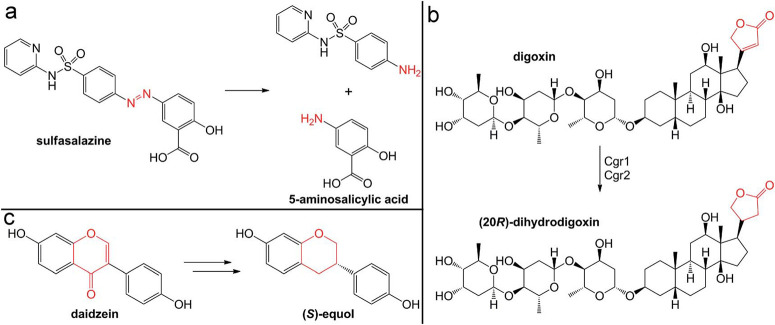
Covering: up to the end of 2017 The human body is composed of an equal number of human and microbial cells. While the microbial community inhabiting the human gastrointestinal tract plays an essential role in host health, these organisms have also been connected to various diseases. Yet, the gut microbial functions that modulate host biology are not well established. In this review, we describe metabolic functions of the human gut microbiota that involve metalloenzymes. These activities enable gut microbial colonization, mediate interactions with the host, and impact human health and disease. We highlight cases in which enzyme characterization has advanced our understanding of the gut microbiota and examples that illustrate the diverse ways in which metalloenzymes facilitate both essential and unique functions of this community. Finally, we analyze Human Microbiome Project sequencing datasets to assess the distribution of a prominent family of metalloenzymes in human-associated microbial communities, guiding future enzyme characterization efforts.
截至 2017 年底 人体由数量相等的人类细胞和微生物细胞组成。虽然栖息在人类胃肠道中的微生物群落对宿主健康起着至关重要的作用,但这些生物体也与各种疾病有关。然而,调节宿主生物学的肠道微生物功能尚未得到很好的确立。在这篇综述中,我们描述了涉及金属酶的人类肠道微生物群的代谢功能。这些活性使肠道微生物能够定植,介导与宿主的相互作用,并影响人类健康和疾病。我们强调了酶特性在哪些情况下促进了我们对肠道微生物群的理解,并举例说明了金属酶以多种方式促进该群落的基本和独特功能。最后,我们分析了人类微生物组计划测序数据集,以评估在人类相关微生物群落中分布广泛的一类金属酶,指导未来的酶特性研究。