Morales Irene, Costo Rocio, Mille Nicolas, Silva Gustavo B da, Carrey Julian, Hernando Antonio, Presa Patricia de la
Instituto de Magnetismo Aplicado (UCM-ADIF-CSIC), P.O. Box 155, Las Rozas, 28230 Madrid, Spain.
Instituto de Ciencia de Materiales de Madrid/CSIC, Sor Juana Inés de la Cruz 3, 28049 Madrid, Spain.
Nanomaterials (Basel). 2018 Nov 24;8(12):970. doi: 10.3390/nano8120970.
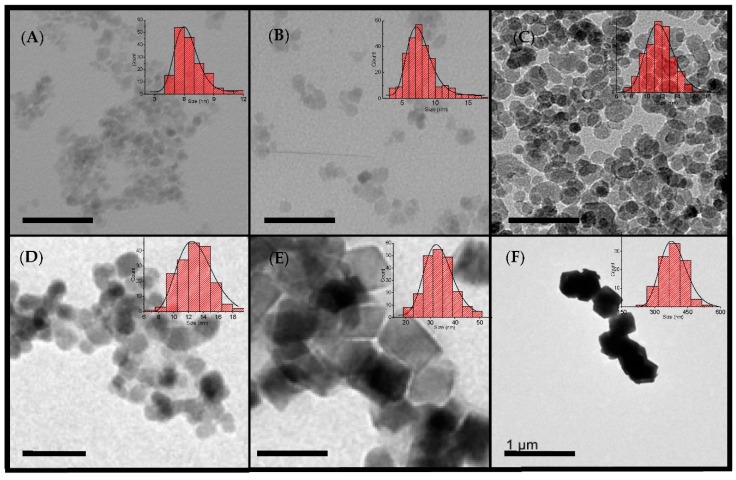
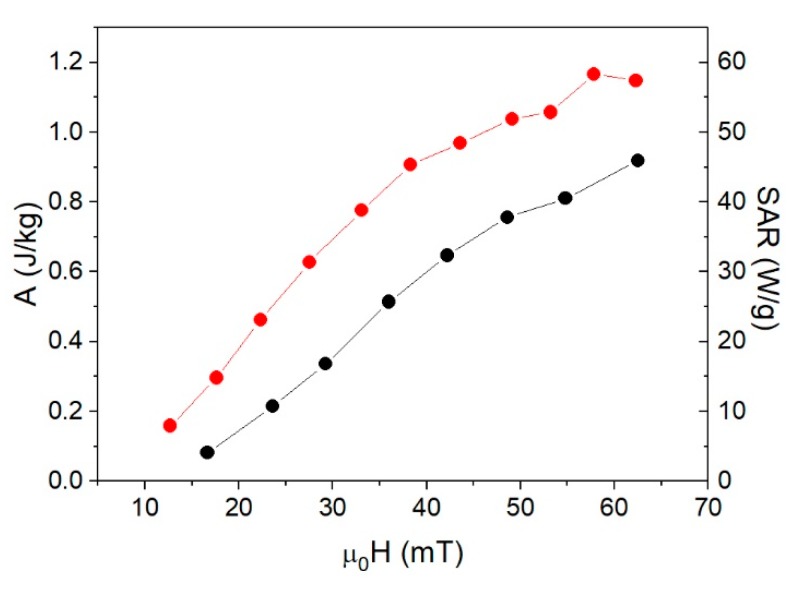
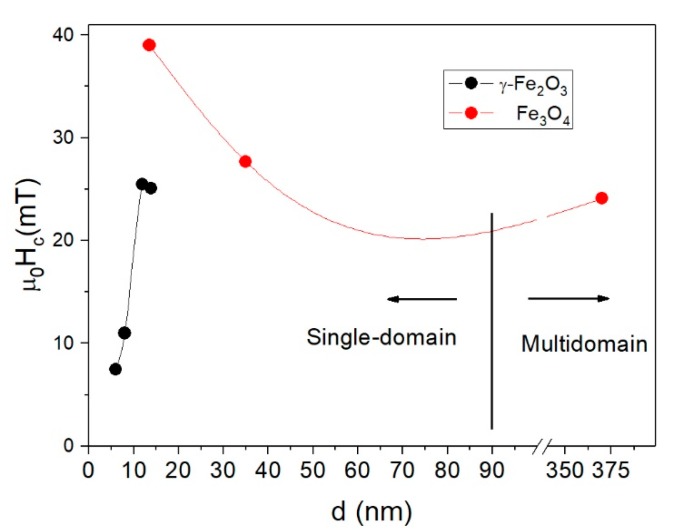
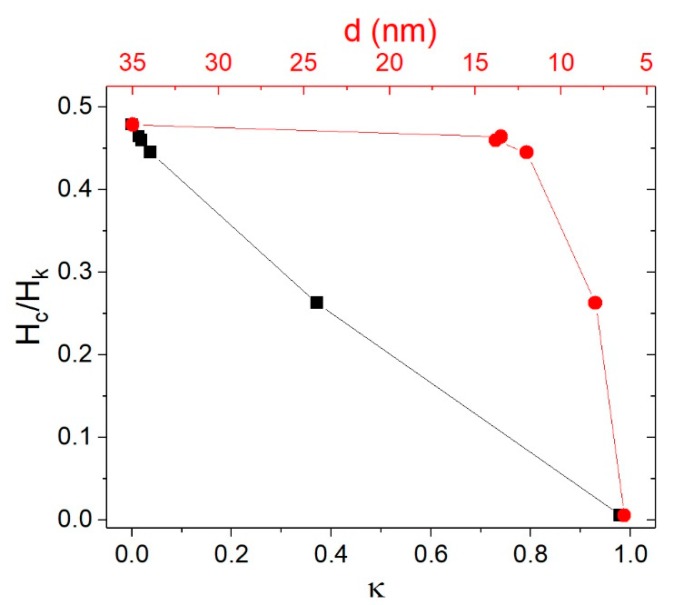
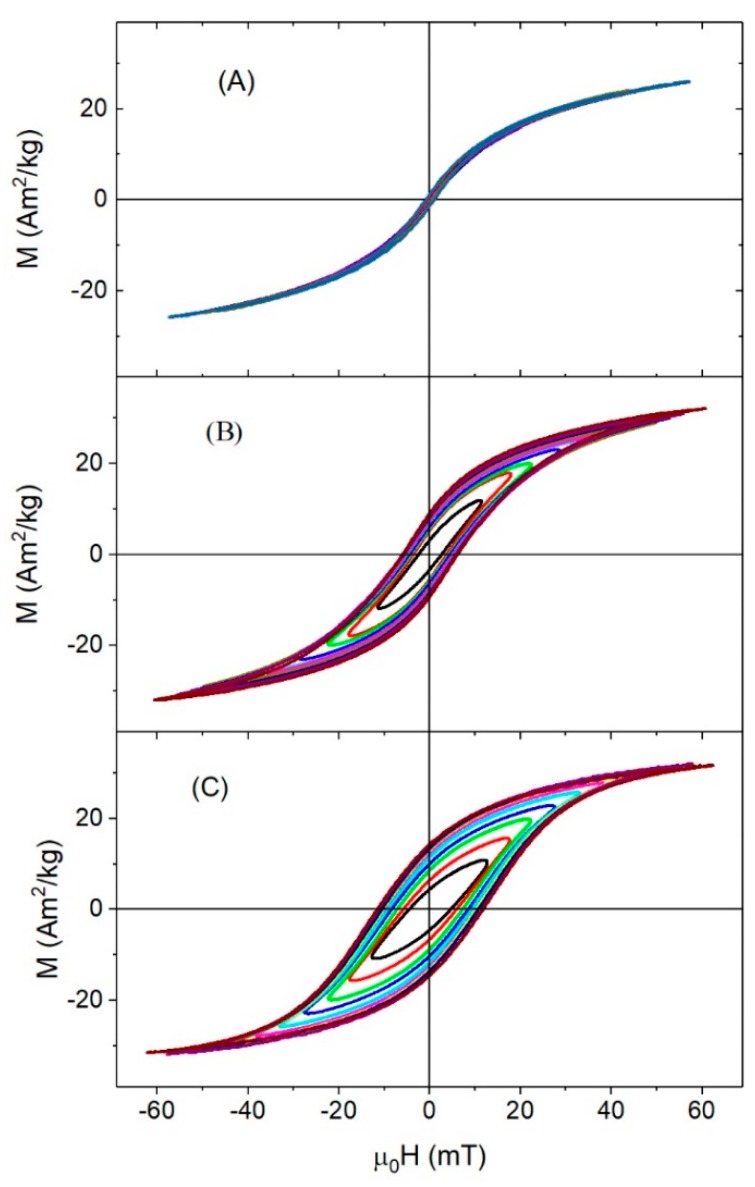
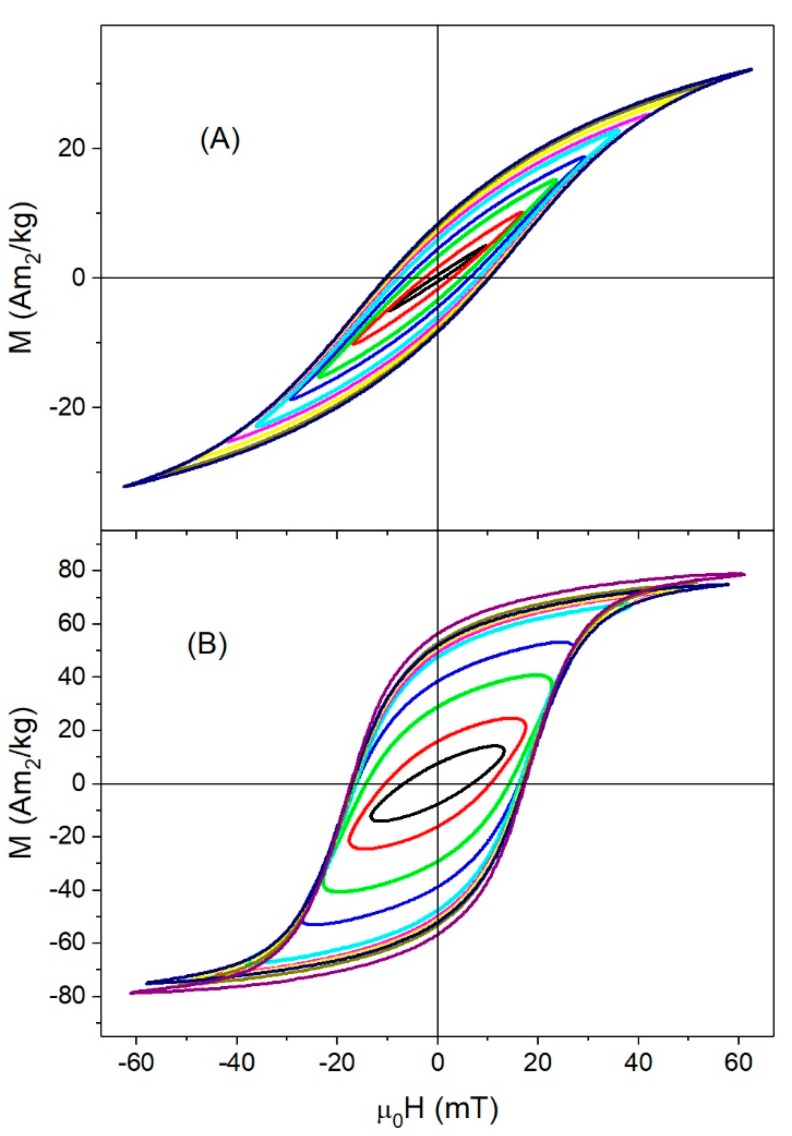
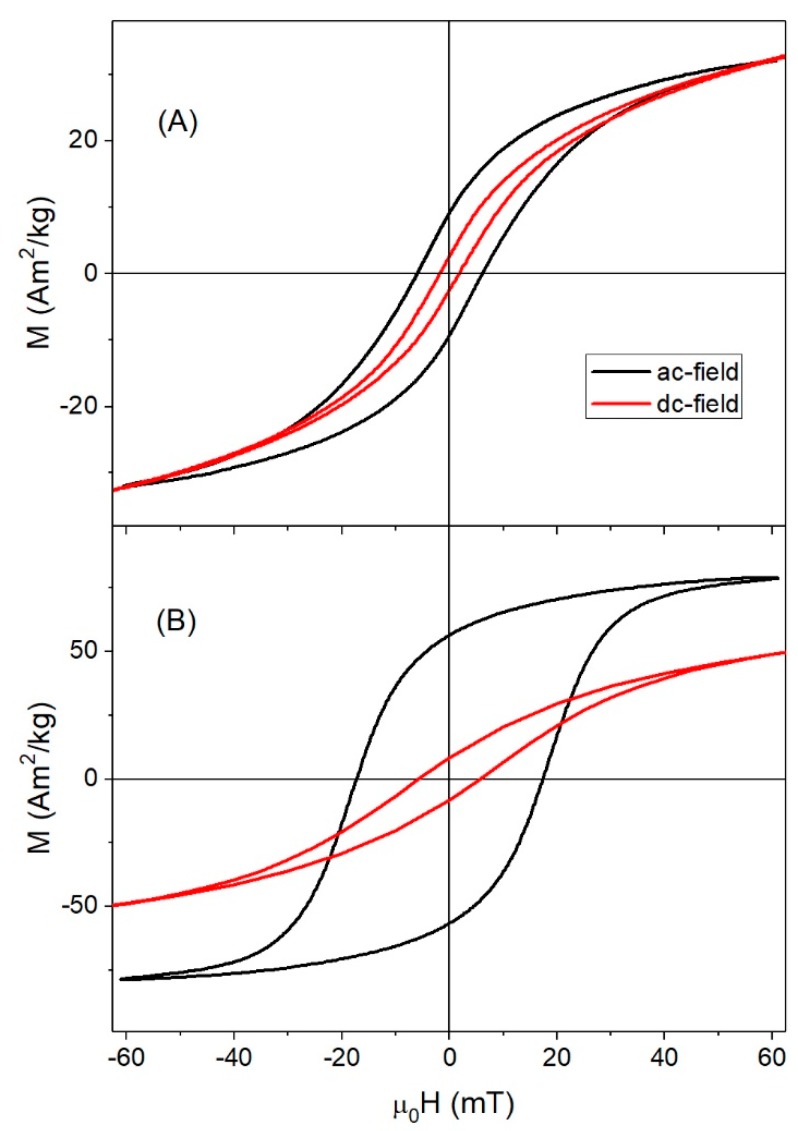
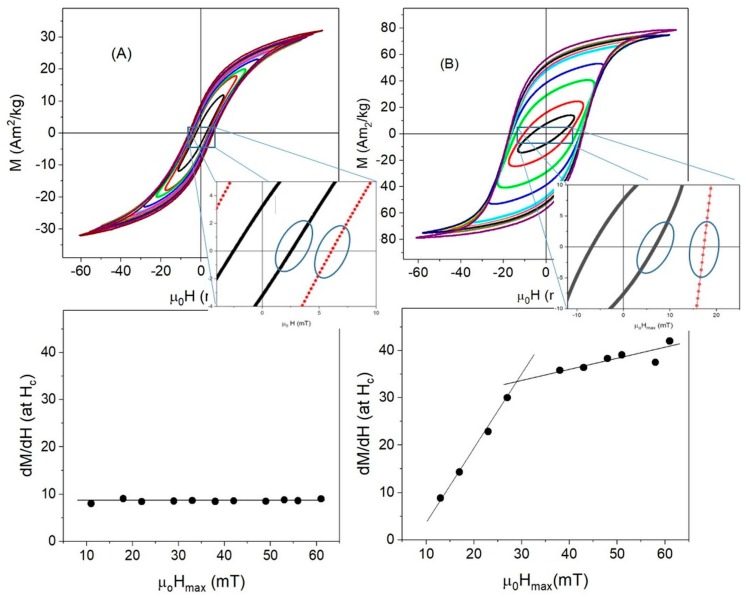
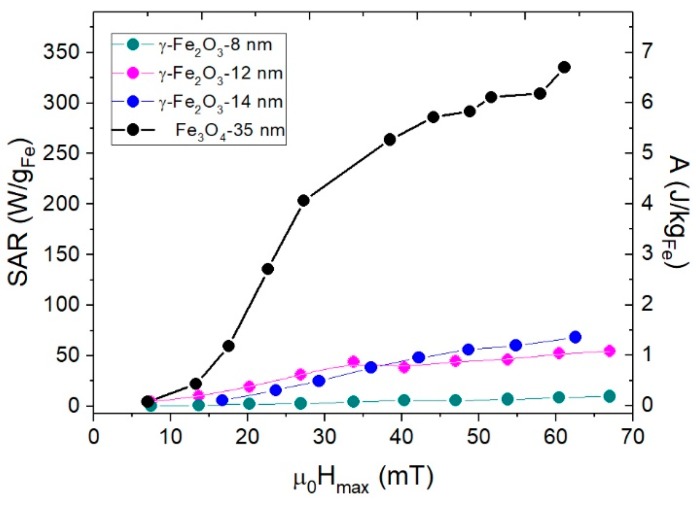
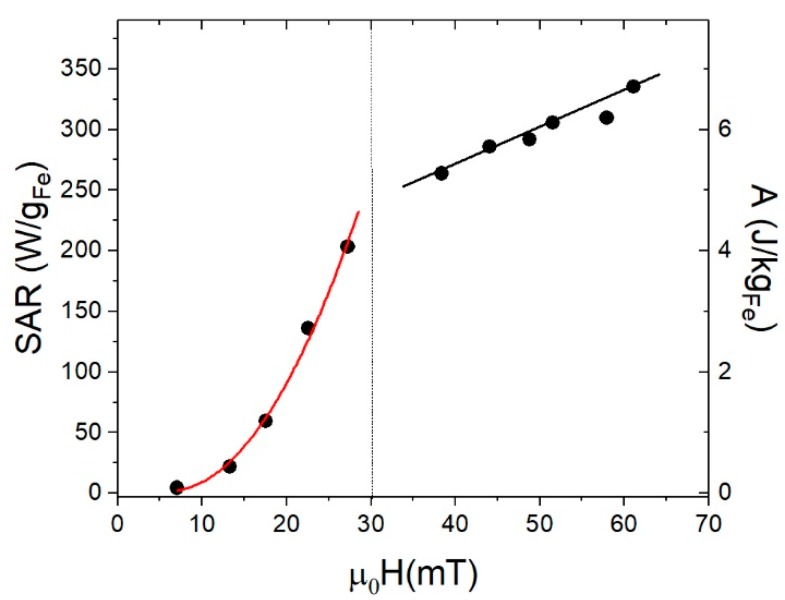
In order to understand the properties involved in the heating performance of magnetic nanoparticles during hyperthermia treatments, a systematic study of different γ-Fe₂O₃ and Fe₃O₄ nanoparticles has been done. High-frequency hysteresis loops at 50 kHz carried out on particles with sizes ranging from 6 to 350 nm show susceptibility χ increases from 9 to 40 for large particles and it is almost field independent for the smaller ones. This suggests that the applied field induces chain ordering in large particles but not in the smaller ones due to the competition between thermal and dipolar energy. The specific absorption rate (SAR) calculated from hysteresis losses at 60 mT and 50 kHz ranges from 30 to 360 W/g, depending on particle size, and the highest values correspond to particles ordered in chains. This enhanced heating efficiency is not a consequence of the intrinsic properties like saturation magnetization or anisotropy field but to the spatial arrangement of the particles.
为了了解磁纳米颗粒在热疗治疗过程中加热性能所涉及的特性,已对不同的γ-Fe₂O₃和Fe₃O₄纳米颗粒进行了系统研究。在尺寸范围为6至350 nm的颗粒上进行的50 kHz高频磁滞回线显示,对于大颗粒,磁化率χ从9增加到40,而对于较小颗粒,它几乎与磁场无关。这表明,由于热和偶极能量之间的竞争,外加磁场在大颗粒中诱导链状排列,而在较小颗粒中则不然。根据60 mT和50 kHz下的磁滞损耗计算出的比吸收率(SAR)范围为30至360 W/g,具体取决于颗粒大小,最高值对应于链状排列的颗粒。这种增强的加热效率不是由饱和磁化强度或各向异性场等固有特性导致的,而是由颗粒的空间排列造成的。