Integrative Physiology, Department of Physiology, Graduate School of Medicine, Osaka University, Osaka, Japan.
Graduate School of Frontier Biosciences, Osaka University, Osaka, Japan.
Elife. 2018 Nov 28;7:e41653. doi: 10.7554/eLife.41653.
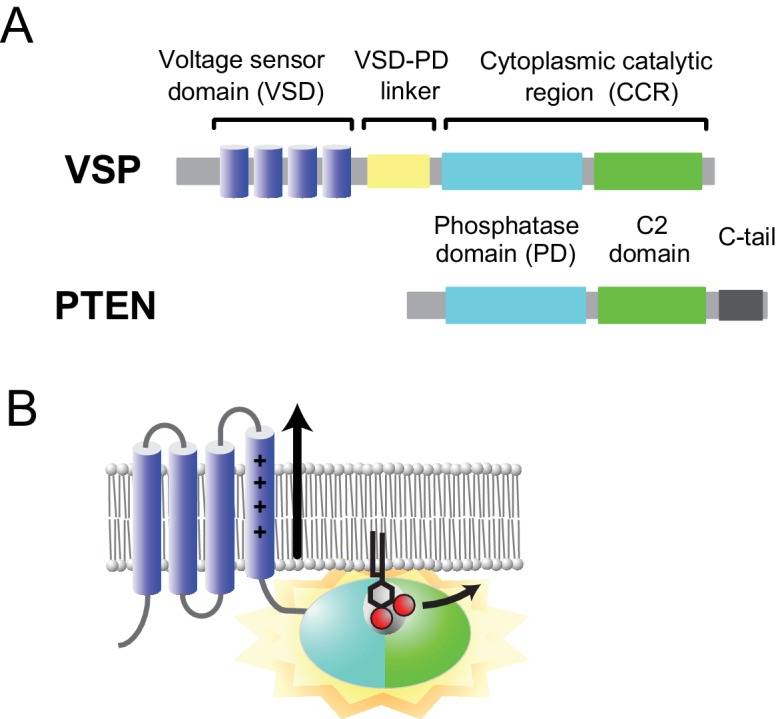
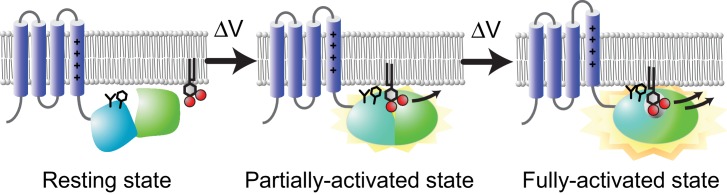
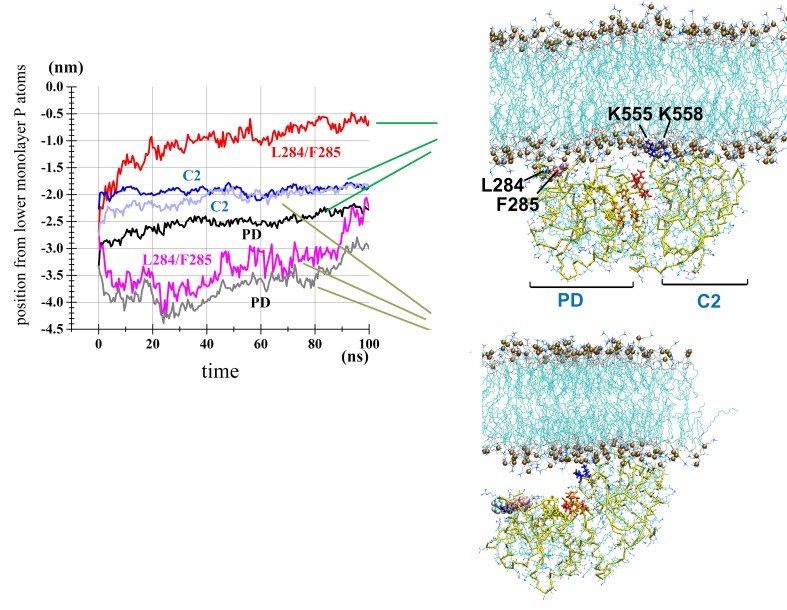
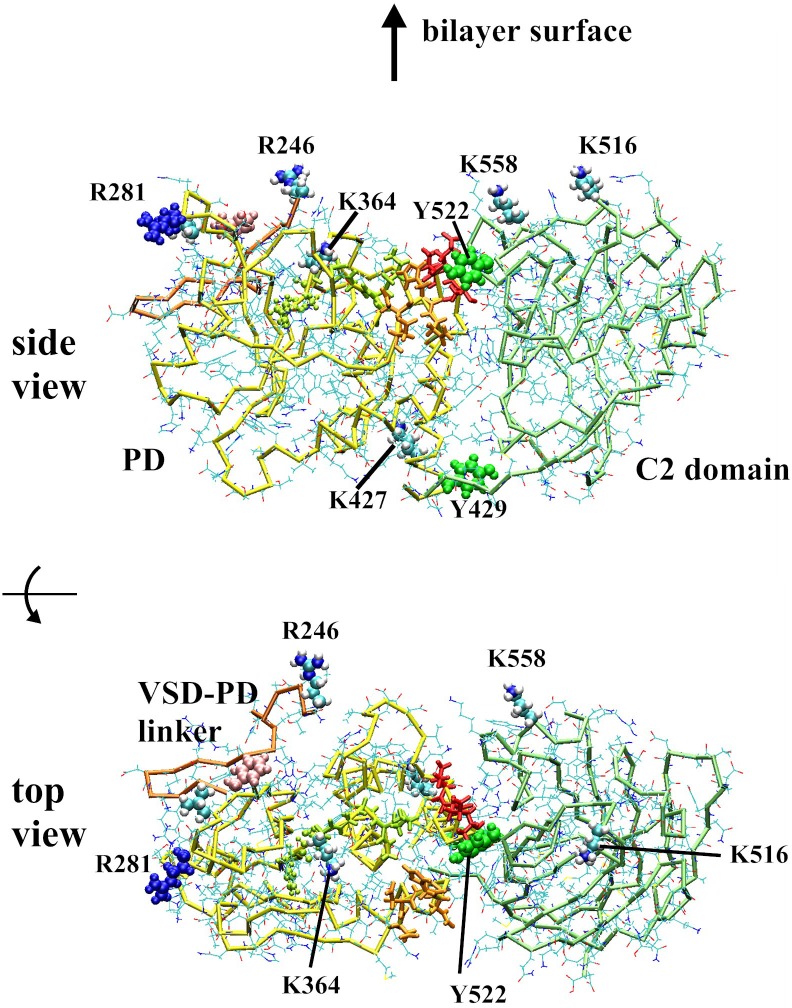
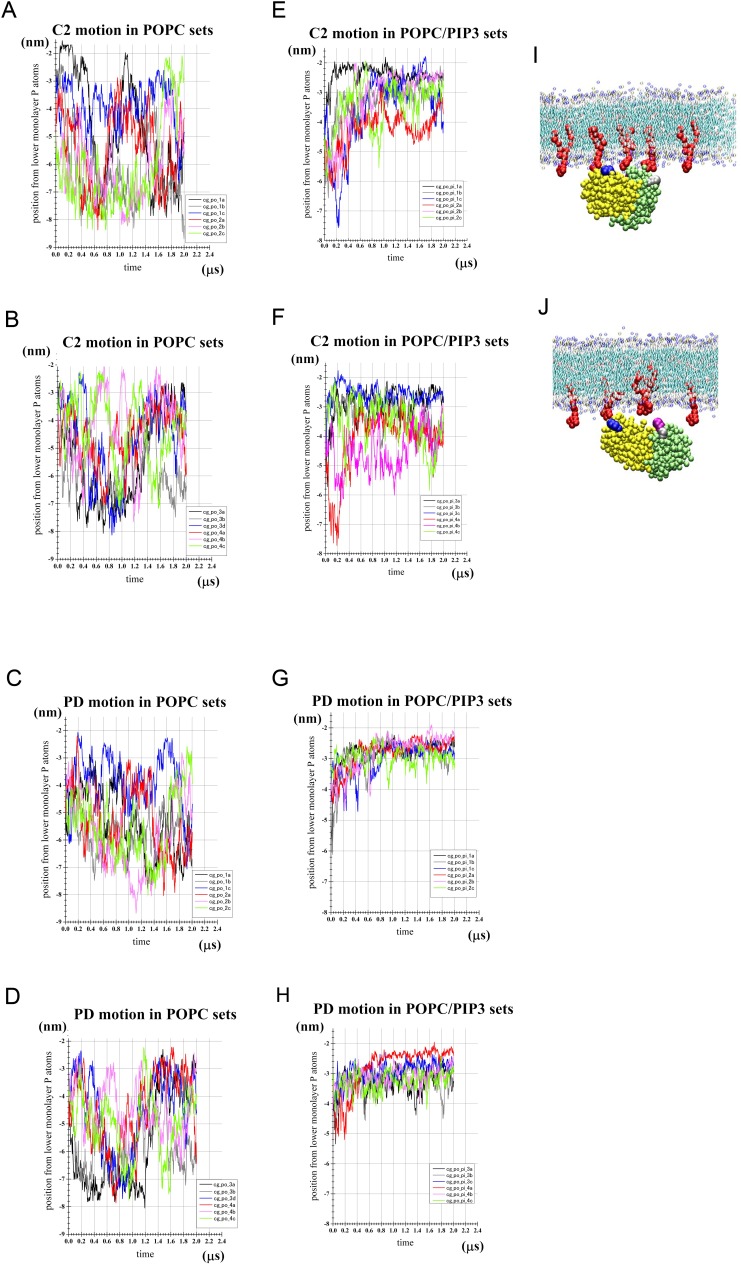
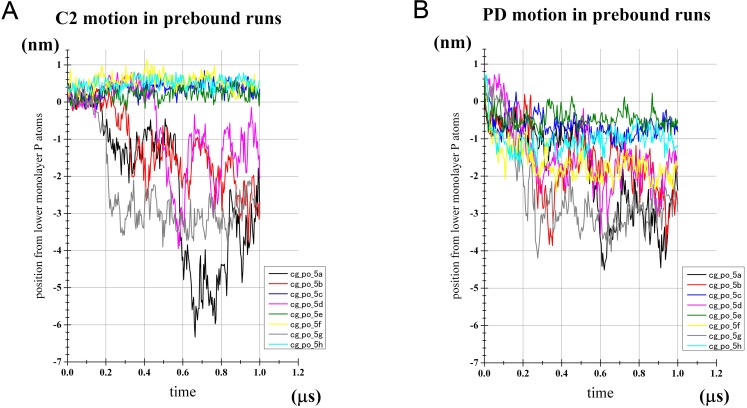
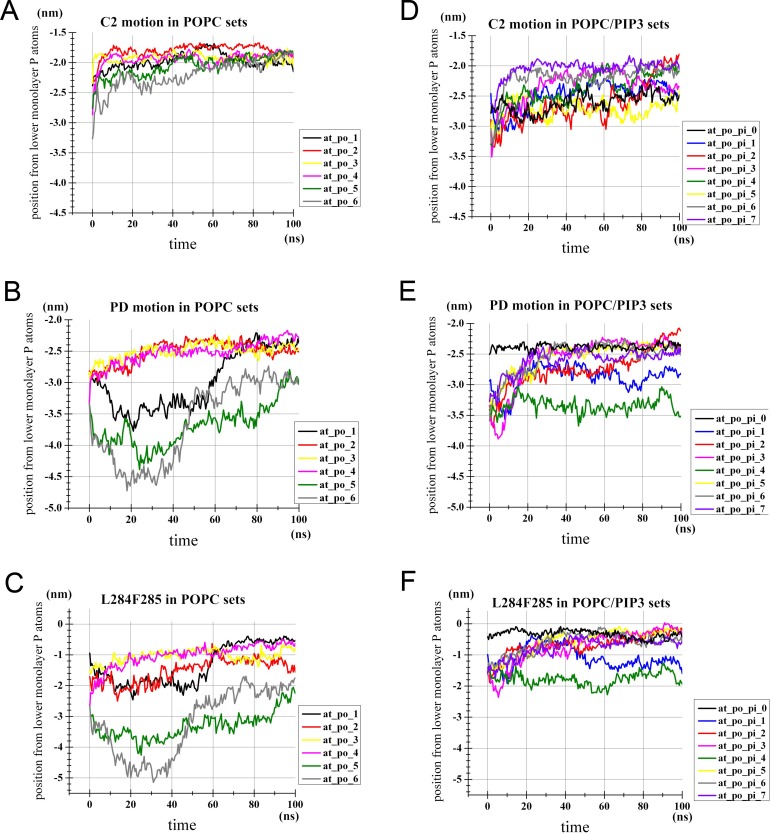
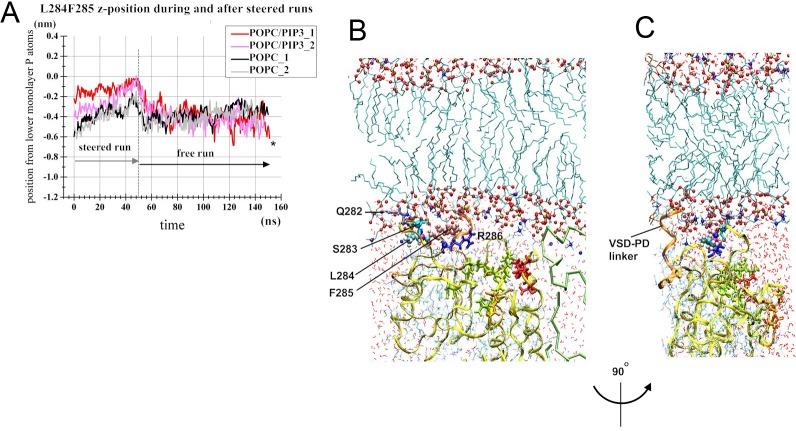
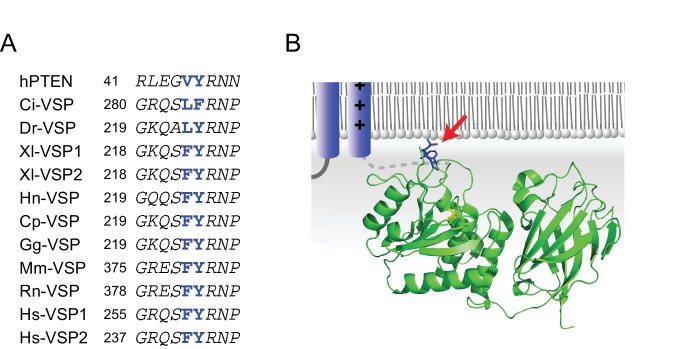
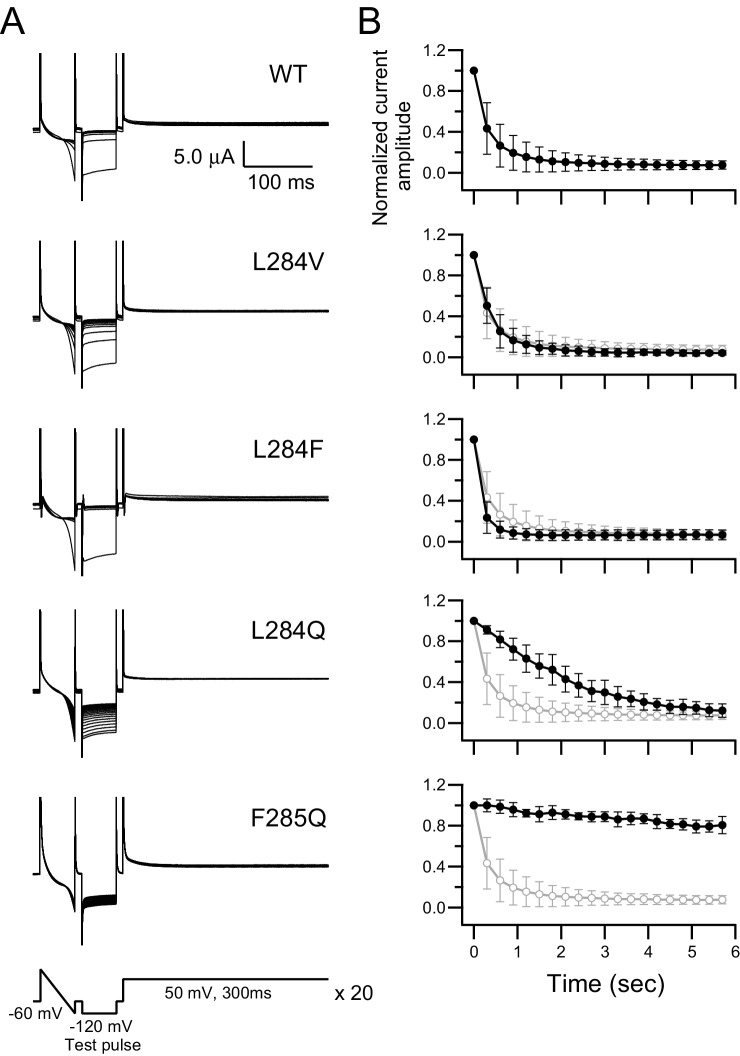
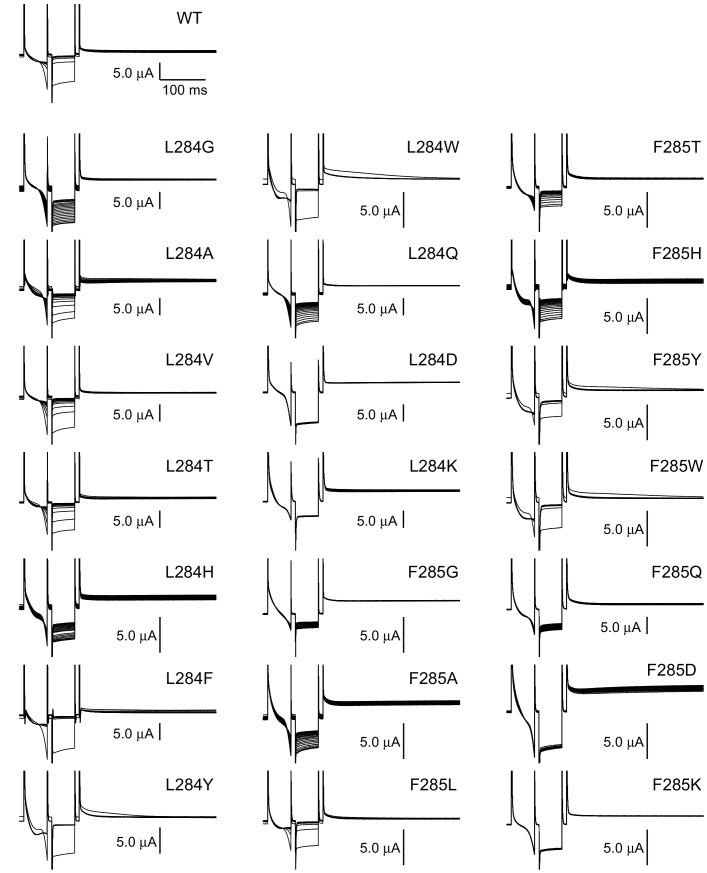
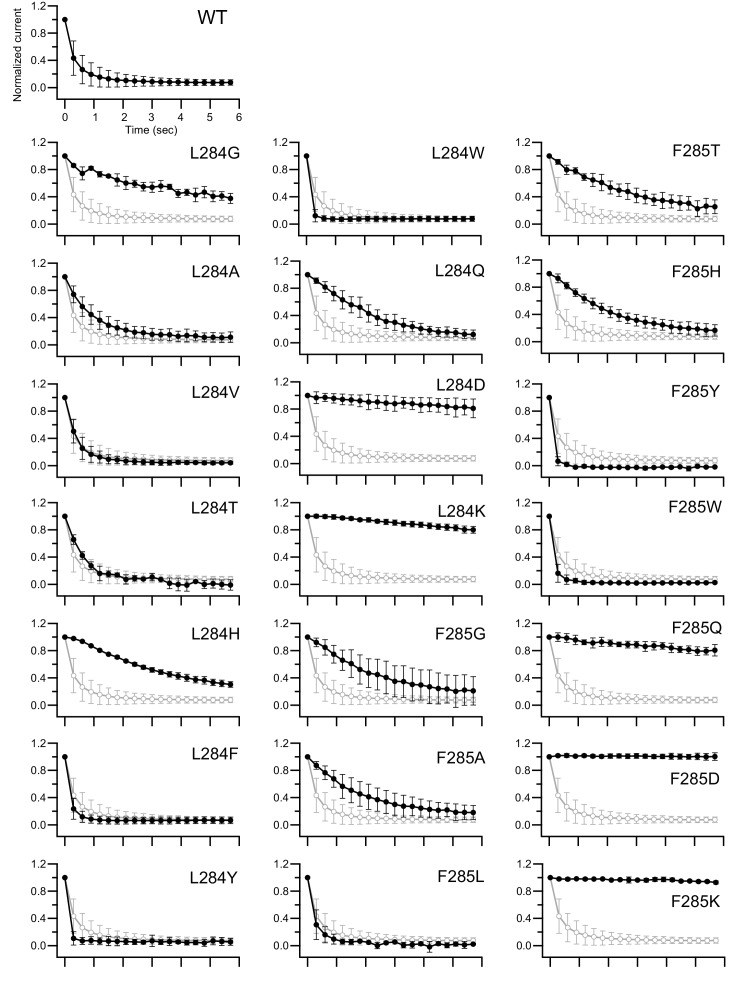
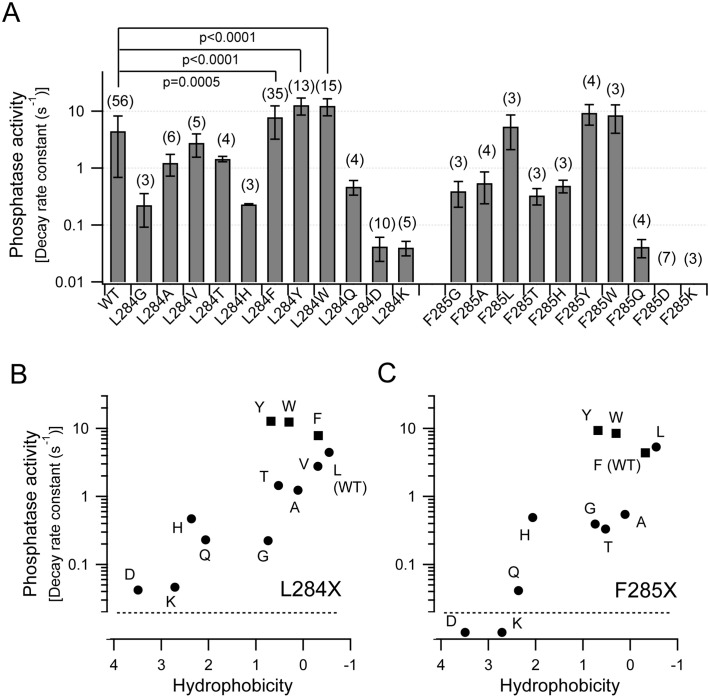
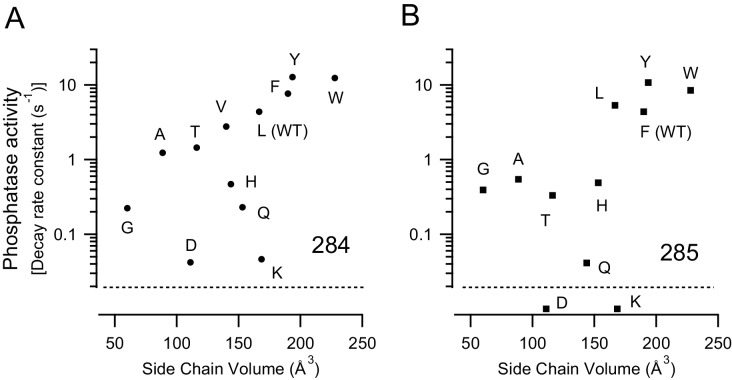
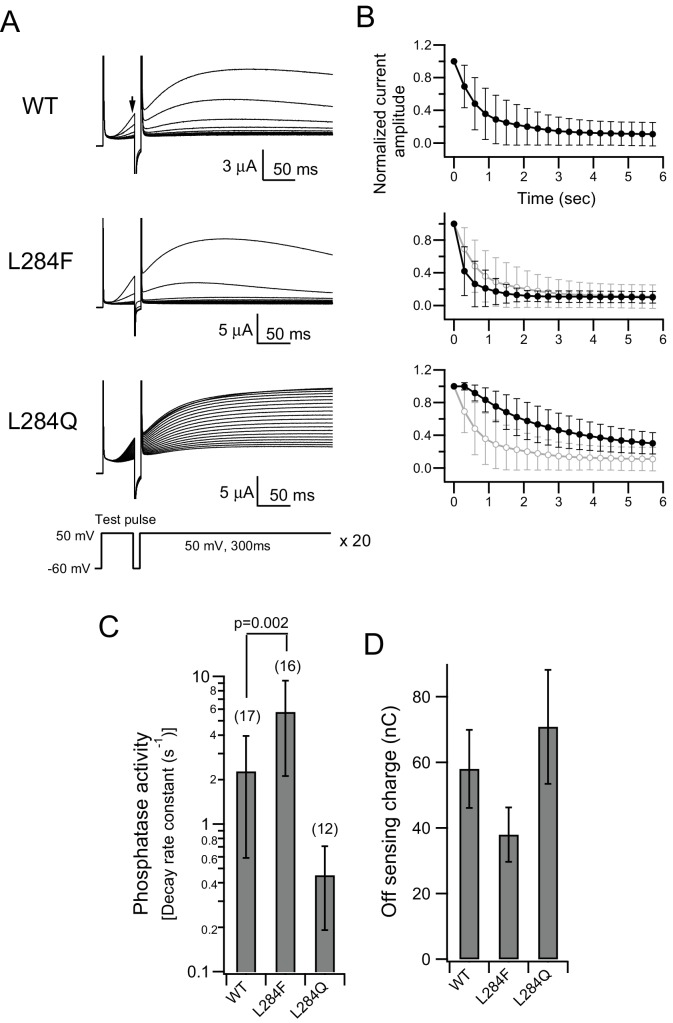
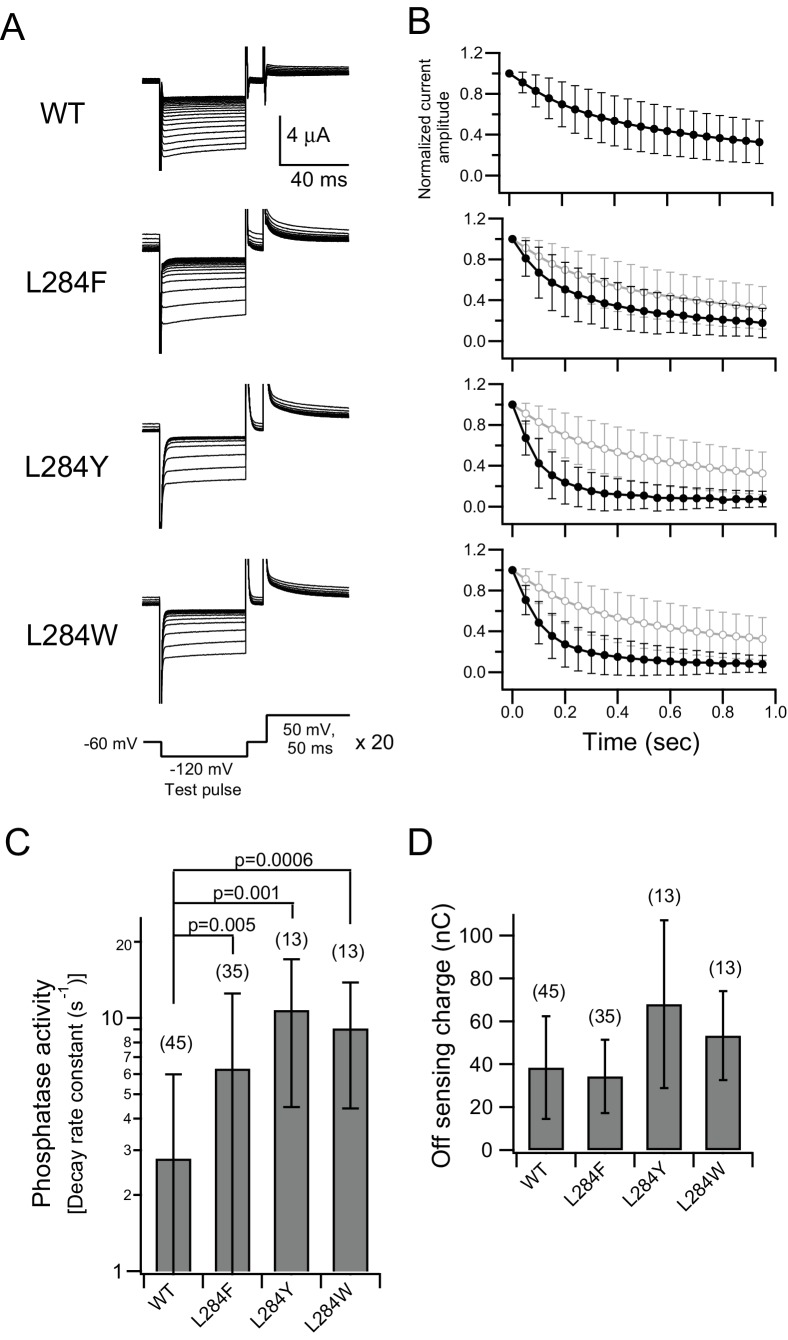
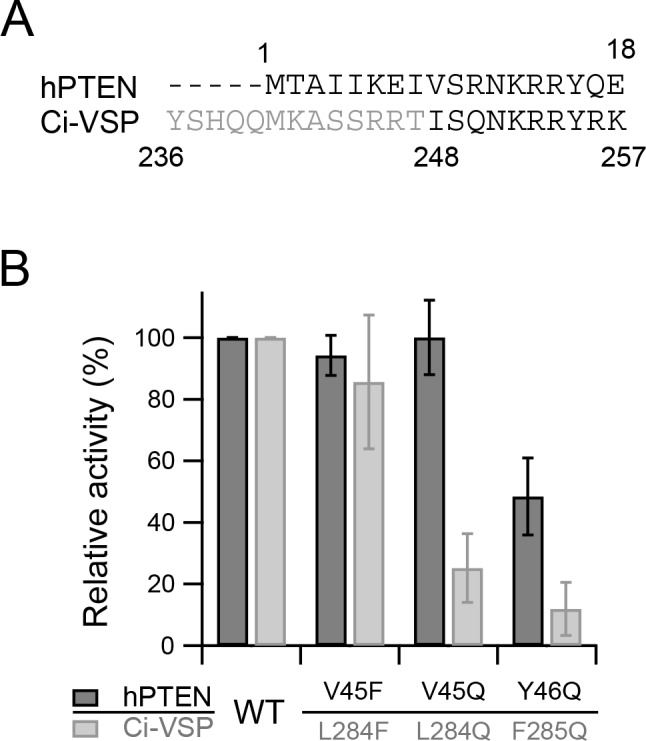
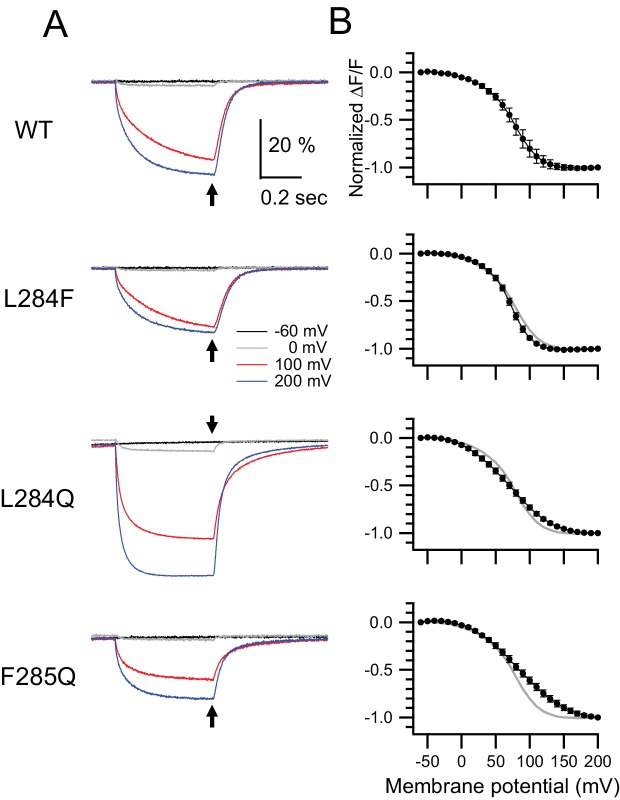
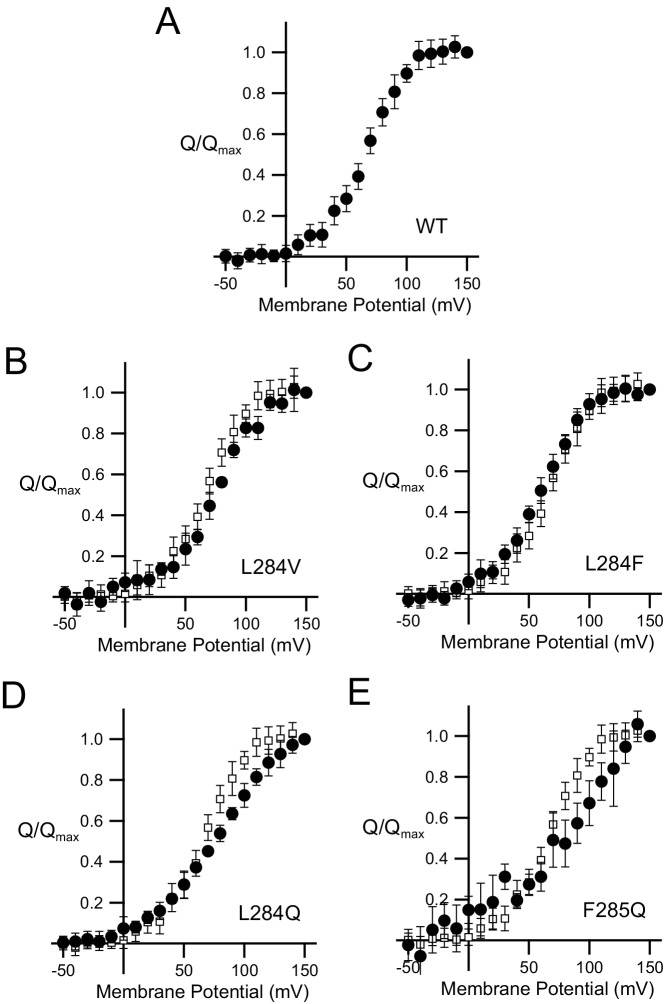
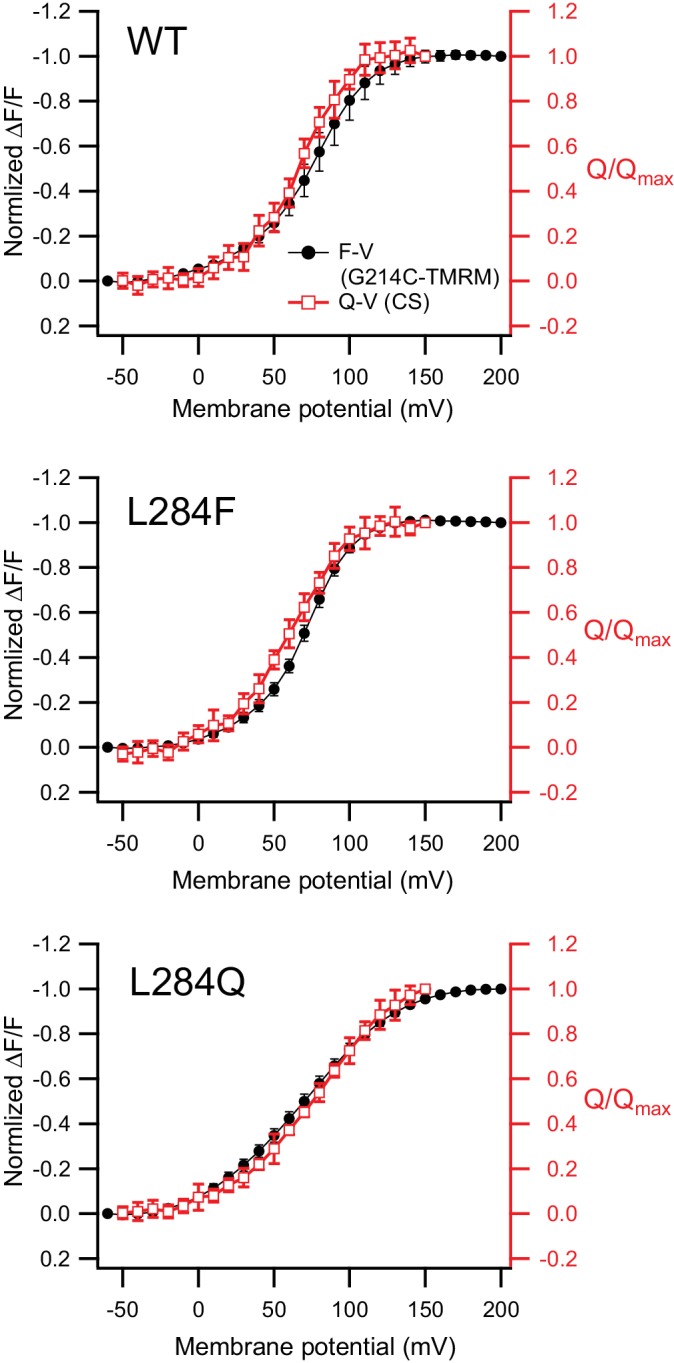
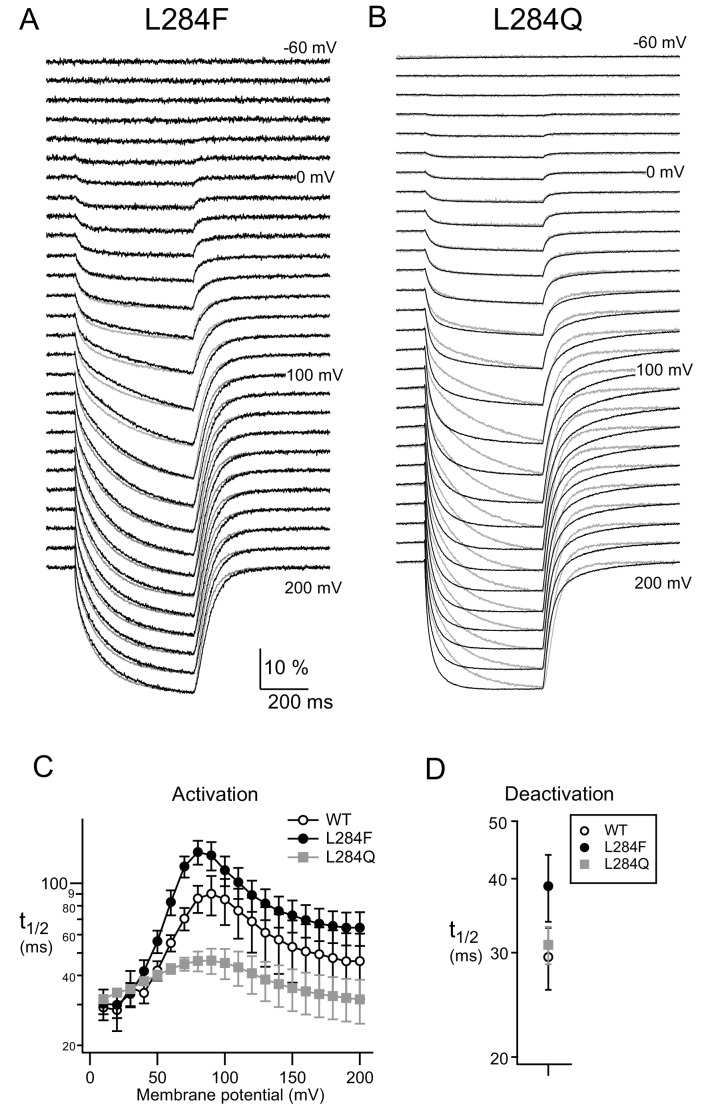
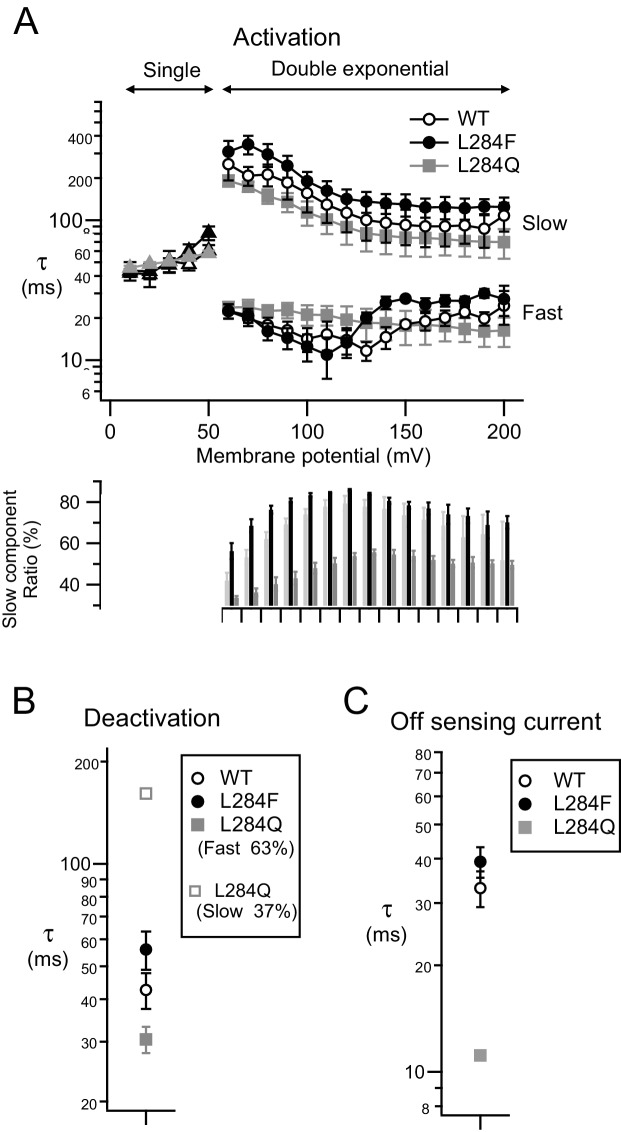
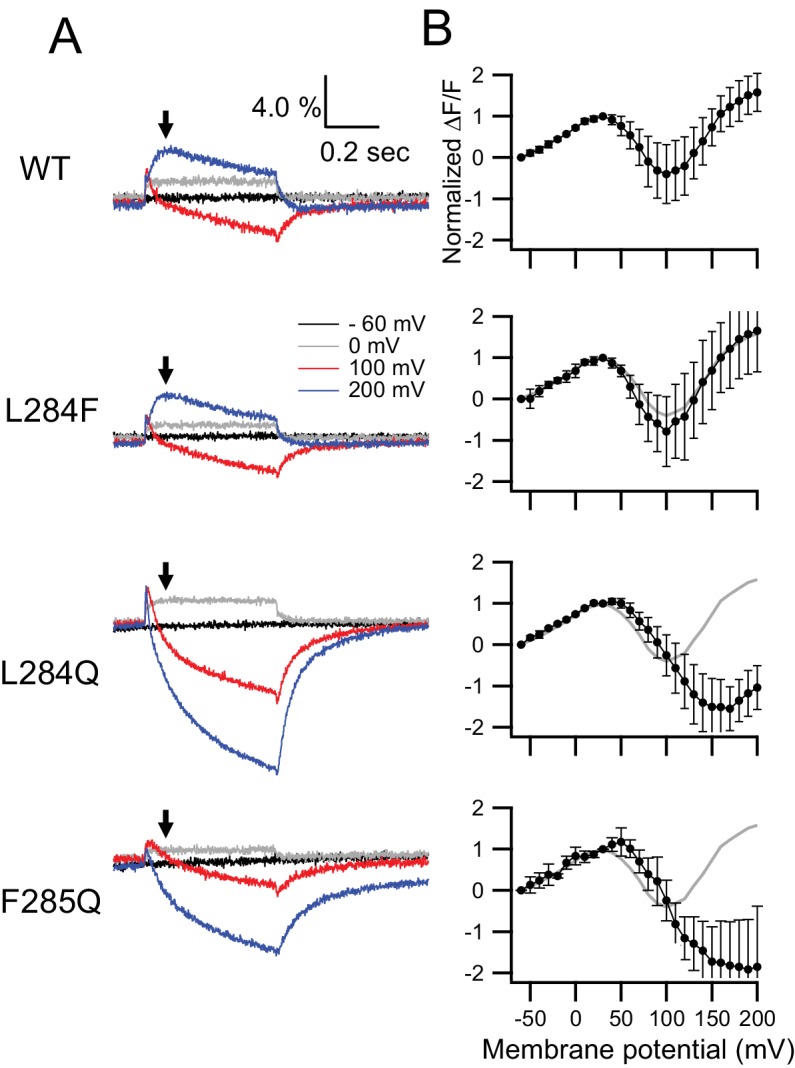
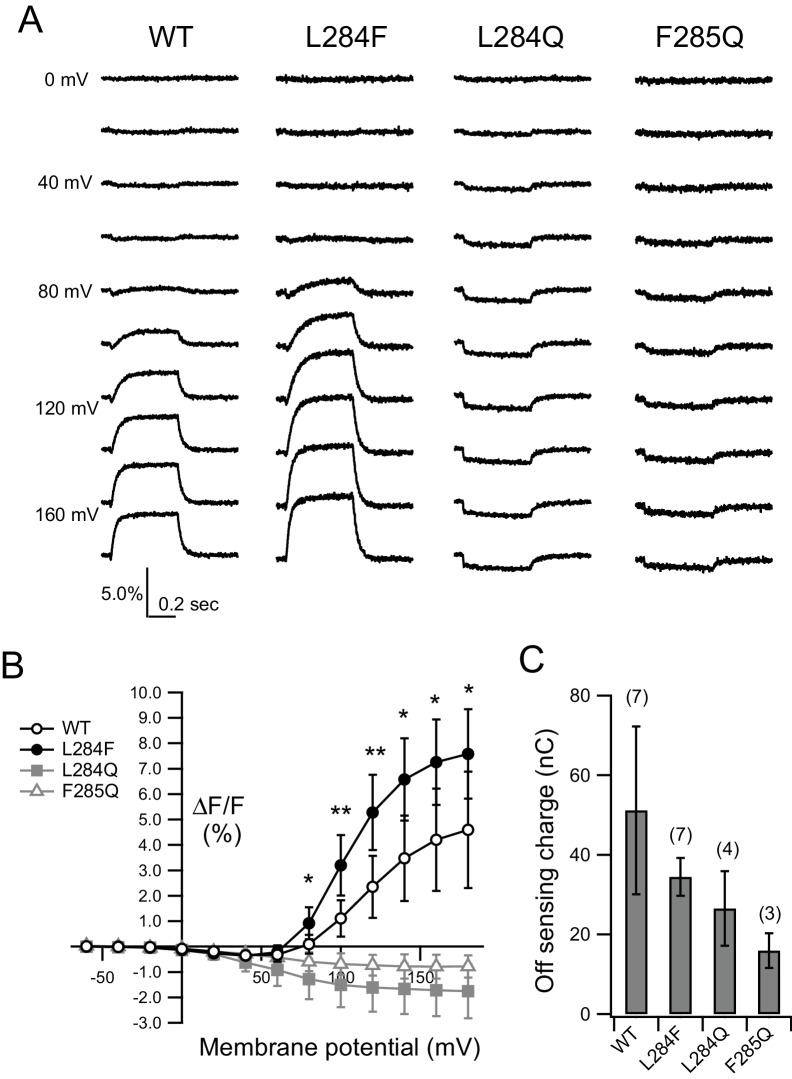
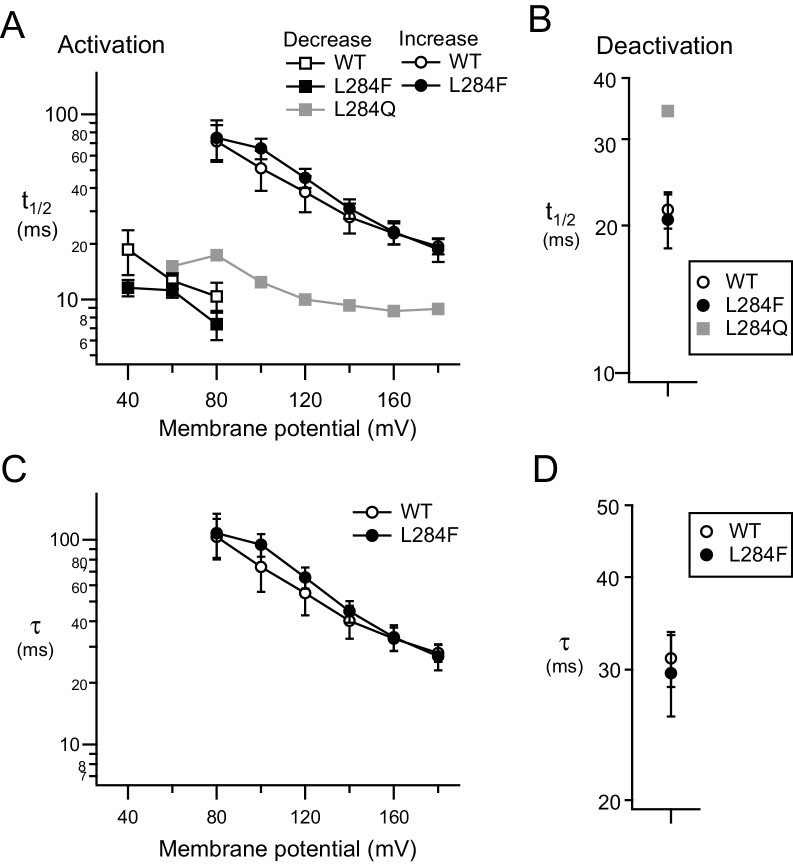
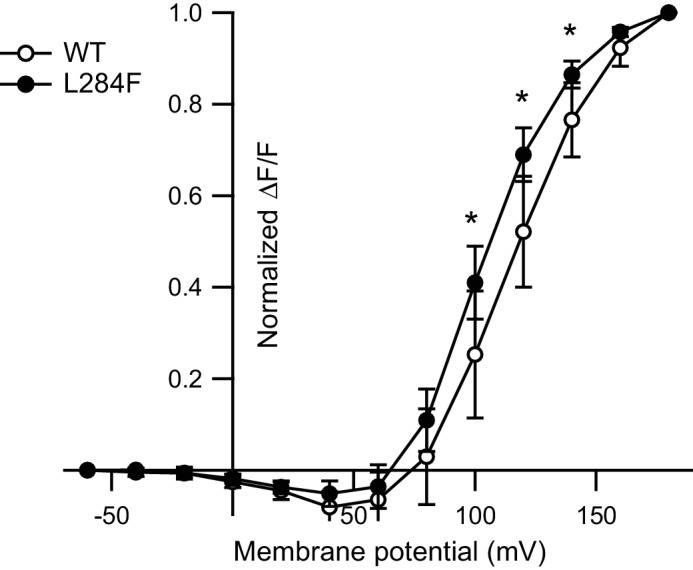
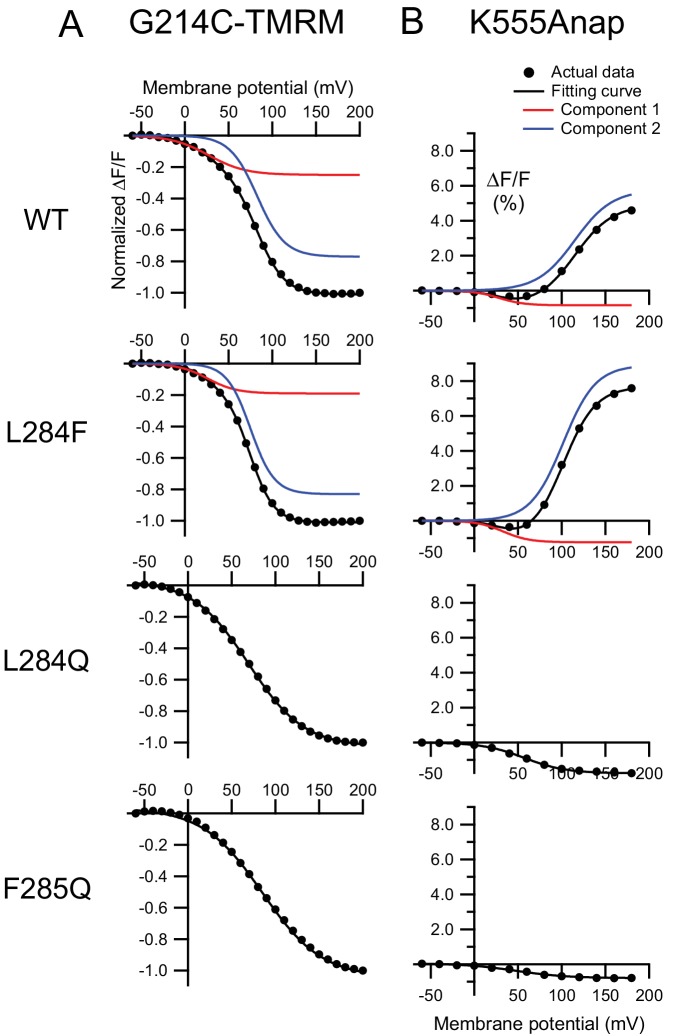
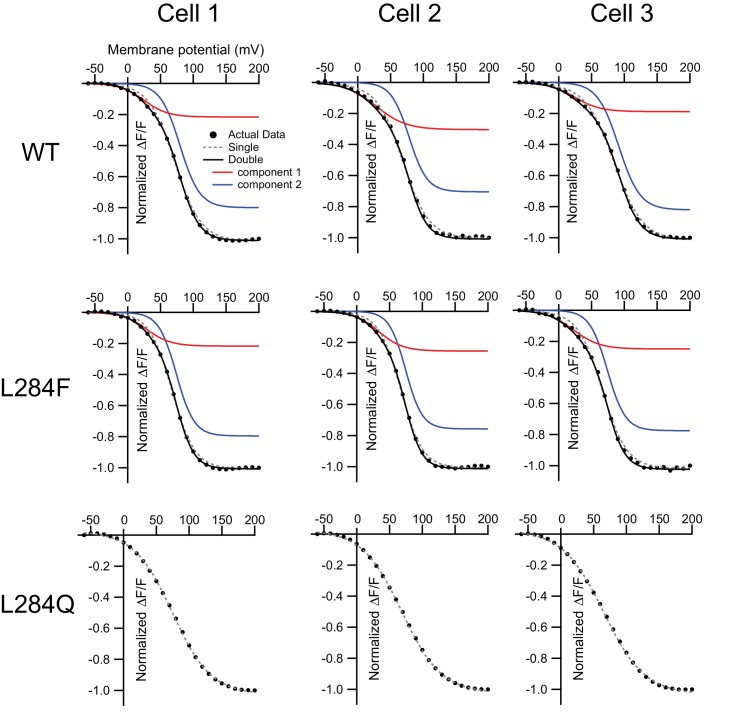
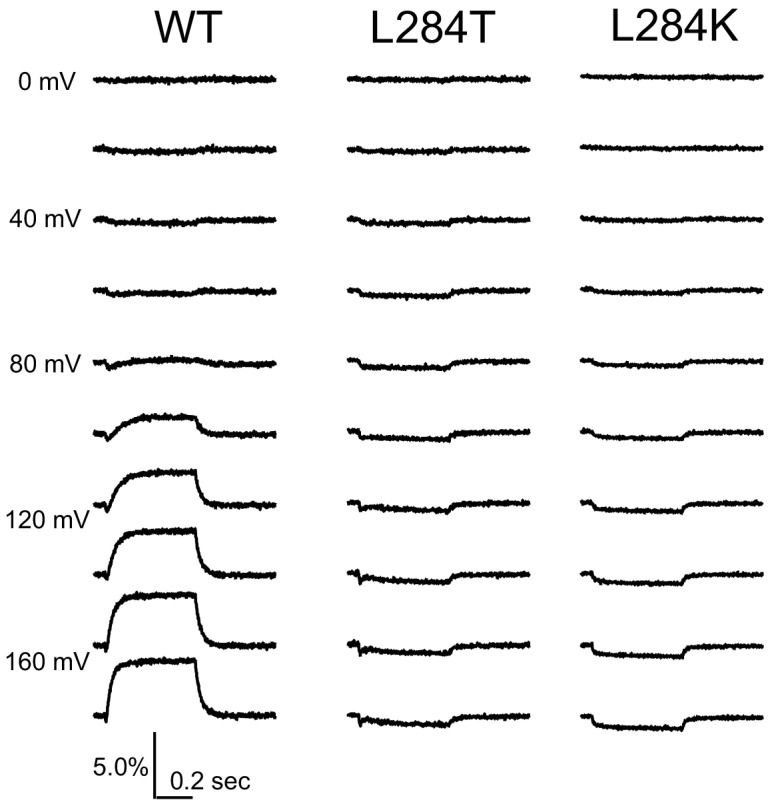
Voltage-sensing phosphatases (VSP) contain a voltage sensor domain (VSD) similar to that of voltage-gated ion channels but lack a pore-gate domain. A VSD in a VSP regulates the cytoplasmic catalytic region (CCR). However, the mechanisms by which the VSD couples to the CCR remain elusive. Here we report a membrane interface (named 'the hydrophobic spine'), which is essential for the coupling of the VSD and CCR. Our molecular dynamics simulations suggest that the hydrophobic spine of VSP (Ci-VSP) provides a hinge-like motion for the CCR through the loose membrane association of the phosphatase domain. Electrophysiological experiments indicate that the voltage-dependent phosphatase activity of Ci-VSP depends on the hydrophobicity and presence of an aromatic ring in the hydrophobic spine. Analysis of conformational changes in the VSD and CCR suggests that the VSP has two states with distinct enzyme activities and that the second transition depends on the hydrophobic spine.
电压感应磷酸酶 (VSP) 包含一个类似于电压门控离子通道的电压感应结构域 (VSD),但缺乏孔门结构域。VSP 中的 VSD 调节细胞质催化区域 (CCR)。然而,VSD 与 CCR 偶联的机制仍不清楚。在这里,我们报告了一个膜界面(称为“疏水区脊”),它对于 VSD 和 CCR 的偶联是必不可少的。我们的分子动力学模拟表明,VSP 的疏水区脊(Ci-VSP)通过磷酸酶结构域与膜松散结合为 CCR 提供了类似于铰链的运动。电生理实验表明,Ci-VSP 的电压依赖性磷酸酶活性依赖于疏水区脊的疏水性和芳环的存在。对 VSD 和 CCR 构象变化的分析表明,VSP 具有两种具有不同酶活性的状态,并且第二个转变取决于疏水区脊。