Department of Plant Pathology, College of Plant Protection, China Agricultural University, Beijing 100193, China.
Molecules. 2018 Nov 27;23(12):3098. doi: 10.3390/molecules23123098.
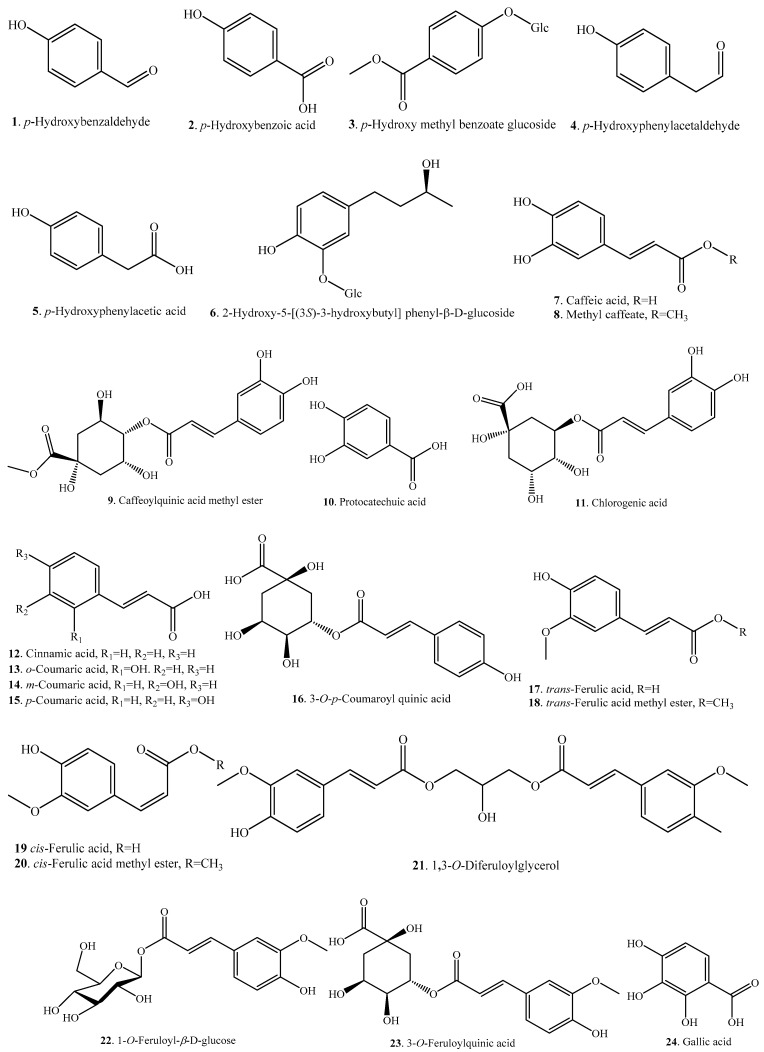
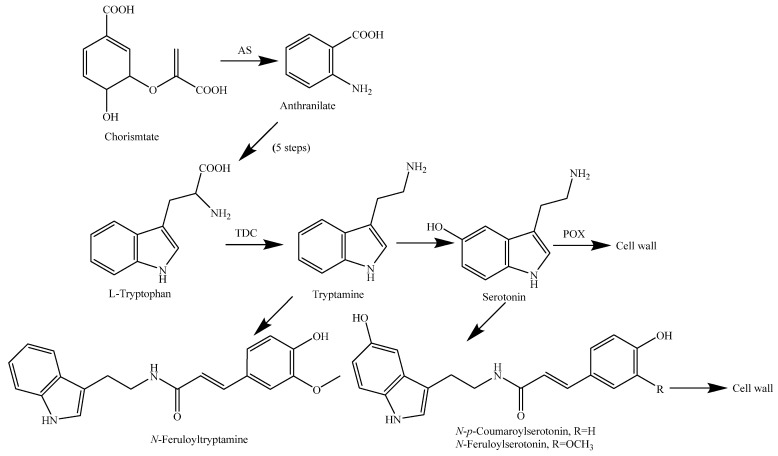
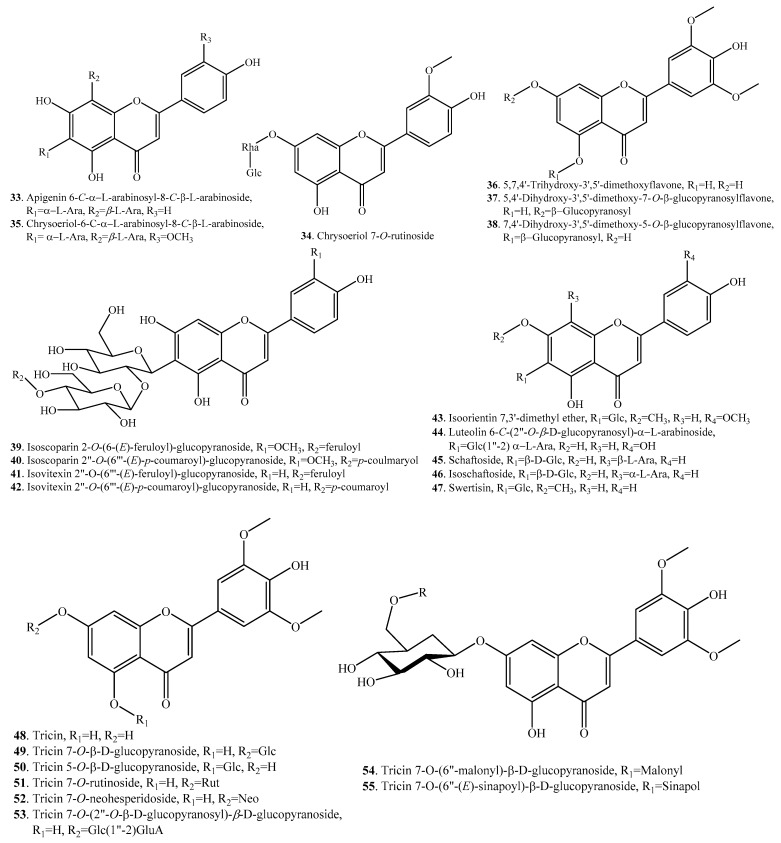
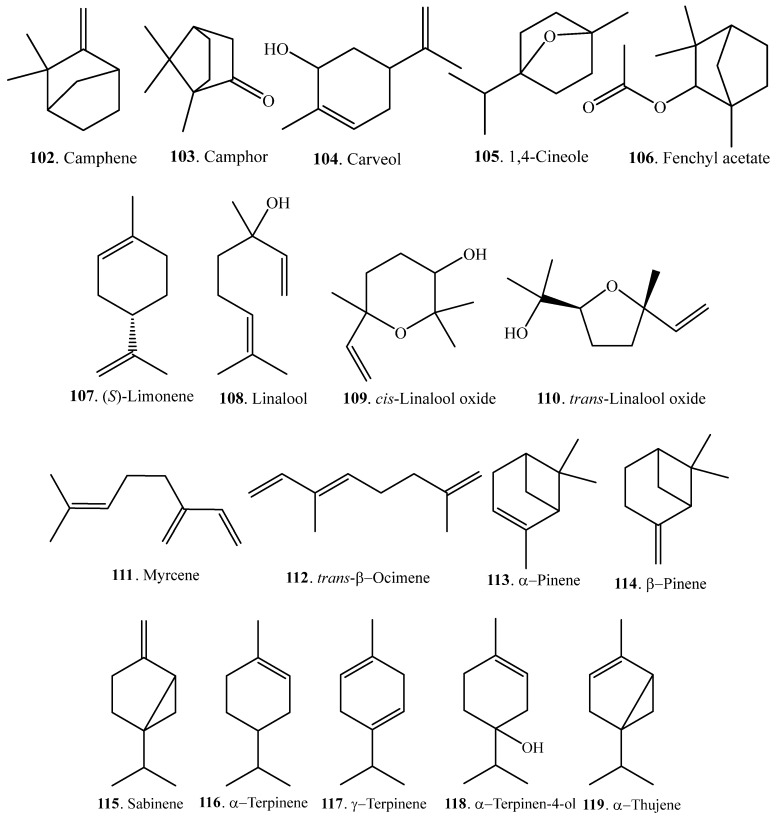
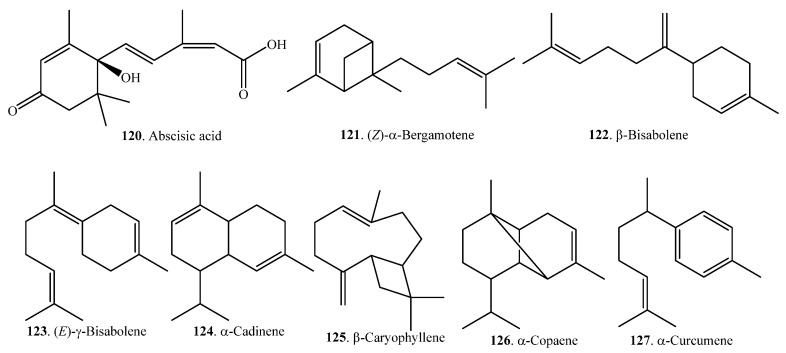
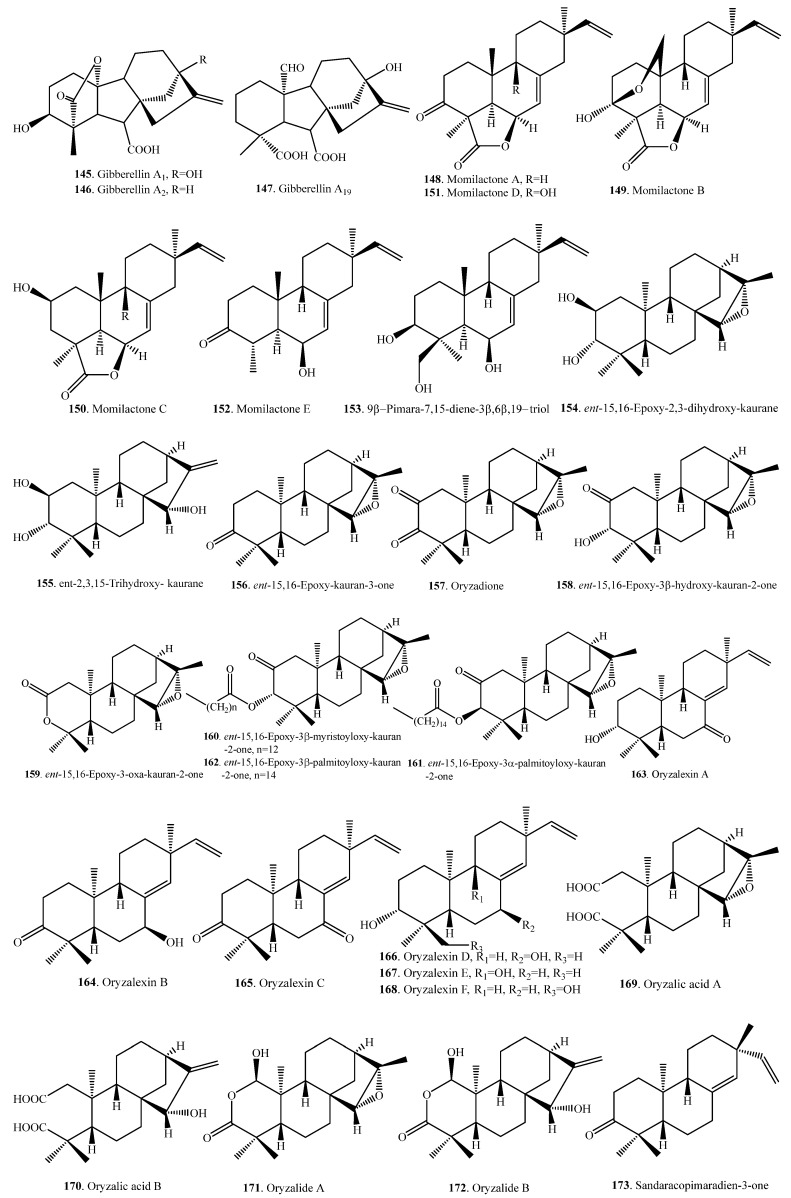
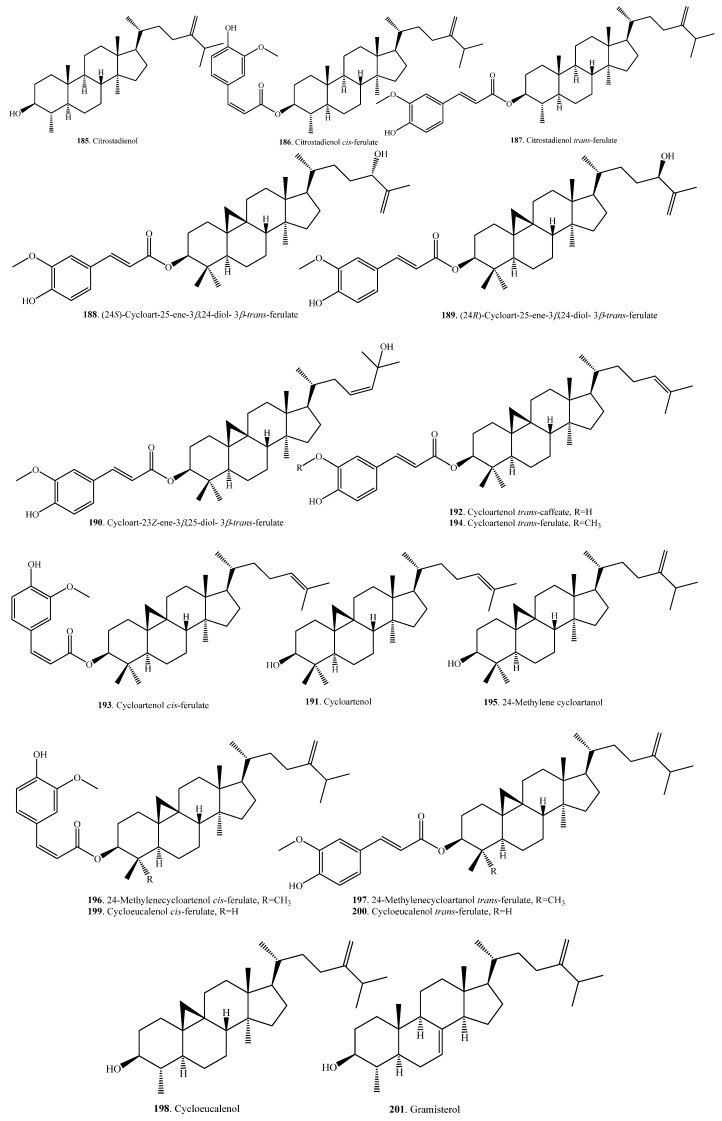
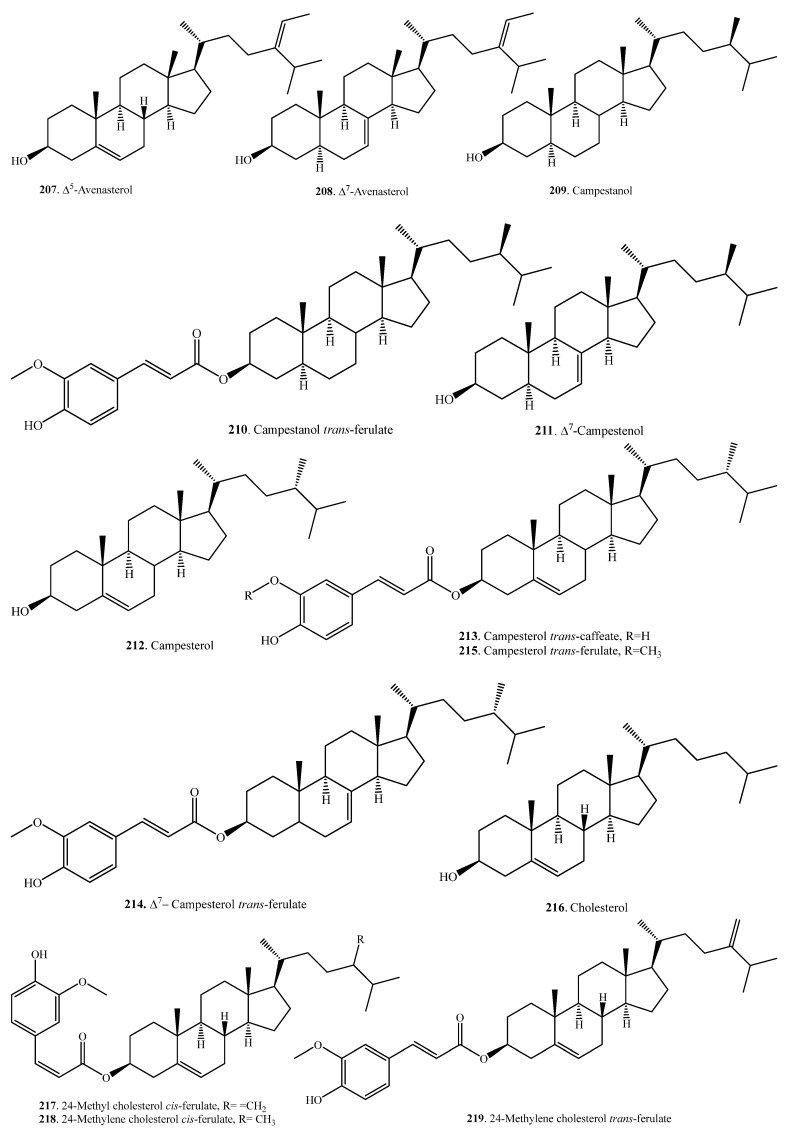
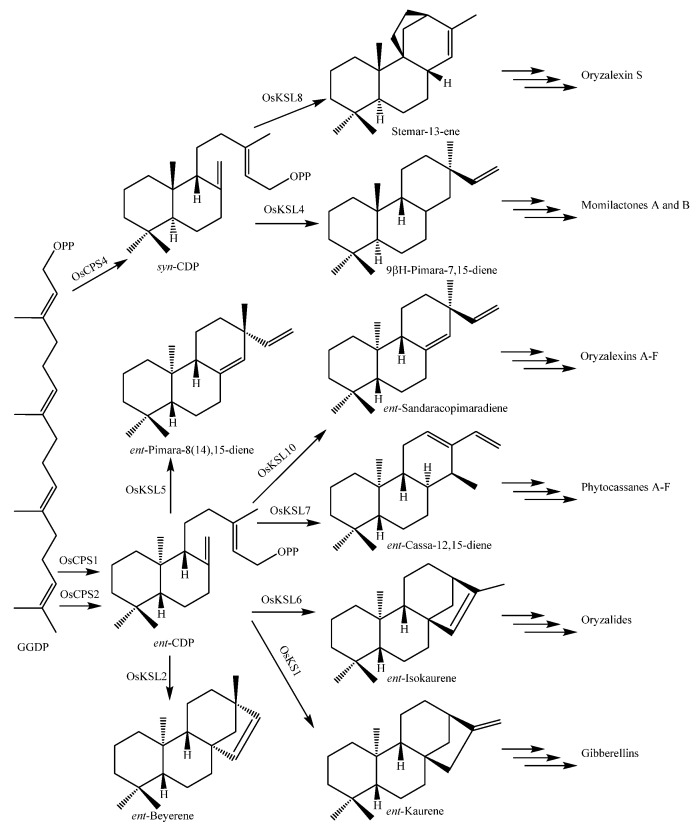
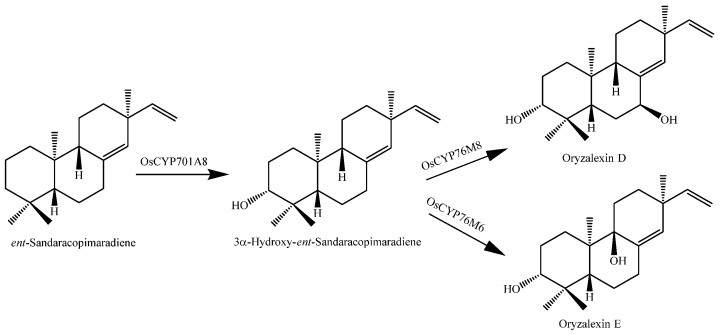
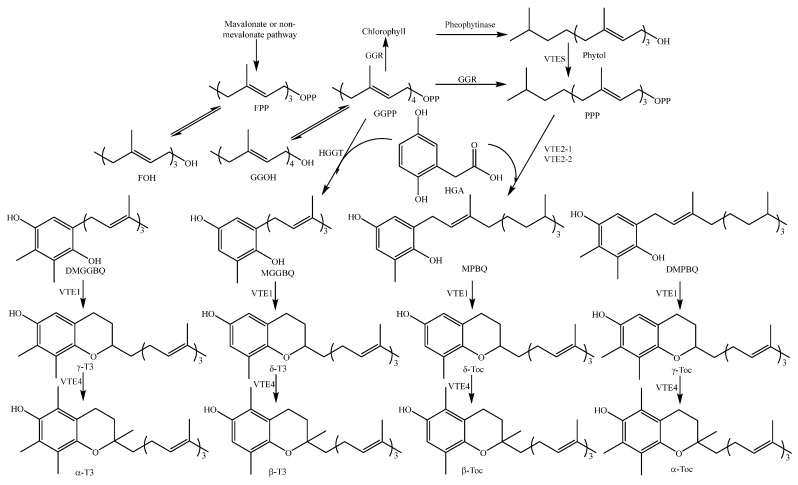
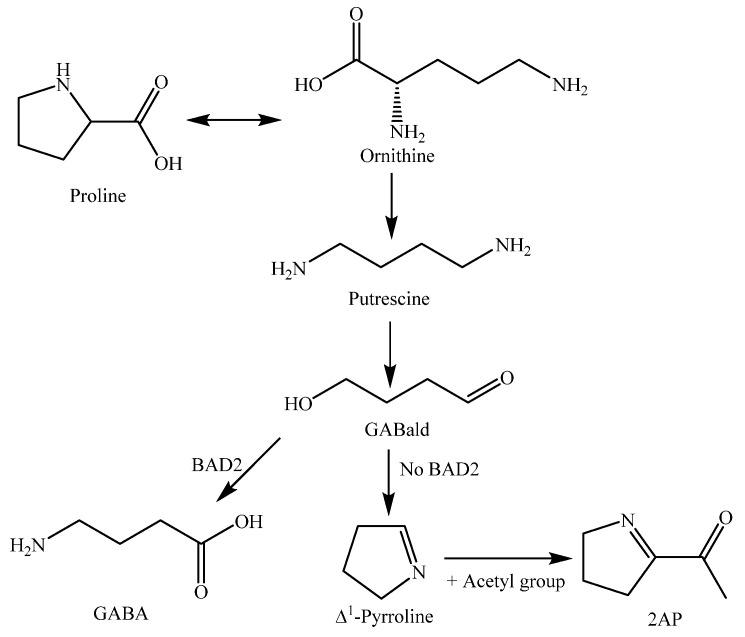
Rice (Oryza sativa L.) is an important food crop providing energy and nutrients for more than half of the world population. It produces vast amounts of secondary metabolites. At least 276 secondary metabolites from rice have been identified in the past 50 years. They mainly include phenolic acids, flavonoids, terpenoids, steroids, alkaloids, and their derivatives. These metabolites exhibit many physiological functions, such as regulatory effects on rice growth and development, disease-resistance promotion, anti-insect activity, and allelopathic effects, as well as various kinds of biological activities such as antimicrobial, antioxidant, cytotoxic, and anti-inflammatory properties. This review focuses on our knowledge of the structures, biological functions and activities, biosynthesis, and metabolic regulation of rice secondary metabolites. Some considerations about cheminformatics, metabolomics, genetic transformation, production, and applications related to the secondary metabolites from rice are also discussed.
水稻(Oryza sativa L.)是一种重要的粮食作物,为全球一半以上的人口提供能量和营养。它产生大量的次生代谢物。在过去的 50 年中,已经从水稻中鉴定出至少 276 种次生代谢物。它们主要包括酚酸、类黄酮、萜类、甾体、生物碱及其衍生物。这些代谢物表现出许多生理功能,如对水稻生长发育的调节作用、抗病促进作用、抗虫活性和化感作用,以及各种生物活性,如抗菌、抗氧化、细胞毒性和抗炎特性。本综述重点介绍了我们对水稻次生代谢物的结构、生物功能和活性、生物合成以及代谢调控的认识。还讨论了与水稻次生代谢物相关的化学信息学、代谢组学、遗传转化、生产和应用的一些考虑因素。