Ha Huong T T, Leal-Ortiz Sergio, Lalwani Kriti, Kiyonaka Shigeki, Hamachi Itaru, Mysore Shreesh P, Montgomery Johanna M, Garner Craig C, Huguenard John R, Kim Sally A
Department of Neurology & Neurological Sciences, School of Medicine, Stanford University, Stanford, CA, United States.
Neurosciences Graduate Program, School of Medicine, Stanford University, Stanford, CA, United States.
Front Mol Neurosci. 2018 Nov 9;11:405. doi: 10.3389/fnmol.2018.00405. eCollection 2018.
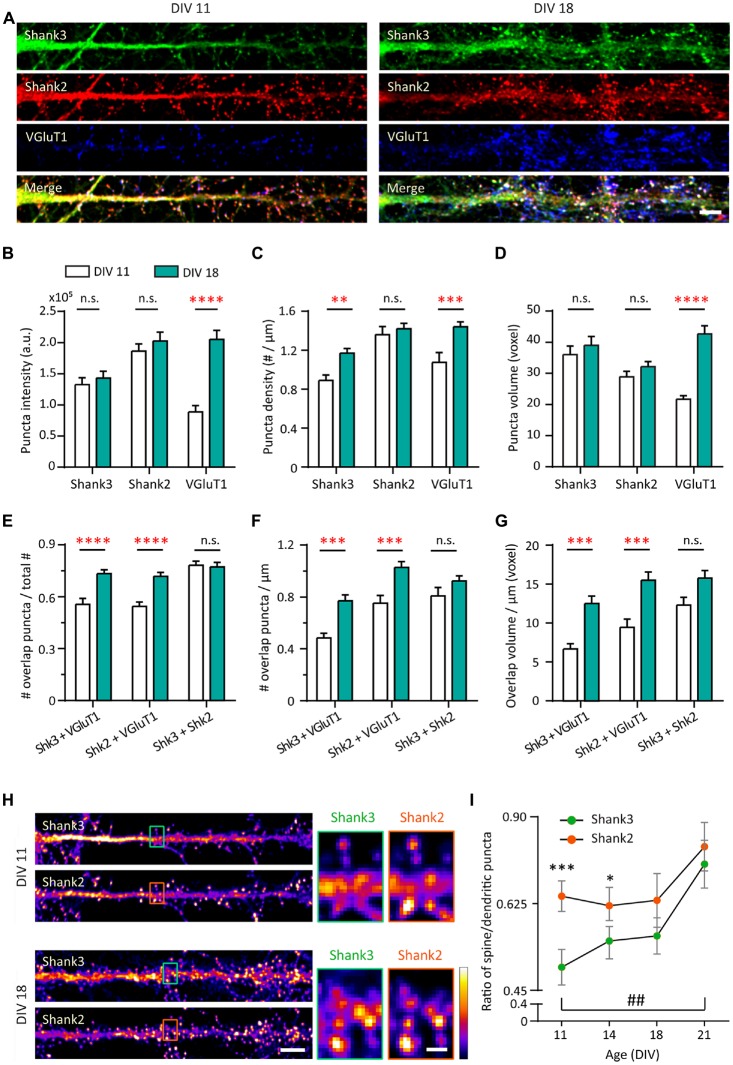
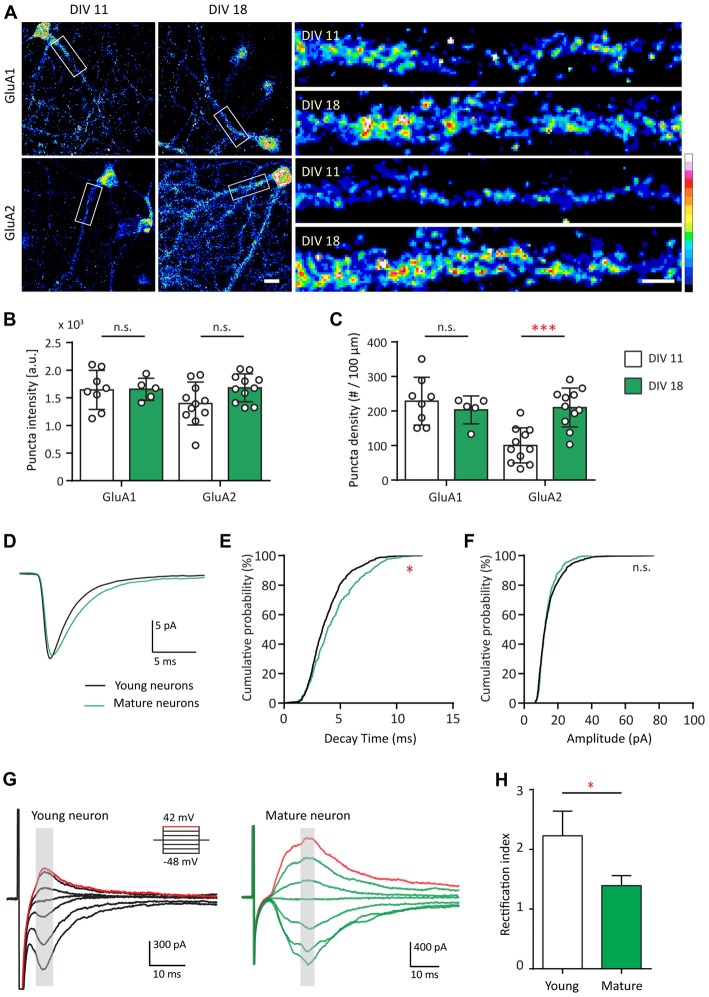
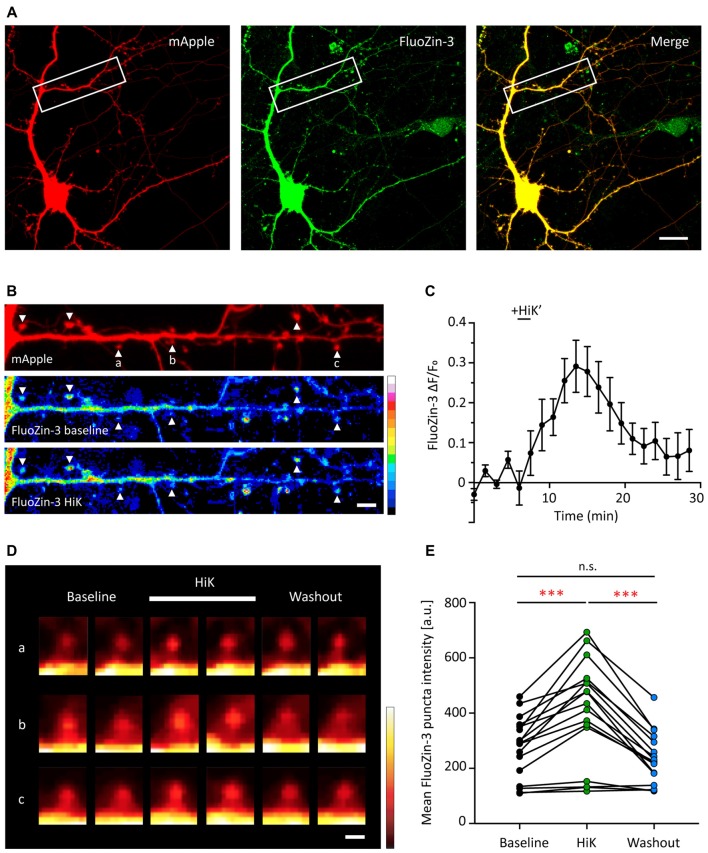
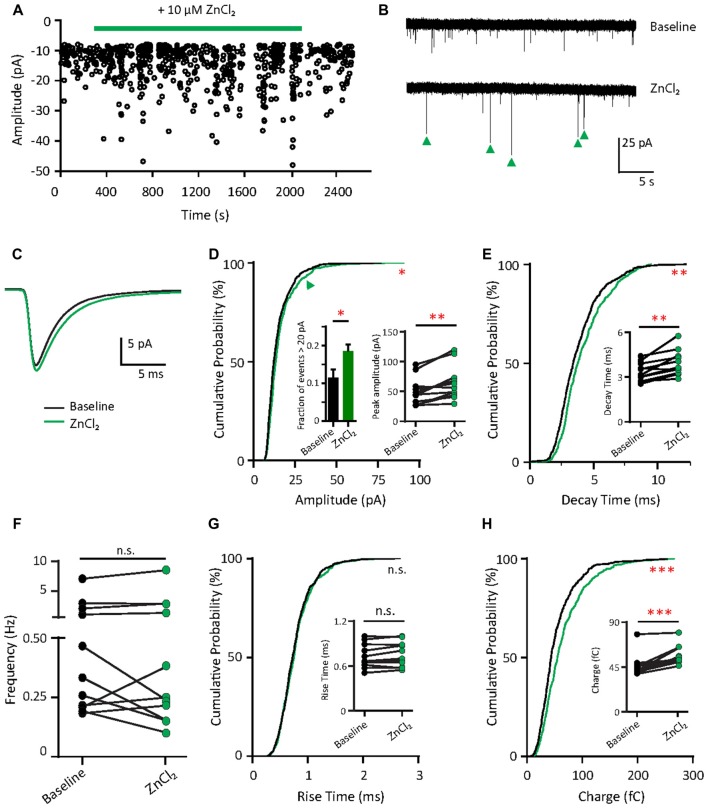
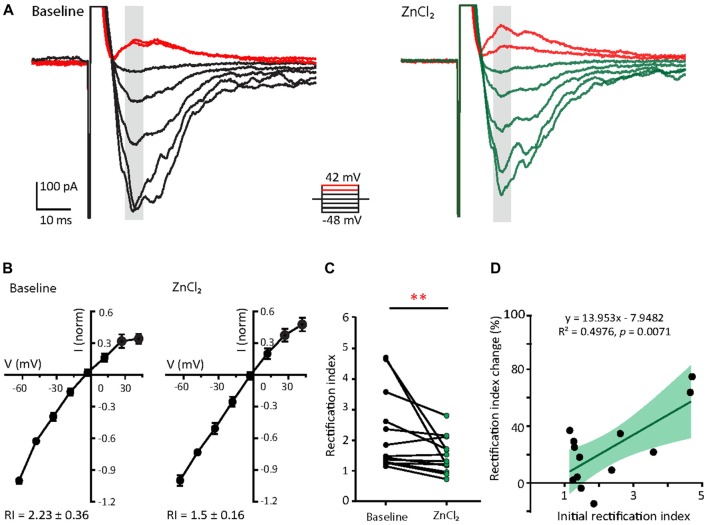
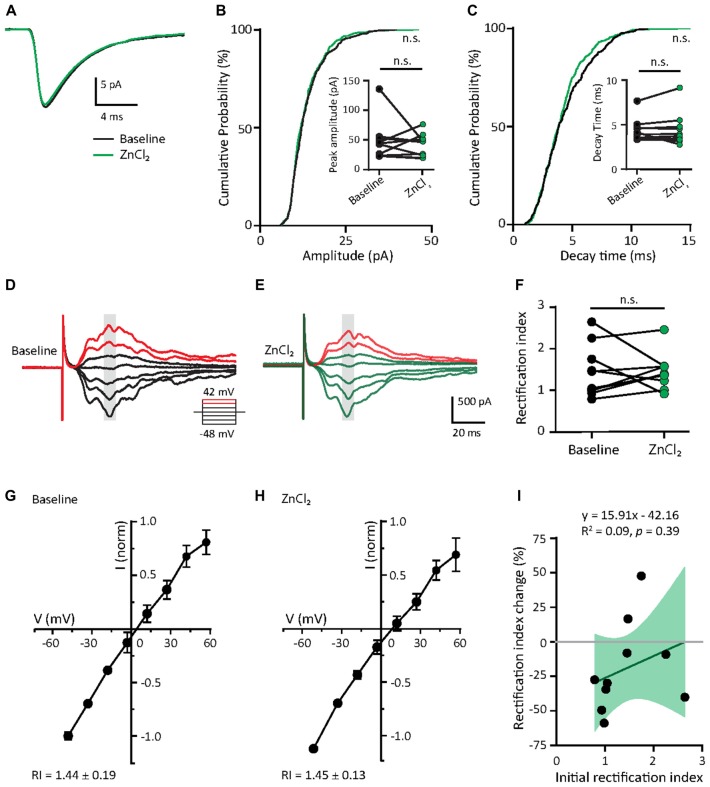
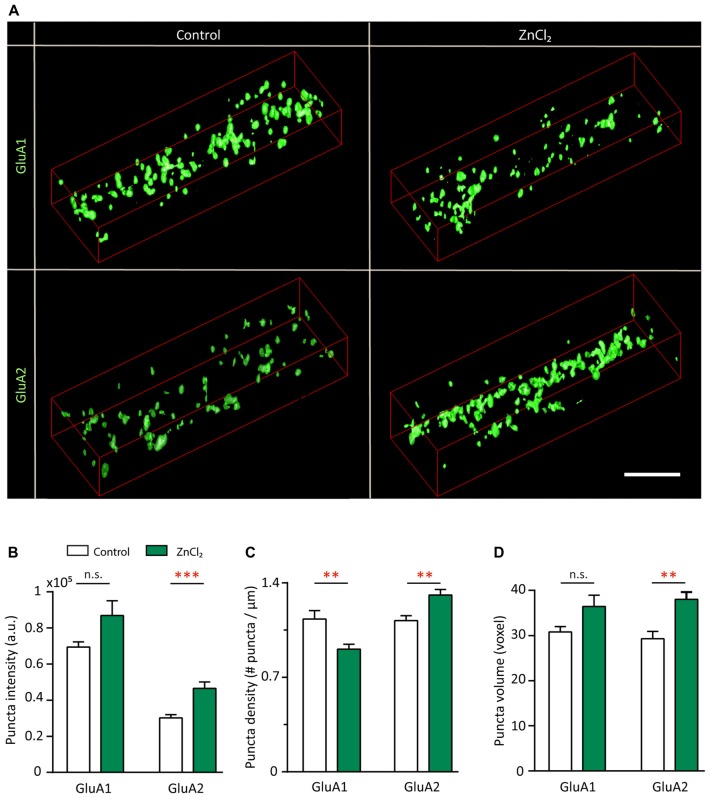
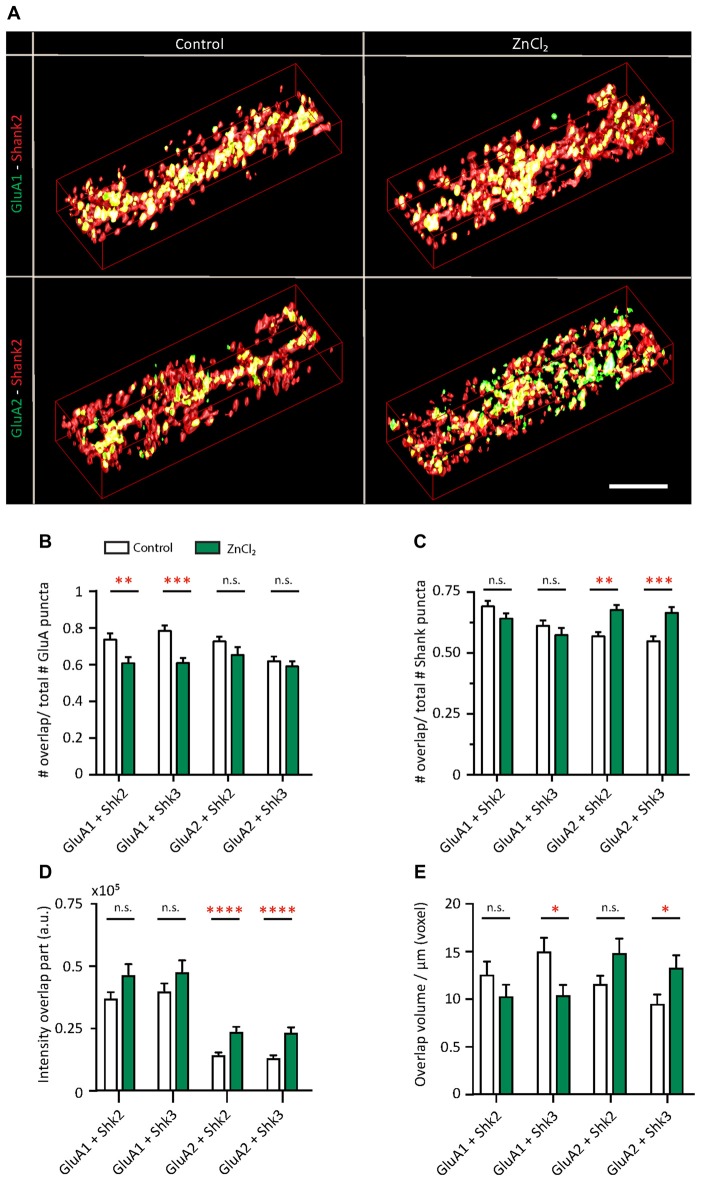
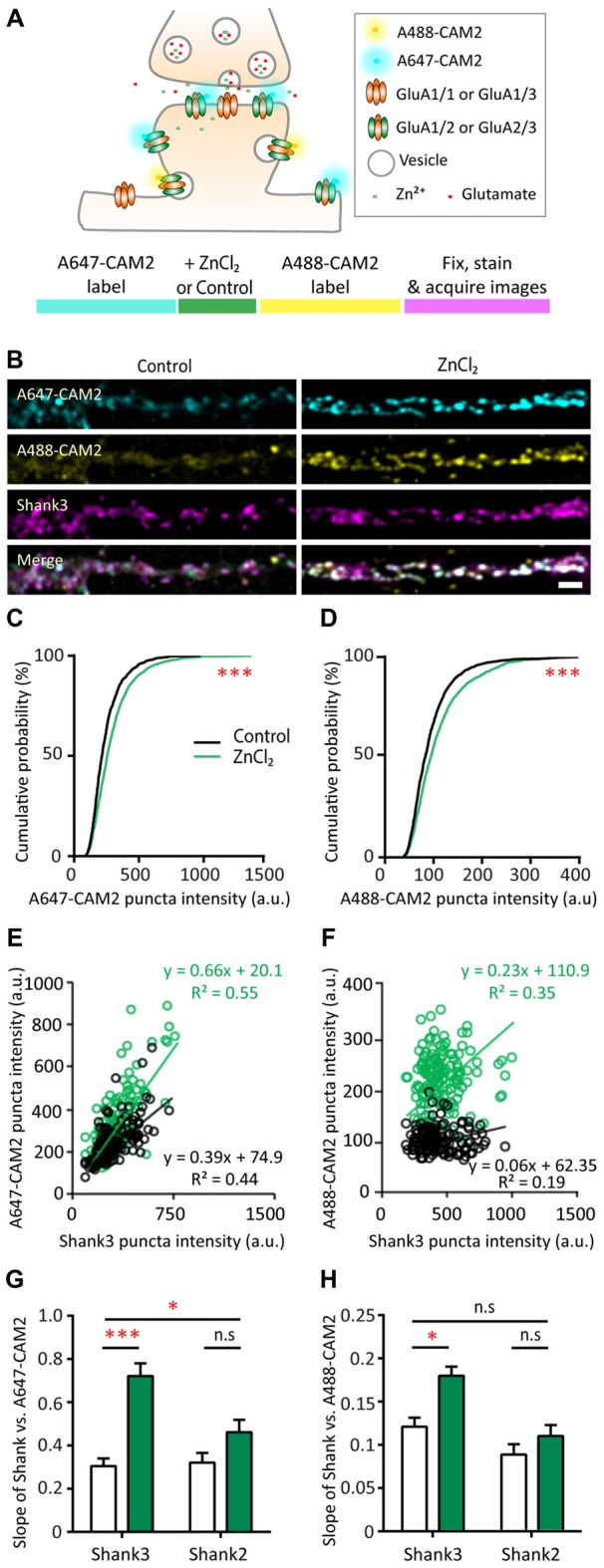
During development, pyramidal neurons undergo dynamic regulation of AMPA receptor (AMPAR) subunit composition and density to help drive synaptic plasticity and maturation. These normal developmental changes in AMPARs are particularly vulnerable to risk factors for Autism Spectrum Disorders (ASDs), which include loss or mutations of synaptic proteins and environmental insults, such as dietary zinc deficiency. Here, we show how Shank2 and Shank3 mediate a zinc-dependent regulation of AMPAR function and subunit switch from GluA2-lacking to GluA2-containing AMPARs. Over development, we found a concomitant increase in Shank2 and Shank3 with GluA2 at synapses, implicating these molecules as potential players in AMPAR maturation. Since Shank activation and function require zinc, we next studied whether neuronal activity regulated postsynaptic zinc at glutamatergic synapses. Zinc was found to increase transiently and reversibly with neuronal depolarization at synapses, which could affect Shank and AMPAR localization and activity. Elevated zinc induced multiple functional changes in AMPAR, indicative of a subunit switch. Specifically, zinc lengthened the decay time of AMPAR-mediated synaptic currents and reduced their inward rectification in young hippocampal neurons. Mechanistically, both Shank2 and Shank3 were necessary for the zinc-sensitive enhancement of AMPAR-mediated synaptic transmission and act in concert to promote removal of GluA1 while enhancing recruitment of GluA2 at pre-existing Shank puncta. These findings highlight a cooperative local dynamic regulation of AMPAR subunit switch controlled by zinc signaling through Shank2 and Shank3 to shape the biophysical properties of developing glutamatergic synapses. Given the zinc sensitivity of young neurons and its dependence on Shank2 and Shank3, genetic mutations and/or environmental insults during early development could impair synaptic maturation and circuit formation that underlie ASD etiology.
在发育过程中,锥体神经元经历AMPA受体(AMPAR)亚基组成和密度的动态调节,以促进突触可塑性和成熟。AMPARs的这些正常发育变化特别容易受到自闭症谱系障碍(ASD)风险因素的影响,这些因素包括突触蛋白的缺失或突变以及环境损伤,如饮食中锌缺乏。在这里,我们展示了Shank2和Shank3如何介导锌依赖性的AMPAR功能调节以及从缺乏GluA2的AMPAR到含有GluA2的AMPAR的亚基转换。在发育过程中,我们发现突触处Shank2和Shank3与GluA2同时增加,这表明这些分子可能是AMPAR成熟的潜在参与者。由于Shank的激活和功能需要锌,我们接下来研究神经元活动是否调节谷氨酸能突触处的突触后锌。我们发现锌在突触处随着神经元去极化而短暂且可逆地增加,这可能影响Shank和AMPAR的定位及活性。锌升高诱导了AMPAR的多种功能变化,表明发生了亚基转换。具体而言,锌延长了AMPAR介导的突触电流的衰减时间,并降低了其在年轻海马神经元中的内向整流。从机制上讲,Shank2和Shank3对于锌敏感的AMPAR介导的突触传递增强都是必需的,并且协同作用以促进GluA1的去除,同时在预先存在的Shank斑点处增强GluA2的募集。这些发现突出了由锌信号通过Shank2和Shank3控制的AMPAR亚基转换的协同局部动态调节,以塑造发育中的谷氨酸能突触的生物物理特性。鉴于年轻神经元对锌的敏感性及其对Shank2和Shank3的依赖性,早期发育过程中的基因突变和/或环境损伤可能会损害作为ASD病因基础的突触成熟和电路形成。