Department of Emergency Medicine, Faculty of Medicine, University of Debrecen, Hungary.
Division of Metabolism, Department of Internal Medicine, Faculty of Medicine, University of Debrecen, Hungary.
J Diabetes Res. 2018 Nov 4;2018:3407306. doi: 10.1155/2018/3407306. eCollection 2018.
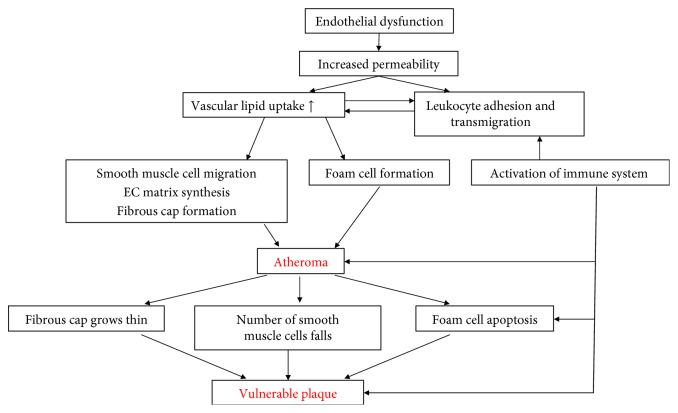
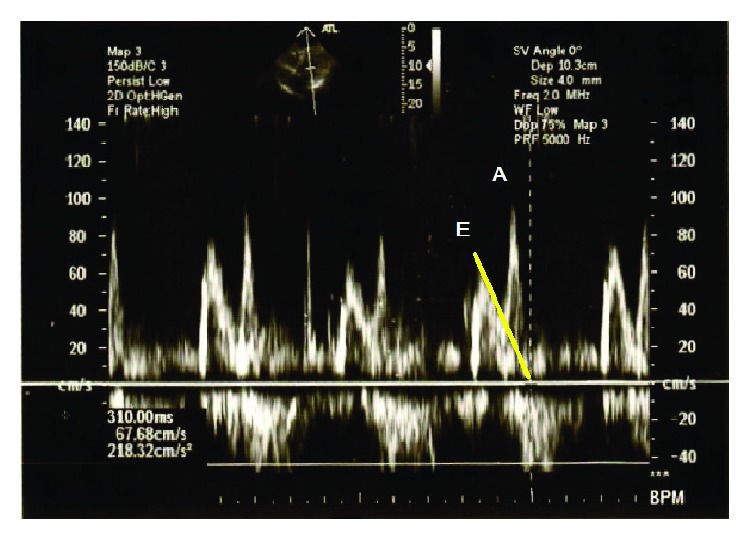
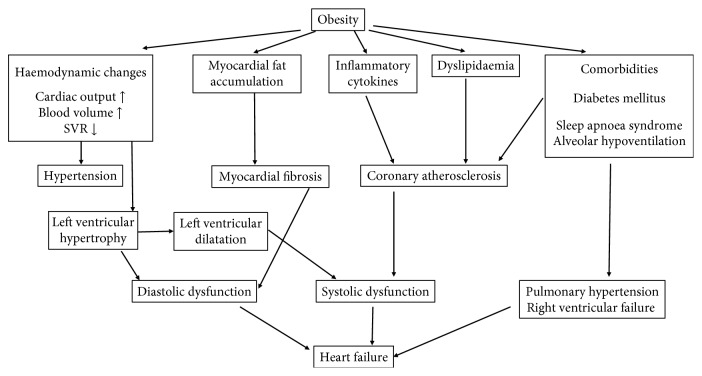
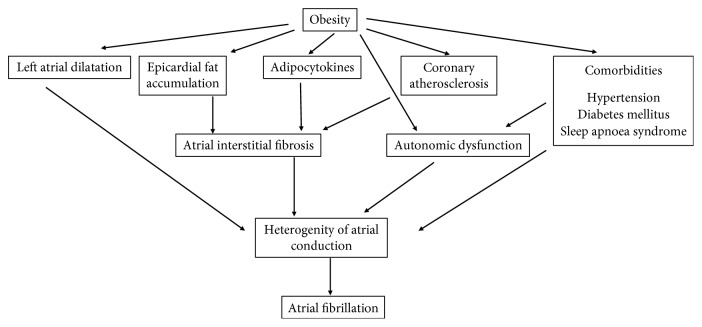
Obesity is a growing health problem worldwide. It is associated with an increased cardiovascular risk on the one hand of obesity itself and on the other hand of associated medical conditions (hypertension, diabetes, insulin resistance, and sleep apnoea syndrome). Obesity has an important role in atherosclerosis and coronary artery disease. Obesity leads to structural and functional changes of the heart, which causes heart failure. The altered myocardial structure increases the risk of atrial fibrillation and sudden cardiac death. However, obesity also has a protective effect on the clinical outcome of underlying cardiovascular disease, the phenomenon called obesity paradox. The improved cardiac imaging techniques allow the early detection of altered structure and function of the heart in obese patients. In this review, we attempt to summarize the relationship between obesity and cardiovascular diseases and outline the underlying mechanisms. The demonstrated new techniques of cardiac diagnostic procedures allow for the early detection and treatment of subclinical medical conditions and, therefore, the prevention of cardiovascular events.
肥胖是全球日益严重的健康问题。一方面,肥胖本身与相关疾病(高血压、糖尿病、胰岛素抵抗和睡眠呼吸暂停综合征)相关联,存在心血管风险增加的问题;另一方面,肥胖对动脉粥样硬化和冠状动脉疾病也有重要作用。肥胖导致心脏的结构和功能发生变化,从而引起心力衰竭。心肌结构的改变增加了心房颤动和心源性猝死的风险。然而,肥胖对潜在心血管疾病的临床预后也有保护作用,这种现象被称为肥胖悖论。改进的心脏成像技术允许早期发现肥胖患者心脏结构和功能的改变。在这篇综述中,我们试图总结肥胖与心血管疾病之间的关系,并概述潜在的机制。心脏诊断程序的新技术可以早期发现亚临床疾病,并进行治疗,从而预防心血管事件的发生。