USDA-ARS, Bee Research Laboratory, BARC-East Building 306, Beltsville, Maryland 20705, USA.
Department of Biological Sciences, University of Memphis, 3700 Walker Ave., Memphis, TN 38152, USA.
Gigascience. 2018 Dec 1;7(12):giy138. doi: 10.1093/gigascience/giy138.
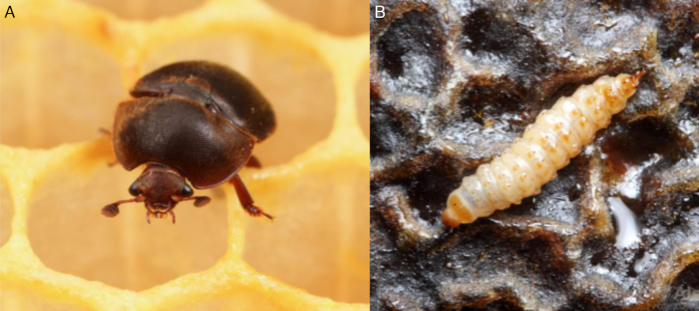
The small hive beetle (Aethina tumida; ATUMI) is an invasive parasite of bee colonies. ATUMI feeds on both fruits and bee nest products, facilitating its spread and increasing its impact on honey bees and other pollinators. We have sequenced and annotated the ATUMI genome, providing the first genomic resources for this species and for the Nitidulidae, a beetle family that is closely related to the extraordinarily species-rich clade of beetles known as the Phytophaga. ATUMI thus provides a contrasting view as a neighbor for one of the most successful known animal groups.
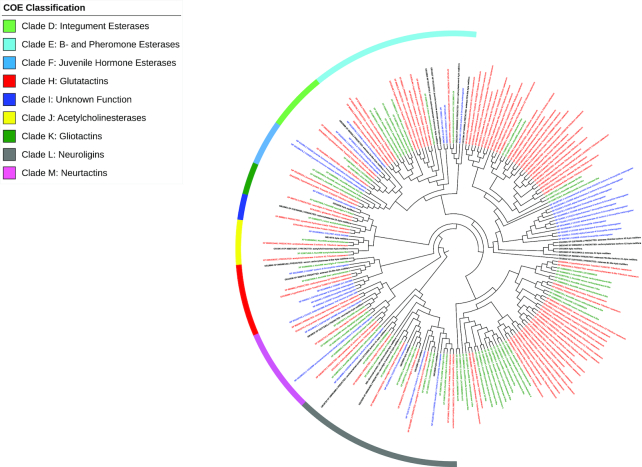
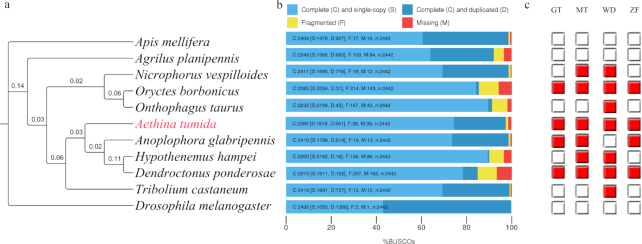
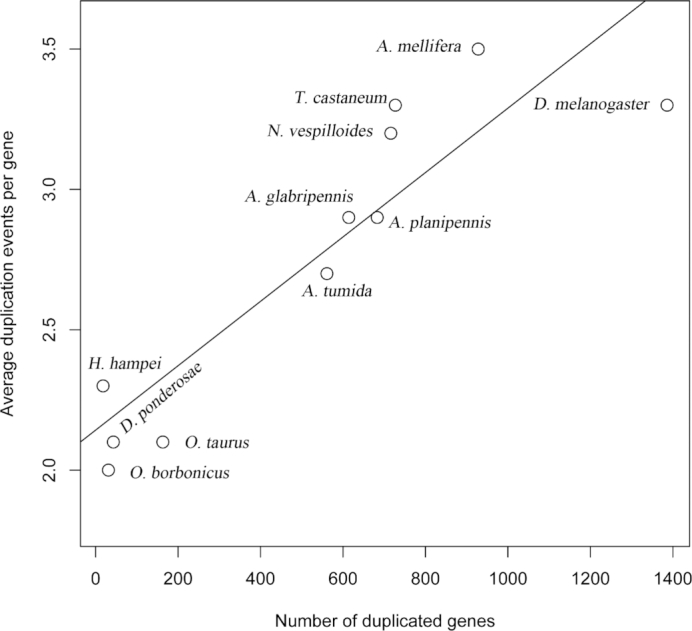
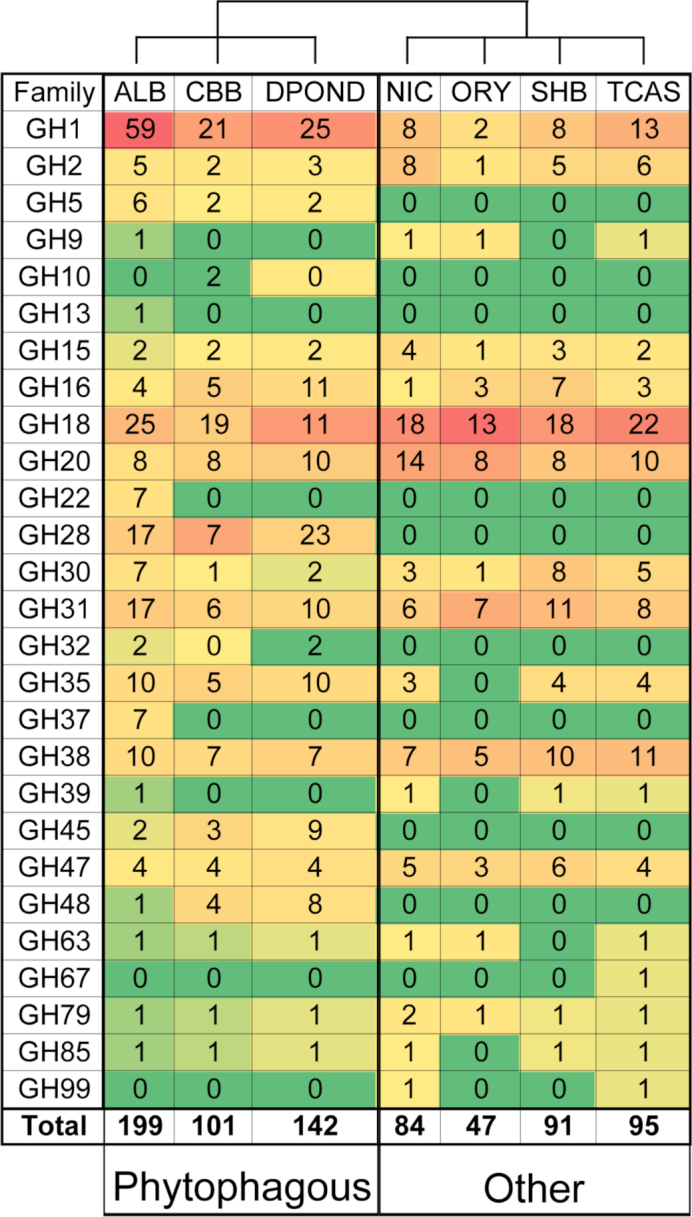
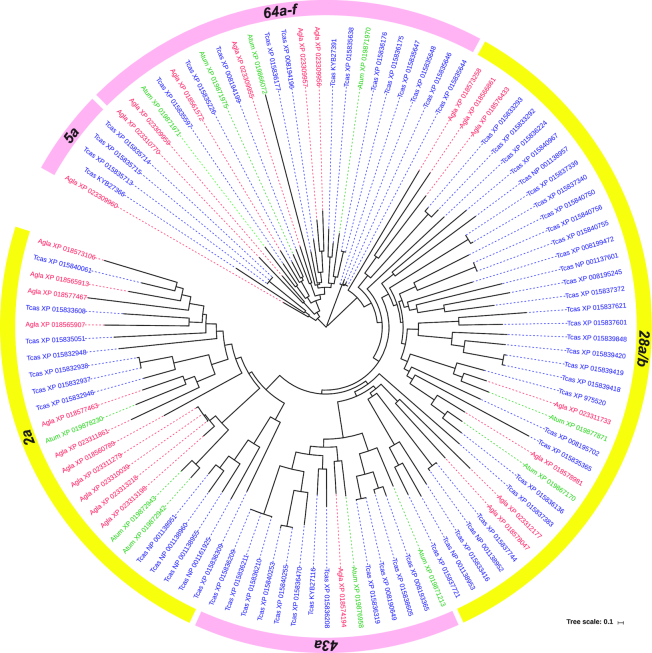
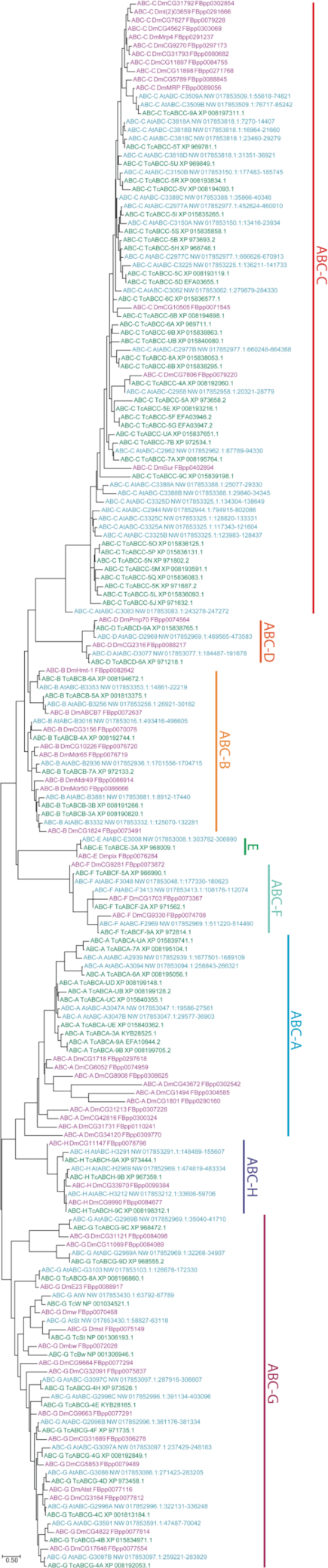
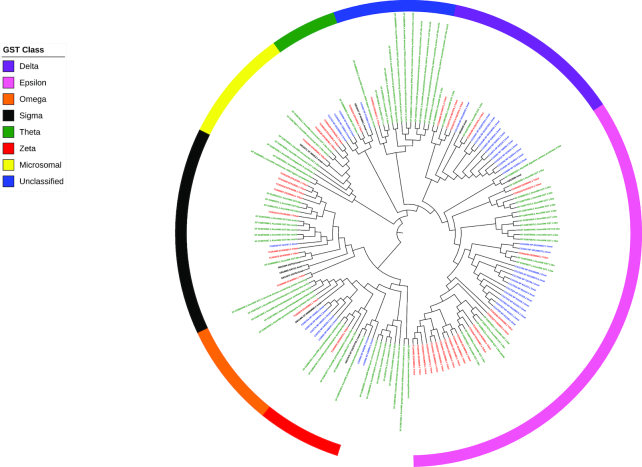
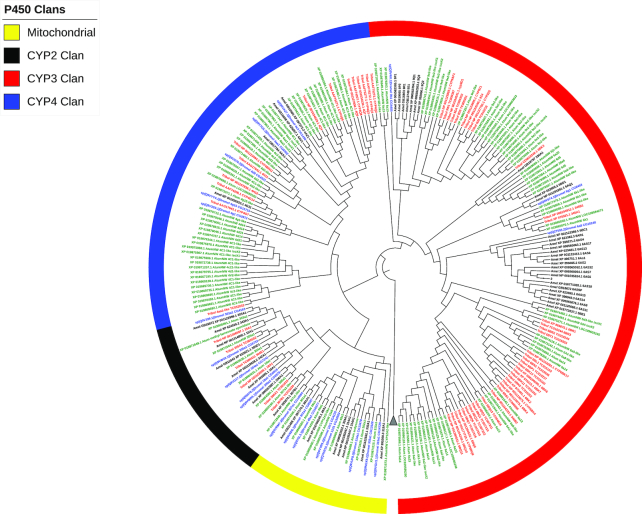
We present a robust genome assembly and a gene set possessing 97.5% of the core proteins known from the holometabolous insects. The ATUMI genome encodes fewer enzymes for plant digestion than the genomes of wood-feeding beetles but nonetheless shows signs of broad metabolic plasticity. Gustatory receptors are few in number compared to other beetles, especially receptors with known sensitivity (in other beetles) to bitter substances. In contrast, several gene families implicated in detoxification of insecticides and adaptation to diverse dietary resources show increased copy numbers. The presence and diversity of homologs involved in detoxification differ substantially from the bee hosts of ATUMI.
Our results provide new insights into the genomic basis for local adaption and invasiveness in ATUMI and a blueprint for control strategies that target this pest without harming their honey bee hosts. A minimal set of gustatory receptors is consistent with the observation that, once a host colony is invaded, food resources are predictable. Unique detoxification pathways and pathway members can help identify which treatments might control this species even in the presence of honey bees, which are notoriously sensitive to pesticides.
小蜂虻(Aethina tumida;ATUMI)是蜜蜂群体的入侵性寄生虫。ATUMI 既以果实为食,也以蜂巢产品为食,这有助于其传播,并增加对蜜蜂和其他传粉媒介的影响。我们已经对 ATUMI 基因组进行了测序和注释,为该物种以及与 Phytophaga 这一拥有丰富物种的甲虫类群密切相关的 Nitidulidae 家族提供了首个基因组资源。ATUMI 为一个已知最成功的动物群体的邻居提供了一个对比视角。
我们呈现了一个强大的基因组组装和一个基因集,其中包含了已知的 97.5%的完全变态昆虫的核心蛋白。与以木材为食的甲虫的基因组相比,ATUMI 基因组编码的植物消化酶较少,但它表现出广泛的代谢可塑性迹象。与其他甲虫相比,味觉受体的数量较少,特别是对苦味物质具有已知敏感性(在其他甲虫中)的受体。相比之下,几种与杀虫剂解毒和适应不同饮食资源有关的基因家族显示出增加的拷贝数。参与解毒的同源物的存在和多样性与 ATUMI 的蜜蜂宿主有很大的不同。
我们的研究结果为 ATUMI 的局部适应和入侵性的基因组基础提供了新的见解,并为针对这种害虫的控制策略提供了蓝图,这些策略可以在不伤害其蜜蜂宿主的情况下靶向这种害虫。味觉受体的最小集合与以下观察结果一致,即一旦一个宿主群体被入侵,食物资源就可以预测。独特的解毒途径和途径成员可以帮助确定哪些治疗方法可以控制这种物种,即使在对杀虫剂极为敏感的蜜蜂存在的情况下。