Yuan Li, Ding Songlin, Wen Cuie
School of Engineering, RMIT University, Bundoora, Victoria, 3083, Australia.
Bioact Mater. 2018 Dec 21;4(1):56-70. doi: 10.1016/j.bioactmat.2018.12.003. eCollection 2019 Mar.
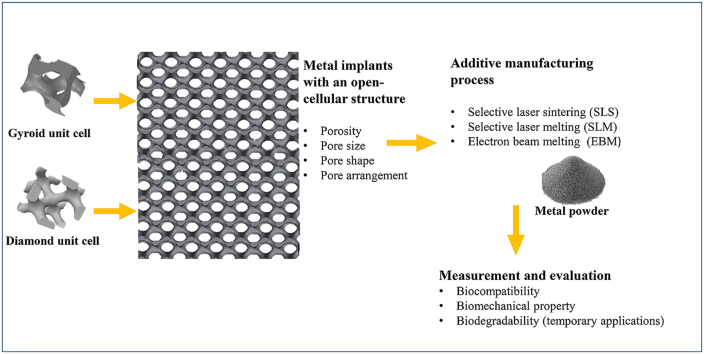
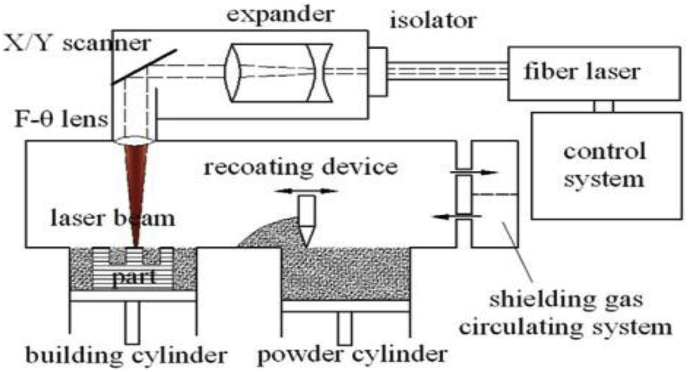
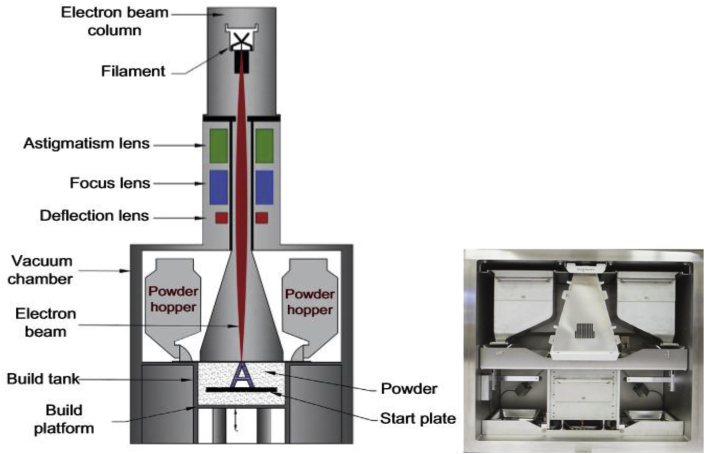
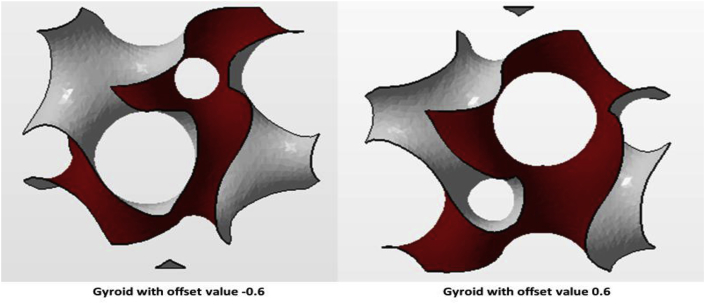
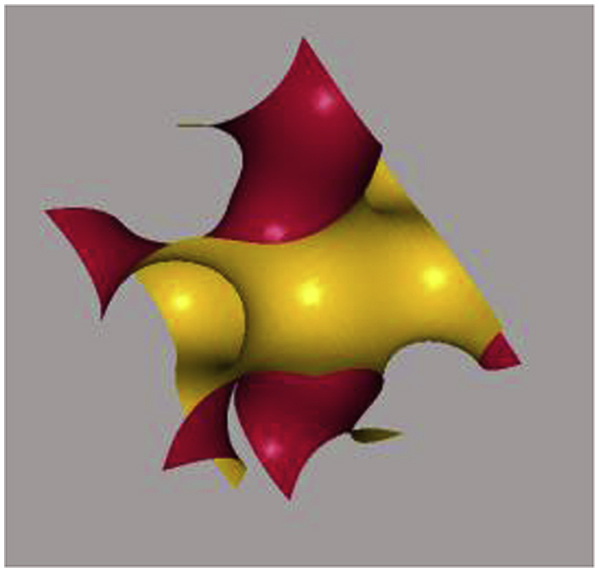
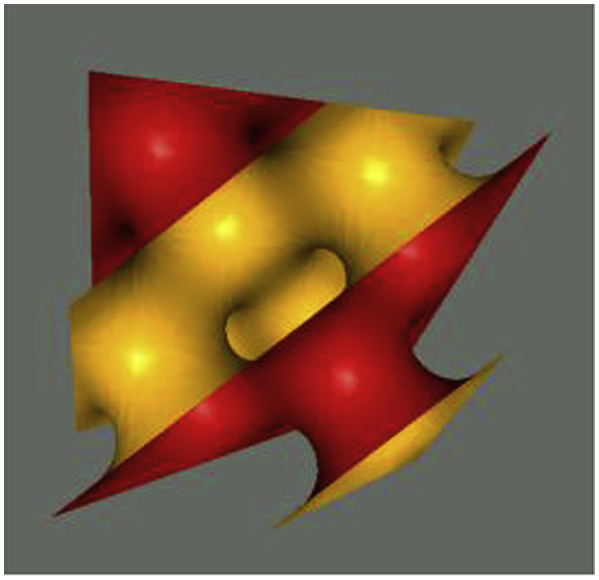
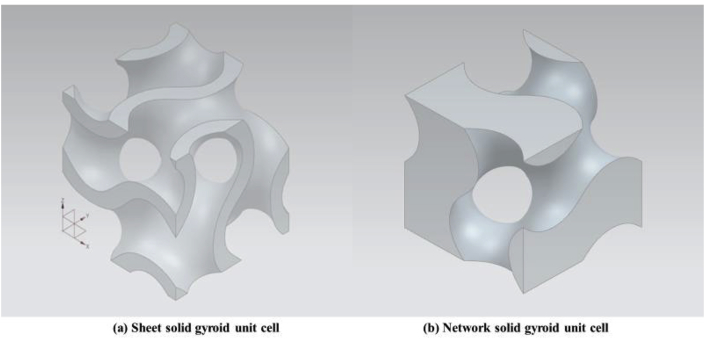
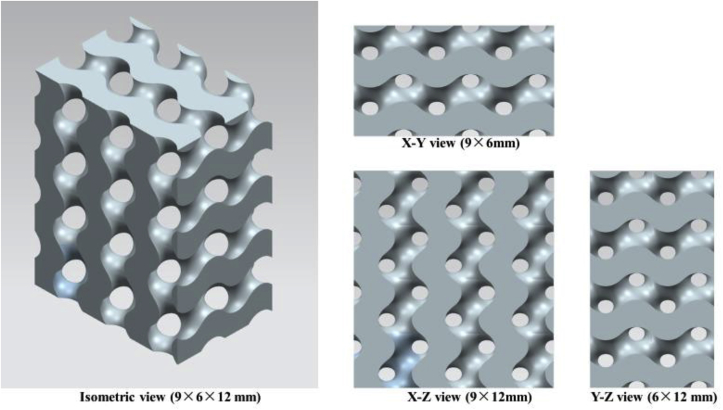
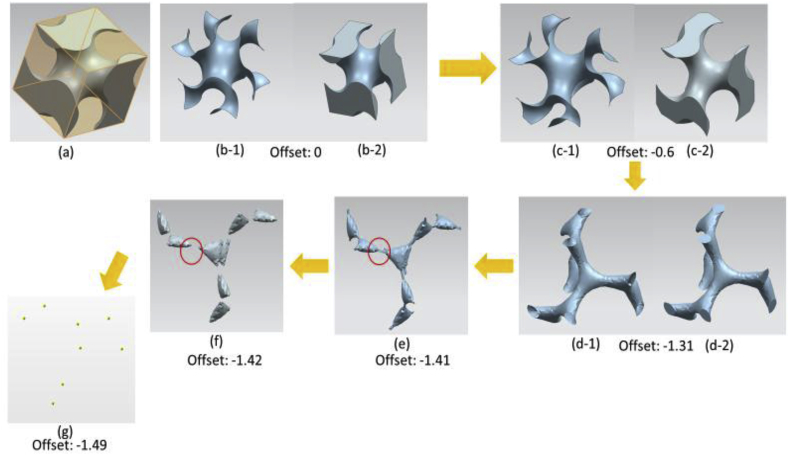
Recently, the fabrication methods of orthopedic implants and devices have been greatly developed. Additive manufacturing technology allows the production of complex structures with bio-mimicry features, and has the potential to overcome the limitations of conventional fabrication methods. This review explores open-cellular structural design for porous metal implant applications, in relation to the mechanical properties, biocompatibility, and biodegradability. Several types of additive manufacturing techniques including selective laser sintering, selective laser melting, and electron beam melting, are discussed for different applications. Additive manufacturing through powder bed fusion shows great potential for the fabrication of high-quality porous metal implants. However, the powder bed fusion technique still faces two major challenges: it is high cost and time-consuming. In addition, triply periodic minimal surface (TPMS) structures are also analyzed in this paper, targeting the design of metal implants with an enhanced biomorphic environment.
近年来,骨科植入物和器械的制造方法有了很大发展。增材制造技术能够生产具有生物模仿特征的复杂结构,并有潜力克服传统制造方法的局限性。本综述探讨了用于多孔金属植入物应用的开孔结构设计,涉及力学性能、生物相容性和生物降解性。针对不同应用,讨论了包括选择性激光烧结、选择性激光熔化和电子束熔化在内的几种增材制造技术。通过粉末床熔融的增材制造在高质量多孔金属植入物的制造方面显示出巨大潜力。然而,粉末床熔融技术仍面临两个主要挑战:成本高且耗时。此外,本文还分析了三重周期极小曲面(TPMS)结构,旨在设计具有增强生物形态环境的金属植入物。